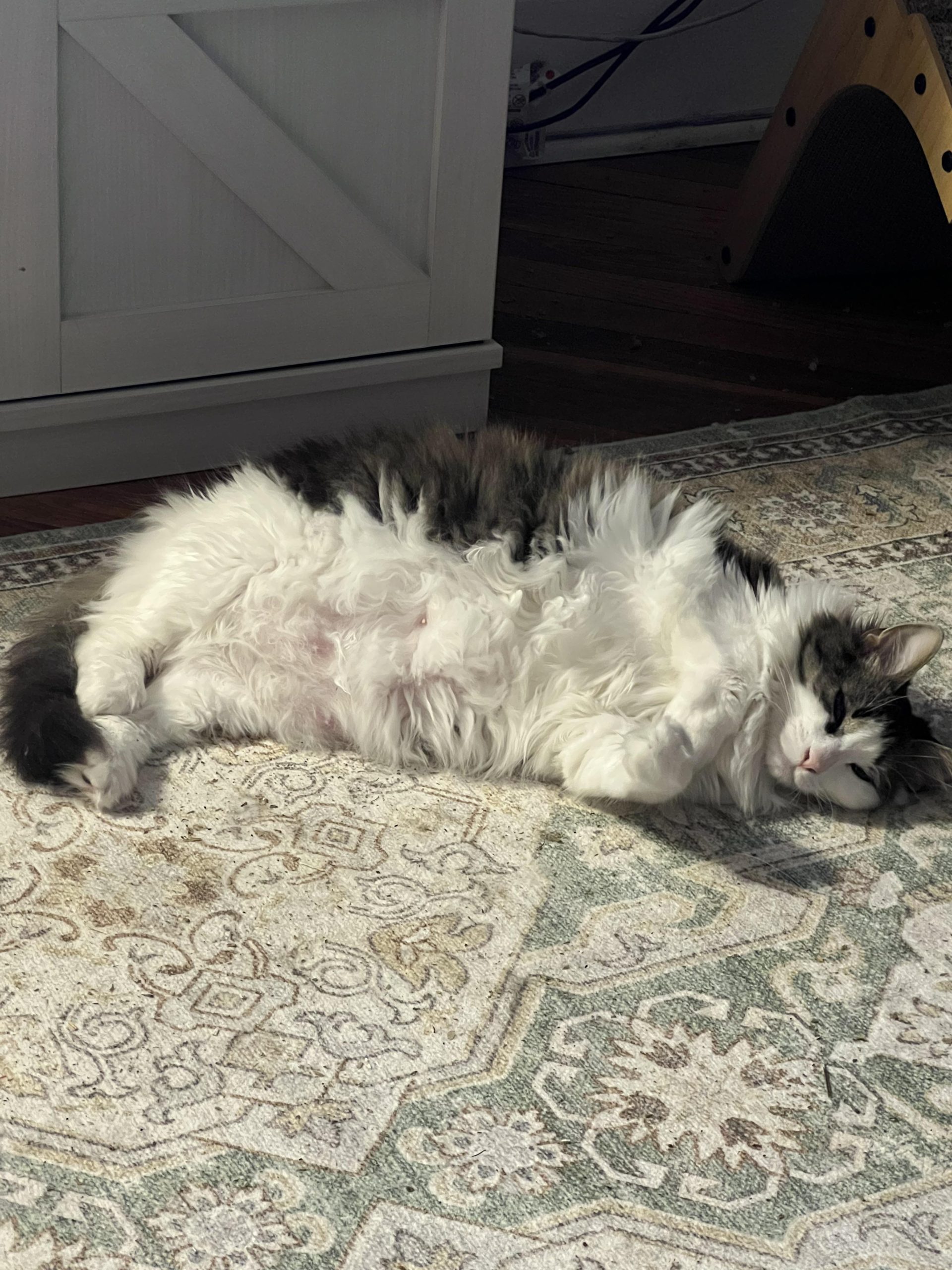
Have you noticed your cat licking or scratching more than usual? Over grooming can be a sign that something is wrong, but it’s not always easy to tell.
If you’re worried about your furry friend, you’re not alone. Knowing the signs of over grooming can help you take action before the problem gets worse. You’ll learn how to spot the warning signals and what steps to take to keep your cat happy and healthy.
Keep reading—your cat’s well-being depends on it.
Signs Of Over Grooming
Over grooming in cats can signal discomfort or stress. It often leads to noticeable changes in their fur and skin. Knowing the signs helps catch the issue early. Watch for physical and behavioral clues that show your cat may be over grooming.
Bald Spots And Hair Loss
Look closely for patches where fur is missing. Bald spots appear from constant licking or biting. Hair loss can happen quickly and unevenly. These spots often show on the belly, legs, or neck. Early detection prevents skin damage and infection.
Redness And Skin Irritation
Check your cat’s skin for redness or swelling. Irritated skin is a common result of over grooming. The affected areas may look raw or scabby. This irritation can cause pain and discomfort. Keep an eye out for any changes in skin color.
Excessive Licking And Biting
Notice if your cat licks or bites one spot too much. Over grooming means more than usual cleaning habits. The licking may seem obsessive or repetitive. Biting can lead to small wounds or bleeding. This behavior often increases during stress or anxiety.
Behavioral Changes
Changes in behavior often accompany over grooming. Your cat may seem restless or irritable. It might hide more or avoid interaction. Over grooming can be a response to boredom or pain. Observing these changes helps identify the problem early.

Credit: www.reddit.com
Common Causes
Over grooming in cats can be puzzling and worrying. Understanding the common causes helps you spot the root of the problem and take action. Let’s look at some reasons why your cat might be licking or biting itself more than usual.
Stress And Anxiety
Cats often groom more when they feel stressed or anxious. Changes in their environment, like moving to a new home or new family members, can trigger this behavior. Have you noticed your cat licking more after loud noises or when left alone?
Excessive grooming can be your cat’s way of self-soothing, much like how humans bite their nails when nervous. Watching for other signs like hiding or changes in appetite can confirm if anxiety is the cause.
Allergies And Skin Conditions
Allergies can make your cat’s skin itchy and uncomfortable, leading to over grooming. These allergies might come from food, pollen, or household chemicals. Imagine your cat scratching or licking certain spots repeatedly because they just can’t get relief.
Skin conditions like dermatitis or fungal infections also cause irritation. If your cat has red, inflamed patches or hair loss, it’s time to check with your vet for treatment options.
Parasites And Infections
Parasites such as fleas or mites irritate your cat’s skin and cause intense itching. Even a single flea can lead to frantic grooming. You may spot flea dirt or small bugs moving through the fur if you look closely.
Infections, whether bacterial or fungal, can also cause discomfort that leads to over grooming. These often require medical attention, so don’t hesitate to seek professional advice if you suspect parasites or infections.
Pain Or Discomfort
Sometimes, over grooming points to pain hidden beneath the surface. Your cat might be licking a specific area where it feels sore or injured. Could your cat have a joint problem or an injury you haven’t noticed?
Dental pain can also cause increased grooming, especially around the face and neck. Observing exactly where your cat focuses its grooming can give you clues about underlying pain.
Diagnosing The Problem
Recognizing over grooming in cats is essential for their health. Excessive grooming may lead to hair loss and skin issues. Understanding the root cause can help in managing this behavior. Diagnosing the problem involves several steps. These steps can guide you to a solution.
Veterinary Examination
A veterinarian can provide a thorough health check. They will look for underlying medical issues. Conditions like infections or parasites might be the cause. Regular vet visits help catch these issues early. The vet may also check for stress-related behaviors.
Skin Tests And Allergy Screening
Skin tests can identify allergies or infections. These tests might include skin scrapings or blood tests. Allergies can cause itchiness, leading to over grooming. Identifying allergens can prevent further issues. Your vet will guide you on managing allergies.
Behavioral Assessment
Behavioral assessment is key in diagnosing over grooming. Stress or anxiety can trigger this behavior. Changes in the environment might affect your cat. A behaviorist can help identify stress factors. Proper management can reduce over grooming habits.

Credit: www.reddit.com
Treatment Options
Treating a cat that over grooms involves multiple approaches. The right treatment depends on the cause of the behavior. Many cats respond well to a combination of medical care and lifestyle changes.
Medications And Topical Treatments
Veterinarians may prescribe medications to reduce itching or anxiety. Anti-inflammatory drugs help soothe irritated skin. Antibiotics treat infections from excessive licking. Topical creams or sprays protect wounds and promote healing. Always follow the vet’s instructions carefully for best results.
Addressing Allergies And Parasites
Allergies often trigger over grooming. Identifying and removing allergens can stop the behavior. Fleas and mites cause intense itching too. Regular parasite control is essential. Use vet-recommended flea treatments and check your cat often. A clean environment helps reduce exposure to irritants.
Stress Reduction Techniques
Stress is a common cause of over grooming. Creating a calm environment helps your cat relax. Gentle play and routine reduce anxiety. Avoid sudden changes in the home. Pheromone diffusers mimic cat calming scents. They can ease stress and lower grooming urges.
Environmental Enrichment
Keeping your cat busy cuts down over grooming. Provide toys that encourage hunting and chasing. Scratching posts satisfy natural instincts. Puzzle feeders stimulate the mind and slow eating. Regular interaction strengthens your bond and reduces boredom.
Preventing Over Grooming
Preventing over grooming in your cat is key to keeping them healthy and happy. It’s not just about stopping the behavior but understanding what causes it and addressing those triggers early. You can create a safe and nurturing space where your cat feels secure and comfortable, reducing the chances of over grooming.
Regular Vet Checkups
Regular visits to the vet help catch skin problems or allergies before they lead to over grooming. Your vet can identify subtle signs of irritation or parasites that you might miss. Have your cat checked at least twice a year, and don’t hesitate to schedule an appointment if you notice excessive licking or bald spots.
Creating A Calm Environment
Stress is a major factor in over grooming. Cats are sensitive to changes in their environment, like loud noises or new pets. You can reduce stress by providing quiet spaces, consistent routines, and plenty of hiding spots where your cat can relax undisturbed.
Think about your cat’s daily life—are there triggers causing anxiety? Sometimes, just adding a soft blanket or a familiar toy can make a big difference.
Proper Nutrition And Care
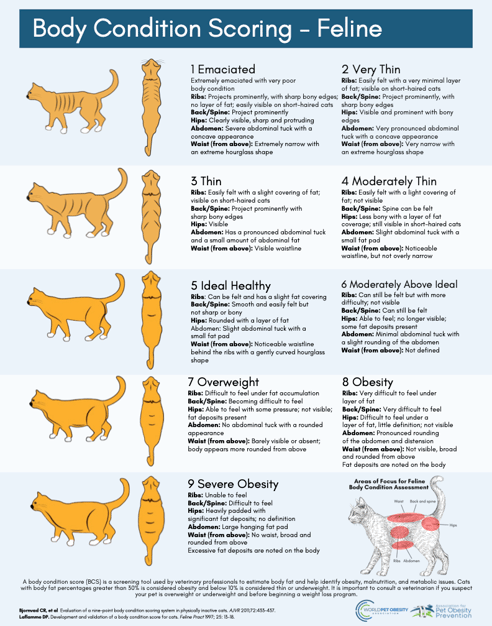
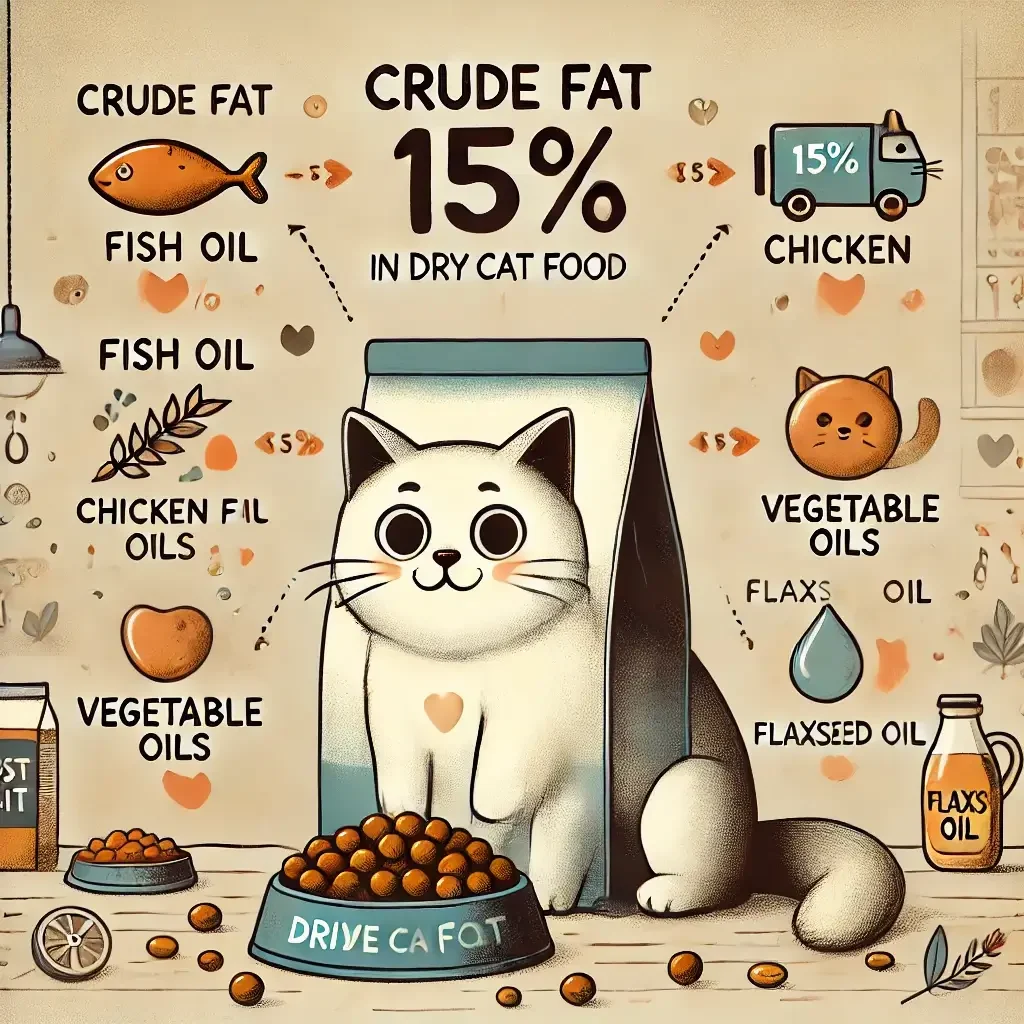
A balanced diet supports healthy skin and fur, making your cat less likely to over groom. Make sure your cat’s food contains essential fatty acids, vitamins, and minerals. Regular grooming sessions with gentle brushing also help remove loose fur and stimulate skin health, reducing irritation.
Monitoring Behavior Changes
Watch your cat’s habits closely for early signs of over grooming. Changes in energy levels, appetite, or social interaction can signal stress or discomfort. Keeping a simple journal of your cat’s behavior can help you spot patterns and act quickly before the grooming becomes a bigger problem.
Have you noticed your cat licking more after a change at home? Identifying these links can guide you to the right solution faster.
Credit: www.preventivevet.com
Frequently Asked Questions
What Are Common Signs Of Cat Over Grooming?
Common signs include bald patches, red or irritated skin, and frequent licking. Cats may also scratch excessively or develop scabs. Noticing these signs early helps prevent skin infections and promotes your cat’s health.
Why Do Cats Over Groom Themselves?
Cats over groom due to stress, allergies, parasites, or pain. It can also be a behavioral response to boredom. Identifying the cause is essential for effective treatment and to improve your cat’s well-being.
Can Over Grooming Cause Health Problems In Cats?
Yes, over grooming can cause skin infections, wounds, and hair loss. Persistent licking damages the skin barrier, increasing infection risk. Prompt veterinary care can prevent complications and ensure your cat’s comfort.
How Can I Stop My Cat From Over Grooming?
Reduce stress, provide enrichment, and check for allergies or parasites. Use calming products and consult your vet for medical treatment if needed. Early intervention helps restore your cat’s normal grooming habits.
Conclusion
Cats groom themselves to stay clean and healthy. Excessive grooming can cause skin problems and hair loss. Watch for signs like bald spots or redness on your cat’s skin. Stress or health issues often cause over grooming. Helping your cat feel safe and calm is important.
Visit a vet if grooming seems harmful or unusual. Early action keeps your cat happy and healthy. Trust your instincts and care for your pet well. Small changes can make a big difference for your cat.

Leave a Reply