
Are you thinking about bringing a new feline friend into your home? Choosing the right cat breed can make all the difference in your happiness and your pet’s well-being.
But with so many breeds out there, how do you find the perfect match for your lifestyle and personality? This guide will help you navigate the process of buying cat breeds, so you can make a confident choice that feels just right.
Stick with me, and you’ll discover simple steps to find a healthy, loving cat that fits your world perfectly.
Popular Cat Breeds
Choosing a cat breed is an exciting part of pet ownership. Popular cat breeds offer a range of personalities and looks. Each breed has unique traits that suit different lifestyles. Understanding these breeds helps you find the perfect feline friend.
Long-haired Cats
Long-haired cats have thick, flowing coats that require regular grooming. They often look elegant and soft. Breeds like the Persian and Maine Coon are well-loved for their beauty and gentle nature. These cats enjoy calm environments and lots of attention.
Short-haired Cats
Short-haired cats have sleek, easy-to-care-for coats. They are active and playful. Examples include the American Shorthair and the Siamese. These cats are great for busy homes because they need less grooming and are very social.
Hypoallergenic Options
Hypoallergenic cat breeds produce fewer allergens and suit allergy sufferers. The Sphynx and Balinese are popular choices. These cats reduce allergic reactions but still offer loving companionship. They need special care to stay healthy and happy.
Assessing Your Lifestyle
Choosing the right cat breed starts with knowing your lifestyle well. Different breeds need different care and space. Matching a cat’s needs with your daily life helps both of you live happily.
Think about your home, your daily routine, and health needs. These factors guide you to pick a cat that fits your life perfectly.
Space And Environment
Some cats need more room to roam and play. Small apartments may suit calm, indoor breeds better. Active cats enjoy space to explore and climb. Consider if you have safe outdoor access or large indoor areas. Quiet homes often fit shy or sensitive breeds best.
Time Commitment
Cats need daily attention and care. Some breeds require more grooming and interaction. Busy schedules might suit independent cats that enjoy alone time. Social breeds need regular play and companionship. Think about how much time you can give your new pet every day.
Allergies And Sensitivities
Allergies affect many people who want cats. Some breeds shed less and cause fewer reactions. Spending time with a cat before buying helps check for allergies. Clean your home often to reduce allergens. Know your body’s limits for a safe, happy pet experience.
Choosing Based On Personality
Choosing a cat breed by personality helps find the best match for your home. Personality affects daily life more than looks. Cats have different energy levels and social needs. Understanding these traits makes living with your cat easier and happier.
Active Vs. Calm Cats
Active cats love to play and explore. They need space and toys to stay busy. Calm cats prefer resting and quiet time. They enjoy sitting on laps and relaxing. Think about your lifestyle to choose the right energy level.
Social And Independent Traits
Social cats enjoy company and attention from people. They often follow owners around and want to play. Independent cats like spending time alone. They are happy with less interaction but still need care. Decide how much time you can give a cat.
Compatibility With Children And Pets
Some cat breeds tolerate children well. They are patient and gentle during play. Other cats prefer calm environments without noise. Pets in the house can affect a cat’s comfort. Choose a breed that fits your family’s dynamics.
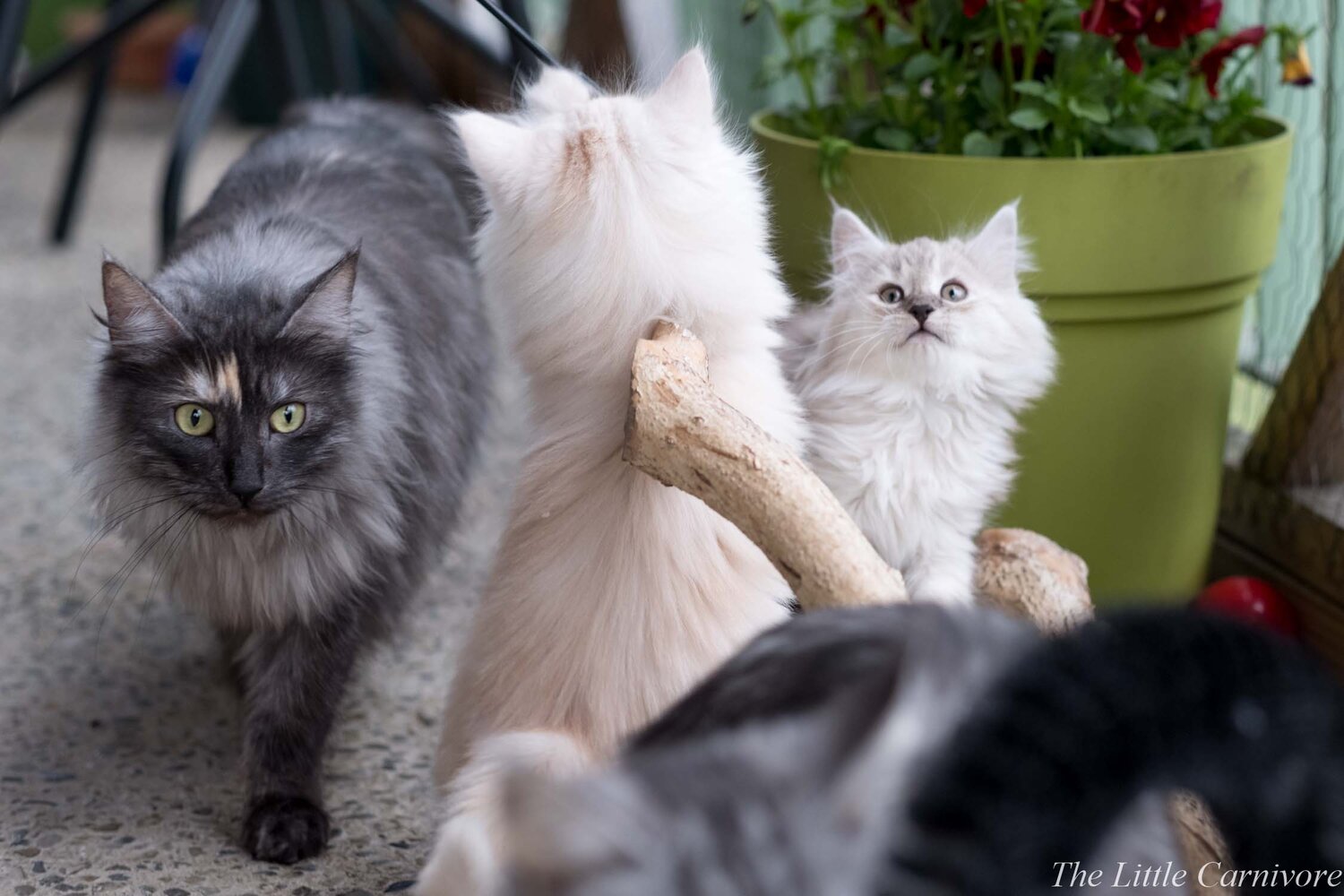
Credit: thelittlecarnivore.com
Where To Find Your Cat
Choosing a cat breed is an exciting journey. Once you decide on the breed, the next step is finding the perfect place to get your cat. You want to ensure a safe and ethical source. Here are some options to consider for finding your new feline friend.
Reputable Breeders
Seek out breeders with a strong reputation. They focus on health and temperament. Visit their facilities to see the conditions firsthand. Ensure they provide health guarantees and necessary vaccinations. It’s important to ask questions about the breed’s characteristics. This helps ensure you and your new cat are a good match.
Animal Shelters And Rescues
Shelters and rescues are great places to find cats. Many purebred cats are available for adoption. These organizations offer cats in need of loving homes. Adoption fees are often lower than buying from breeders. Plus, you’re giving a cat a second chance at life.
Online Marketplaces
Online platforms are popular for finding cats. Ensure the seller has positive reviews and provides detailed information. Verify the cat’s health records and vaccination status. Be cautious of scams or unethical sellers. It’s crucial to ask for recent photos and videos of the cat.
Questions To Ask Breeders
As you search for the perfect cat breed, asking the right questions to breeders can save you from future headaches and heartaches. These questions help you understand the health, history, and ethics behind the cats you consider bringing home. Knowing what to ask shows you care about the cat’s wellbeing and ensures you get a pet that fits your lifestyle.
Health And Genetic Testing
Ask breeders about the health screenings they perform on their cats. Do they test for breed-specific genetic conditions? Reliable breeders will provide clear proof of genetic testing, which reduces the risk of hereditary illnesses.
For instance, if you’re interested in a Maine Coon, ask if they’ve tested for hypertrophic cardiomyopathy (HCM). This condition is common in the breed and can be detected early through genetic screening. If the breeder avoids or cannot provide this info, consider it a red flag.
Vaccination And Medical History
Inquire about the vaccination status of the kittens and their parents. Have they received all necessary shots on schedule? A trustworthy breeder keeps detailed medical records and shares them openly.
Also, ask if the kittens have had any illnesses or treatments. This history will guide you on what to expect and how to care for your new pet. Don’t hesitate to ask for veterinary references to verify the information.
Breeding Practices
Find out how often the breeder’s cats have litters. Are the cats well cared for between pregnancies? Overbreeding can affect a cat’s health and temperament.
Ask about the socialization process. How are the kittens raised and exposed to people and environments? Kittens who are well-socialized tend to adapt better to new homes.
Have you ever wondered if your future pet was raised in a loving environment or just as a commodity? Asking these questions helps you support ethical breeders and avoid contributing to poor breeding practices.

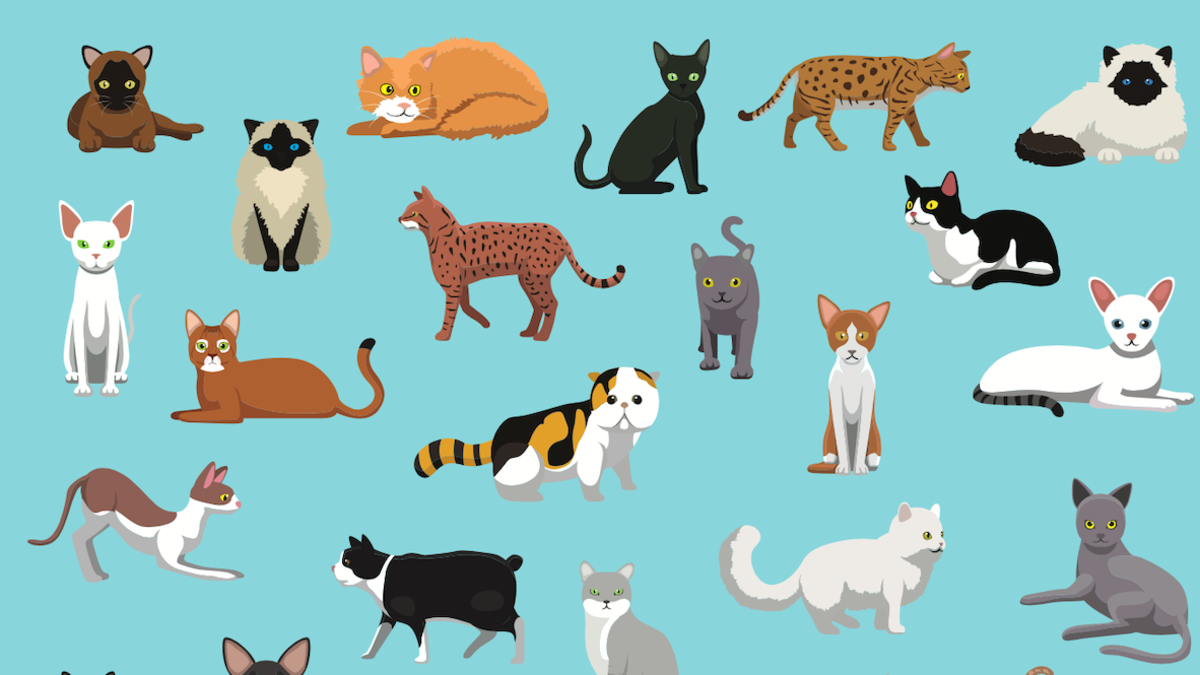
Credit: www.kittensup4sale.com
Preparing For Your Cat’s Arrival
Preparing for your cat’s arrival sets the stage for a smooth transition. Cats feel more comfortable in a calm, welcoming space. Preparing thoughtfully helps reduce stress and builds trust quickly. It also ensures your new pet’s safety and happiness from day one.
Essential Supplies
Gather all necessary supplies before your cat arrives. Start with a comfortable bed that fits your cat’s size. Provide food and water bowls made of stainless steel or ceramic. Choose high-quality cat food suitable for your cat’s age and breed.
- Litter box and cat litter
- Scratching post or pad
- Toys for play and exercise
- Grooming tools like brushes and nail clippers
- Carrier for safe transport
Having these ready helps your cat adjust quickly to the new home.
Creating A Safe Space
Designate a quiet room as a safe space for your cat. This space should have all essentials within easy reach. Keep it free from loud noises and other pets at first. Add soft bedding and familiar scents, like a blanket from the breeder or shelter.
Limit access to dangerous areas such as open windows or toxic plants. Cats explore slowly. A safe space lets them feel secure while they learn their surroundings.
Initial Vet Visit
Schedule a vet appointment soon after bringing your cat home. The vet will check overall health and give vaccines if needed. Discuss flea control, diet, and microchipping during this visit.
Bring any medical records from the breeder or shelter. This helps the vet understand your cat’s history. Early vet care prevents illness and builds a strong start to pet ownership.

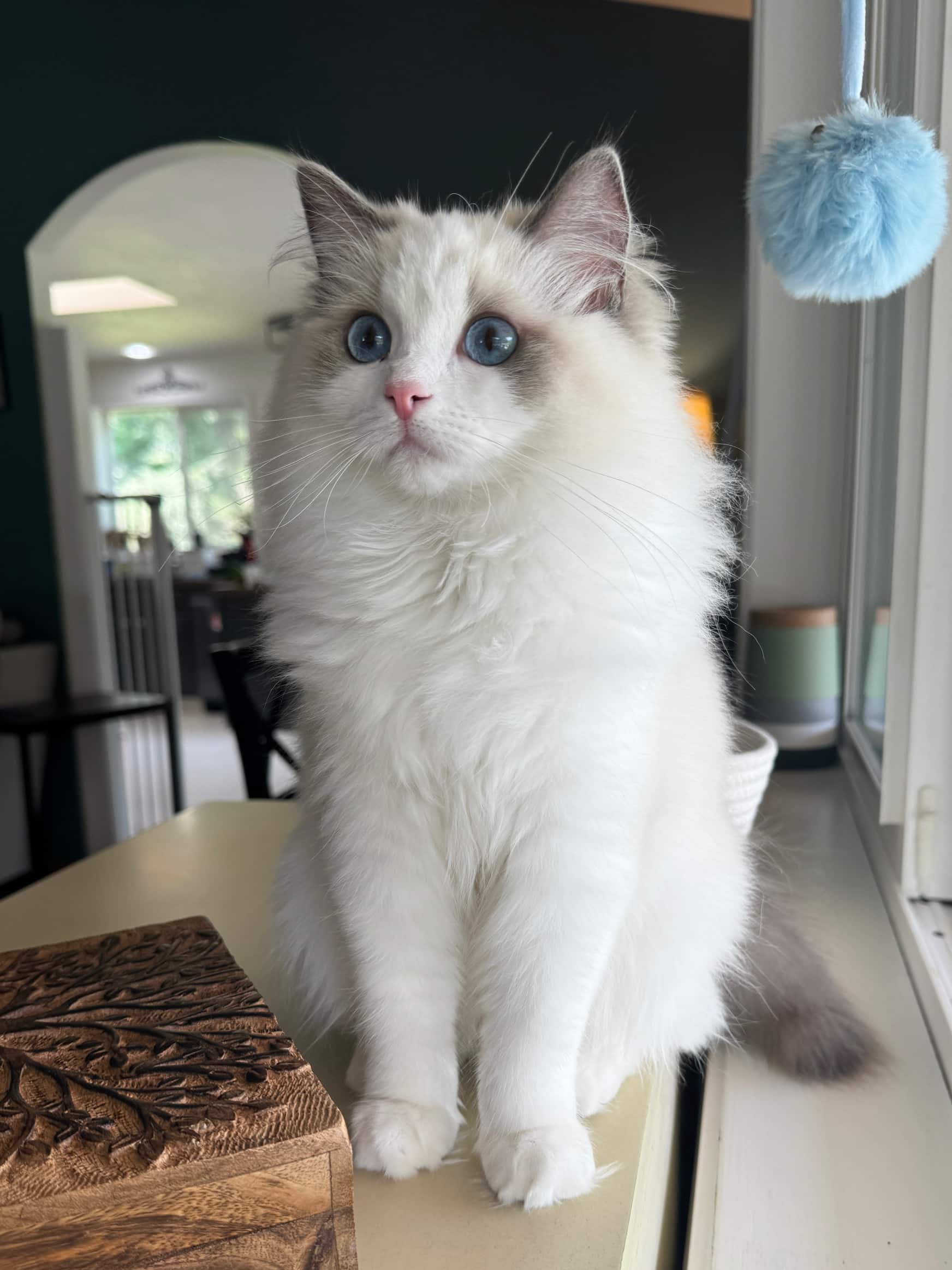
Credit: www.kittensup4sale.com
Frequently Asked Questions
What Are The Best Cat Breeds For First-time Owners?
Siamese, Ragdoll, and Maine Coon are ideal for beginners. They are friendly, easy to train, and adapt well to homes. These breeds require moderate grooming and enjoy social interaction, making them perfect for new cat owners seeking affectionate pets.
How To Choose A Healthy Cat Breed?
Look for clear eyes, clean ears, and a shiny coat. Healthy cats are active, alert, and have a good appetite. Always buy from reputable breeders or shelters that provide health certificates and vaccinations to ensure your cat’s well-being.
Where Can I Buy Purebred Cats Safely?
Buy from registered breeders, rescue organizations, or reputable shelters. Verify breeder credentials and ask for health guarantees. Avoid buying from pet stores or unverified online sellers to reduce risks of health issues and unethical practices.
What Costs Are Involved In Buying Cat Breeds?
Expect to pay for the cat, vaccinations, spaying/neutering, and initial vet visits. Purebred cats often cost more due to pedigree and care. Budget for food, toys, and grooming supplies to ensure a happy, healthy pet.
Conclusion
Choosing the right cat breed takes time and care. Think about your home, lifestyle, and budget. Visit breeders or shelters to meet cats in person. Ask questions about health and behavior. Remember, a cat is a long-term friend. Happy cats make happy homes.
Take your time and enjoy the process. Your perfect cat is waiting for you.


Leave a Reply