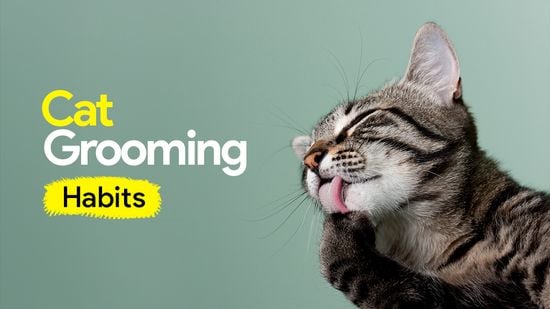
Have you ever watched your cat spend what feels like hours licking its fur and wondered, “How much do cats groom a day?” Your feline friend’s grooming habits aren’t just about staying clean—they reveal a lot about their health and mood.
Understanding how often and why your cat grooms can help you spot any hidden problems early on. Keep reading to discover surprising facts about your cat’s daily grooming routine and what it means for their well-being. You’ll never look at your furry companion’s grooming sessions the same way again!

Credit: services.petsmart.com
Daily Grooming Habits
Cats spend a good part of their day grooming themselves. This habit keeps their fur clean and healthy. Grooming also helps cats relax and feel comfortable. It is an important part of their daily routine. Understanding their grooming habits helps owners care for their pets better.
Average Grooming Time
Cats groom themselves for about 30% to 50% of their waking hours. This means they can spend 2 to 5 hours each day licking their fur. Grooming is not done all at once. Instead, cats take short breaks and groom several times a day. The exact time depends on the cat’s age, health, and personality.
Common Grooming Behaviors
- Licking their fur to remove dirt and loose hair.
- Biting or nibbling to remove tangles or mats.
- Using their paws to clean hard-to-reach areas.
- Rubbing their face and head with their paws.
- Stretching and twisting to reach different body parts.
- Cleaning their whiskers and ears carefully.
These behaviors keep cats clean and comfortable every day. Grooming also helps cats cool down and reduce stress. Watching these habits gives clues about a cat’s health and mood.

Credit: www.purina.com
Reasons Cats Groom So Much
Cats spend a surprising amount of time grooming themselves each day, and there are several important reasons behind this behavior. Grooming is more than just keeping their fur neat—it serves critical functions for their health and well-being. Understanding why your cat grooms so much can help you recognize their needs and support their natural habits.
Hygiene And Cleanliness
Cats groom to keep their fur clean from dirt, dust, and parasites. This behavior helps remove loose hair and prevents matting, which can cause discomfort. If you’ve ever noticed your cat licking repeatedly after coming inside, they’re likely cleaning off outdoor debris or scents.
Have you ever seen your cat stop grooming suddenly? It might be a sign of skin irritation or health problems, so keeping an eye on their grooming routine can alert you to issues early.
Temperature Regulation
Grooming helps cats control their body temperature. When cats lick their fur, the saliva evaporates, which cools them down, much like sweating in humans. This is especially important during hot weather or after physical activity.
Conversely, in colder conditions, cats fluff their fur through grooming to trap warm air close to their bodies. This simple act helps maintain a comfortable temperature without extra energy use.
Stress Relief
Grooming acts as a coping mechanism for cats under stress or anxiety. You might notice your cat groom more intensely when they’re feeling nervous or after a stressful event, like a visit to the vet. This behavior releases calming endorphins, helping them feel more relaxed.
Next time your cat starts licking themselves excessively, consider if something in their environment has changed. Could it be a new pet, loud noises, or unfamiliar visitors? Addressing these stressors can reduce over-grooming and improve their comfort.
Factors Affecting Grooming Frequency
Cat grooming frequency depends on age, health, and coat type. Stress and environment also play key roles in how often cats clean themselves.
Understanding how much cats groom daily requires considering several factors. Cats are known for their meticulous grooming habits, often spending hours preening themselves. But why does one cat seem to groom more than another? Let’s explore the factors that affect grooming frequency.Age And Health
Kittens and older cats have different grooming needs. Young kittens might groom less, relying more on their mothers for cleanliness. As they age, healthy adult cats typically groom frequently. However, health issues can alter grooming habits. A cat feeling unwell may neglect grooming, while others might over-groom due to stress or allergies. Have you noticed any changes in your cat’s grooming routine lately?Breed Differences
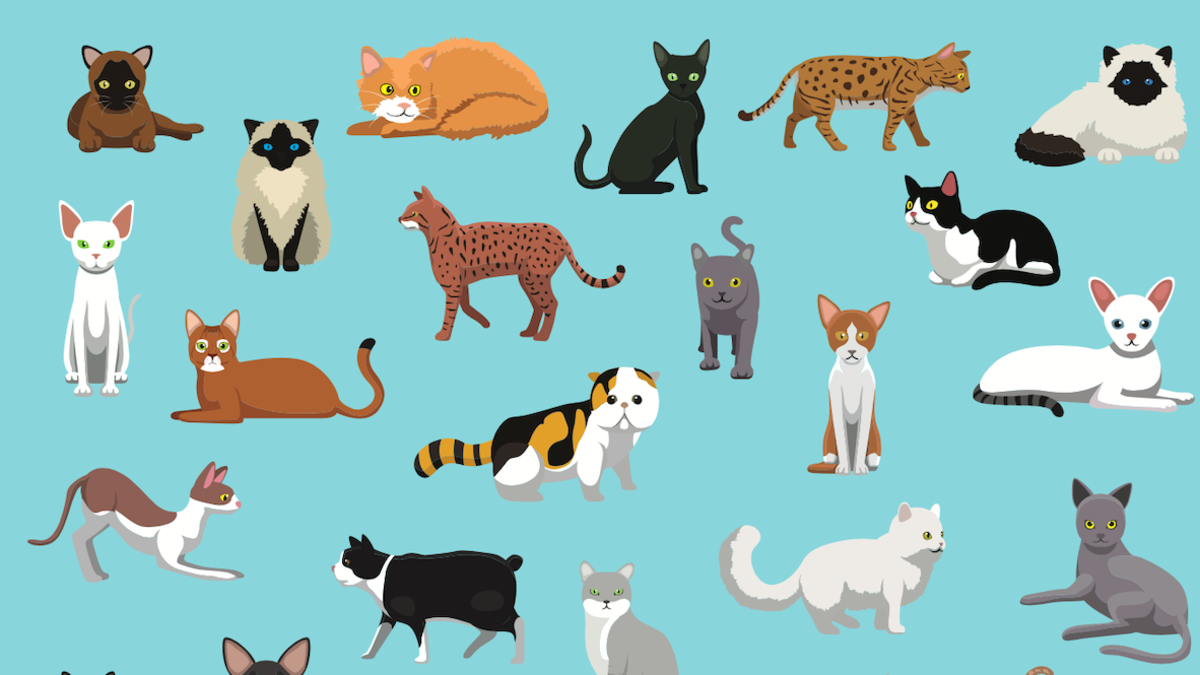
Not all cats are created equal when it comes to grooming. Long-haired breeds like the Persian or Maine Coon may need more grooming time. Their luscious locks require extra attention, both from themselves and you. On the other hand, short-haired breeds might spend less time grooming, but they still need regular maintenance. It’s essential to recognize your cat’s breed-specific needs to keep them looking their best.Environmental Influences
Your cat’s environment plays a crucial role in grooming habits. Cats in a clean, calm home might groom less aggressively. In contrast, those exposed to outdoor elements could spend more time cleaning dirt and debris from their fur. Stressful environments can also lead to excessive grooming as a coping mechanism. Have you noticed your cat grooming more when there are changes at home? Understanding these environmental factors can help you maintain your cat’s grooming routine. By paying attention to these factors, you can ensure your feline friend is not only clean but also comfortable and content.
Credit: alicias-petcare.com
Grooming And Cat Health
Grooming plays a vital role in a cat’s health. Cats spend a good part of their day cleaning themselves. This behavior keeps their fur clean and skin healthy. Grooming also helps control body temperature and reduces stress. While regular grooming is healthy, too much can signal problems. Watching your cat’s grooming habits can reveal much about their well-being.
Signs Of Overgrooming
Overgrooming happens when cats lick or bite their skin too much. This can cause bald spots or red, irritated skin. Watch for these signs:
- Hair loss in patches
- Red or swollen skin
- Scabs or sores
- Excessive licking or chewing
- Restlessness or irritability
Overgrooming can result from stress, allergies, or pain. Early detection helps prevent serious skin damage.
Grooming-related Skin Issues
Too much grooming can cause several skin problems. These include:
- Hot spots: painful, moist, and inflamed areas
- Dermatitis: skin inflammation from constant licking
- Infections: bacterial or fungal infections in damaged skin
- Hairballs: caused by swallowing excess fur
Good grooming keeps skin healthy but watch for signs of damage. Consult a vet if skin problems appear.
How To Help Your Cat Groom
Cats spend a lot of time grooming themselves daily. Sometimes, they need a little help. Helping your cat groom keeps their coat clean and healthy. It also strengthens your bond and lets you check their skin for problems. Use gentle care and patience to make grooming a positive time.
Brushing Techniques
Choose a brush that fits your cat’s fur type. Short-haired cats need a soft bristle brush. Long-haired cats need a wide-tooth comb or slicker brush. Brush in the direction of hair growth to avoid pain. Use short, gentle strokes. Pay attention to areas behind the ears and under the legs. Brush regularly to prevent mats and remove loose fur.
Bathing Tips
Bathing cats is not always needed, but sometimes helps. Use warm water and cat-safe shampoo only. Keep the water level low to avoid stress. Wet your cat slowly and speak softly to calm them. Rinse thoroughly to remove all shampoo. Dry your cat with a towel in a warm room. Avoid using a hairdryer unless your cat accepts it calmly.
When To Consult A Vet
Look for signs of grooming problems. These include bald spots, scabs, or constant scratching. A cat that stops grooming may have pain or illness. Skin infections or parasites need professional treatment. Visit a vet if your cat’s coat looks dull or greasy. Early care helps keep your cat comfortable and healthy.
Frequently Asked Questions
How Many Hours Do Cats Groom Daily?
Cats typically groom themselves for 30 minutes to 2 hours each day. Grooming helps them stay clean and regulate body temperature. It also reduces stress and strengthens their bond with other cats.
Why Do Cats Groom Themselves So Often?
Cats groom frequently to remove dirt and loose fur. It controls parasites and spreads natural oils on their coat. Grooming also helps cats feel calm and reduces anxiety.
Does Grooming Time Vary By Cat Breed?
Yes, grooming time varies by breed. Long-haired cats spend more time grooming to prevent mats. Short-haired cats groom less but still maintain cleanliness.
Can Excessive Grooming Indicate Health Problems?
Excessive grooming can signal stress, allergies, or skin issues. If your cat grooms obsessively, consult a vet to rule out health problems.
Conclusion
Cats spend a good part of their day grooming themselves. This habit keeps their fur clean and healthy. Grooming also helps cats relax and feel safe. You can see how important this behavior is for them. Knowing how much cats groom helps you understand their needs better.
Keep an eye on their grooming habits to spot any changes. Healthy grooming means a happy cat. Simple care and attention support their natural behavior. Every cat is unique, but grooming is always a key part of their day.


Leave a Reply