Are you wondering exactly how much cat food your adult male cat needs each day? Feeding your feline the right amount is more important than you might think.
Too little food can leave him hungry and restless, while too much can lead to weight gain and health problems. You’ll discover simple, practical tips to get your cat’s diet just right. Keep reading to learn how to keep your furry friend happy, healthy, and full of energy.
Credit: www.chewy.com
Daily Calorie Needs
Understanding your adult male cat’s daily calorie needs is key to keeping him healthy and energetic. Cats don’t eat just to fill their stomachs; they eat to fuel their bodies. Knowing how many calories he requires helps you avoid overfeeding or underfeeding, both of which can lead to health issues.
Factors Affecting Calorie Requirements
Several factors influence how many calories your cat needs each day. His activity level plays a big role—active cats burn more energy and need more calories.
Age is another factor; younger adult cats tend to be more energetic, while older cats may need fewer calories. Weight also matters—overweight cats require fewer calories to maintain their weight, while underweight cats need more to gain healthfully.
Health status can affect calorie needs as well. Cats with certain medical conditions might need adjustments in their diet. Have you noticed any changes in your cat’s activity or weight lately? That’s a good time to reassess his calorie intake.
Average Calorie Intake For Adult Males
On average, an adult male cat needs around 200 to 300 calories per day. This range varies depending on the factors mentioned earlier.
| Cat’s Weight | Approximate Daily Calories Needed |
|---|---|
| 8 lbs (3.6 kg) | 180 – 220 calories |
| 10 lbs (4.5 kg) | 220 – 260 calories |
| 12 lbs (5.4 kg) | 260 – 300 calories |
Remember, these numbers are just a starting point. Tracking your cat’s weight and energy levels helps you adjust portions accordingly. Have you tried measuring your cat’s food to see if it matches these calorie needs? Small changes can make a big difference in his health.
Types Of Cat Food
Choosing the right type of food for your adult male cat is essential to keep him healthy and satisfied. Different types of cat food offer various benefits, and understanding their portions can help you feed your feline friend just the right amount. Let’s break down the common options and how much your cat might need.
Dry Food Portions
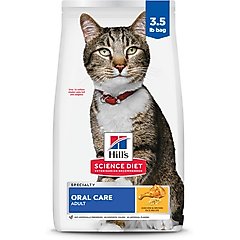
Dry food is convenient and easy to store. Most adult male cats need around 1/3 to 1/2 cup of dry food per day, but this depends on the calorie content and your cat’s activity level.
Check the packaging for specific feeding guidelines. If your cat is very active, you might need to adjust the amount upward slightly. Make sure fresh water is always available since dry food has low moisture.
Wet Food Portions
Wet food contains more moisture, which helps with hydration and can be more appealing to picky eaters. Typically, an adult male cat requires about 5.5 to 6 ounces of wet food daily.
Feeding smaller, multiple portions can prevent waste and keep your cat interested. Wet food often has higher protein and fat content, so watch the calorie intake to avoid overfeeding.
Mixing Wet And Dry Food
Combining wet and dry food gives the best of both worlds—hydration from wet food and the dental benefits of dry food. A common approach is to feed half the daily calories from wet food and half from dry.
This mix can be adjusted based on your cat’s preferences and health needs. Have you noticed your cat favoring one type over the other? Use that as a guide to balance their diet while ensuring total daily calorie needs are met.
Adjusting Food Amounts
Adult male cats usually need about 200 to 300 calories daily, depending on activity and size. Adjust food amounts based on your cat’s weight and energy levels. Watching your cat’s body condition helps keep feeding amounts just right.
Adjusting the amount of food your adult male cat needs can feel like a balancing act. It’s crucial to consider various factors that influence his dietary needs. Understanding these can help you keep your furry friend healthy and happy. Let’s explore how different aspects can impact his food consumption.Activity Level Impact
A cat’s activity level plays a significant role in determining how much food he requires. An active cat that loves to leap, chase, and explore will naturally burn more calories. This means he will need more food to maintain his energy levels. Conversely, a more sedentary cat may need less food to avoid unnecessary weight gain. Observe your cat’s daily routine. Does he spend more time lounging than playing? Adjust his portions accordingly to match his lifestyle.Health Conditions And Weight
Health conditions can greatly influence your cat’s dietary needs. For instance, a cat with hyperthyroidism may need more calories, while one with diabetes may require a specialized diet. It’s essential to consult with your vet to tailor your cat’s food intake based on any health issues. Weight management is another critical aspect. Is your cat underweight or overweight? Regularly weigh your cat and adjust his food to help reach an ideal weight. Remember, maintaining a healthy weight can prevent numerous health issues down the road.Age And Metabolism Changes
As cats age, their metabolism can slow down. An older cat might not need as many calories as he did when he was younger. This change means you should adjust his food intake to prevent weight gain. On the flip side, some senior cats may experience muscle loss and require more protein. Pay close attention to how your cat’s body changes over time. Is his energy waning, or is he still sprightly? These observations can guide you in fine-tuning his diet as he ages.Feeding Schedules
Feeding schedules play a crucial role in managing how much cat food an adult male cat needs. Establishing a routine helps control portion sizes and prevents overeating. You’ll find that a consistent schedule also supports your cat’s digestion and overall health.
Meal Frequency
Adult male cats usually do well with two meals a day—morning and evening. This frequency matches their natural hunting behavior, where they catch multiple small meals throughout the day. Feeding twice a day helps you monitor their intake and notice any changes in appetite quickly.
Some cats may prefer smaller, more frequent meals, especially if they have health issues or high energy levels. You can divide their daily portion into three or four smaller meals. Just keep the total amount consistent to avoid weight gain.
Free Feeding Vs. Scheduled Meals
Free feeding means leaving food out all day for your cat to eat whenever they want. While this approach seems convenient, it often leads to overeating and weight problems in adult male cats. You might notice your cat grazing constantly without feeling truly full.
Scheduled meals give you control over portion sizes and feeding times. This method encourages your cat to eat at specific times and helps create a predictable routine. Have you tried switching from free feeding to scheduled meals? Many cat owners see a positive change in their pet’s weight and energy levels.
If you prefer free feeding, consider using a timed feeder. It dispenses controlled portions throughout the day, combining convenience with portion control. This way, your cat gets the benefit of multiple small meals without the risk of overeating.
Monitoring Your Cat’s Weight
Monitoring your cat’s weight is key to keeping him healthy and happy. Weight changes can show if your cat is eating the right amount. Regular checks help catch problems early. A balanced diet supports energy, coat health, and overall wellness.
Signs Of Overfeeding
- Noticeable weight gain over a short time
- Fat deposits around the belly and chest
- Difficulty feeling ribs when touching
- Less activity or reluctance to play
- Breathing faster or heavier than normal
Signs Of Underfeeding
- Visible bones, especially ribs and spine
- Loss of muscle tone or weakness
- Low energy and less interest in activities
- Dull or patchy fur coat
- Increased hunger or begging for food
Tips For Transitioning Food
Changing your adult male cat’s food needs care and patience. Sudden shifts can upset your cat’s stomach or cause refusal to eat. Taking the right steps helps your cat adjust comfortably to new food.
Gradual Changes
Start by mixing a small amount of new food with the old food. Slowly increase the new food portion over 7 to 10 days. Watch your cat’s reaction to the new flavor and texture. Keep the feeding routine consistent to reduce stress. Gradual change helps your cat accept the new food easily.
Avoiding Digestive Issues
Introduce new food in small amounts to prevent stomach upset. Monitor your cat’s litter box for changes in stool or diarrhea. Stop the transition if vomiting or severe diarrhea occurs. Consult a vet if digestive problems persist. Offer fresh water to keep your cat hydrated during the change.
Common Feeding Mistakes
Feeding your adult male cat might seem straightforward, but there are common mistakes that can affect his health and happiness. These errors often happen without you realizing it, leading to overfeeding or poor nutrition. Knowing what to avoid can help you provide the right amount of food and maintain your cat’s wellbeing.
Overfeeding Treats
Treats are a fun way to reward your cat, but too many can cause serious problems. It’s easy to think that small bits won’t add up, yet they can quickly increase your cat’s calorie intake.
Consider this: if you give your cat several small treats daily, those calories might equal a full meal. This can lead to weight gain and reduce his appetite for balanced meals. Try measuring treats and limit them to no more than 10% of your cat’s daily calories.
Ignoring Nutritional Balance
Not all cat foods provide the same nutrients, and feeding only one type without variety can cause deficiencies. Cats need a balance of protein, fats, vitamins, and minerals to stay healthy.
Relying on cheap or low-quality food might seem convenient, but it often lacks essential nutrients. Have you checked if your cat’s food meets AAFCO standards for complete nutrition? Mixing wet and dry food can help, but always ensure the overall diet is balanced.

Credit: www.purina.com
Credit: pethelpful.com
Frequently Asked Questions
How Much Food Should An Adult Male Cat Eat Daily?
An adult male cat typically needs 200 to 300 calories daily. This equals about ½ to ¾ cup of dry cat food or a portion of wet food. Always adjust based on activity and health status.
Does Activity Level Affect Cat Food Quantity?
Yes, more active cats require more calories. Less active or indoor cats need less food to avoid weight gain. Monitor your cat’s weight and adjust portions accordingly.
How Often Should I Feed My Adult Male Cat?
Feeding adult cats twice a day is ideal. This keeps their metabolism steady and prevents overeating. Some owners prefer free-feeding with measured portions, but scheduled meals are best.
Can Overfeeding Harm My Adult Male Cat?
Overfeeding can lead to obesity and health issues like diabetes. It’s important to follow feeding guidelines and consult your vet for tailored advice.
Conclusion
Feeding an adult male cat the right amount matters a lot. Too much food can cause weight gain. Too little may lead to health problems. Watch your cat’s weight and energy daily. Adjust food based on his activity and age.
Choose good quality food that fits his needs. Regular vet visits help keep him healthy. Feeding well shows you care for your cat’s happiness. Keep learning about his diet to give the best care. Simple steps make a big difference in his life.



Leave a Reply