Have you ever wondered just how many cat breeds exist around the world? If you’re a cat lover, knowing about the different types can spark your curiosity and deepen your connection with these fascinating creatures.
Whether you’re thinking about adding a furry friend to your home or simply want to impress others with your knowledge, this article will reveal the surprising number of cat breeds and what makes each one unique. Keep reading to discover which cats might be the perfect match for you!
Global Cat Breed Count
The global count of cat breeds shows the diversity of feline companions worldwide. Cats come in many shapes, sizes, and colors. Each breed has unique traits and history. Understanding the number of breeds helps cat lovers appreciate this variety.
Breed recognition varies by organization and region. Some breeds gain official status faster than others. New breeds continue to appear as breeders develop new traits. This section explores recognized and rare cat breeds globally.
Recognized Breeds By Major Associations
Major cat associations officially recognize many breeds. The International Cat Association (TICA) lists over 70 breeds. The Cat Fanciers’ Association (CFA) recognizes around 44 breeds. Each organization has specific standards for breed acceptance.
Recognized breeds include popular types like:
- Siamese
- Maine Coon
- Persian
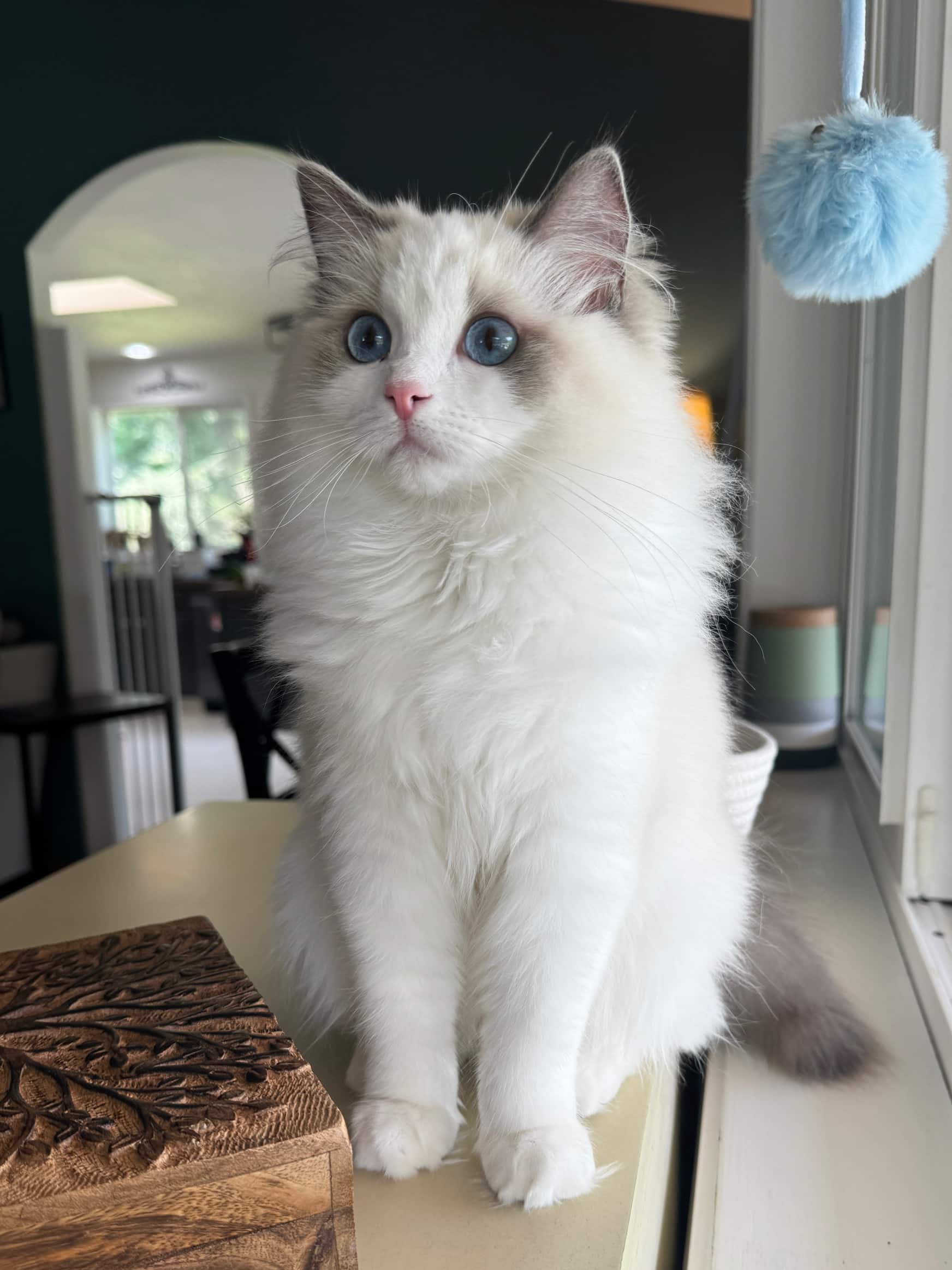
- Ragdoll
- Bengal
Recognition means the breed meets strict criteria. These include appearance, behavior, and health standards. Recognized breeds often have active breeder communities and cat shows.
Emerging And Rare Breeds
Emerging breeds are new or not widely recognized yet. Breeders develop these cats to create new looks or traits. Some rare breeds exist only in small numbers worldwide.
Examples of emerging and rare breeds include:
- Kurilian Bobtail
- Serengeti
- Peterbald
- American Wirehair
- Chausie
Rare breeds often have unique features. They may have unusual fur patterns or body shapes. These cats attract enthusiasts seeking something different.

Credit: www.ebay.com
Popular Cat Breeds Worldwide
Cat breeds come in a fascinating variety, each with unique traits that appeal to different personalities and lifestyles. Whether you prefer a playful companion or a calm lap cat, knowing which breeds are popular worldwide can help you find the perfect match. Let’s look at some of the most beloved domestic and exotic cat breeds you might encounter.
Top Domestic Breeds
Domestic cats are often the heart of many homes, known for their friendly and adaptable nature. The American Shorthairis a classic choice, admired for its easygoing temperament and striking coat patterns. If you want a cat that’s both affectionate and playful, the British Shorthairmight be your ideal companion, with its plush fur and calm demeanor.
Don’t overlook the Scottish Fold, famous for its unique folded ears and charming personality. These cats easily fit into family life and love being part of daily activities. Have you noticed how some breeds seem to understand your mood better than others?
- American Shorthair: adaptable and friendly
- British Shorthair: calm and plush-coated
- Scottish Fold: distinctive ears and affectionate
Famous Exotic Breeds
Exotic breeds offer something a bit different, often with striking looks and distinctive features. The Sphynxis instantly recognizable by its hairless body and warm skin, which feels surprisingly soft to the touch. If you’re curious about a breed that stands out in a crowd, the Sphynx invites you to explore a new kind of cat companionship.
The Bengalis another exotic favorite, resembling a miniature leopard with its spotted coat. Bengals are energetic and intelligent, perfect if you want a cat that keeps you on your toes. Ever thought about how a cat’s energy level matches your own daily rhythm?
- Sphynx: hairless and affectionate
- Bengal: active and leopard-like
- Persian: luxurious coat and calm nature
Breed Classification Methods
Breed classification methods group cats by traits like size, coat, and origin. Different systems count breeds in various ways, causing numbers to vary worldwide. Understanding these methods helps clarify how many cat breeds truly exist.
Understanding the multitude of cat breeds in the world can be fascinating yet complex. Breed classification methods provide a structured approach to this diversity. By examining various traits, behaviors, and genetic backgrounds, we can better appreciate each breed’s unique attributes.Physical Traits
Physical traits are often the first noticeable difference between cat breeds. This includes coat length, color patterns, and body size. For instance, the sleek and slender Siamese contrasts sharply with the robust and fluffy Maine Coon. These traits are not just superficial; they can influence a cat’s adaptability to different environments. A cat with a thick coat may thrive in colder climates, while a shorter-haired breed might be more comfortable in warmer areas. Such physical differences can also affect grooming needs. A Persian cat’s luxurious fur requires regular brushing, while a short-haired tabby might need less maintenance.Behavioral Characteristics
Behavioral characteristics offer another lens to classify cat breeds. Some cats are known for their social nature, like the affectionate Ragdoll. Others, like the independent Russian Blue, might prefer solitary play. These behaviors can significantly impact your daily interactions with your pet. A highly social breed may constantly seek your attention, while a more reserved cat might be content with occasional playtime. Understanding these behavioral traits can help you choose a breed that complements your lifestyle. Do you want a playful companion or a more laid-back feline friend?Genetic Lineage
Genetic lineage delves into the ancestry of cat breeds. This method traces the origins and breeding history to understand how certain traits have been passed down. For example, the Bengal cat’s lineage includes wild ancestors, which contributes to its distinctive spotted coat and energetic behavior. Meanwhile, the Sphynx’s lack of fur is a result of selective breeding practices. Exploring a breed’s genetic background can reveal insights into potential health issues. Some breeds may be predisposed to specific conditions, making it crucial to be informed about your cat’s genetic history. By examining physical traits, behavioral characteristics, and genetic lineage, you can gain a comprehensive understanding of the diverse world of cat breeds. Each method offers unique insights, helping you appreciate the rich tapestry of feline diversity.
Credit: www.thewildlifediaries.com
Factors Affecting Breed Recognition
Breed recognition varies widely due to several key factors. These factors influence how many cat breeds are officially counted worldwide. Understanding them helps explain why breed lists differ among cat associations.
Recognition depends on local culture, breeding history, and official rules. Different groups may accept or reject certain breeds. Some breeds may be common in one region but unknown elsewhere. This causes confusion about the total number of cat breeds globally.
Regional Preferences
Different parts of the world favor certain cat breeds. These preferences shape which breeds gain popularity and recognition.
- Some breeds are native to specific countries and rarely seen outside.
- Local breeders may focus on cats suited to their climate and lifestyle.
- Cultural values influence the traits people admire in cats.
- Popular breeds in one region may not be recognized in another.
For example, the American Shorthair is highly valued in the USA but less known in Europe. Meanwhile, the Siberian cat is popular in Russia but less common elsewhere.
Breed Standards Variations
Cat associations set breed standards to define each breed’s traits. These standards differ between organizations.
- Some groups accept more breeds than others.
- Standards include size, color, coat type, and personality traits.
- Variations in these standards cause some breeds to be split or merged.
- New breeds may not be officially recognized due to strict criteria.
For example, the World Cat Federation recognizes more breeds than The International Cat Association. This affects the total count of recognized breeds worldwide.
Trends In Cat Breeding
Cat breeding has evolved significantly over the years, reflecting changing interests and advances in science. Breeders and enthusiasts constantly seek to introduce new traits while preserving the health and uniqueness of each breed. Understanding these trends gives you a clearer picture of how the diversity of cat breeds continues to grow worldwide.
New Breed Developments
New cat breeds often emerge from dedicated breeders who notice unique traits in certain cats and decide to develop them further. These developments can come from crossbreeding existing breeds or from naturally occurring mutations that catch a breeder’s eye.
For example, the Lykoi, also known as the “werewolf cat,” became recognized recently due to its unusual coat pattern and distinct appearance. Breeders worked carefully to establish this breed, showing how fresh ideas can add to the cat world.
Are you curious how a new breed might fit into your home? Pay attention to the breed’s temperament and health needs, not just its looks. This ensures a happy match for both you and your cat.
Impact Of Genetic Research
Genetic research plays a big role in shaping modern cat breeding. It helps breeders identify hereditary health issues early and avoid passing them on, which improves the overall well-being of future cats.
Tools like DNA testing allow you to understand your cat’s background better and make informed decisions when choosing a new pet. This science also helps preserve rare breeds by maintaining their genetic diversity.
Think about the last time you learned something new about your pet’s health. How did that change your care routine? Genetic insights can do the same, giving you more control and confidence in raising a healthy cat.
How To Identify Cat Breeds
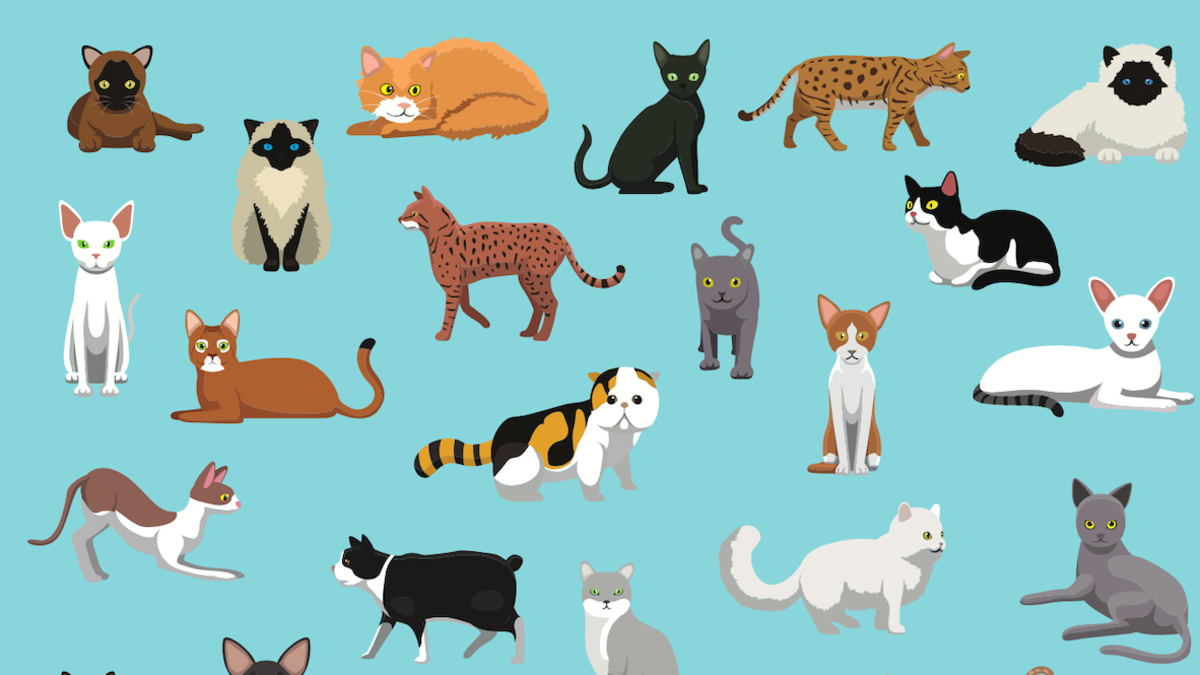
Identifying cat breeds can feel like solving a fun puzzle. Each breed has unique traits, but some cats share similar looks, making it tricky to tell them apart. Understanding how to spot these differences helps you appreciate your feline friend even more.
Visual Identification Tips
Start by observing your cat’s size and body shape. Some breeds, like the Maine Coon, are large and muscular, while others, such as the Siamese, are slender and elegant.
Look at the coat pattern and texture. Is it short, long, curly, or dense? For example, the Persian has long, fluffy fur, whereas the Bengal has a distinctive spotted or marbled pattern.
Don’t forget eye color and shape. Blue almond-shaped eyes often point to breeds like the Siamese, while round, copper eyes might indicate a British Shorthair.
Pay attention to ear shape and placement too. Scottish Folds have unique folded ears, making them instantly recognizable.
Can you spot these traits in your cat? Writing down what you see can help you compare with breed descriptions online or in books.
Using Dna Testing
Visual clues are helpful but not always accurate. DNA testing offers a clear answer by analyzing your cat’s genetic makeup.
These tests can reveal a mix of breeds, especially if your cat is a rescue or a mixed breed. They also provide health insights related to specific breeds.
To use DNA testing, you simply collect a small saliva sample from your cat and send it to a lab. Results usually arrive in a few weeks, giving you a detailed breed breakdown.
Have you ever wondered what secrets your cat’s DNA might hold? This approach can satisfy your curiosity and help you provide better care based on breed-specific needs.
Credit: paradepets.com
Frequently Asked Questions
How Many Cat Breeds Exist Worldwide?
There are approximately 70 to 75 recognized cat breeds worldwide. Different cat registries may list slightly varying numbers based on breed standards and recognition criteria.
Which Organization Defines Official Cat Breeds?
The International Cat Association (TICA) and the Cat Fanciers’ Association (CFA) are leading bodies that officially recognize and define cat breeds globally.
Are New Cat Breeds Still Being Developed?
Yes, new cat breeds are continuously developed through selective breeding. Breeders aim to create distinct traits while maintaining health and temperament.
What Is The Most Popular Cat Breed Globally?
The Persian cat is among the most popular breeds worldwide, known for its long fur and calm personality.
Conclusion
There are many cat breeds worldwide, each with unique traits. Some breeds are well-known, while others remain rare. Cat lovers enjoy exploring different breeds and their stories. Each cat breed adds charm and diversity to the pet world. Knowing the number of breeds helps people appreciate cats more.
Choosing the right breed can bring joy and companionship. Cats continue to be beloved pets across the globe. The variety of breeds shows how special and varied cats truly are.


Leave a Reply