If you’re thinking about breeding your Ragdoll cat, one question probably stands out: how long should you actually breed her? Getting this right is crucial—not just for the health of your cat, but for the quality of her kittens too.
Breeding for too long or too short can lead to serious problems you don’t want to face. You’ll discover the key factors that decide the ideal breeding timeline for your Ragdoll, helping you make informed choices that protect your beloved pet and ensure happy, healthy litters.
Keep reading to learn what every responsible Ragdoll breeder needs to know.

Credit: vetslovepets.com.au
Ragdoll Cat Breeding Basics
Breeding Ragdoll cats requires a clear understanding of their basics. Knowing the breed’s traits and the purpose behind breeding helps ensure healthy, happy kittens. This section covers key points every breeder should know.
Breed Characteristics
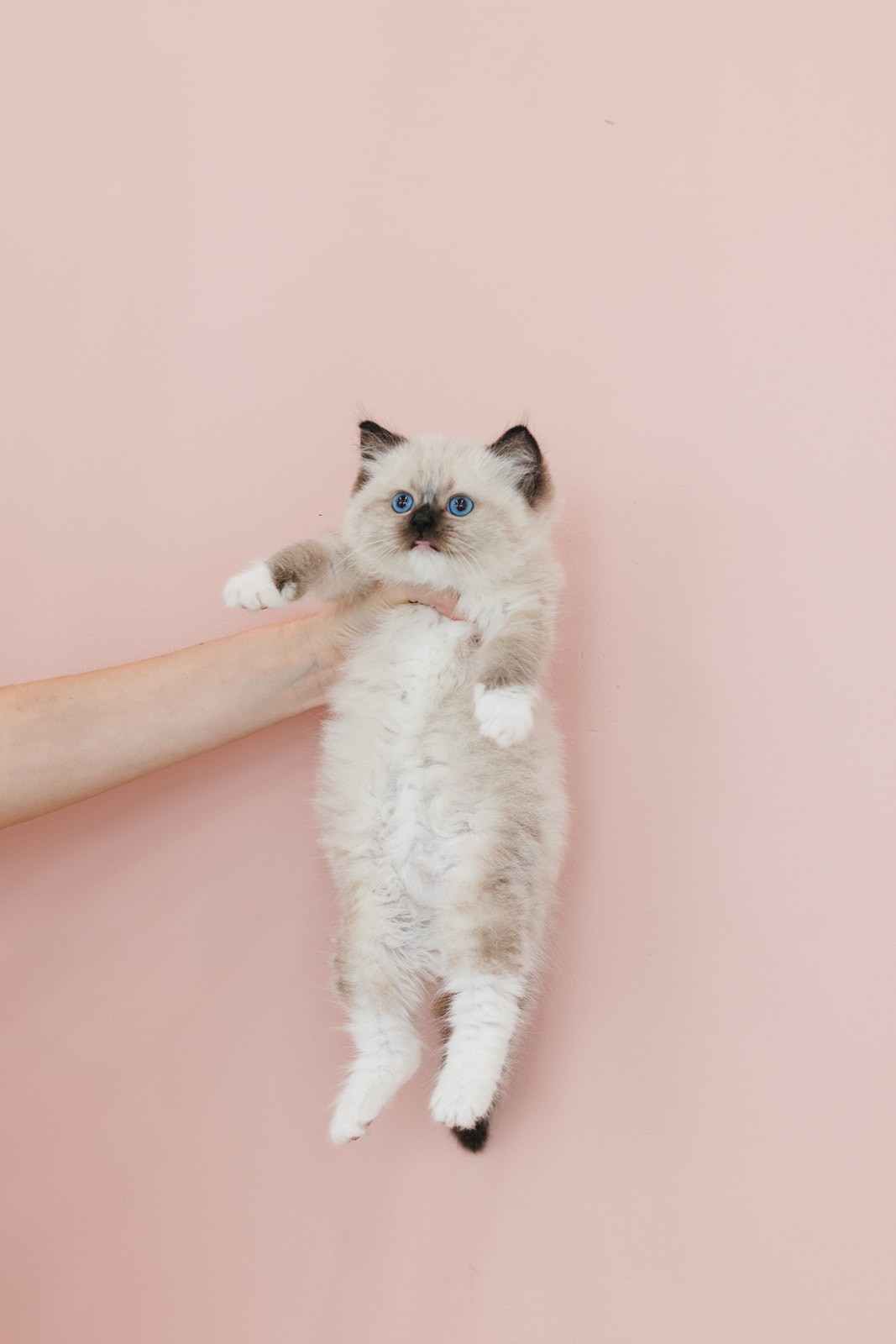
Ragdolls are large, gentle cats with striking blue eyes. Their fur is soft and medium-long, needing regular grooming. They are calm and friendly, often following their owners around. These cats adapt well to indoor life and enjoy human company. Their laid-back nature makes them great pets for families.
Breeding Purpose
Breeding Ragdolls aims to maintain or improve the breed’s traits. Responsible breeders focus on health, temperament, and appearance. The goal is to produce kittens with strong bones, clear blue eyes, and soft coats. Breeding also helps reduce genetic diseases when done carefully. Breeders should plan litters to avoid overbreeding and support each cat’s well-being.
Ideal Breeding Age
Determining the ideal breeding age for Ragdoll cats is key to healthy litters. Breeding too early or too late can harm the cat’s health and affect kitten quality. Understanding the best age range helps maintain strong genetics and ensures the wellbeing of both the mother and father cats.
Starting Age For Females
Female Ragdolls should start breeding after reaching full maturity. This usually happens between 18 and 24 months. At this age, their bodies are ready to handle pregnancy and birth. Breeding earlier can cause health problems and lower litter survival rates.
Wait until the female has had at least one or two heat cycles. This ensures her reproductive system is functioning properly. Early breeding can also affect her growth and long-term health.
Starting Age For Males
Males become fertile around 9 to 12 months old. Still, it is best to wait until they are at least 12 to 18 months before breeding. This allows them to develop fully and produce healthy sperm.
Using young males too soon can reduce fertility and increase genetic risks. Mature males provide stronger offspring and better breeding success.
When To Stop Breeding
Breeding should stop before the cat becomes too old. For females, this is usually around 5 to 6 years of age. Older females face higher risks during pregnancy and birth.
Males can breed longer, often up to 8 years. Still, fertility declines with age, so monitor their health closely. Stopping breeding at the right time keeps cats healthy and protects future kittens.
Breeding Frequency
Breeding frequency is crucial for maintaining a Ragdoll cat’s health. Breeders need to ensure the well-being of both the mother cat and the kittens. Careful planning helps prevent health issues and overburdening the cat.
Optimal Breeding Intervals
Ragdoll cats should have ample rest between litters. Breeding intervals allow the mother to recover fully. Ideally, a Ragdoll should breed once a year. This interval helps maintain her health and vitality. It also ensures the quality of the kittens. Healthy mothers produce healthier kittens.
Signs Of Overbreeding
Overbreeding can lead to serious health issues. Signs include constant fatigue and weakened immune systems. Cats may also show signs of stress and anxiety. Repeated pregnancies without rest can harm the cat’s physical condition. Watch for changes in behavior and health. If signs appear, consult a vet immediately. Regular vet check-ups help catch these issues early.

Credit: www.masterpieceragdolls.com
Health Considerations
Health plays a key role in deciding how long to breed a Ragdoll cat. Breeding affects a cat’s body and future kittens. Careful attention to health helps keep cats strong and happy. It also supports healthy litters and reduces risks.
Genetic Testing
Genetic testing helps spot inherited diseases in Ragdolls. These tests identify issues like hypertrophic cardiomyopathy (HCM) and polycystic kidney disease (PKD). Breeders use results to avoid mating cats with harmful genes. This reduces chances of passing health problems to kittens.
Health Checks Before Breeding
Regular health checks ensure a cat is fit for breeding. Vets check heart, kidneys, and overall condition. Vaccinations and parasite control must be up to date. Any illness or weakness means delaying breeding until recovery. This protects the mother and her kittens.
Nutritional Needs
Good nutrition supports a breeding Ragdoll’s health. Balanced food helps maintain energy and strength. Pregnant cats need extra nutrients for growing kittens. Protein, vitamins, and minerals are essential. Clean water must always be available to keep cats hydrated.
Breeding Cycle Timing
Understanding the timing of a breeding cycle is crucial for anyone planning to breed Ragdoll cats. Proper timing ensures healthier kittens and reduces stress on the mother cat. Knowing when your Ragdoll enters her breeding cycle allows you to make informed decisions for successful mating.
Heat Cycle Patterns
Ragdolls, like many cats, have a heat cycle that typically lasts about 7 to 10 days. This cycle can repeat every 2 to 3 weeks during their breeding season, which usually spans from spring to fall. You might notice your cat becoming more vocal, affectionate, and restless during this time.
Tracking these patterns helps you predict when your cat is most fertile. Use a calendar or app to record signs such as increased rubbing, rolling, or tail raising. This habit can save you from missing the optimal breeding window.
Best Time For Mating
The best time to mate your Ragdoll is during the peak of her heat, usually around the third to fifth day of her cycle. This period is when she is most receptive and the chances of conception are highest. Attempting to breed outside this window often leads to unsuccessful mating.
Pay attention to her behavior: if she actively seeks the male and shows no signs of aggression, it’s likely the right moment. Have you ever wondered how timing affects the health of the kittens? Mating at the correct time supports better embryo development and reduces complications later.
Care During Pregnancy
Proper care during pregnancy is essential for a healthy Ragdoll mother and her kittens. Pregnancy can be a delicate time, requiring special attention. Providing the right support helps ensure the best outcome for both the mother and her litter. Focus on diet, environment, and veterinary care to meet her changing needs.
Diet And Environment
A pregnant Ragdoll needs a balanced and nutritious diet. Choose high-quality kitten food, rich in protein and calories. This supports the growth of the kittens and keeps the mother strong.
Feed smaller, frequent meals to ease digestion. Fresh water should always be available.
Keep her environment calm and comfortable. Provide a quiet, warm place for resting. Avoid loud noises or stressful situations. Prepare a nesting box several weeks before the due date.
Veterinary Care
Regular vet visits are crucial during pregnancy. The vet can confirm pregnancy and check the mother’s health. Vaccinations and parasite control should be up to date before breeding.
Monitor the mother closely for any signs of illness or distress. Report unusual symptoms to the vet immediately. Follow the vet’s advice on supplements or special care.
Post-breeding Recovery
After your Ragdoll cat has finished breeding, giving her time to recover is essential. This recovery phase affects her overall health and future breeding success. Ignoring this period can lead to stress, illness, or complications in subsequent pregnancies.
Rest Periods
Allow your Ragdoll plenty of quiet time to rest. The body needs time to heal and regain strength after the energy-intensive process of pregnancy and birth.
Rest periods should last at least several months before considering breeding again. This break helps prevent exhaustion and supports her immune system.
Have you noticed how your cat behaves after giving birth? If she seems tired or less active, it’s a clear sign she needs more downtime.
Monitoring Health
Keep a close eye on your cat’s health during recovery. Watch for signs like loss of appetite, lethargy, or unusual behavior that might indicate health issues.
Regular vet check-ups are crucial at this stage. Your vet can spot problems early and advise you on when your cat is ready to breed again.
Tracking her weight and energy levels can help you decide if she’s fully recovered. A healthy, well-rested Ragdoll is more likely to have a smooth pregnancy next time.
Ethical Breeding Practices
Ethical breeding practices are vital for healthy and happy Ragdoll cats. Responsible breeders prioritize the cat’s health, well-being, and long-term quality of life. Breeding should never harm the cat physically or emotionally. Ensuring ethical standards protects the breed and supports sustainable breeding over time.
Welfare Considerations
Always consider the physical and emotional state of the breeding cat. Avoid breeding cats that are too young or too old. Female Ragdolls should have enough time to recover between litters. Proper nutrition, regular vet check-ups, and a safe environment are essential.
Stress and poor living conditions can reduce the cat’s health and fertility. Monitor the cat closely for signs of discomfort or illness. Stop breeding if the cat shows any health problems or behavioral changes.
Avoiding Inbreeding
Inbreeding can cause genetic problems and weak offspring. Use diverse bloodlines to keep the gene pool healthy. Track the cat’s family history to prevent close relatives from mating.
Breeders should exchange cats or use outside lines to maintain genetic variety. This reduces risks of inherited diseases and improves the breed’s overall vitality. Planning matings carefully supports strong, healthy Ragdoll kittens.

Credit: pearlsragdolls.com
Frequently Asked Questions
How Long Can A Ragdoll Cat Be Bred Safely?
A Ragdoll cat should be bred between 1 and 6 years old. Breeding beyond this age risks health complications. Proper health checks ensure safe breeding and healthy kittens.
How Many Litters Can A Ragdoll Cat Have?
Typically, a Ragdoll cat can have 2 to 3 litters per year. Responsible breeders limit litters to maintain the cat’s health. Overbreeding can cause stress and health issues.
When Should A Ragdoll Cat Stop Breeding?
Most breeders stop breeding Ragdolls around 6 years old. This helps prevent health problems linked to older age pregnancies. Regular vet check-ups guide the decision to stop breeding.
How Long Is A Ragdoll Cat’s Pregnancy?
A Ragdoll cat’s pregnancy lasts about 63 to 68 days. Monitoring the cat during this period ensures timely care. Proper nutrition and rest are essential for a healthy pregnancy.
Conclusion
Breeding Ragdoll cats needs care and patience. Keep their health and age in mind always. Avoid breeding too often to protect the cat’s well-being. Give each cat enough time to rest between litters. This keeps the kittens strong and healthy too.
Responsible breeding helps maintain the breed’s quality and happiness. Remember, healthy cats make happy pets and families. Take your time and choose wisely. Good care leads to better lives for both cats and kittens.


Leave a Reply