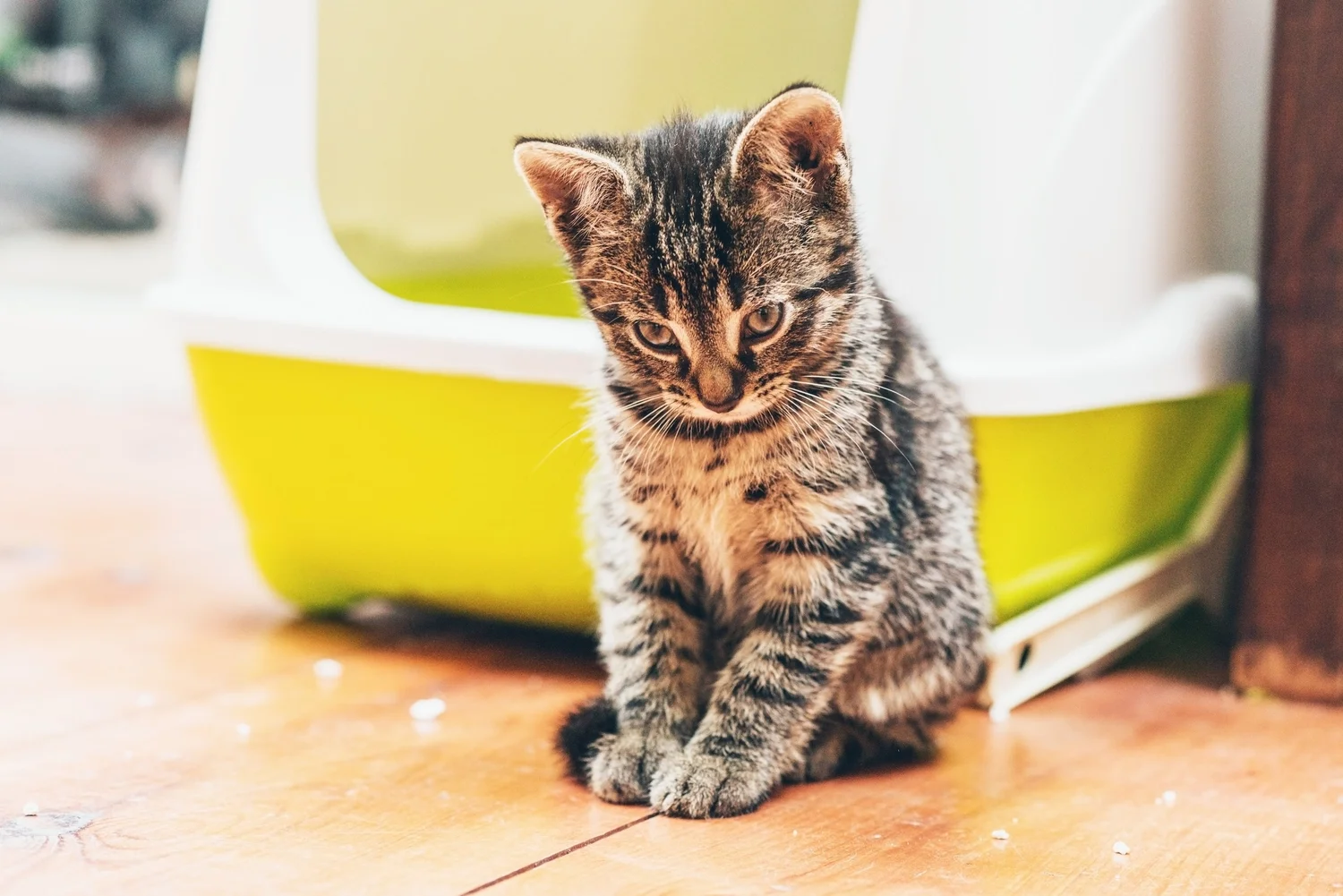
Are you struggling with your cat’s potty habits? You’re not alone.
Many cat owners wonder if neutering can actually make potty training easier. Imagine having a cleaner house and less stress every time your cat needs to go. This article will reveal the surprising link between neutering and your cat’s bathroom behavior.
Keep reading to discover how this simple step might change your daily routine for the better.
Credit: www.ottawahumane.ca
Impact Of Neutering On Cat Behavior
Neutering has a clear impact on cat behavior. It often changes how cats act around the home and other animals. These behavioral changes can influence potty habits. Understanding these effects helps with training and managing your cat’s needs.
Changes In Territorial Marking
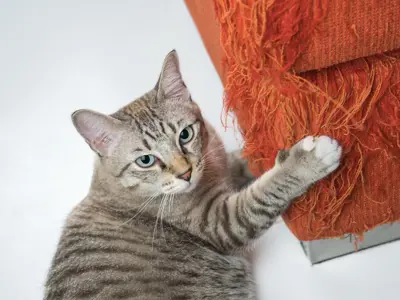
Neutering reduces the urge to mark territory with urine. Male cats especially spray less after neutering. This lowers the chance of accidents outside the litter box. Cats feel less need to claim space aggressively. This makes potty training easier and more consistent.
Reduction In Aggression And Anxiety
Neutering calms many cats by lowering hormone levels. Less aggression means fewer fights or stressful moments. Anxiety drops too, which helps cats feel safe at home. Relaxed cats tend to use their litter boxes more reliably. This behavior supports better potty training results.
Connection Between Neutering And Litter Box Use
Understanding the connection between neutering and litter box use can make a real difference in managing your cat’s potty habits. Neutering often leads to calmer behavior, which directly affects how your cat approaches the litter box. If you’ve struggled with inconsistent litter box use, this link might explain part of the problem and point you toward an effective solution.
How Hormones Influence Potty Habits
Hormones play a significant role in your cat’s behavior, especially before neutering. Intact cats produce higher levels of hormones like testosterone or estrogen, which can increase territorial marking and cause them to spray outside the litter box.
These hormonal drives can make your cat anxious or restless, making it harder for them to develop consistent litter box habits. After neutering, hormone levels drop, often leading to reduced marking and better litter box use. Have you noticed a calmer demeanor in your cat after neutering? This change often goes hand-in-hand with improved potty behavior.
Common Potty Training Challenges In Unneutered Cats
Unneutered cats often face specific challenges with litter training that can frustrate owners. One common issue is spraying or marking, which is driven by the need to establish territory. This behavior is less about potty training and more about communication.
Another challenge is increased roaming and restlessness, which can lead to accidents outside the box. If your cat frequently avoids the litter box, it might be due to these hormonal urges rather than a lack of training. Understanding this can help you approach the problem more effectively and consider neutering as part of the solution.
Effective Potty Training Tips For Neutered Cats
Neutering your cat can aid in potty training. It often reduces marking behaviors. This can lead to better litter box habits. For effective training, follow some simple tips. These can make the process smoother.
Choosing The Right Litter Box And Location
Select a litter box that fits your cat’s size. A box that’s too small can be uncomfortable. Place the litter box in a quiet area. Cats like privacy while doing their business. Avoid high-traffic areas and loud noises.
Maintaining Cleanliness To Encourage Use
Keep the litter box clean. Scoop it daily to remove waste. A clean box encourages regular use. Change the litter once a week. This prevents odors and keeps the box fresh.
Positive Reinforcement Techniques
Reward your cat for using the litter box. Use treats or gentle praise. Positive reinforcement builds good habits. Avoid punishment for accidents. It can cause stress and fear.
When Neutering Alone Isn’t Enough
Neutering can reduce some marking behaviors in cats, but it is not always enough to solve potty training issues. Cats might still avoid the litter box due to other reasons. Understanding these reasons helps you address the problem better and keeps your home clean.
Addressing Medical Issues
Health problems often cause cats to avoid the litter box. Urinary tract infections can cause pain during urination. This pain makes cats associate the litter box with discomfort. Kidney disease or bladder stones also affect bathroom habits.
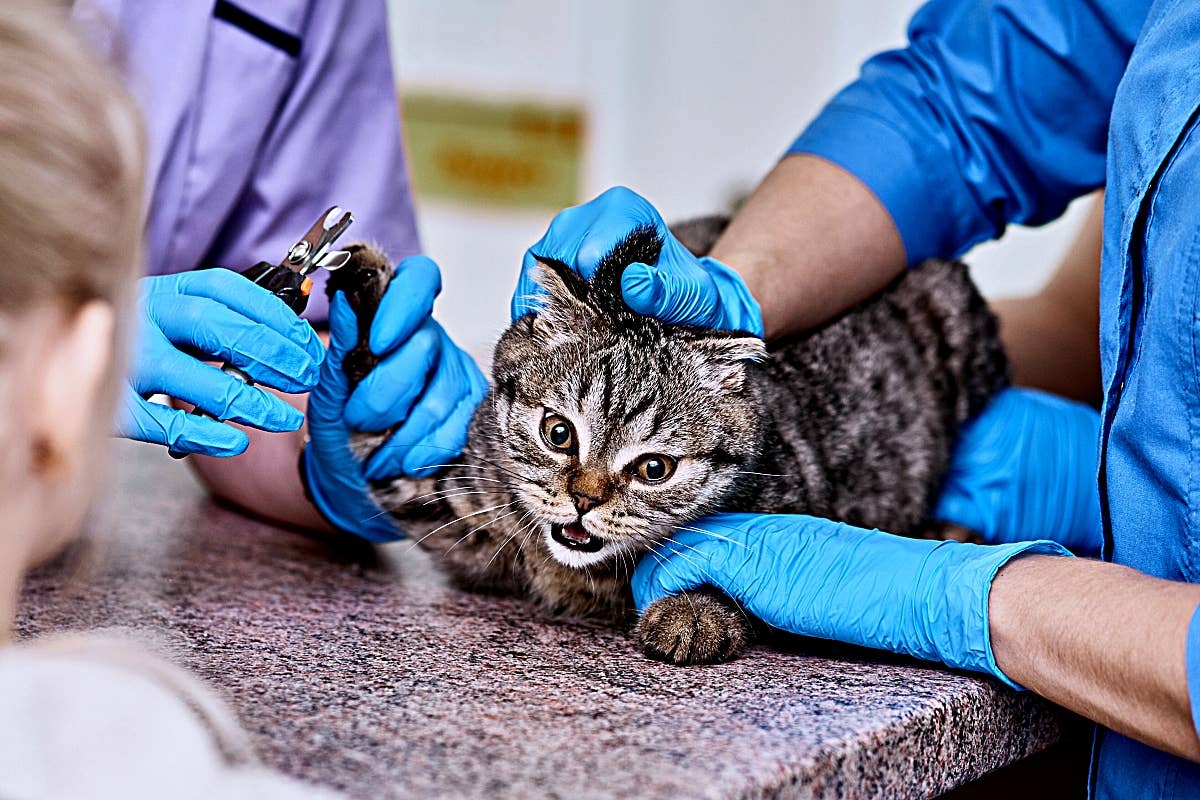
Visit a vet to rule out medical causes. Early diagnosis helps prevent long-term issues. Treating health problems often improves litter box use quickly.
Managing Stress And Environmental Factors
Stress and changes in the environment can make cats avoid the litter box. Loud noises, new pets, or moving to a new home can cause anxiety. Cats may choose strange places to relieve themselves.
Keep the litter box clean and in a quiet spot. Provide multiple boxes if you have several cats. Use calming sprays or diffusers to reduce stress. Create a safe, stable environment for your cat to feel secure.
Long-term Benefits Of Neutering For Cat Owners
Neutering your cat offers benefits that stretch far beyond the immediate goal of potty training. It shapes your cat’s behavior, health, and even the overall atmosphere in your home over time. Understanding these long-term advantages can help you make a confident decision for your pet’s wellbeing.
Improved Household Harmony
Neutered cats tend to be calmer and less territorial. This means fewer aggressive encounters between pets and less marking of territory around your house. Have you ever noticed how a calmer cat can make your entire home feel more peaceful?
Without the drive to seek out mates, neutered cats often show reduced roaming behavior. This keeps them safer indoors and decreases the chance of accidents or fights outside. You’ll likely spend less time worrying about your cat’s whereabouts and more time enjoying their company.
Health Advantages Beyond Potty Training
Neutering lowers the risk of certain cancers, especially reproductive cancers. This can add years to your cat’s life and reduce costly vet visits. It also helps prevent infections related to the reproductive organs, which can be painful and dangerous.
Additionally, neutered cats usually have fewer hormone-driven health issues. This means less stress for both you and your pet. Have you considered how a healthier cat could mean fewer emergencies and a happier daily routine?
Credit: www.chewy.com
Credit: pethelpful.com
Frequently Asked Questions
Does Neutering Improve A Cat’s Potty Training Habits?
Neutering can reduce spraying and marking behaviors, making potty training easier. It lessens territorial instincts that cause inappropriate urination. However, neutering alone doesn’t guarantee perfect potty training. Consistent litter box training is still essential for success.
How Soon After Neutering Do Potty Habits Improve?
Potty habits may improve within a few weeks after neutering. Hormonal changes reduce spraying urges quickly. However, full behavioral adjustment can take several weeks to months, depending on the cat’s age and personality.
Can Neutering Prevent Litter Box Avoidance?
Neutering helps by reducing stress and territorial marking, common causes of litter box avoidance. But medical issues or litter box preferences also affect behavior. Addressing all factors ensures better potty habits after neutering.
Is Neutering Enough To Stop Spraying Indoors?
Neutering greatly lowers spraying caused by hormones but may not stop spraying from anxiety or stress. Behavioral training and environmental changes are important alongside neutering to fully resolve spraying problems.
Conclusion
Neutering your cat can help reduce unwanted behaviors. It may make potty training easier but is not a full solution. Cats still need patience, consistency, and a clean litter box. Training takes time and care from you. Healthy habits form with love and attention.
Neutering supports good behavior but does not replace training. Your cat will learn best with your help and support. Keep trying, and your cat will improve over time.

Leave a Reply