Looking for fun and easy ways to keep your cat entertained without spending a dime? You’re in the right place.
Creating your own cat toys at home can be simple, enjoyable, and rewarding—for both you and your furry friend. Imagine watching your cat pounce and play with toys you made yourself, knowing you saved money and used safe materials. Ready to discover step-by-step free instructions that anyone can follow?
Let’s dive in and bring endless fun to your cat’s day!
Credit: www.thecooldown.com
Simple Materials For Cat Toys
Creating cat toys at home is simple and fun. You do not need fancy tools or expensive items. Many toys use materials found around the house. This saves money and reduces waste. Cats enjoy toys made from everyday things. They like textures, sounds, and movement. Using simple materials helps you make safe and exciting toys your cat will love.
Everyday Household Items
Common items can become great cat toys. Paper balls, cardboard tubes, and bottle caps offer fun textures. String, yarn, or ribbon can create toys to chase and bat. Small boxes or paper bags provide hiding spots and play areas. These items are easy to find and inexpensive. Cats enjoy exploring and playing with these simple objects.
Safe And Non-toxic Choices
Safety is important when making cat toys. Use materials free of chemicals and toxins. Avoid small parts that cats can swallow or choke on. Choose fabrics like cotton or felt without dyes or smells. Natural materials like wood or untreated paper work well. Check toys regularly for wear and tear. Replace or repair damaged toys to keep cats safe.
Repurposing Old Toys
Old toys can get a second life with a little creativity. Remove broken parts and use the remaining pieces. Combine parts of different toys to make new ones. Use worn-out stuffed toys as a base for new stuffing or catnip. Reuse feathers, bells, or strings from old toys to add interest. This reduces waste and keeps your cat entertained with familiar smells and textures.
Diy Catnip Toys
DIY catnip toys are fantastic for keeping cats entertained and stimulated. Crafting these toys yourself can save money and provide a personal touch. Cats love catnip, and these easy projects will bring joy to your feline friend. Explore these simple ideas to create delightful catnip toys at home.
Making Catnip Pouches
Create catnip pouches using fabric scraps. Cut two pieces into small squares. Sew three sides together, leaving one open. Fill with catnip, then sew the last side. Use sturdy fabric to endure playful claws. Personalize with colorful patterns to attract your cat’s attention.
Sewing Easy Catnip Socks
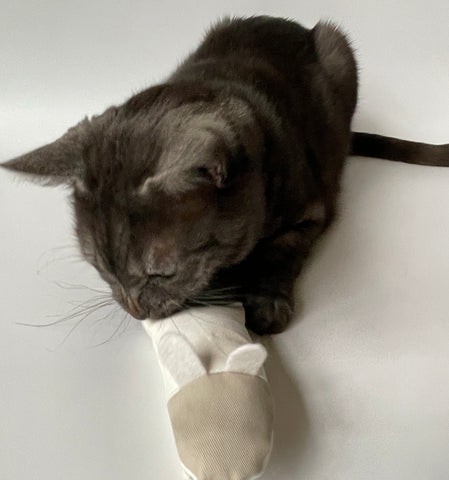
Repurpose old socks into catnip toys. Fill a sock with catnip and tie a knot at the end. Ensure the knot is tight to prevent spillage. For added fun, attach a bell or feather. These toys are simple, quick, and cats love them.
Using Catnip With Scratching Posts
Enhance your cat’s scratching post with catnip. Sprinkle catnip on the post to encourage use. This method helps maintain your cat’s nails while providing entertainment. Regularly refresh the catnip to keep it enticing. A great way to combine play and grooming.
Interactive Cat Toys
Interactive cat toys keep your feline friend mentally sharp and physically active. These toys create a bond between you and your cat while satisfying their natural hunting instincts. Making your own interactive toys can be fun, affordable, and tailored to your cat’s preferences.
Creating Feather Wands
Feather wands are a simple way to engage your cat’s attention and encourage exercise. Use a wooden dowel or a sturdy stick as the wand’s base.
- Attach colorful feathers using non-toxic glue or by tying them with string.
- Add bells or small fabric pieces to increase sound and texture.
Wave the wand around to mimic the movement of birds or insects. Have you noticed how your cat’s eyes track every flutter? This toy turns playtime into an exciting chase and keeps your cat moving.
Building Puzzle Feeders
Puzzle feeders challenge your cat’s problem-solving skills and slow down fast eaters. Start with a shallow box or container and cut small holes just big enough for kibble to fall through.
- Place treats or dry food inside the container.
- Secure the lid if needed, so your cat has to work to get the food out.
This setup motivates your cat to paw and nudge the feeder, making mealtime more interactive. How often do you see your cat getting bored with their food? Puzzle feeders keep them engaged and mentally stimulated.
Homemade Laser Pointer Alternatives
Laser pointers are popular but can be expensive or require batteries. Create a DIY alternative using a flashlight and small cutouts of shapes like stars or fish.
- Attach the cutouts to the flashlight’s beam using clear tape or a clip.
- Shine the light on the floor or walls to create moving shapes.
This inexpensive toy sparks your cat’s curiosity and encourages chasing. Have you tried varying the speed or direction of the light to keep your cat guessing? Your cat’s quick reactions will make playtime lively and fun.
Diy Toys From Recycled Materials
Creating cat toys from recycled materials saves money and helps the environment. Cats enjoy new textures and shapes to explore and play with. Many common household items can turn into fun toys in minutes. This approach gives your cat fresh entertainment without extra cost.
Cardboard Boxes And Tubes
Cardboard boxes make great hideouts and play areas for cats. Cut small holes for peekaboo fun or stack boxes for climbing. Tubes from paper towels or toilet paper rolls can become rolling toys or tunnels. Cats love to bat and chase these lightweight toys.
Bottle Caps And Paper Rolls
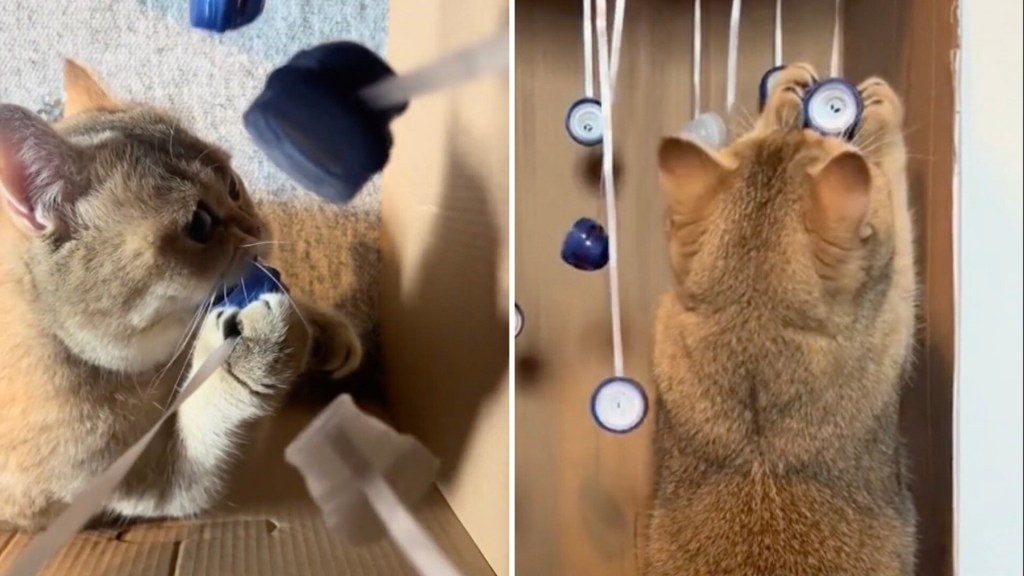
Plastic bottle caps are perfect for batting across the floor. They slide easily and catch a cat’s attention. Paper rolls can be decorated or stuffed with treats to keep cats curious. Secure ends with tape or fold them to make small tunnels or puzzle toys.
Fabric Scraps And Yarn Balls
Old fabric scraps can be tied into knots or braided into catnip toys. Soft textures invite cats to chew and paw. Yarn balls, carefully made and supervised, offer rolling and chasing fun. Always supervise play to avoid loose threads or swallowing hazards.
Creative Toy Ideas For Different Cat Personalities
Cats have unique personalities that shape their play style. Some are energetic and love to run around. Others prefer quiet moments with gentle toys. Then, many cats enjoy the thrill of the hunt through play. Crafting toys that match each cat’s nature keeps them happy and healthy. Simple materials at home can turn into exciting toys for your furry friend.
Toys For Active Cats
Active cats need toys that encourage movement and exercise. Use lightweight balls made from crumpled paper or felt. Create a DIY wand toy with feathers and a string. A cardboard tunnel offers a great place to run and hide. These toys keep your cat moving and prevent boredom.
Toys For Shy Or Older Cats
Shy or older cats prefer calm and slow play. Soft stuffed toys filled with catnip provide comfort. A small blanket with hidden treats can gently engage them. Use gentle textures like fleece or cotton. These toys offer safe and soothing playtime for cautious cats.
Toys For Cats Who Love To Hunt
Cats with a hunting instinct enjoy toys that mimic prey. Make small mice from fabric and stuffing. Attach a bell or crinkle paper inside for sound. Use laser pointers or feather teasers to simulate chasing. These toys satisfy their natural urge to stalk and pounce.

Credit: www.youtube.com
Safety Tips For Homemade Cat Toys
Creating homemade cat toys is a fun and rewarding way to keep your feline friend entertained. However, safety should always come first. A well-made toy not only keeps your cat happy but also protects them from potential hazards that could cause injury or illness.
Avoiding Small Detachable Parts
Small parts can easily become choking hazards or cause internal blockages if swallowed. Avoid using buttons, beads, or tiny bells that can break off during play. Instead, securely sew or glue any small pieces to the toy, ensuring they stay attached even during vigorous play sessions.
Think about how your cat plays. Do they chew aggressively or bat toys around? If yes, opt for larger parts that can’t be swallowed or easily detached. You want your toy to last without turning into a safety risk.
Choosing Non-toxic Materials
Not all crafting supplies are safe for pets. Always select materials labeled as non-toxic and pet-friendly. Fabrics like cotton, felt, and fleece are usually safe, but avoid synthetic fibers that might shed harmful particles.
When using glue or paint, pick ones specifically marked as safe for children or pets. Remember, your cat might lick or chew the toy, so any chemical residue can be dangerous. Could the materials you have at home pose hidden risks?
Supervising Playtime
Even the safest homemade toy can become hazardous if left unattended. Supervise your cat during play, especially with new toys, to catch any signs of wear or damage early. This also lets you observe how your cat interacts with the toy and adjust it if needed.
If your cat is a heavy chewer, remove the toy once it starts to fall apart. Keeping a close eye on playtime helps prevent accidents and prolongs the life of the toy. Have you noticed your cat’s favorite toys breaking down faster than others?
Tips To Keep Cats Engaged
Keeping your cat interested in homemade toys can be a challenge, but a few smart strategies can make a big difference. Cats get bored quickly, so changing things up is key to maintaining their curiosity and playfulness. Here are some practical tips to keep your feline friend excited and engaged with the toys you create.
Rotating Toys Regularly
Switch out your cat’s toys every few days to keep their interest fresh. Leaving the same toy out all the time can make it lose its appeal. Try hiding some toys and bringing them back later—your cat will think they’re new and exciting again.
Think about your own experience with new gadgets or games—don’t they seem more fun when you first get them? Cats feel the same way. A simple rotation can make a huge difference without costing you anything extra.
Incorporating Treats
Adding treats to your DIY cat toys can turn playtime into a rewarding experience. Hide small pieces of your cat’s favorite snacks inside the toy to encourage them to interact and explore. This keeps their mind active and creates positive associations with the toy.
You might notice your cat spends more time with a toy if there’s a tasty surprise involved. Have you ever seen a cat figure out a puzzle feeder? It’s a fun challenge that also satisfies their hunting instincts.
Interactive Play Sessions
Spend time playing with your cat using the toys you’ve made. Your presence adds excitement and encourages your cat to stay engaged longer. Try moving the toy like prey to stimulate their natural hunting behavior.
Interactive play helps build your bond and keeps your cat mentally and physically active. Have you tried waving a string or tossing a small ball for your cat? Their enthusiastic response will show you how much they enjoy the interaction.
Credit: www.thecooldown.com
Frequently Asked Questions
What Materials Are Needed For Diy Cat Toys?
Common materials include yarn, feathers, fabric scraps, and safe household items. Use non-toxic and cat-safe supplies only. These materials are easy to find and inexpensive. They allow creative, fun, and interactive toys for your cat at home.
How Do I Make A Simple Cat Toy At Home?
Cut fabric into small strips, tie them to a stick, and add feathers. You can also use a ball of yarn or crumpled paper. These toys encourage play and exercise, keeping your cat entertained for hours.
Are Diy Cat Toys Safe For My Pet?
Yes, if you avoid small parts that can be swallowed. Use non-toxic materials and supervise playtime. Regularly check toys for wear and tear. Safety ensures your cat enjoys play without health risks.
How Often Should I Rotate Diy Cat Toys?
Rotate toys every week to keep your cat interested. New toys stimulate curiosity and prevent boredom. This practice supports your cat’s mental and physical health effectively.
Conclusion
Making your own cat toys saves money and brings fun. Cats love toys that move and feel soft. Simple materials from home work well for play. Crafting toys also gives you a chance to bond with your pet. Try different ideas to find what your cat enjoys.
Small, safe toys keep cats active and happy. Start today and watch your cat have a great time. DIY cat toys are easy, fun, and full of love.

Leave a Reply