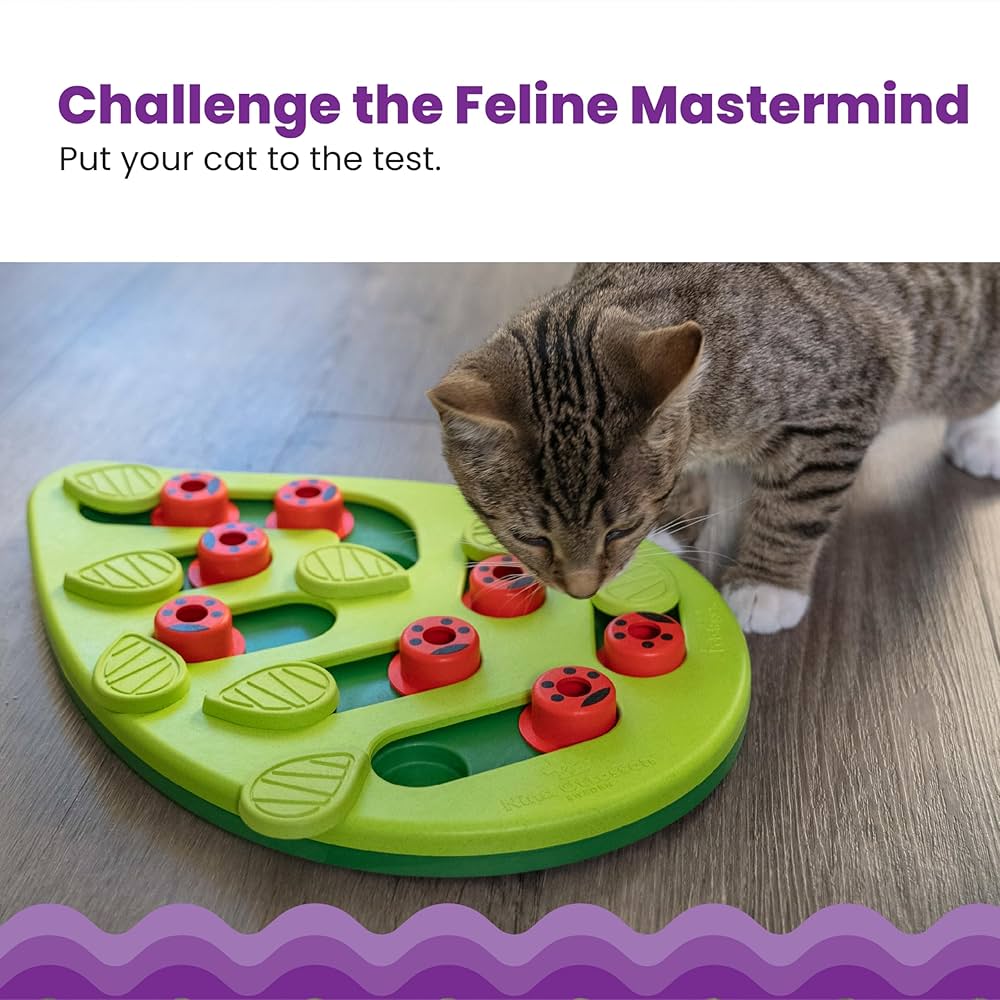
Have you ever wondered if your cat actually enjoys puzzle toys and games? If you’re looking for ways to keep your furry friend entertained and mentally sharp, this question is key.
Puzzle toys can be more than just fun—they might boost your cat’s happiness and health. But do cats really like them, or is it just another fad? Keep reading to discover what makes these toys click with your cat and how you can choose the best ones for your home.
Your cat’s next favorite game might be closer than you think.
Credit: www.chewy.com
Cats And Puzzle Toys
Many cat owners wonder if their feline friends enjoy puzzle toys and games. Cats are naturally curious and intelligent animals, so puzzle toys can be a great way to keep them mentally stimulated. These toys challenge their problem-solving skills and provide entertainment, making playtime more rewarding for both you and your cat.
What Are Puzzle Toys?
Puzzle toys are interactive playthings designed to engage your cat’s mind. They usually require your cat to figure out how to get a treat or toy hidden inside. These toys encourage natural hunting behaviors and reduce boredom by making your cat think.
Some puzzle toys are simple, like treat balls that release food when rolled. Others are more complex, involving sliding doors or hidden compartments. The key is that your cat must use their paws, nose, or body to solve the puzzle.
Types Of Puzzle Games For Cats
There are several types of puzzle games to choose from, each catering to different cat personalities and skill levels:
- Treat Dispensers:These toys release treats as your cat plays, motivating them to keep trying.
- Interactive Feeders:Designed to slow down eating, these puzzles make your cat work for their food.
- Hide-and-Seek Toys:Toys that hide small objects your cat can paw out, encouraging exploration.
- Electronic Puzzle Toys:Battery-operated toys that move or light up, attracting your cat’s attention and challenging their reflexes.
Have you noticed how your cat reacts to different toys? Observing what excites your cat can help you pick the perfect puzzle game that keeps them engaged and happy.
Why Cats Enjoy Puzzle Toys
Cats aren’t just lazy loungers; many of them thrive on challenge and engagement. Puzzle toys tap into this desire by offering tasks that make your cat think and move. Understanding why cats enjoy these toys helps you choose the right ones to keep your feline friend happy and healthy.
Mental Stimulation Benefits
Cats need mental exercise just like physical activity. Puzzle toys encourage your cat to solve problems, which sharpens their mind and reduces boredom. When my cat figured out how to unlock a treat dispenser, I noticed she became more confident and curious throughout the day.
Without mental challenges, cats can become restless or even develop destructive habits. Puzzle toys provide a safe outlet for their intelligence and creativity. Have you ever seen your cat pause and think before pawing at a toy? That’s their brain at work.
Physical Activity And Exercise
Puzzle toys often require movement, making your cat more active. This physical engagement helps maintain a healthy weight and builds muscle tone. Watching my cat chase a ball that pops out of a puzzle feeder reminded me how important exercise is for their overall well-being.
These toys transform playtime into a workout session without feeling forced. They encourage natural stretching, pouncing, and batting motions, keeping your cat agile. How much physical activity does your cat get daily?
Natural Hunting Instincts
Puzzle toys mimic the challenge of hunting for food, which taps into your cat’s instincts. Instead of food appearing magically in a bowl, they have to “hunt” and figure out how to get it. This makes mealtime more rewarding and satisfying for your cat.
Engaging these instincts reduces stress and promotes positive behavior. Your cat stays alert and focused, which can help prevent anxiety and boredom-related issues. What better way to honor your cat’s nature than by letting them practice their hunting skills?
Signs Your Cat Loves Puzzle Toys
Are you curious about whether your feline friend truly enjoys puzzle toys? Cats, known for their mysterious and often aloof nature, can sometimes surprise us with their playful side. If you’re wondering if your cat is a puzzle toy enthusiast, there are certain behaviors to look out for. Recognizing these signs can not only enhance your cat’s playtime but also strengthen your bond.
Increased Engagement
Does your cat seem more lively and interested when you bring out the puzzle toys? An increase in engagement is a key indicator of their interest. You might notice your cat spending more time with the toy, batting it around, or even purring with delight as they interact with it.
Consider how often your cat returns to the toy after taking breaks. Frequent returns to the puzzle toy suggest it’s a hit. If your cat is consistently choosing the puzzle toy over other playthings, you’ve found a winner!
Problem-solving Behavior
Have you observed your cat using their paws or nose to manipulate a toy? Cats who love puzzle toys often display impressive problem-solving skills. They might figure out how to move parts of the toy to access hidden treats or toys.
Watching your cat strategize and execute a plan can be fascinating. It shows their intelligence and curiosity, which are signs of a happy and engaged cat.
Reduced Boredom And Anxiety
Does your cat seem calmer and less anxious after playing with puzzle toys? These toys can be a fantastic way to reduce boredom and anxiety. If your cat is less likely to engage in destructive behavior, like scratching furniture or meowing excessively, it might be due to the mental stimulation from the puzzle toys.
Observe changes in your cat’s behavior after puzzle play sessions. A more relaxed and content demeanor indicates the toys are positively impacting their mental state.
Have you noticed any of these signs in your cat? If so, you’re on the right track to keeping your feline entertained and mentally stimulated. What other toys or games have you tried that your cat loves?

Credit: www.amazon.com
Choosing The Right Puzzle Toy
Choosing the right puzzle toy for your cat is important. The right toy keeps your cat happy and active. It also helps prevent boredom and stress. Not all puzzle toys suit every cat. Consider your cat’s habits and preferences before buying one.
Consider Your Cat’s Personality
Some cats are curious and love to explore new things. Others prefer simple and familiar toys. Watch how your cat plays with toys. Does your cat enjoy chasing or pawing at objects? Does your cat get frustrated easily? Choose a toy that matches your cat’s energy and patience.
Difficulty Levels
Start with easy puzzle toys. Let your cat get used to solving them. Increase the difficulty as your cat learns. Toys with adjustable difficulty are best. This keeps your cat challenged but not stressed. Avoid toys that are too hard or too simple.
Safe Materials And Design
Safety is key in puzzle toys. Choose toys made from non-toxic materials. Avoid small parts that your cat can swallow. Look for sturdy designs that won’t break easily. Smooth edges prevent cuts or scratches. Always check toys regularly for damage.
Tips For Introducing Puzzle Toys
Introducing puzzle toys to your cat can be a fun way to boost their mental skills. Cats may need some time to understand these toys. A careful approach helps your cat enjoy puzzle games more. Use these tips to make the introduction smooth and rewarding.
Start Simple
Choose puzzle toys with easy tasks first. Toys with few steps help your cat learn quickly. Simple puzzles build your cat’s confidence. Avoid toys that seem too hard at the start. Let your cat get used to the idea of solving puzzles.
Use Treats As Motivation
Treats encourage cats to try puzzle toys. Place tasty rewards inside the toy. Your cat will learn that solving puzzles brings treats. Use small, healthy treats to keep your cat interested. Treats make the learning process fun and positive.
Be Patient And Observant
Watch your cat’s reaction closely. Some cats take longer to enjoy puzzles. Don’t rush or force your cat to play. Give your cat time to explore the toy. Notice what puzzles your cat likes best. Adjust the difficulty based on their interest and skill.

Credit: catamazing.com
Diy Puzzle Toys For Cats
Creating DIY puzzle toys for your cat can be a fun and rewarding experience. These toys not only entertain your feline friend but also stimulate their natural hunting instincts and keep their minds sharp. Using simple household items, you can craft engaging puzzles that challenge your cat and encourage interactive play.
Household Items To Use
You don’t need fancy materials to make a great puzzle toy for your cat. Common items around the house work perfectly and are easy to repurpose.
- Cardboard boxes:Cut holes or flaps to hide treats inside, turning a simple box into a treasure hunt.
- Paper towel rolls:Fold the ends and place treats inside for your cat to fish out.
- Egg cartons:Place small treats in each cup and cover with lightweight lids or tissue paper.
- Socks:Fill an old sock with catnip or treats and tie the end for a soft puzzle toy.
Have you ever noticed how your cat eagerly bats at a crumpled piece of paper? That’s curiosity you can tap into with these items.
Creative Game Ideas
Think about how your cat likes to play and then design puzzles that fit those preferences. Some cats enjoy pawing and batting, while others prefer using their nose or mouth.
- Hidden Treat Maze:Use paper towel tubes taped together to create a maze where your cat has to nudge treats out.
- Treat Hunt:Scatter treats inside a shallow box filled with shredded paper or fabric scraps for your cat to dig through.
- Interactive Bottle:Cut holes in a plastic bottle and fill it with small balls or treats that roll around as your cat bats it.
What kind of puzzle would your cat enjoy the most? Experimenting with different setups can reveal surprising preferences.
Encouraging Interaction
Building a puzzle toy is just the start. You need to guide your cat to understand how to play with it.
Start by showing them the treats and gently encouraging them to explore the toy. Praise or pet your cat when they interact with the puzzle to create positive reinforcement.
If your cat loses interest, switch up the treats or change the toy’s layout to keep things fresh. Remember, patience is key—your cat might need time to figure out the challenge.
Common Challenges And Solutions
Puzzle toys and games can bring fun and mental exercise to cats. Yet, some cats face challenges with these toys. Understanding these issues helps pet owners keep cats engaged and happy. The following sections explain common problems and how to solve them.
Lack Of Interest
Some cats show little interest in puzzle toys at first. They may prefer simple play or rest. Introducing puzzles slowly works best. Use toys with treats to catch their attention. Let the cat watch you play with the toy. Change the type of puzzle to find what excites your cat.
Frustration And Giving Up
Cats can get frustrated if a puzzle is too hard. They may stop trying if they fail too often. Choose puzzles with adjustable difficulty. Start easy and increase challenge over time. Praise your cat with treats or petting after success. This encouragement builds confidence and keeps them trying.
Keeping Toys Fresh And Exciting
Cats can get bored with the same toys. Rotate puzzle toys regularly to keep interest high. Combine puzzles with other play activities. Introduce new scents or textures in the toys. Observe what your cat enjoys most and offer those puzzles often. Variety keeps playtime fun and stimulating.
Impact On Cat Behavior And Health
Puzzle toys and games have a strong effect on cat behavior and health. They offer mental and physical challenges that cats enjoy. These activities can reduce stress and boredom in cats. They also promote healthier habits and improve overall mood. Engaging with puzzle toys benefits cats in many ways.
Improved Mental Well-being
Puzzle toys stimulate a cat’s brain. They require problem-solving and attention. This keeps the mind active and sharp. Cats feel less anxious and restless with mental challenges. It helps prevent destructive behavior caused by boredom. Regular play with puzzles can boost a cat’s confidence.
Physical Health Benefits
Playing with puzzle toys encourages movement. Cats use their paws and bodies to solve puzzles. This physical activity helps maintain a healthy weight. It also strengthens muscles and joints. Active cats tend to have better digestion and heart health. Puzzle toys offer exercise in a fun way.
Strengthening The Human-cat Bond
Interactive puzzle games create shared experiences. Spending time together builds trust and affection. Cats learn to rely on their owners for fun and reward. This strengthens the emotional connection between cat and owner. It leads to a happier and more social pet. Puzzle toys become a tool for bonding.
Frequently Asked Questions
Do Cats Enjoy Playing With Puzzle Toys?
Yes, many cats enjoy puzzle toys as they stimulate their natural hunting instincts. Puzzle toys keep cats mentally engaged and prevent boredom, promoting healthy activity and reducing stress.
What Are The Benefits Of Puzzle Toys For Cats?
Puzzle toys improve a cat’s problem-solving skills, provide mental stimulation, and encourage physical activity. They also reduce destructive behavior caused by boredom and help maintain a healthy weight.
How Can I Choose The Best Puzzle Toy For My Cat?
Choose puzzle toys based on your cat’s age, activity level, and preferences. Look for durable materials and adjustable difficulty levels to keep your cat challenged and entertained.
Are Puzzle Toys Suitable For All Cat Breeds?
Yes, puzzle toys are suitable for all cat breeds. However, individual preferences and energy levels vary, so some cats may enjoy puzzle toys more than others.
Conclusion
Cats enjoy puzzle toys because they challenge their minds and bodies. These toys keep cats busy and reduce boredom. Puzzle games help cats stay active and happy. Not all cats like every puzzle, but many do. Watching a cat solve a puzzle is fun and rewarding.
Try different types to find what your cat prefers. Puzzle toys can improve your cat’s mood and health. A little effort brings big benefits for your furry friend. Simple, fun, and good for cats. Why not give it a try?

Leave a Reply