Have you ever noticed your cat suddenly stops grooming or looks messier than usual? Cats are usually very clean animals, spending a good part of their day licking their fur to stay tidy.
But what happens when your furry friend is sick? Do cats still groom themselves like they normally do, or does illness change their habits? Understanding this can help you spot when your cat might need extra care. Keep reading to learn how your cat’s grooming behavior can reveal important clues about their health.
Cats’ Grooming Habits
Cats are famously meticulous groomers, and their grooming habits say a lot about their health. Understanding these habits helps you spot changes that might mean your cat is feeling unwell. Watching your cat’s grooming closely can be your first clue to their wellbeing.
Normal Grooming Behavior
Most cats spend a good part of their day grooming themselves. This activity includes licking their fur, cleaning their paws, and even nibbling at areas that need extra attention. You might notice your cat pausing to clean their face or smoothing down fur on their back.
Grooming isn’t just about cleanliness; it also helps cats regulate body temperature and reduce stress. If your cat suddenly stops grooming, it could be a sign something is wrong. Have you ever seen your cat neglect its coat? That might be a moment to check for health issues.
Frequency And Patterns
On average, cats groom themselves for about 30-50% of their waking hours. This isn’t constant licking but spread out in short, regular sessions. You may notice your cat grooming more after eating, waking up, or when they feel anxious.
Changes in grooming frequency can tell you a lot. Excessive grooming might indicate pain or skin irritation, while less grooming can point to lethargy or discomfort. Paying attention to these patterns helps you understand what’s normal for your cat and when to seek help.

Credit: www.reddit.com
Impact Of Illness On Grooming
Illness can significantly affect a cat’s grooming habits, often serving as an early warning sign of health problems. Cats are known for their meticulous grooming routines, so any disruption can indicate discomfort or weakness. Paying close attention to these changes can help you catch health issues before they worsen.
Changes In Grooming When Sick
Sick cats often groom less frequently or less thoroughly. You might notice their fur becoming dull or oily because they lack the energy to clean themselves properly. Sometimes, they may even over-groom certain areas, especially if they are experiencing pain or irritation there.
Have you ever seen your cat suddenly stop licking their paws or neglect their usual grooming spots? This can be a sign that something is wrong, such as dental pain or arthritis, making movement uncomfortable. Recognizing this shift can prompt you to seek veterinary advice sooner.
Signs Of Neglected Grooming
Neglected grooming appears as matted fur, greasy coats, or an unpleasant odor. Cats may also develop dandruff or skin infections due to lack of proper cleaning. You might find clumps of fur missing or excessive shedding because the skin isn’t healthy.
- Unkempt fur with tangles and mats
- Visible skin irritation or redness
- Excessive dandruff or flaky skin
- Bad smell from the coat
When you spot these signs, consider your cat’s overall behavior. Are they eating less, hiding, or showing other symptoms? Combining these clues can help you understand if illness is affecting their grooming and overall well-being.
Reasons Cats Groom When Unwell
Cats often groom themselves even when sick to comfort and soothe their bodies. Grooming can help reduce stress and maintain some cleanliness despite feeling unwell. This behavior shows their natural instinct to care for themselves during illness.
Cats are known for their meticulous grooming habits. Even when unwell, they often continue to groom themselves. This behavior might seem puzzling, but there are several reasons why a sick cat might maintain its grooming routine. Understanding these reasons can help in caring for a feline friend during illness.Comfort And Stress Relief
Grooming offers comfort to cats. It’s a familiar routine. When sick, cats face discomfort and stress. Grooming can help soothe these feelings. The repetitive action provides a sense of normalcy. It helps them manage stress and anxiety. This is crucial for their overall well-being.Maintaining Hygiene Despite Illness
Cats prioritize cleanliness. Illness doesn’t change this instinct. They groom to remove dirt and parasites. This helps in preventing further health issues. Clean fur also feels better against their skin. Maintaining hygiene boosts their mood. It’s a simple but effective self-care method.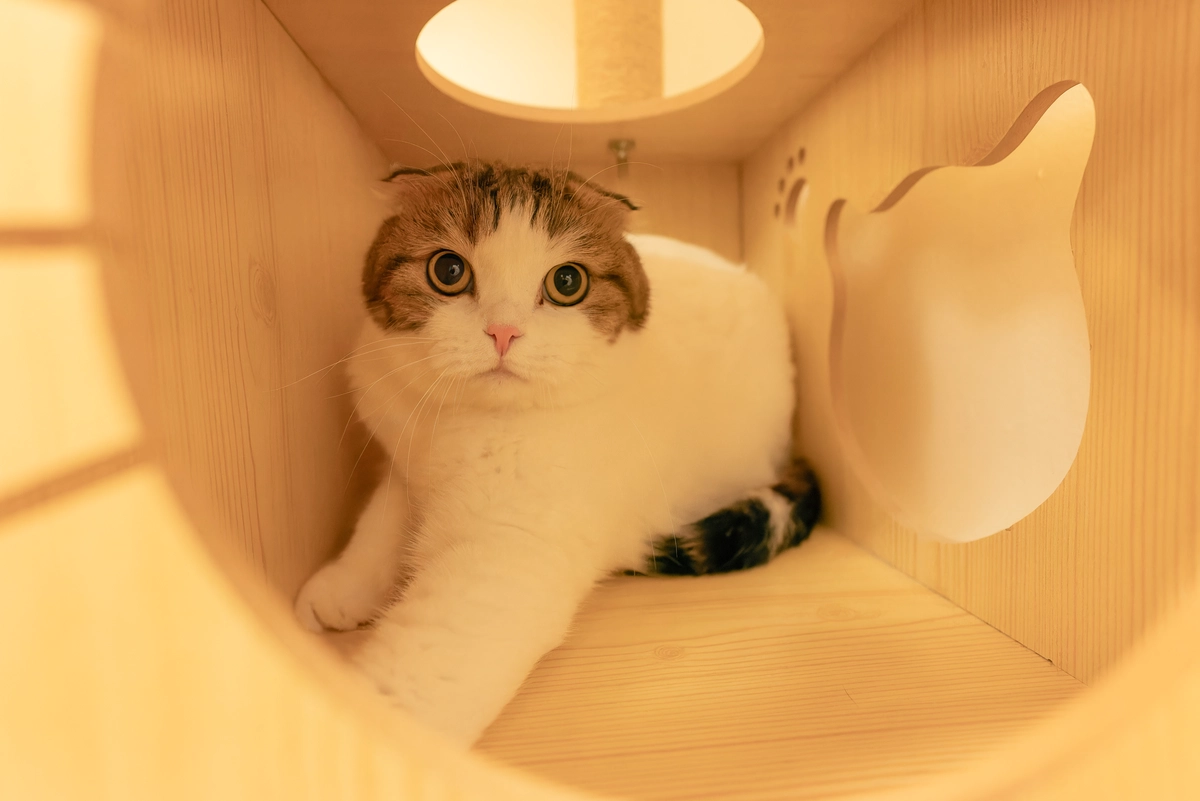
Credit: catparadisehotel.sg
When Grooming Indicates Serious Issues
Cats usually groom themselves to stay clean and healthy. Changes in grooming habits can signal serious health problems. Paying attention to these changes helps catch illnesses early. Grooming that is too much or too little often points to underlying issues.
Excessive Grooming And Skin Problems
Some cats lick or bite their skin a lot. This behavior may cause bald spots or wounds. Excessive grooming often means the cat feels pain or itchiness. Common causes include allergies, parasites, or infections. Stress and anxiety can also lead to overgrooming. Watch for redness, swelling, or scabs on the skin. These signs need prompt attention from a vet.
Lack Of Grooming And Health Concerns
A sick cat may stop grooming completely. Fur becomes dirty, oily, and matted without regular care. This lack of grooming can result from pain, weakness, or depression. Older cats or those with arthritis may find grooming hard. Illnesses like dental problems, kidney disease, or diabetes also reduce grooming. Notice if your cat’s coat looks dull or greasy. These changes suggest your cat needs a health check.
How Owners Can Help
Helping a sick cat with grooming is important for their comfort and health. Cats may stop grooming when they feel unwell. Owners can support their cats by paying close attention and gently encouraging grooming habits.
Monitoring Grooming Changes
Keep an eye on your cat’s grooming routine. Watch for signs like matted fur or greasy coat. Notice if your cat stops cleaning certain areas. Changes in grooming can signal health problems.
Regular checks help catch issues early. Record any unusual behavior or coat changes. Share this information with your vet. Early detection can lead to faster recovery.
Encouraging Grooming In Sick Cats
Create a calm space for your cat. Use soft brushes to gently groom them. This can stimulate grooming instincts and improve coat condition.
Offer plenty of water and good nutrition. Healthy food supports skin and fur health. Try to keep your cat comfortable and stress-free. Sometimes, a little patience goes a long way.

Credit: www.reddit.com
Veterinary Insights
Veterinarians observe that a cat’s grooming habits often reflect its health. When cats feel unwell, their grooming behavior usually changes. Healthy cats groom regularly to keep their fur clean and free of dirt. Sick cats might groom less or stop grooming altogether. This change can signal underlying health problems. Understanding these signals helps pet owners act quickly to support their cats.
Common Health Issues Affecting Grooming
- Skin infections and parasites cause discomfort and itching.
- Arthritis limits movement, making self-grooming difficult.
- Dental problems reduce a cat’s desire to groom.
- Obesity restricts flexibility needed for grooming.
- Chronic illnesses like kidney disease reduce energy levels.
- Stress and anxiety disrupt normal grooming routines.
Treatment Approaches
Veterinarians recommend treating the root cause of grooming problems. They may prescribe medication for infections or parasites. Pain relief can help cats with arthritis groom more easily. Dental care improves comfort and encourages grooming. Weight management supports better mobility. Nutritional support boosts overall health and energy. Behavior therapy or environmental changes reduce stress. Regular check-ups help catch issues early. Owners should monitor grooming habits closely and consult a vet when changes appear.
Frequently Asked Questions
Do Cats Stop Grooming When They Feel Sick?
Cats often reduce grooming when sick due to fatigue or pain. Lack of grooming can signal health issues and should prompt a vet visit.
How Does Illness Affect Cat Grooming Habits?
Illness can cause lethargy and discomfort, leading cats to groom less. Reduced grooming may cause matted fur or skin problems.
Can Poor Grooming Indicate Cat Health Problems?
Yes, poor grooming is a common sign of illness in cats. It suggests they might be experiencing pain, stress, or other health issues.
Should I Worry If My Cat Grooms Excessively When Sick?
Excessive grooming can indicate stress, pain, or skin irritation. It’s important to monitor and consult a vet if this behavior persists.
Conclusion
Cats often change their grooming habits when they feel sick. They may groom less or stop altogether. This behavior helps owners spot health problems early. Watching your cat’s grooming can reveal pain or illness. Regular vet visits keep your pet healthy and happy.
Pay attention to changes in your cat’s routine. Small signs can mean big health issues. Caring for your cat means noticing these details. Stay alert and support your cat’s well-being every day.

Leave a Reply