Have you ever wondered if a cat can give birth to kittens of different breeds all at once? It sounds surprising, right?
But if you’re a cat lover or thinking about adopting, this question might have crossed your mind. Understanding how cat breeding works can help you know what to expect when your feline friend becomes a mom. Keep reading to discover the truth behind this fascinating topic and clear up any confusion you might have!
Cat Breeding Basics
Understanding cat breeding basics helps explain if cats can give birth to multiple breeds at once. Cat breeding involves genetics and breed standards. This knowledge clarifies how kittens inherit traits and what affects their breed classification.
How Cat Genetics Work
Cat genetics determine coat color, pattern, and physical traits. Each kitten gets genes from both parents. These genes mix to create unique combinations.
Genes control specific features like fur length and eye color. Some traits are dominant and others recessive. Dominant genes usually show up more often in kittens.
Genetic diversity in cats means kittens in one litter may look different. But all kittens share the same parents’ genetic pool.
Single Breed Vs Mixed Breed Cats
Single breed cats come from parents of the same breed. Their kittens usually meet breed standards and look similar.
Mixed breed cats have parents from different breeds or unknown backgrounds. Their kittens show a mix of traits from both sides.
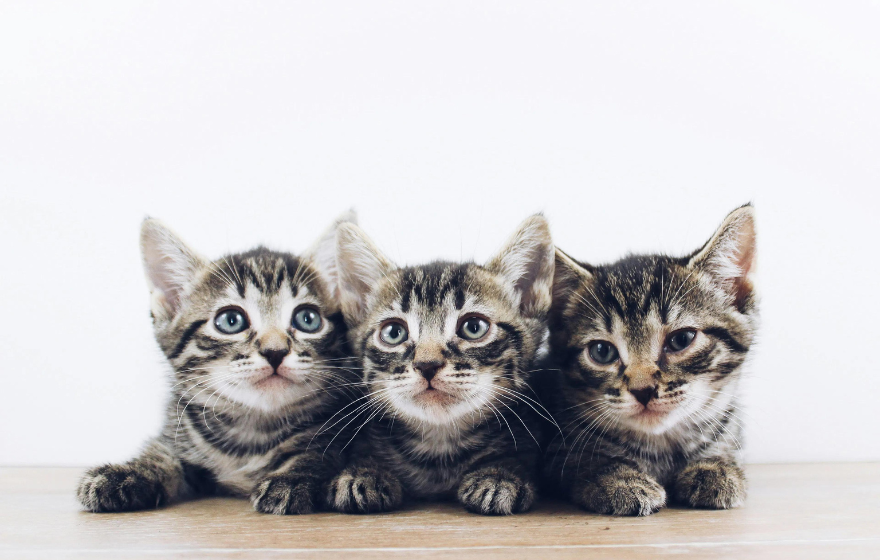
It is rare for one litter to contain multiple distinct breeds. Usually, kittens are either single breed or mixed breed together.
Credit: medium.com
Multiple Breeds In One Litter
Cats can give birth to litters with kittens that look very different from each other. Sometimes, these kittens may even show traits from more than one breed. This happens because of how cats inherit genes and how multiple fathers can be involved in one litter. The result is a diverse group of kittens born together, each with unique looks and personalities.
Possibility Of Mixed Breed Kittens
Kittens in a single litter can have mixed breed characteristics. This occurs when the mother cat carries genes from different breeds. Each kitten inherits a unique mix of these genes. The variation can show in fur color, pattern, size, and body shape. Mixed breed kittens are common, especially in outdoor or community cats.
Role Of Multiple Fathers
Mother cats can mate with more than one male during their heat cycle. This means kittens in one litter can have different fathers. This phenomenon is called superfecundation. It increases genetic diversity within the litter. Kittens with different fathers may look very different, even if their mother is the same.
Examples From Real Litters
- A mother cat mated with a Siamese and a tabby male. The kittens showed both point coloration and stripes.
- One litter had large, fluffy kittens and small, short-haired kittens. They had two different fathers.
- A community cat gave birth to a litter with solid-colored and spotted kittens, showing mixed heritage.
Factors Influencing Litter Diversity
Cats can surprise us in many ways, including the diversity of their litters. Have you ever wondered why a single cat can have kittens that look so different from one another? Several factors influence this phenomenon, each contributing to the unique mix of appearances and traits within a litter. Understanding these factors can deepen your appreciation for the complexity of feline genetics and breeding.
Mating Behavior Of Female Cats
Female cats, or queens, have unique mating behaviors that significantly impact litter diversity. During their heat cycle, queens can mate with multiple males. This means a single litter can have kittens fathered by different tomcats, each contributing its own genetic material.
Imagine a neighborhood with several male cats; each mating session adds to the genetic pool. This variety can lead to a litter where kittens have different fur colors, patterns, and even temperaments. It’s like a genetic lottery, with each kitten drawing from a diverse set of possibilities.
Timing And Fertilization Process
The timing of mating and fertilization also plays a crucial role. A queen’s ovulation is induced by mating, meaning she can release eggs at various times. This staggered release allows fertilization by sperm from different males, further increasing genetic diversity.
Consider the queen’s reproductive window as a brief but dynamic period. Each mating act can lead to the fertilization of eggs released at different intervals. This process underscores why kittens in the same litter can have varied genetic backgrounds.
Genetic Variation Explained
Genetic variation is the backbone of litter diversity. Each cat has a unique genetic makeup, a combination of its parents’ genes. When multiple fathers contribute to a litter, the genetic combinations multiply, leading to a wide range of traits.
Think of it like mixing different colors of paint. Each parent adds its own shade, resulting in offspring with unique hues. This genetic tapestry ensures that no two kittens are exactly alike, even when they share the same mother.
Have you observed a litter with surprising diversity? Next time you see a group of kittens, consider the fascinating genetic journey that brought them into the world. Understanding these factors not only enriches your knowledge but also enhances your appreciation for the wonders of nature.
Implications For Cat Owners
Understanding the implications of cats giving birth to multiple breeds in one litter helps owners prepare better. It affects how owners care for the kittens and choose the right one. Awareness of breed differences and health needs is important for all cat owners.
Recognizing Different Breeds In A Litter
Kittens from the same litter can show different traits. Coat colors, patterns, and body shapes may vary. Some may have long fur, others short. Eye color and ear shape can also differ. Identifying these traits helps owners know each kitten’s breed mix.
Pay attention to:
- Fur length and texture
- Color patterns like stripes or spots
- Size and build of each kitten
- Distinctive facial features
Health Considerations
Mixed breed litters may face unique health needs. Some breeds have genetic conditions that require care. Regular vet visits can catch health issues early. Vaccinations and proper nutrition are vital for all kittens. Keep track of each kitten’s growth and behavior for signs of illness.
- Schedule early health checks
- Feed a balanced diet suitable for all breeds
- Watch for breed-specific health problems
- Provide a safe, clean environment
Choosing The Right Kitten
Pick a kitten that fits your lifestyle and home. Consider energy levels and temperament, which vary by breed. Some breeds are more active, others calm. Size and grooming needs differ too. Spend time with each kitten to see their personality. Choose the one you connect with the most.
- Match kitten’s activity with your daily routine
- Think about grooming time and effort
- Consider future size and space needs
- Observe interaction with people and other pets
Myths About Cat Births Debunked
Many people wonder if cats can give birth to kittens of different breeds at once. This curiosity often leads to a mix of facts and myths that can confuse even the most attentive cat owners. Let’s clear up these misunderstandings and give you the real story behind cat births.
Common Misconceptions
A widespread myth is that a single cat can give birth to kittens of various breeds in one litter. This idea likely comes from seeing kittens with different colors and patterns. However, these differences do not mean different breeds.
People also believe that if a cat mates with multiple male cats, the kittens will be from different breeds. While a litter can have multiple fathers, the breed of the mother cat remains the same for all kittens. The kittens will share the mother’s breed traits, but may show a variety of colors and patterns inherited from the fathers.
Scientific Facts Vs Folklore
Scientifically, a cat’s breed is determined by genetics inherited from both parents. If the mother is a pure breed and fathers are of different breeds, the kittens may show mixed traits but won’t belong to separate breeds within the same litter.
Genetics explain why you might see a Siamese-looking kitten alongside a tabby-patterned sibling. It’s all about which genes are passed down, not multiple breed births. This variation often leads to confusion but is simply nature’s way of mixing traits.
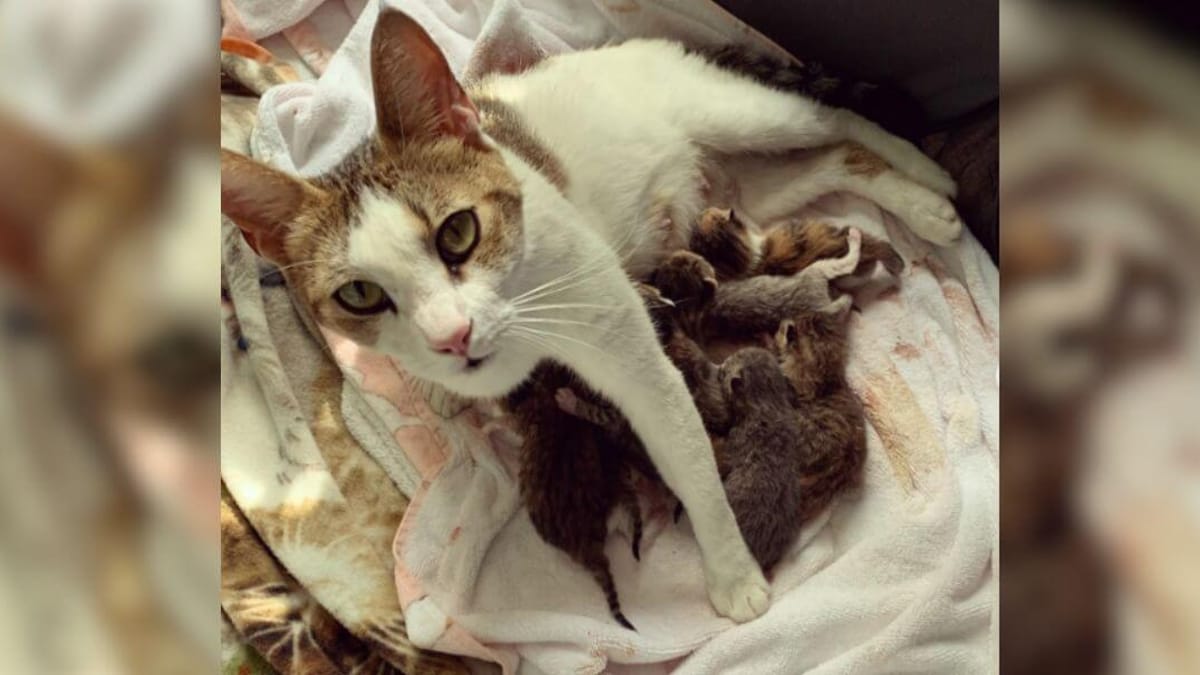
Have you ever noticed kittens in the same litter looking very different yet all belonging to the same mother? That’s a perfect example of how genetics work, not a case of multiple breed births.

Credit: www.youtube.com
Credit: wamiz.co.uk
Frequently Asked Questions
Can Cats Have Kittens Of Different Breeds Simultaneously?
Yes, a cat can have kittens of different breeds if the father cats are different breeds. This occurs when a female mates with multiple males during her heat cycle. The litter may show diverse traits reflecting each father’s breed.
How Does Multiple Breed Birth Happen In Cats?
Multiple breed birth happens when a female mates with several males. Each kitten inherits genes from one father. This leads to a litter with mixed breed characteristics, making each kitten unique in appearance and behavior.
Are Kittens From Different Breeds Healthy Together?
Yes, kittens from different breeds can be healthy together. Genetic diversity often strengthens their immune system. Proper care, nutrition, and veterinary support are vital for their growth and health regardless of breed differences.
Can Breed Differences Affect A Cat Litter’s Behavior?
Breed differences can influence kittens’ behavior. Each breed has unique traits and temperaments. Mixed breed litters may show varied behaviors, combining traits from all parent breeds, making their personalities diverse and interesting.
Conclusion
Cats cannot give birth to multiple breeds at once. Each kitten shares genes from the same parents. Different breeds come from different cat parents. Sometimes, a litter has kittens that look different. This happens because of mixed genes in their family.
Every kitten is unique but belongs to one breed mix. Understanding this helps clear up common myths. Knowing how cat genetics work is helpful for owners. It makes watching kittens grow even more exciting.


Leave a Reply