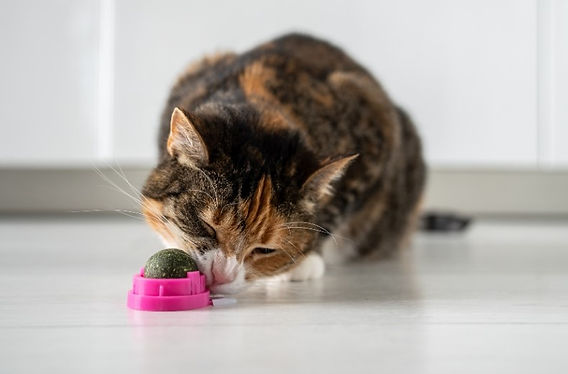
If you’re a cat owner, you’ve probably seen toys filled with catnip and wondered, “Are these really safe for my furry friend?” You want to give your cat the best playtime experience, but you also want to keep them healthy and happy. Understanding the effects of catnip and how it interacts with your cat is key.
You’ll discover the truth about catnip toys, how they affect your cat’s behavior, and what you should watch out for. Keep reading to make sure your kitty’s next play session is both fun and safe.

Credit: www.amazon.com
How Catnip Affects Cats
Understanding how catnip affects cats is key to knowing whether catnip toys are safe for your furry friend. Catnip triggers specific reactions that vary from cat to cat, influencing their mood and behavior. Let’s break down what happens when your cat interacts with catnip and what you should watch for.
Catnip’s Active Compounds
Catnip contains a natural oil called nepetalactone, which is the main ingredient that affects cats. This compound binds to receptors inside your cat’s nose, triggering a response in their brain. It’s interesting that not all cats are sensitive to nepetalactone—about 30% to 50% of cats show little to no reaction.
Typical Catnip Reactions
Your cat might suddenly seem playful, rubbing their face on the toy, rolling around, or chasing imaginary prey. Others may become more relaxed, almost like they’re in a mild trance. It’s common to see behaviors like:
- Increased vocalization
- Hyperactivity or sudden bursts of energy
- Sniffing and licking the toy
- Occasional drooling or pawing at the face
Have you noticed your cat acting differently after playing with catnip? Their unique reaction can tell you a lot about their personality and preferences.
Duration Of Effects
The effects of catnip usually last about 5 to 15 minutes. After this, your cat typically loses interest and won’t respond to the catnip again for about an hour. This reset period helps prevent overstimulation.
Because the effect is temporary, catnip toys can be a great way to engage your cat without causing harm. Just watch for signs of overstimulation, like agitation or excessive licking, to keep playtime fun and safe.
Safety Of Catnip Toys
Catnip toys can be a fun and stimulating addition to your cat’s playtime, but it’s important to consider their safety. While most cats enjoy catnip without any issues, some risks do exist. Understanding these risks helps you keep your furry friend happy and healthy.
Potential Risks
Catnip is generally safe, but too much exposure can cause mild digestive upset or agitation in some cats. Toys filled with catnip might encourage rough play, leading to accidental scratches or bites. Additionally, low-quality catnip toys may contain harmful materials or chemicals, so always check the label before buying.
Signs Of Overexposure
Watch for signs that your cat has had too much catnip. These include excessive drooling, hyperactivity, or even vomiting. If your cat seems overly aggressive or restless after playing, it’s time to take a break from catnip toys and let them calm down.
Allergic Reactions
Although rare, some cats can have allergic reactions to catnip. Symptoms might include sneezing, coughing, or skin irritation around the mouth and paws. If you notice any unusual behavior or physical signs after your cat interacts with catnip toys, stop use immediately and consult your vet.
Choosing Safe Catnip Toys
Choosing the right catnip toy for your feline friend can be a delightful yet daunting task. With so many options available, how do you ensure that the toy is safe and enjoyable? Your cat’s health and happiness depend on it. Prioritize safety by focusing on the materials and brands that manufacture these toys. Regular inspection of these toys can prevent potential hazards.
Materials To Avoid
Not all materials are safe for your cat. Steer clear of toys made with cheap plastics, as they can break easily and pose a choking risk. Avoid toys with small parts that can be swallowed. Fabrics treated with toxic dyes can also be harmful if ingested. Opt for natural materials like cotton or wool, which are safer if your cat decides to chew on them.
Certified Safe Brands
Choosing toys from certified brands can give you peace of mind. Brands with safety certifications ensure their products are tested and free from harmful chemicals. Look for companies that are transparent about their manufacturing processes. Have you ever checked if your cat’s favorite toy brand is certified? It might be time to investigate.
Inspecting Toys Regularly
Even the best toys can wear out over time. Regularly inspect your cat’s toys for signs of damage. Look for loose threads, cracks, or any small parts that could come off. If a toy shows signs of wear, it’s safer to replace it. Is your cat’s favorite toy looking a bit worse for wear? It might be time for a new one to ensure their safety.

Credit: www.amazon.com
Proper Use Of Catnip Toys
Using catnip toys correctly keeps cats safe and happy. Catnip excites cats, but too much can cause stress or tiredness. Knowing how to use these toys properly helps your cat enjoy playtime without harm. Follow simple rules for the best results.
Moderation Guidelines
Limit catnip play to short sessions. Around 10 to 15 minutes per day is ideal. Overuse can make cats less interested in the toy. Rotate catnip toys with other types to keep play fresh. Some cats do not react to catnip at all. Watch your cat’s behavior and adjust accordingly.
Supervised Playtime
Always watch your cat during catnip play. Some cats become overly excited or aggressive. Supervision prevents accidents or damage to the toy. Remove the toy if your cat chews or swallows pieces. Supervised play helps build trust and fun moments.
Cleaning And Maintenance
Keep catnip toys clean to avoid germs and dirt. Hand wash or spot clean with mild soap and water. Let the toy dry completely before giving it back. Replace toys if catnip loses its scent or the toy gets damaged. Clean toys keep your cat healthy and interested.
Alternatives To Catnip Toys
Not all cats react to catnip. Some cats show little or no interest at all. Finding alternatives can keep your cat happy and active.
These options offer safe and fun ways to stimulate your cat’s senses. They encourage play and reduce boredom.
Silvervine And Valerian
Silvervine is a plant that excites many cats. It often works for cats that don’t react to catnip. Valerian root also attracts cats and promotes playfulness. Both are natural and safe in small amounts. Toys or powders with silvervine or valerian create new fun experiences.
Interactive Toys
Interactive toys engage your cat’s mind and body. Toys that move or make noise catch their attention. Puzzle feeders challenge cats to earn treats. Laser pointers encourage chasing and exercise. Interactive play helps build your bond and keeps your cat healthy.
Diy Cat Enrichment Ideas
Simple homemade toys can excite your cat. Use crumpled paper balls or cardboard boxes for hiding and pouncing. Create tunnels from old fabric or paper bags. Hide treats in different spots around the house. Rotate these toys to keep playtime fresh and interesting.
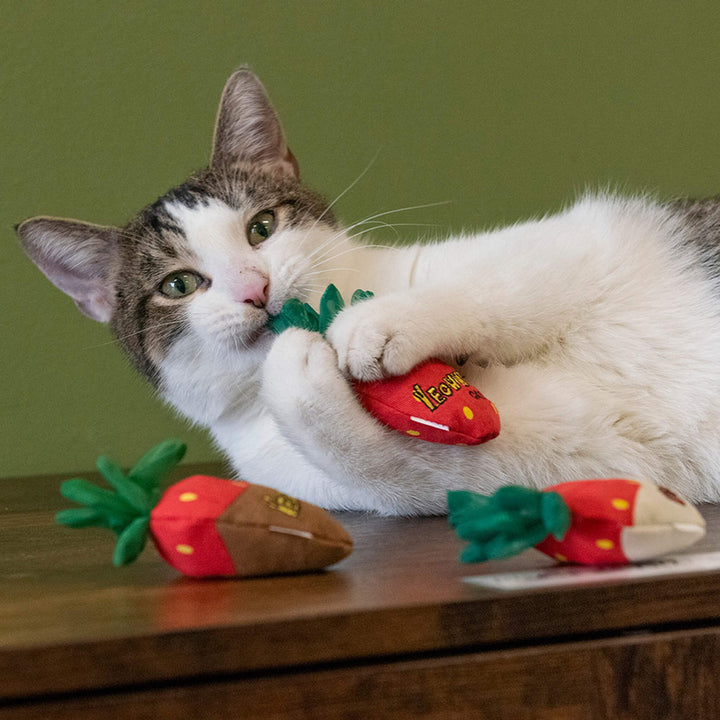
Credit: www.onlynaturalpet.com
Frequently Asked Questions
Are Toys With Catnip Safe For All Cats?
Most cats safely enjoy catnip toys. However, kittens under three months and some cats may be sensitive. Always monitor your cat’s reaction and remove the toy if any signs of distress appear.
Can Catnip Toys Cause Addiction In Cats?
Catnip is non-addictive and safe. Cats may become temporarily overstimulated but will lose interest after a short time. Moderation is key to keep playtime healthy and fun.
How Often Should Cats Play With Catnip Toys?
Limit catnip toy play to a few times per week. This prevents overstimulation and maintains the catnip’s effectiveness. Always supervise play to ensure your cat’s safety.
Do All Cats Respond To Catnip Toys?
About 50-70% of cats react to catnip, influenced by genetics. Some cats show excitement, others no interest. If your cat doesn’t respond, try alternative stimulating toys.
Conclusion
Toys with catnip can be fun and safe for most cats. Watch your cat’s reaction closely. Some cats may not like catnip or could get too excited. Always choose quality toys without harmful materials. Give catnip toys in small amounts to avoid problems.
This way, your cat can enjoy playtime safely. Keep an eye on your pet’s health and mood. Safe play helps your cat stay happy and active.


Leave a Reply