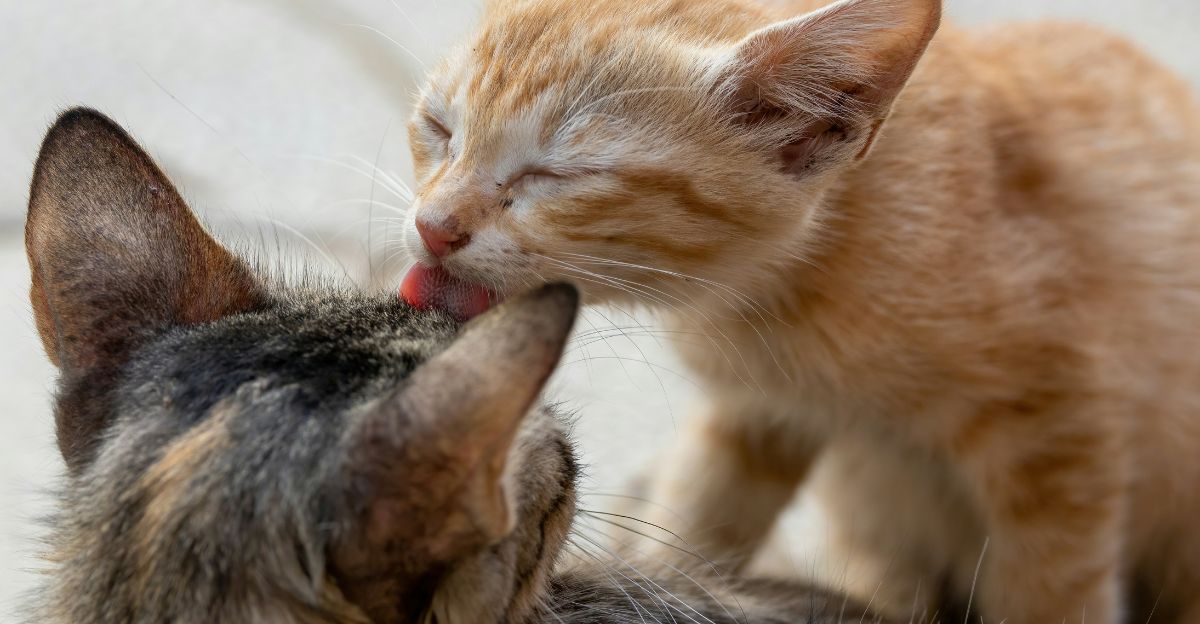
Have you ever watched your cats lovingly groom each other, only to see them suddenly start fighting right afterward? It can be confusing and even a little upsetting to witness this change in behavior.
You might wonder, why do my cats fight after grooming each other? Understanding this puzzling behavior can help you keep peace in your home and strengthen the bond between your furry friends. Keep reading, and you’ll discover surprising reasons behind this strange switch—and simple ways to manage it.
Cat Grooming Behavior
Cats groom each other to show care and trust. This behavior helps build strong bonds between them. Grooming is not just about cleaning fur. It is a way cats communicate and share feelings. Understanding cat grooming behavior helps explain why fights might happen after grooming sessions.
Social Bonding Through Grooming
Grooming is a social activity for cats. It creates closeness and reduces stress. Cats groom friends and family members to strengthen relationships. This act shows acceptance and friendship. It also helps cats feel safe and calm together. Grooming releases calming hormones that promote peace. When grooming ends, some cats may feel more sensitive or protective. This can lead to short disagreements or playful fights.
Common Grooming Rituals
Cats follow certain routines during grooming. They lick the fur gently, focusing on hard-to-reach spots. Cats often start grooming near the head and move backward. They use their tongues to remove dirt and loose hair. Grooming may include nibbling or gentle biting to clean tough areas. Cats often take turns grooming each other. This sharing strengthens their bond. Grooming sessions can last from a few minutes to half an hour. Sometimes, overstimulation or a sudden movement can trigger a fight after grooming.
Triggers For Post-grooming Fights
Understanding why cats sometimes fight after grooming each other can help you manage their behavior better. These post-grooming fights often arise from specific triggers that disrupt their otherwise peaceful interaction. Identifying these triggers allows you to create a calmer environment for your feline friends.
Overstimulation And Sensory Overload
Grooming feels great for cats, but too much petting or licking can overwhelm their sensitive skin. This overstimulation can quickly turn affection into irritation. You might notice your cat suddenly swatting or biting after a long grooming session—it’s their way of saying, “Enough.”
Have you ever had a moment when you just wanted to stop being touched? Cats feel the same. Watch for signs like tail flicking or ears flattening to catch overstimulation early.
Territorial Disputes
Even friendly grooming can stir up territorial feelings. Cats use grooming to bond, but sometimes it’s also a way to mark ownership over each other. If one cat feels another is encroaching on their space, a fight might break out.
Think about your cats’ usual hangout spots. Do they defend these areas aggressively after grooming? Knowing their favorite zones can help you prevent conflicts.
Miscommunication Between Cats
Cats rely heavily on body language during grooming. A slight change in posture or a flick of the tail can send mixed signals. What one cat means as playful, another might interpret as a challenge.
Have you noticed your cats suddenly change their behavior mid-groom? Misreading each other’s signals is common and can escalate into a scuffle. Observing their interactions closely can help you intervene before things get tense.
Body Language Signals
Cats often show mixed body language after grooming, signaling both trust and tension. Quick tail flicks or stiff postures can lead to sudden fights despite their close bond. Understanding these signals helps explain why friendly grooming sometimes ends in conflict.
Understanding your cats’ body language can be a game-changer in managing their behavior, especially after grooming sessions. Cats often communicate subtle signals that can help you decipher their mood and intentions. By paying attention to these cues, you can anticipate and possibly prevent fights that occur after grooming.Signs Of Discomfort During Grooming
Cats are generally independent creatures, and while grooming each other can be a bonding activity, it can also cause discomfort. – Twitching tails: If your cat’s tail starts to twitch or flick rapidly, it may signal irritation or impatience. – Flattened ears: Ears that are pinned back against the head are often a sign of annoyance or discomfort. – Sudden tense posture: If your cat’s body becomes stiff or tense, this might indicate they are not enjoying the grooming process. Observing these signs allows you to intervene before tensions escalate.Warning Signs Before A Fight
Even after grooming, certain body language signals can indicate that a fight is imminent. – Dilated pupils: Large, round pupils can be a sign of excitement or aggression. – Growling or hissing: Audible warning sounds are clear indicators that a cat is feeling threatened or annoyed. – Raised fur: A puffed-up coat, especially along the back, is a classic sign that a cat is preparing to assert itself. Recognizing these signals early can help you separate the cats or distract them with a toy, preventing a fight from breaking out. Have you ever noticed these signals in your cats? Observing and understanding their body language not only helps maintain peace but also strengthens your bond with them.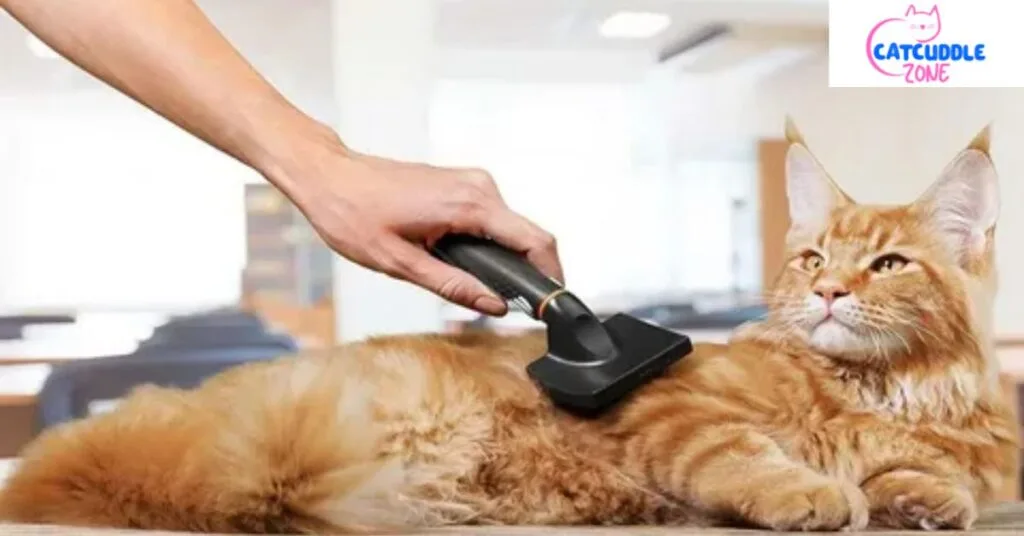
Credit: catcuddlezone.com
Personality Differences
Personality differences play a big role in why your cats might fight after grooming each other. Even though grooming is usually a sign of bonding, not every cat handles it the same way. Their unique traits and tolerance levels can turn a gentle grooming session into a tense moment.
Dominant Vs. Submissive Traits
Some cats naturally take on a dominant role, while others are more submissive. A dominant cat might expect the submissive one to be patient and still during grooming. But if the submissive cat feels overwhelmed or wants to switch roles, tension can rise quickly.
Imagine your dominant cat insists on grooming a shy cat who doesn’t like too much touch. The shy cat might suddenly pull away or swat, which can spark a fight. Have you noticed which of your cats tries to control the grooming sessions? This can help you predict and prevent conflicts.
Tolerance Levels Among Cats
Each cat has a different level of tolerance for touch and closeness. Some love long grooming sessions and never seem to get annoyed. Others only tolerate brief contact before feeling stressed.
Your cats might start grooming happily but one could reach their limit faster than the other. When this happens, the cat with lower tolerance might hiss or swipe to stop the grooming. Pay attention to body language like tail flicks or ears flattening—these are clues your cat is reaching their limit.
Understanding these personality differences lets you step in before a fight starts. Could adjusting the grooming time or separating them help keep peace? Small changes based on your cats’ personalities can make a big difference in their relationship.
Environmental Factors
Environmental factors play a significant role in why your cats might start fighting after grooming each other. Even though grooming usually strengthens their bond, certain conditions around them can cause tension. Understanding these factors can help you create a calmer space and reduce conflicts.
Space Constraints
Cats need their own territory, and a lack of space can quickly turn grooming into a power struggle. If your cats are sharing a small area, they might feel crowded or threatened. This can cause stress, leading to fights after what should be a peaceful grooming session.
Have you noticed your cats growl or swat after grooming in a cramped room? Adding vertical spaces like cat trees or shelves can give them room to escape and feel safe. This simple change often reduces post-grooming aggression significantly.
External Stressors Impacting Behavior
Noise, unfamiliar visitors, or changes in routine can affect how your cats behave around each other. Even if they groom peacefully, sudden external stress can make them jumpy or defensive afterward.
Think about any recent changes in your home. Has there been construction noise, new pets, or visitors? These stressors can trigger fights after grooming because your cats feel unsettled and less tolerant.
To help, try to minimize loud noises and keep a consistent routine. Providing hiding spots and quiet areas lets your cats decompress, reducing the chance of fights breaking out after grooming sessions.
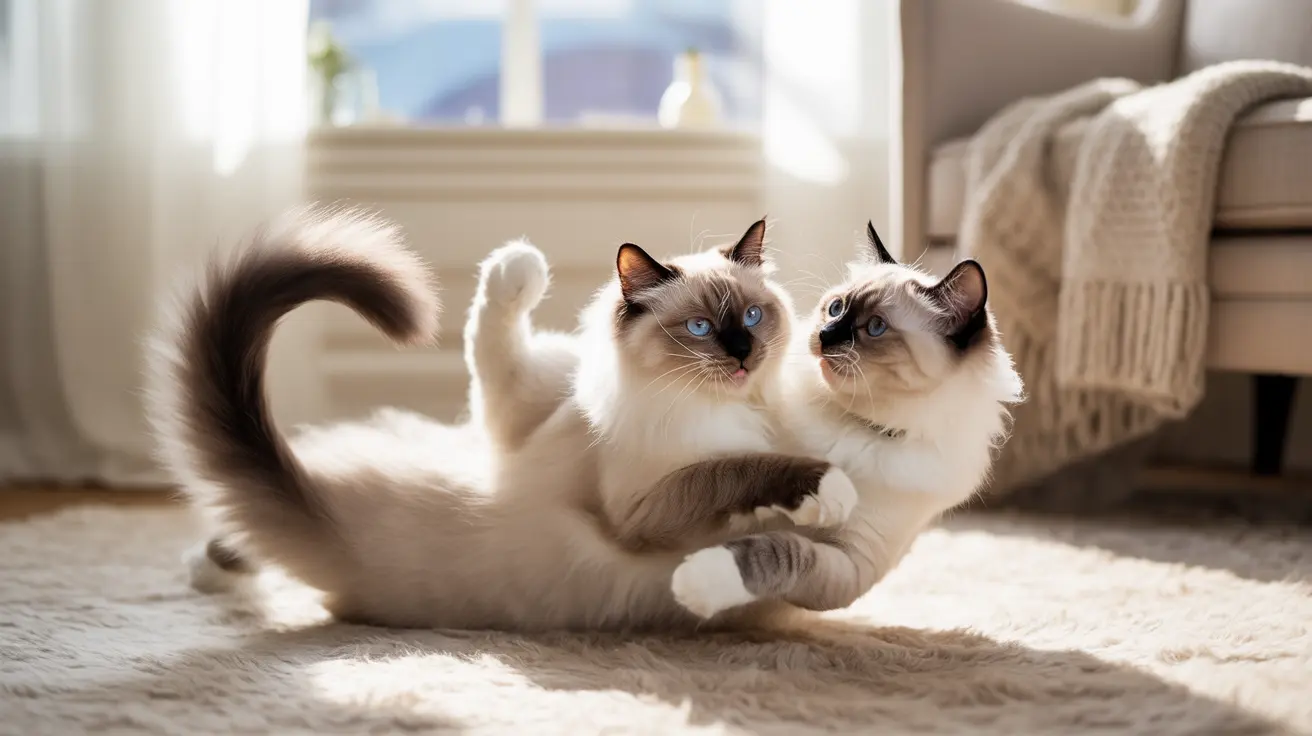
Credit: www.petscare.com
Preventing Fights After Grooming
Preventing fights after cats groom each other helps keep peace at home. Grooming is a bonding act, but tension can rise afterward. Creating a calm space and managing their time together reduces conflict. These steps support harmony and comfort for your cats.
Creating A Calm Environment
Keep the room quiet and free from loud noises. Soft lighting helps cats feel relaxed. Provide cozy spots where each cat can rest alone if needed. Avoid sudden movements or strangers nearby. A calm place lowers stress and stops fights.
Managing Interaction Time
Limit grooming sessions to short, positive periods. Watch their body language for signs of irritation. Separate them gently before tension builds. Offer treats or toys after grooming to create good feelings. Balanced interaction time keeps cats happy and peaceful.
When To Seek Help
Knowing when to seek help is important if your cats fight after grooming each other. Some fights may be normal, but others show serious problems. Early action can prevent injuries and stress. Understanding warning signs helps you decide when to get advice from a professional. Below are key points to watch for and steps to take.
Signs Of Aggression Needing Intervention
- Hissing, growling, or yowling during or after grooming
- Swatting or biting that causes wounds
- One cat hiding or avoiding the other frequently
- Rapid tail flicking or flattened ears
- Repeated fights that last longer than a few seconds
- Changes in eating or litter box habits due to stress
Consulting A Veterinarian Or Behaviorist
Talk to a veterinarian to rule out health problems. Pain or illness can cause aggression. The vet may check for injuries or infections.
A cat behaviorist can help with aggression issues. They observe your cats and suggest changes. They teach ways to reduce fights and improve bonding. Acting quickly can restore peace in your home.

Credit: basepaws.com
Frequently Asked Questions
Why Do Cats Fight After Grooming Each Other?
Cats may fight after grooming due to overstimulation or miscommunication. Grooming is bonding, but too much can irritate a cat, leading to a sudden fight.
Is Post-grooming Fighting Normal Between Cats?
Yes, occasional fighting after grooming is normal. It often happens when one cat becomes annoyed or feels threatened by the other’s actions.
How Can I Stop Cats From Fighting After Grooming?
Distract them with toys or treats immediately after grooming. Separating them briefly can also help calm any tension and reduce fights.
Does Grooming Cause Stress That Leads To Cat Fights?
Grooming can cause mild stress if one cat feels overwhelmed. This stress sometimes triggers defensive or aggressive behavior, leading to fights.
Conclusion
Cats grooming each other show trust and care. Sometimes, small fights happen after grooming. It is normal and often short. These fights help cats set boundaries and roles. Watch their body language to understand their mood. Give them space if they seem upset.
Keeping calm helps reduce tension between cats. Understanding their behavior creates a peaceful home. With patience, your cats will get along better. Enjoy their unique way of bonding every day.



Leave a Reply