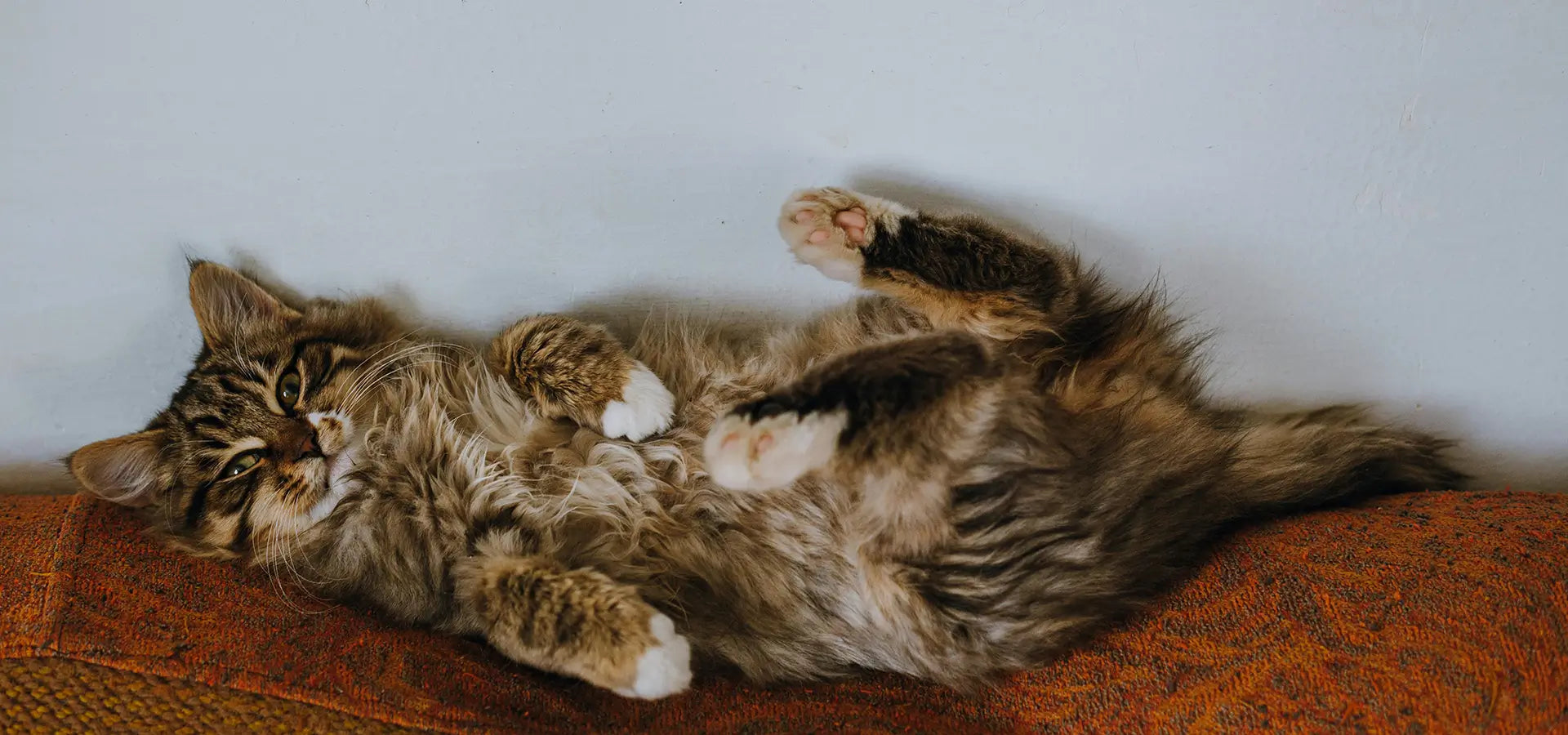
If you have a Maine Coon cat, you know how beautiful and fluffy they are. But keeping that thick fur clean and tangle-free can be a challenge.
Grooming your Maine Coon yourself might sound tricky, but it’s easier than you think. With the right steps, you can keep your cat looking healthy and feeling comfortable without spending a fortune or stressing your furry friend. Ready to discover simple tips that will make grooming a breeze?
Let’s dive in and help your Maine Coon shine!

Credit: tryfurgo.com
Maine Coon Cat Coat Traits
The Maine Coon cat has a distinct coat that sets it apart from other breeds. Its fur is thick and lush, designed to protect against cold weather. Understanding the traits of a Maine Coon’s coat helps make grooming easier and more effective.
Fur Texture And Length
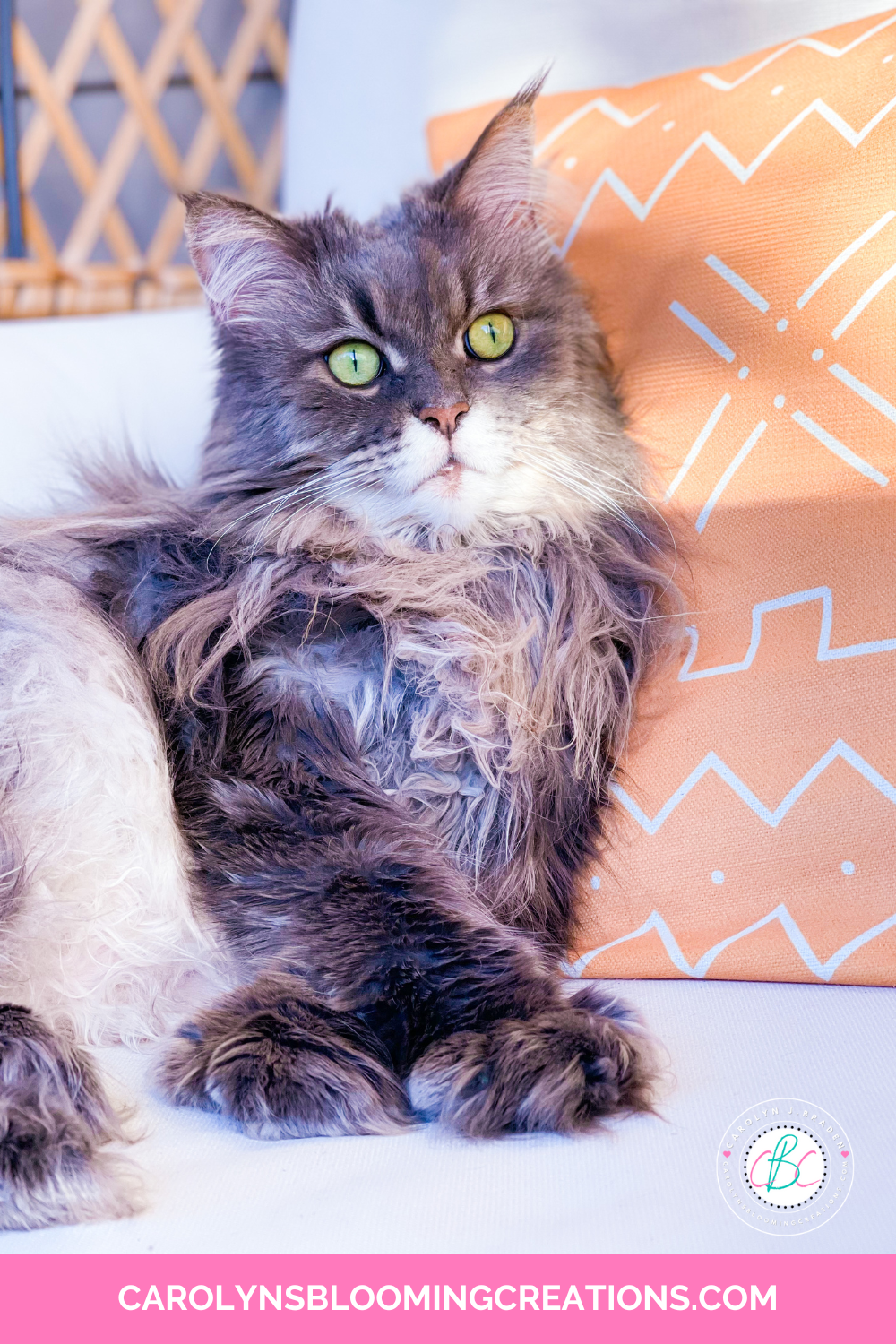
Maine Coons have a double coat with two layers. The top layer is long and glossy, while the undercoat is soft and dense. Their fur is silky, not woolly, and feels smooth to the touch. The length varies by body part—longer on the ruff, belly, and tail, shorter on the head and legs.
Shedding Patterns
This breed sheds moderately throughout the year. Shedding increases during seasonal changes, especially in spring and fall. Loose hair can get trapped in the thick undercoat. Regular brushing helps remove dead fur and reduces shedding around the home.
Common Grooming Challenges
- Matting in thick areas like the belly and behind the ears.
- Tangles in the long fur on the tail and ruff.
- Removing dirt and debris trapped in the dense undercoat.
- Keeping the fur dry and clean to avoid skin issues.
Frequent grooming prevents these problems and keeps the coat healthy. Patience and gentle care are key when handling your Maine Coon.
Credit: www.carolynsbloomingcreations.com
Essential Grooming Tools
Grooming a Maine Coon cat requires the right tools. These tools make brushing, combing, and nail trimming easier. Using proper supplies keeps your cat comfortable and healthy. It also prevents mats and reduces shedding. Here are the essential grooming tools you need for your Maine Coon.
Brush Types For Maine Coons
Choose brushes that suit your Maine Coon’s thick fur. A slicker brush works well to remove loose hair and dirt. It helps prevent tangles and mats. A wide-toothed comb is good for gently detangling fur. It reaches deep into the thick coat without hurting your cat. A bristle brush smooths the fur and adds shine. Using a combination of brushes keeps the coat clean and soft.
Combs And Nail Clippers
A fine-toothed comb helps find small mats and debris. It also removes fleas or dirt near the skin. Nail clippers designed for cats are essential. They prevent overgrown nails, which can cause pain or injury. Use sharp, small clippers for better control. Always trim nails carefully to avoid cutting the quick, which hurts your cat.
Other Helpful Supplies
- Grooming gloves to catch loose hair during petting
- Styptic powder to stop bleeding from accidental nail cuts
- Ear cleaner to keep ears free of wax and dirt
- Pet wipes to clean paws and fur between brushing
- A grooming mat or towel to keep your area clean
Daily Grooming Routine
Grooming a Maine Coon cat daily keeps its thick fur clean and healthy. Use a wide-tooth comb to gently remove tangles and loose hair. Regular brushing prevents mats and reduces shedding around your home.
Caring for your Maine Coon cat’s majestic coat requires a daily grooming routine that not only keeps their fur looking fabulous but also strengthens your bond with them. This routine is essential in managing shedding, preventing tangles, and ensuring your cat’s overall health. Let’s dive into the key aspects of this daily ritual to keep your feline friend looking their best.Brushing Techniques
Start by choosing a high-quality brush suitable for long-haired cats. A slicker brush works well for removing loose fur and dirt. Brush your Maine Coon gently but thoroughly. Begin at the head and work your way down to the tail, following the natural direction of the fur. This helps in minimizing discomfort and makes the experience enjoyable for your cat. Make it a relaxing experience by speaking softly and offering treats. This positive reinforcement will make them look forward to grooming time.Checking For Mats And Tangles
Maine Coons are prone to mats and tangles due to their thick fur. Regularly check areas like under the arms and behind the ears where tangles often form. Use your fingers to gently separate any mats you encounter. If needed, use a mat splitter for stubborn tangles, but be cautious not to tug or pull on the skin. How often do you check your cat for mats? Doing this daily can prevent painful grooming sessions later.Cleaning Ears And Eyes
Examine your cat’s ears for wax buildup or dirt. Use a soft, damp cloth or a cotton ball to gently clean the outer ear area. For their eyes, wipe away any discharge using a separate damp cloth. Ensure you use a different section of the cloth for each eye to avoid spreading infections. Have you noticed any unusual discharge or odor? If so, it might be time to consult your vet. Implementing this daily grooming routine not only keeps your Maine Coon cat looking regal but also helps you monitor their health closely. Enjoy these moments of connection and care with your furry companion!
Credit: tryfurgo.com
Bathing Your Maine Coon
Bathing your Maine Coon can feel like a big task, but it’s an important part of keeping their thick coat clean and healthy. Unlike some cats, Maine Coons often tolerate water better if you introduce the process gently and know when and how to bathe them properly. Understanding the right timing and safe techniques can make bath time a positive experience for both you and your furry friend.
When To Bathe
How often should you bathe your Maine Coon? Generally, they don’t need frequent baths because their fur is naturally water-resistant and self-cleaning. Bathing every 6 to 8 weeks is enough unless your cat gets into something messy or has a skin condition that requires extra care.
Watch for signs like excessive dirt, grease, or dandruff in their coat. If your Maine Coon starts to smell or has mats that brushing can’t fix, a bath is a good idea. Avoid bathing right before or after a stressful event to keep your cat calm.
Safe Bathing Steps
- Prepare the space:Use a sink or bathtub with a non-slip mat to prevent slipping.
- Use lukewarm water:Test the water temperature on your wrist; it should feel comfortably warm, not hot.
- Gentle shampoo:Choose a cat-specific shampoo free of harsh chemicals and fragrances.
- Wet carefully:Use a cup or gentle spray to wet your Maine Coon slowly, avoiding the head area at first.
- Shampoo and rinse:Lather the shampoo gently and rinse thoroughly to remove all soap, preventing skin irritation.
- Clean the face:Use a damp washcloth to wipe your cat’s face instead of pouring water over it.
- Stay calm:Speak softly and move slowly to keep your cat relaxed throughout the process.
Drying Tips
Drying your Maine Coon properly is just as important as the bath itself. Use a large, soft towel to blot away excess water. Avoid rubbing vigorously, as this can tangle their fur.
If your cat allows, use a blow dryer on the lowest heat setting, keeping it at a safe distance. Some Maine Coons enjoy the warm air, but others may find it stressful—observe your cat’s reaction closely.
Make sure your cat stays in a warm room until fully dry to prevent chills. Have you noticed how your Maine Coon’s coat fluffs up after a bath? It’s a good sign their fur is drying well and staying healthy.
Nail And Paw Care
Nail and paw care is vital for Maine Coon cats. Their large size and active nature require regular attention. Healthy nails prevent scratches and damage to furniture. Clean paws keep infections and dirt away. This care helps your cat stay comfortable and happy.
Trimming Nails Safely
Start by choosing a quiet space. Use a sharp, small nail clipper made for cats. Hold your cat’s paw gently but firmly. Press the pad to extend the nail. Cut only the tip, avoiding the pink quick. The quick contains blood vessels and nerves.
Trim nails every two to three weeks. Check for signs of discomfort or bleeding. If bleeding happens, stop and use styptic powder. Praise your cat with treats to create positive feelings. Regular trimming keeps nails short and safe.
Paw Pad Maintenance
Inspect your cat’s paw pads for cuts or swelling. Clean pads with a damp cloth if dirty. Avoid harsh soaps that can irritate the skin. Check between toes for trapped debris or small objects.
Moisturize dry or cracked pads with vet-approved balms. Prevent infections by keeping paws dry and clean. Regular checks catch problems early. Healthy paw pads support your cat’s active lifestyle.
Dealing With Mats And Tangles
Mats and tangles are common problems for Maine Coon cats due to their thick, long fur. These knots can cause discomfort and skin issues if not handled properly. Regular grooming helps keep your cat’s coat smooth and healthy. Knowing how to prevent mats and remove tough tangles makes grooming easier and safer for your pet.
Preventing Mats
Preventing mats is the best way to keep your Maine Coon comfortable. Brush your cat’s fur at least two to three times a week. Use a wide-toothed comb or a slicker brush to reach through the thick coat. Pay special attention to areas behind the ears, under the legs, and around the collar. These spots are prone to tangling.
Keep your cat’s fur clean and dry. Moisture can cause mats to form faster. Trim the fur around the rear area to prevent dirt buildup. Regularly check your cat’s coat for small tangles before they become mats. Gentle daily brushing reduces the risk of painful knots.
Removing Difficult Tangles
Start by holding your cat gently but firmly. Use a detangling spray made for cats to soften the knots. Work on small sections at a time. Hold the base of the tangle close to the skin to avoid pulling.
- Use a wide-toothed comb to loosen the tangle slowly.
- Gently tease apart the mat with your fingers if possible.
- For very tight mats, carefully cut them out with blunt-ended scissors.
Never pull hard on the fur as it can hurt your cat. Take breaks to keep your pet calm. If the mats are too large or painful, visit a professional groomer or vet for help.
Diet And Health Impact On Fur
The diet and overall health of your Maine Coon cat play a big role in the look and feel of their fur. A strong, shiny coat shows good nutrition and wellness. Poor diet or health problems can cause dull, dry, or patchy fur. Feeding the right food supports skin health and fur growth. Regular vet check-ups help catch issues early. A healthy cat has a soft, glossy coat that feels pleasant to touch.
Nutrition For Healthy Coat
Protein is key for fur growth and repair. Maine Coons need high-quality animal protein daily. Omega-3 and omega-6 fatty acids keep fur shiny and skin hydrated. These fats reduce itching and flaking. Vitamins like A, E, and biotin support skin health. Fresh water helps flush out toxins and keeps skin moist.
- Choose wet or dry food with real meat as the first ingredient
- Check for added fatty acids in the ingredients list
- Feed balanced meals tailored for large, long-haired cats
- Offer fresh water daily and clean the bowl often
Supplements To Consider
Supplements can fill nutrition gaps and improve fur quality. Fish oil capsules add omega-3 fatty acids easily. Biotin supports hair strength and skin health. Zinc helps repair damaged skin and fur. Probiotics improve digestion and nutrient absorption. Use supplements only after consulting a vet.
- Fish oil for omega-3 fatty acids
- Biotin for hair and skin support
- Zinc to aid skin repair
- Probiotics for better digestion
When To Seek Professional Grooming
Knowing when to seek professional grooming is important for Maine Coon care. These cats have thick fur that needs special attention. Sometimes, grooming at home is not enough or safe. A professional groomer can handle tough mats, skin issues, or stress during grooming. Recognizing when to get expert help keeps your Maine Coon comfortable and healthy.
Signs You Need Help
- Your cat has severe mats or tangles that you cannot remove.
- Skin looks irritated, red, or has sores under the fur.
- Your Maine Coon resists grooming and becomes very stressed or aggressive.
- Claws are overgrown or damaged and hard to trim safely.
- You notice unusual hair loss or changes in coat texture.
- Bathing causes your cat extreme anxiety or fear.
Choosing A Groomer
Pick a groomer experienced with large, long-haired cats. Ask about their approach to handling nervous or strong cats. Check if the groomer uses safe, cat-friendly products. Look for clean and calm grooming spaces. Read reviews or get recommendations from your vet or other cat owners. Visit the salon first to see how your Maine Coon might be treated. Trust is key for your cat’s comfort and safety.
Frequently Asked Questions
How Often Should I Groom My Maine Coon Cat?
Groom your Maine Coon at least 2-3 times weekly. Regular grooming prevents mats, reduces shedding, and maintains coat health. Increase frequency during heavy shedding seasons for best results.
What Tools Are Best For Grooming A Maine Coon?
Use a wide-tooth comb, slicker brush, and nail clippers. These tools help detangle fur, remove loose hair, and trim nails safely. Choose gentle, cat-specific grooming tools for comfort.
How Do I Prevent Matting In A Maine Coon’s Fur?
Brush your cat’s coat regularly, focusing on problem areas like behind ears and under legs. Keep fur clean and dry. Regular grooming helps avoid painful mats and skin irritation.
Can I Bathe My Maine Coon At Home Safely?
Yes, bathe your Maine Coon occasionally using cat-safe shampoo. Use lukewarm water and dry thoroughly afterward. Avoid frequent baths to prevent skin dryness; grooming usually keeps them clean.
Conclusion
Grooming a Maine Coon cat helps keep them healthy and happy. Regular brushing stops mats and reduces shedding. It also lets you check for skin problems or pests. Taking time to groom builds trust between you and your cat. Use gentle tools and be patient during grooming sessions.
Soon, grooming will become a calm, enjoyable routine for both. Your Maine Coon will thank you with a soft, shiny coat and lots of purrs. Keep up this simple care to enjoy your cat’s beauty and health.

Leave a Reply