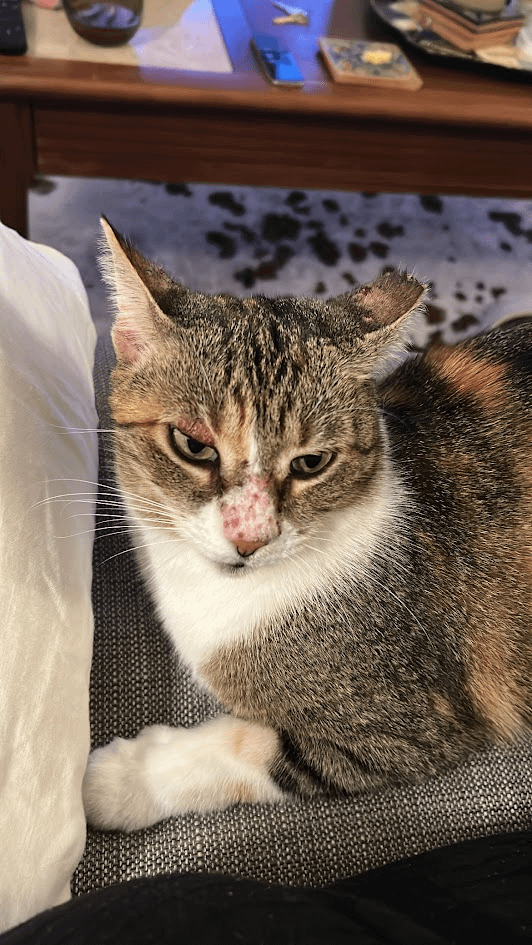
Have you noticed your cat isn’t grooming himself like he used to? It can be worrying when your furry friend stops cleaning his fur.
Grooming is a natural habit for cats, and a change in this behavior might signal something important. You’ll discover the common reasons behind this change and what you can do to help your cat feel comfortable and healthy again. Keep reading to understand why your cat’s grooming routine has stopped and how you can support him.

Credit: www.purina.com
Common Grooming Habits
Understanding your cat’s common grooming habits can help you notice when something feels off. Cats are usually meticulous groomers, spending a good part of their day cleaning themselves. When your cat stops grooming, it’s often a sign that something is wrong.
How Cats Normally Groom
Cats use their tongues like tiny brushes, full of tiny, hook-like structures that catch loose fur and dirt. They start by licking their paws, then rub the paws over their face and ears. This process keeps their fur clean, smooth, and free from parasites.
Besides cleaning, grooming helps cats regulate body temperature and relax. Think about your own pet—have you seen them pause and lick each paw carefully? That’s a natural rhythm designed to keep them healthy.
Frequency And Patterns
Most cats groom themselves several times a day, often in short sessions that add up to an hour or more. Younger cats and those in good health tend to groom more frequently than older or sick cats. Changes in how often or how thoroughly your cat grooms can be a red flag.
- Healthy adult cats typically groom after meals or naps.
- Stress or environmental changes can disrupt these patterns.
- Notice if your cat suddenly grooms less or overgrooms one spot.
Have you noticed your cat skipping these usual grooming moments? Understanding these habits can help you spot early signs of health issues before they become serious.
Health Issues Affecting Grooming
When your cat suddenly stops grooming, it’s often a sign that something isn’t right beneath the surface. Health issues can directly affect their ability or desire to groom themselves. Understanding these problems can help you catch potential illnesses early and keep your feline friend comfortable.
Pain And Arthritis
Older cats or those with joint problems often find grooming painful. Arthritis can make bending or reaching certain areas difficult, causing your cat to skip grooming sessions. If you notice stiffness or reluctance to move, consider a vet visit to manage their pain effectively.
Have you seen your cat avoiding certain positions or grooming only a small patch of fur? These are red flags that discomfort is getting in the way of their usual routine.
Dental Problems
Dental pain doesn’t just affect eating; it can also stop your cat from grooming. Chewing and moving the tongue becomes uncomfortable, so your cat might groom less or miss spots near the face and neck. Regular dental check-ups and cleanings can prevent this hidden barrier to grooming.
Think about how painful it is to brush your teeth with a sore mouth—your cat feels this too, but can’t tell you.
Skin Conditions
Issues like allergies, dermatitis, or fungal infections cause irritation that can discourage grooming. Your cat may avoid licking sore or itchy areas, resulting in matted fur or bald patches. Watch for redness, flakes, or unusual smells, and seek treatment to ease their discomfort.
Ignoring skin problems can lead to secondary infections, making grooming even harder for your cat.
Parasites And Infections
Fleas, ticks, and mites cause intense itching and pain, disrupting your cat’s grooming habits. The presence of parasites might make your cat restless or agitated, and they might groom excessively in some areas but neglect others. Prompt parasite control is crucial to restore normal grooming behavior.
Imagine being constantly bitten and itchy—would you want to sit still and groom yourself?
Behavioral And Emotional Factors
Stress or sadness can make cats stop grooming themselves. Changes in their environment or routine often affect their behavior and emotions. Cats may also feel unwell, leading to less self-care.
Behavioral and emotional factors can greatly impact a cat’s grooming habits. A sudden change might indicate underlying issues. Understanding these factors helps address your cat’s needs effectively.Stress And Anxiety
Cats are sensitive creatures. They easily get stressed by changes. Loud noises, new pets, or visitors can upset them. Anxiety can make them stop grooming. Stress affects their overall well-being.Depression In Cats
Cats can experience depression. Loss of a companion or boredom triggers it. Depressed cats may lose interest in self-care. They become less active and neglect grooming. Recognizing signs of depression is crucial.Changes In Environment
A new environment can unsettle a cat. Moving to a new home or rearranging furniture affects them. These changes can disrupt their routine. Cats might stop grooming due to unfamiliar surroundings. Stability helps them feel secure.
Credit: www.reddit.com
Age-related Grooming Changes
As your cat ages, you might notice changes in how often or how well they groom themselves. Age-related grooming changes are common and usually tied to physical and mental shifts that come with getting older. Understanding these changes can help you support your senior cat’s health and comfort.
Senior Cats And Mobility
Older cats often face mobility challenges that make grooming difficult. Joint pain or arthritis can restrict their ability to reach certain areas like their back or legs. You might see patches of unkempt fur or matting because your cat can’t twist or stretch as easily as before.
Have you tried gently brushing your cat to compensate for these physical limits? Regular brushing can reduce discomfort and keep their coat healthy. Consider adjusting your grooming routine to accommodate their mobility issues, making it easier for both of you.
Cognitive Decline
As cats age, some experience cognitive changes similar to dementia in humans. This decline can affect their grooming habits by causing confusion or forgetfulness. You might notice your cat suddenly stops cleaning themselves or seems disoriented during their usual routines.
Pay close attention to other signs like changes in sleep patterns or increased anxiety. Helping your cat by maintaining a calm environment and sticking to a consistent schedule can encourage better self-care. Have you observed any new behaviors that might signal cognitive decline?
Nutritional Influences
Nutritional influences play a key role in a cat’s grooming habits. Poor diet or lack of essential nutrients can cause a cat to stop grooming itself. Nutrition affects the health of the skin and coat directly. Cats need balanced food and good hydration to keep their fur clean and shiny. Without these, grooming becomes difficult and uncomfortable for them.
Diet Impact On Coat Health
A cat’s diet must include enough protein and fatty acids. These nutrients support healthy skin and a glossy coat. Lack of omega-3 and omega-6 fats leads to dry, brittle fur. Cats fed low-quality food may develop skin problems that reduce grooming. Vitamins like A and E also help repair skin and fur damage.
- High-quality protein supports hair growth
- Fatty acids keep skin moisturized
- Vitamins aid in skin repair
Hydration And Grooming
Hydration is vital for skin elasticity and fur condition. Dehydrated cats have dry skin and dull coats. Drinking enough water makes grooming easier and less painful. Cats on wet food usually hydrate better than those only on dry food. Poor hydration can lead to skin irritation, causing cats to avoid grooming.
- Proper hydration keeps skin soft
- Wet food boosts water intake
- Hydrated skin reduces itching and discomfort

Credit: www.youtube.com
When To See A Vet
If your cat has suddenly stopped grooming himself, it’s a signal you shouldn’t ignore. Grooming is essential for a cat’s health and comfort, so a change in this behavior often points to an underlying issue. Knowing when to take your cat to the vet can make all the difference in catching problems early and helping your furry friend feel better quickly.
Warning Signs To Watch
Look for obvious changes in your cat’s coat. Is it greasy, matted, or full of dandruff? These are red flags that your cat may be struggling to groom properly.
Watch for other symptoms like:
- Excessive scratching or licking in certain areas
- Lethargy or reluctance to move
- Sudden weight loss or gain
- Swelling, wounds, or signs of pain
If you spot any of these signs, it’s time to get professional advice. Ignoring them might allow a minor problem to worsen quickly.
Diagnostic Tests
Your vet may start with a thorough physical exam, checking your cat’s skin, coat, and body condition. Blood tests often follow to detect infections, hormonal imbalances, or organ issues that can affect grooming.
Other common tests include:
- Skin scrapings to check for parasites or fungal infections
- Allergy testing if irritation is suspected
- X-rays or ultrasounds if arthritis or internal problems are suspected
These tests help pinpoint the exact cause behind your cat’s grooming habits. Getting a clear diagnosis lets your vet recommend the best treatment plan, so your cat can start grooming again and feel comfortable.
Helping Your Cat Groom Again
Helping your cat groom again can improve their comfort and health. Cats stop grooming due to illness, pain, or stress. Your care can encourage them to start grooming on their own. Start by making grooming a pleasant experience. Patience and gentle handling build trust. Small steps lead to better habits and a happier cat.
Gentle Brushing Techniques
Use a soft brush designed for cats. Brush slowly in the direction of their fur. Pay attention to sensitive areas like the belly and tail. Watch your cat’s reactions and stop if they show discomfort. Brushing removes loose fur and dirt. It also helps stimulate natural grooming instincts.
Creating A Calm Environment
Choose a quiet place with little noise. Keep the room warm and comfortable. Avoid sudden movements or loud sounds. Speak softly to soothe your cat during grooming. A calm setting reduces stress and encourages grooming behavior. Try grooming at the same time each day for routine.
Supporting Health And Comfort
Check your cat for signs of pain or illness. Joint pain can stop cats from grooming hard-to-reach spots. Visit a vet to rule out health problems. Provide a soft bed and easy access to food and water. Keep your cat’s nails trimmed to avoid discomfort. Healthy cats feel better and groom more often.
Frequently Asked Questions
Why Did My Cat Stop Grooming Suddenly?
Cats may stop grooming due to illness, pain, stress, or obesity. Health issues like arthritis or dental problems can cause discomfort. Stressful changes in environment may also reduce grooming. Consult a vet to identify and treat the underlying cause promptly.
How Does Illness Affect A Cat’s Grooming Habits?
Illness can make grooming painful or exhausting for cats. Conditions like skin infections, arthritis, or dental disease reduce their ability to clean themselves. When sick, cats often neglect grooming, leading to matted fur and hygiene issues. Early veterinary care is essential.
Can Stress Cause My Cat To Stop Grooming?
Yes, stress can disrupt a cat’s grooming routine. Changes like moving homes, new pets, or loud noises can trigger anxiety. Stressed cats may groom less or over-groom, causing skin problems. Reducing stress and providing comfort helps restore normal grooming.
Is Obesity A Reason Cats Stop Grooming?
Obesity limits a cat’s flexibility, making self-grooming difficult. Overweight cats may struggle to reach certain body areas, leading to poor hygiene. Weight management through diet and exercise can improve grooming habits and overall health.
Conclusion
Cats stop grooming for many reasons, like illness or stress. Watch your cat closely for changes in behavior. Help your cat stay clean by brushing gently. Visit a vet if grooming stops for several days. A healthy cat usually grooms itself every day.
Don’t ignore signs of pain or discomfort. Taking quick action keeps your cat happy and healthy. Caring for your cat shows how much you love it. Small changes can make a big difference in your cat’s life.

Leave a Reply