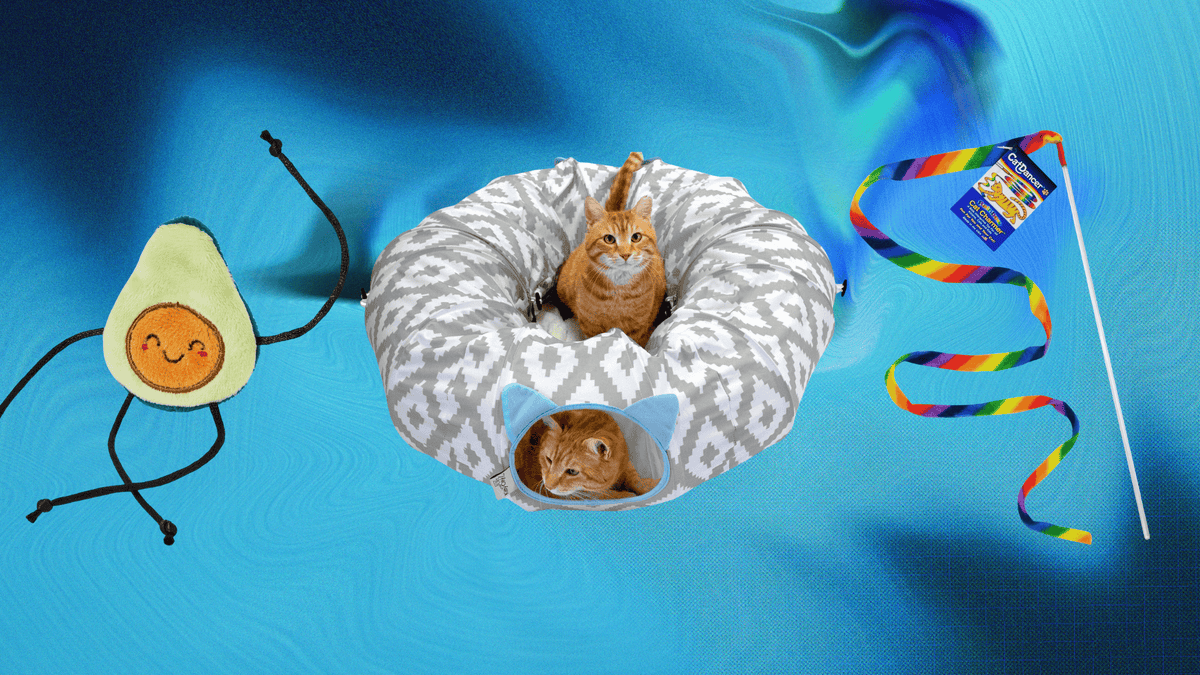
Are you wondering what kind of toys your older cat will actually enjoy? As cats age, their play habits and energy levels change, and what excited them when they were kittens might not work anymore.
Finding the right toys can keep your senior cat active, happy, and mentally sharp. You’ll discover simple and effective toy ideas designed especially for older cats—helping you bring joy and comfort to your furry friend’s golden years. Keep reading to find out how to choose toys that match your cat’s changing needs and personality.

Credit: www.amazon.com
Toy Preferences Of Older Cats
Older cats have different toy preferences than younger cats. Their needs change with age. Choosing the right toys keeps them happy and healthy. Toys should match their energy and abilities. Understanding these preferences helps you pick the best options for your senior cat.
Changes In Play Behavior
Older cats play less often but still enjoy interaction. Their play is slower and less intense. They prefer gentle, calm play sessions. Quick, rough games may not suit them anymore. Toys that move slowly or can be batted gently attract their interest. They like toys they can chase without much effort.
Physical Limitations To Consider
Age can bring arthritis or weaker muscles. Jumping and running may become difficult. Avoid toys that require fast or high movements. Soft, lightweight toys are easier to handle. Toys with easy-to-grip shapes help older cats play. Consider interactive toys that do not require much physical effort.
Mental Stimulation Needs
Mental exercise is vital for older cats. Puzzle toys and treat dispensers challenge their minds. Toys with different textures and sounds keep them curious. Simple toys that encourage problem-solving work well. Mental stimulation helps reduce boredom and anxiety. It also supports cognitive health in senior cats.
Soft And Gentle Toys
Soft and gentle toys are perfect for older cats who prefer a calmer playtime experience. These toys are easy on their teeth and paws, making them ideal for cats with sensitive gums or arthritis. Choosing the right soft toys can keep your senior cat engaged without causing any discomfort.
Plush Mice And Small Stuffed Toys
Plush mice and small stuffed toys mimic the natural prey of cats but without the rough edges. These toys are lightweight and soft, allowing your cat to bat, carry, or snuggle with them comfortably.
Many older cats enjoy the familiarity of these toys because they can gently paw at them or even cuddle up for a nap. You might notice your cat treating a plush mouse like a little companion, which shows how much they appreciate the softness.
Lightweight Balls And Soft Danglers
Lightweight balls made from soft materials roll easily and encourage gentle chasing without straining your cat’s joints. Soft danglers, like feathered or fabric toys hung from a string, invite mild swatting and pouncing motions that suit older cats well.
Have you seen how your cat reacts to a soft dangle toy? Often, they will bat slowly and cautiously, which is perfect exercise without overexertion. These toys keep your cat mentally and physically active in a safe and enjoyable way.
Interactive And Puzzle Toys
Older cats enjoy toys that challenge their minds and keep them active. Puzzle toys and interactive games stimulate their curiosity and reduce boredom. These types of toys help maintain mental sharpness and provide gentle exercise.
Interactive and puzzle toys are essential for older cats. They keep cats active and mentally sharp. These toys stimulate their hunting instincts and problem-solving skills. Cats enjoy challenges that mimic hunting in the wild. Let’s explore some popular options.Treat-dispensing Toys
Treat-dispensing toys are a great choice for older cats. They combine play and reward in one. Cats bat or roll these toys to release treats. This encourages physical activity and curiosity. Such toys help in weight management and prevent boredom. Cats love the surprise element of treats appearing.Simple Puzzle Feeders
Simple puzzle feeders engage a cat’s mind and body. These feeders require cats to solve puzzles to get food. They slow down eating, promoting better digestion. Puzzles can range from easy to challenging. This variety keeps cats interested. Puzzle feeders also reduce stress by offering mental stimulation.
Credit: www.amazon.com
Catnip And Scented Toys
Catnip and scented toys can bring joy to older cats. These toys stimulate their senses gently. As cats age, their activity levels drop, but their curiosity often remains. Scented toys offer a pleasant way to engage them without too much effort. Catnip, known for its calming and playful effects, suits senior cats well. Scented toys can remind them of nature and encourage mild play.
Benefits Of Catnip For Seniors
Catnip helps older cats feel relaxed and happy. It can reduce stress and ease anxiety. Some senior cats become less active, but catnip can encourage gentle movement. Catnip may improve their mood and overall well-being. It also promotes light play, which keeps their joints flexible. Not all cats react to catnip, but many seniors enjoy its scent.
Homemade Scented Toys Ideas
Creating scented toys at home is simple and fun. Use soft fabric scraps and fill them with safe herbs. Lavender and chamomile offer calming scents. Mint and valerian can also attract cats. Sew small pouches and add dried herbs inside. Let your cat sniff and explore these toys. Rotate scents to keep their interest alive. Homemade toys save money and provide fresh smells.
Comfort And Warmth Toys
Comfort and warmth toys help older cats feel safe and cozy. These toys provide gentle stimulation without too much activity. They also offer a soft place to rest, which older cats appreciate. Such toys combine relaxation with gentle play to keep cats happy.
Heated Beds With Built-in Toys
Heated beds warm older cats during cold days. The gentle heat soothes aching joints and muscles. Many of these beds include built-in toys for extra fun. Cats can bat at soft balls or feathers while staying warm. This mix of comfort and play encourages gentle activity. It helps keep older cats engaged without tiring them out.
Warm Plush Toys For Cuddling
Warm plush toys provide soft comfort for cats to cuddle. These toys often have a gentle heat pack inside. Cats love to snuggle with them for warmth and security. Plush toys mimic the feeling of a small companion. They help reduce loneliness and stress in older cats. The softness invites gentle pawing and nuzzling, perfect for calm play.

Credit: www.amazon.com
Safety Tips For Senior Cat Toys
Keeping your senior cat safe while playing is essential. Older cats are more delicate and can easily get hurt by toys that are not designed with their needs in mind. Paying attention to safety tips ensures your furry friend enjoys playtime without any risks.
Avoiding Small And Sharp Parts
Small parts on toys can be a choking hazard for older cats, especially if their chewing strength has decreased. Sharp edges or loose pieces might cause cuts or injuries to their sensitive mouths.
Choose toys that are large enough to prevent swallowing and free from any hard or sharp components. Think about your cat’s reduced agility and avoid anything that could cause harm during gentle play.
Choosing Non-toxic Materials
Your senior cat might chew more out of curiosity or boredom. Toys made from non-toxic materials protect them from harmful chemicals that could cause illness.
Look for labels that specify “non-toxic” or “safe for pets.” Natural fabrics, untreated wood, and FDA-approved plastics are good choices that won’t jeopardize your cat’s health.
Regular Inspection And Cleaning
Toys can wear out and become dangerous over time. Regularly check for loose threads, broken parts, or stains that could harbor bacteria.
Cleaning toys with mild soap and water helps prevent infections and keeps your cat’s play area fresh. How often do you inspect your cat’s toys? Making this a habit can save you from unexpected vet visits.
Encouraging Playtime In Older Cats
Encouraging playtime in older cats can seem challenging, but it’s key to keeping them healthy and happy. Play helps maintain their muscle tone, sharpens their mind, and strengthens your bond. You might notice your older cat prefers calm, slow-paced activities over wild, energetic games, and that’s perfectly normal.
Setting Up A Play Routine
Older cats benefit from consistent play sessions. Try setting aside specific times each day for short, gentle play. This predictability helps your cat feel secure and eager to participate.
Keep sessions brief—about 5 to 10 minutes—to avoid tiring your cat. You might notice your cat starts to anticipate playtime, which encourages activity even on low-energy days. Have you observed how your cat’s mood changes after a little play?
Using Gentle Movement Toys
Toys that move slowly and smoothly catch the attention of older cats better than fast, erratic ones. Feather wands and soft plush toys with subtle movement are great choices.
Try dragging a feather wand along the floor to mimic a gentle prey movement. Your cat can bat and chase without having to jump or sprint. This kind of play respects their comfort while still engaging their natural hunting instincts.
Adapting To Your Cat’s Energy Levels
Every older cat has unique energy patterns. Watch your cat closely to see when they’re most active during the day. Some prefer morning bursts, others are more playful in the evening.
Adjust play intensity accordingly. If your cat seems tired, switch to interactive toys that require less chasing, like treat puzzles or gentle laser pointers. How can you tell when your cat is ready to stop? Look for signs like slowing down or losing focus—it’s their way of saying they’ve had enough fun for now.
Frequently Asked Questions
What Toys Are Best For Older Cats’ Playtime?
Older cats prefer gentle toys like feather wands, soft balls, and interactive puzzles. These toys stimulate their senses without causing strain. They enjoy toys that mimic hunting but require less energy, keeping them engaged and mentally active while respecting their slower pace.
How Do Toys Benefit Senior Cats’ Health?
Toys encourage physical activity, helping older cats maintain muscle tone and joint flexibility. They also reduce stress and prevent boredom. Interactive toys stimulate their minds, promoting mental sharpness. Regular play improves overall well-being and can delay age-related cognitive decline.
Are Interactive Toys Suitable For Older Cats?
Yes, interactive toys are excellent for older cats as they provide mental stimulation. They encourage problem-solving and gentle physical activity. Choose toys that are easy to handle and not too challenging to avoid frustration. Interactive play strengthens the bond between you and your cat.
Can Older Cats Play With Laser Pointers Safely?
Laser pointers can be safe if used properly with older cats. Limit sessions to short periods to prevent eye strain. Always end play by pointing the laser at a tangible toy to give a sense of achievement. Avoid overuse to keep playtime positive and safe.
Conclusion
Older cats enjoy toys that match their energy and senses. Soft, gentle toys keep them interested without stress. Interactive toys can help them stay active and alert. Cats also like toys that mimic small prey, like feathers or light balls.
Choose toys that are safe and easy to handle. Watching your cat play brings joy and strengthens your bond. Remember, each cat is unique—find what makes yours happy. Playtime is a simple way to keep older cats healthy and content.
Keep toys fresh by rotating them often for new fun.



Leave a Reply