Have you ever wondered what happens when your cat misses out on regular grooming? It’s easy to think that cats can take care of themselves, but skipping grooming can actually harm your cat’s health in surprising ways.
If you care about your furry friend’s happiness and well-being, understanding the risks of not grooming is crucial. Keep reading to discover how grooming affects your cat’s health and what you can do to keep your pet feeling their best every day.
Importance Of Cat Grooming
Grooming plays a vital role in a cat’s health and happiness. It helps keep their coat clean and skin healthy. Regular grooming prevents hairballs and reduces shedding. Neglecting grooming can lead to various health issues. Understanding grooming’s importance helps owners care better for their cats.
Natural Grooming Habits
Cats groom themselves by licking their fur. This removes dirt and loose hair. Grooming also spreads natural oils across the coat. These oils protect the skin and keep fur shiny. Sometimes, cats cannot groom properly. Older cats or those with health problems may struggle. In such cases, grooming needs extra attention from owners.
Role Of Owners In Grooming
Owners must help with regular brushing and cleaning. Brushing removes loose fur and prevents mats. It also improves blood circulation in the skin. Checking for fleas and skin problems is important. Owners should trim nails to avoid injury. Bathing cats occasionally keeps them fresh. Helping cats groom supports their overall health.
Common Grooming Problems In Cats
Grooming is vital for a cat’s health and comfort. Without regular care, cats face many grooming issues. These problems can cause discomfort and lead to serious health risks. Understanding common grooming problems helps in keeping cats healthy and happy.
Matting And Tangles
Matting happens when fur knots tightly together. It traps dirt and moisture, causing skin problems. Mats pull on the skin and hurt your cat. They can hide wounds or infections. Brushing regularly prevents mats and keeps fur smooth.
Excessive Shedding
Shedding is natural, but too much can signal problems. It may cause bald spots and skin irritation. Shedding increases without grooming to remove loose hair. Regular brushing reduces loose fur and keeps your home cleaner.
Skin Irritations
Skin irritations often arise from poor grooming. Dirt, oils, and allergens build up on the skin. This can cause redness, itching, and sores. Cats may scratch or bite, worsening the irritation. Grooming helps keep skin clean and healthy.
Health Risks From Neglected Grooming
Regular grooming is crucial for a cat’s overall health. Neglecting this can lead to serious health issues. Cats rely on grooming for hygiene and comfort. Without it, they face several risks.
Skin Infections And Parasites
Neglected grooming can cause skin infections. Mats trap dirt and moisture, irritating the skin. This creates a breeding ground for bacteria and fungi. Parasites like fleas and ticks thrive in unkempt fur. They cause discomfort and can transmit diseases. Regular grooming helps keep the skin clean and parasite-free.
Hairballs And Digestive Issues
Cats groom themselves by licking their fur. This can lead to hairballs if not managed. Excessive hairballs cause digestive problems. They block the digestive tract, leading to vomiting or constipation. Regular brushing minimizes hair ingestion, reducing hairball formation. It keeps the digestive system functioning smoothly.
Nail Overgrowth Complications
Untrimmed nails grow too long, curling into the paw pads. This is painful and can cause infections. Overgrown nails also affect a cat’s ability to walk properly. Regular nail trims prevent these complications. They ensure your cat remains comfortable and healthy.
Credit: www.latimes.com
Behavioral Changes Linked To Poor Grooming
Poor grooming can lead to more than just physical issues in cats; it can significantly affect their behavior. When your cat neglects grooming, it may signal underlying stress or health problems that change how they act. Recognizing these behavioral changes early can help you address the root causes and improve your cat’s wellbeing.
Stress And Anxiety
When cats stop grooming themselves properly, it often points to increased stress or anxiety. You might notice your cat hiding more, avoiding interaction, or becoming unusually aggressive. These behaviors suggest your cat is struggling emotionally, and poor grooming is a visible sign of this distress.
Have you ever seen your cat suddenly stop cleaning their fur and wondered why? Stressful situations like changes in the household, new pets, or loud noises can overwhelm them. Helping your cat feel secure can sometimes bring back their grooming habits and calm their nerves.
Reduced Activity Levels
Another behavioral change linked to poor grooming is a drop in activity. Cats that groom less often might also move less, showing signs of lethargy or disinterest in play. This could be a sign of discomfort or illness affecting their motivation to stay active.
Think about how your cat behaves when they’re feeling unwell. They often withdraw and become less playful, which can create a cycle where lack of grooming and inactivity feed into each other. Encouraging gentle play and monitoring for health issues can help break this cycle and get your cat back to normal.
Preventing Grooming-related Health Issues
Preventing grooming-related health issues in cats is essential for their overall well-being. Neglecting grooming can lead to skin problems, matting, and even infections. Taking simple, consistent steps can protect your cat’s health and keep their coat shiny and comfortable.
Regular Brushing Techniques
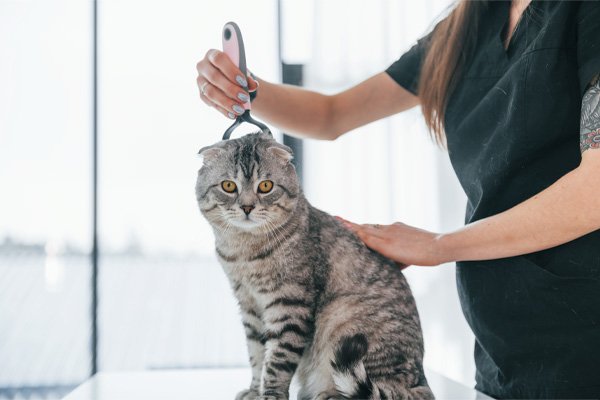
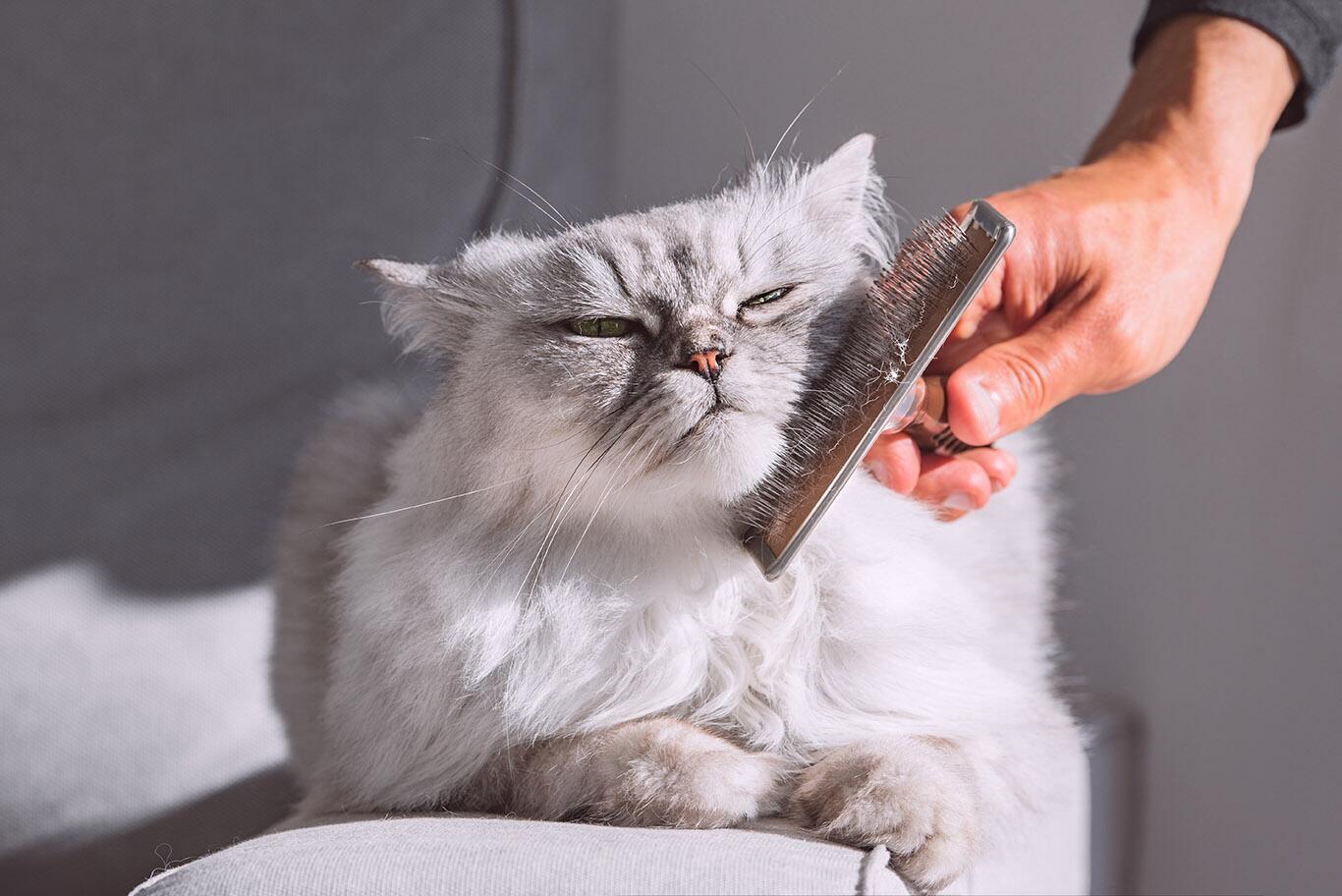
Brushing your cat regularly removes loose fur and prevents hairballs. Use a brush suited to your cat’s fur type—slicker brushes work well for long-haired cats, while rubber brushes suit short-haired breeds. Spend a few minutes daily gently brushing, focusing on areas where mats tend to form, like behind the ears and under the legs.
Notice how your cat reacts during brushing; if they seem uncomfortable, try shorter sessions or a different brush. Brushing also gives you a chance to check for unusual bumps or skin irritations. Have you ever spotted a small wound or parasite during grooming that you might have missed otherwise?
Bathing Tips For Cats
Bathing isn’t always necessary, but when your cat gets into something sticky or dirty, a bath can prevent skin infections. Use lukewarm water and a cat-specific shampoo to avoid drying out their skin. Keep baths short and calm—talk to your cat softly and avoid water in their ears and eyes.
If your cat hates baths, try wiping them down with pet-safe grooming wipes instead. These can help keep the coat clean without stressing your cat. Remember, clean skin supports healthy fur growth and reduces itching or scratching that can lead to sores.
Professional Grooming Services
Sometimes, grooming needs go beyond what you can do at home. Professional groomers have tools and experience to handle tough mats or anxious cats safely. They can also trim nails, clean ears, and spot early signs of health problems.
Consider professional grooming if your cat has very thick or long fur, or if grooming causes too much stress at home. Have you thought about how a groomer might relieve your cat’s discomfort while saving you time and worry?

Credit: www.latimes.com
When To See A Vet For Grooming Concerns
Ignoring grooming needs can harm your cat’s health. Knowing when to see a vet for grooming concerns is crucial. Early intervention helps prevent serious problems. Watch your cat closely for signs that need medical attention. Timely care keeps your feline friend comfortable and safe.
Signs Of Severe Skin Problems
- Red, swollen, or bleeding skin patches
- Persistent itching or scratching
- Hair loss in clumps or bald spots
- Scaly or crusty skin areas
- Open sores or wounds that do not heal
- Unpleasant odor from the skin
These symptoms may indicate infections or parasites. Immediate vet care is necessary to avoid worsening conditions.
Behavioral Indicators Of Discomfort
- Excessive licking or biting of fur
- Restlessness or irritability
- Hiding or avoiding touch
- Decreased grooming or over-grooming
- Changes in eating or sleeping habits
Behavior changes often signal pain or discomfort. A vet can diagnose the cause and offer treatment options.
Credit: digital.groomertogroomer.com
Frequently Asked Questions
Can Not Grooming Affect My Cat’s Health?
Yes, lack of grooming can cause skin problems, mats, and infections in cats. Grooming helps keep their coat clean and healthy.
What Health Issues Arise From Poor Cat Grooming?
Poor grooming can lead to hairballs, skin irritations, and parasite infestations. It also increases the risk of painful mats and infections.
How Often Should I Groom My Cat?
Cats generally need grooming at least once a week. Long-haired cats require more frequent grooming to prevent matting and skin issues.
Can Grooming Reduce Shedding And Allergies?
Regular grooming removes loose fur and dander. This helps reduce shedding and can improve allergy symptoms for cat owners.
Conclusion
Neglecting your cat’s grooming can cause serious health issues. Dirt, mats, and loose fur build up quickly. This leads to skin problems and discomfort. Regular brushing helps keep your cat clean and happy. It also strengthens the bond between you and your pet.
Small efforts in grooming make a big difference. Healthy cats are more active and playful. Keep grooming a simple, daily habit for your cat’s well-being. Don’t wait until problems appear—start grooming today. Your cat will thank you with love and purrs.



Leave a Reply