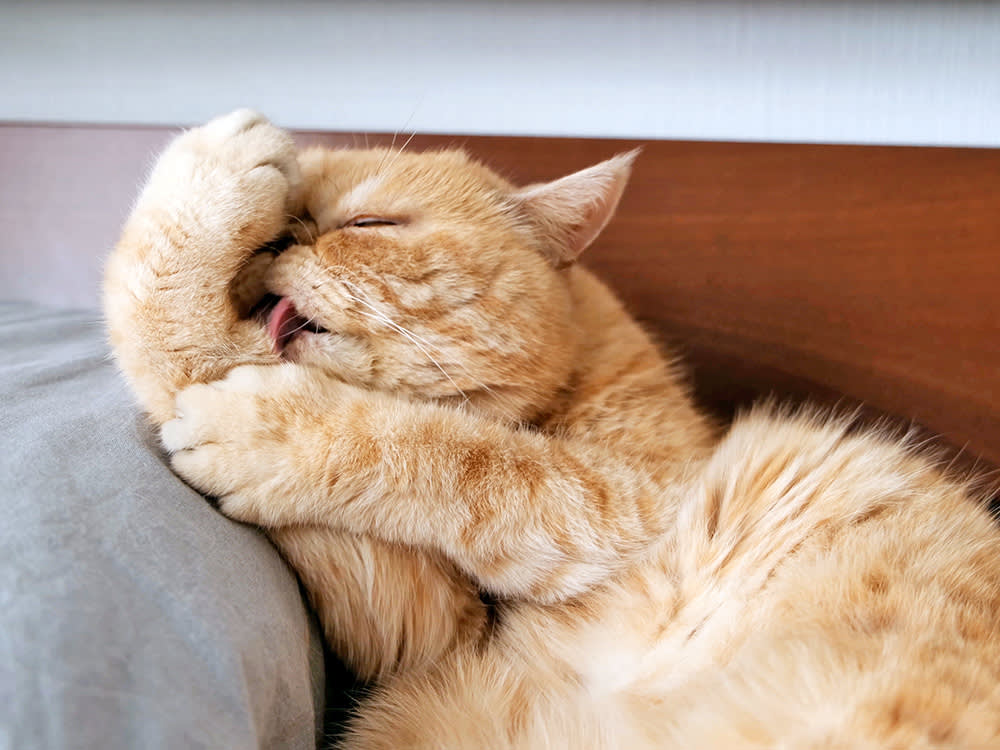
Have you ever watched your cat spend hours licking its fur and wondered, “Why do cats groom so much?” It’s more than just a quirky habit.
Your feline friend’s grooming routine holds secrets about their health, comfort, and even mood. Understanding why your cat grooms so often can help you spot when something’s wrong and strengthen the bond you share. Keep reading, and you’ll discover surprising reasons behind this everyday behavior that will change how you see your cat forever.
)
Credit: www.northroadvet.com.au
Cats’ Grooming Habits
Cats spend a surprising amount of their day grooming themselves. This behavior goes beyond just keeping clean—it plays a vital role in their health and well-being. Understanding your cat’s grooming habits can help you better care for them and notice any changes that might signal health issues.
Daily Grooming Routine
Your cat likely dedicates several hours each day to grooming. This routine usually includes licking their fur, paws, and even their face. Grooming helps remove dirt, loose hair, and parasites while spreading natural oils that keep their coat shiny and healthy.
Have you ever noticed your cat pausing between licks? That’s because they use their paws to clean hard-to-reach spots, like around their ears and eyes. This self-care ritual also calms them down and reduces stress, much like a relaxing massage for you.
Common Grooming Techniques
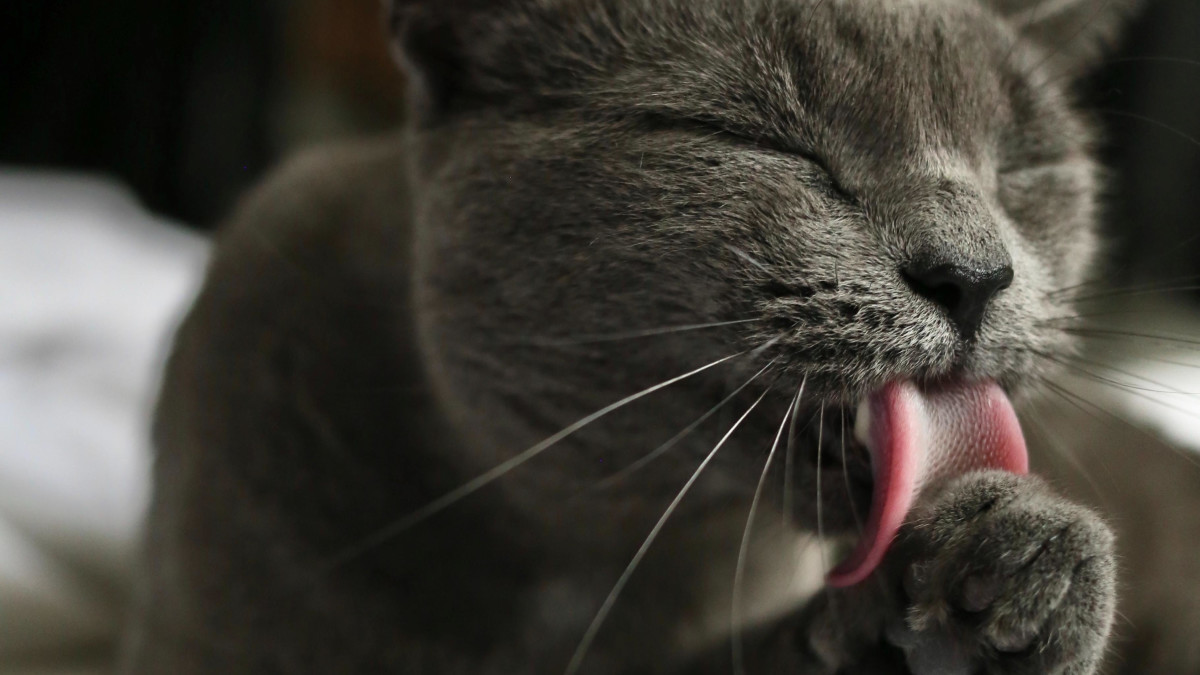
Cats use a few key techniques to stay clean. The most common is licking, which involves their rough tongue acting like a comb. This rough texture helps remove dead skin and hair.
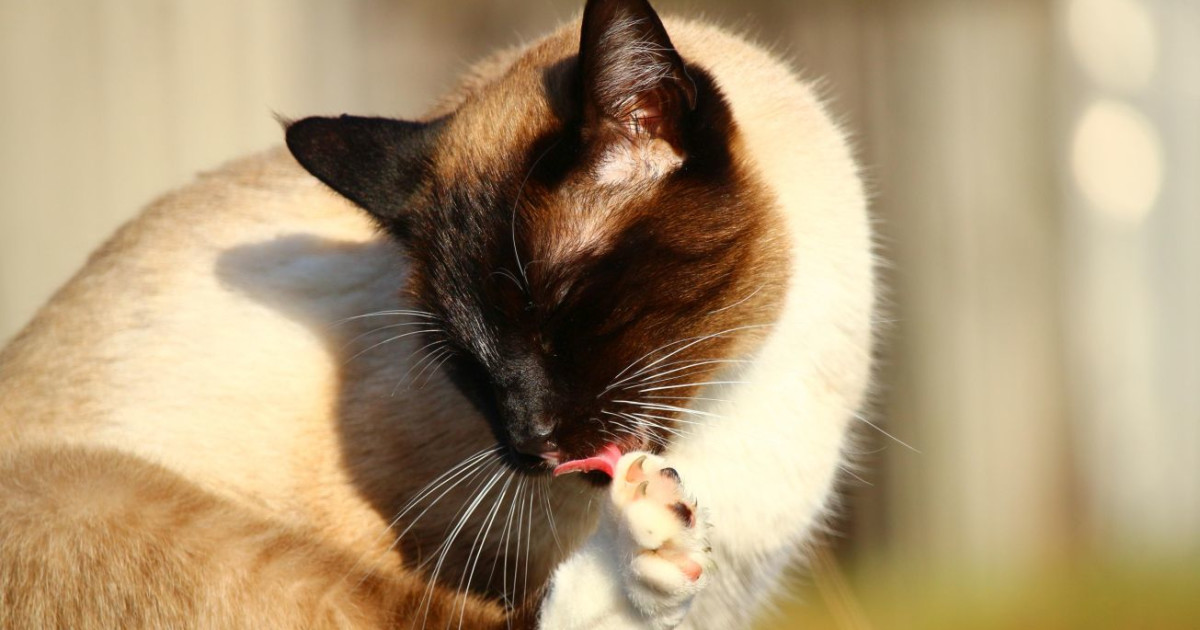
- Paw wiping:Cats lick their paws and then wipe their face and head. This technique helps clean sensitive areas that their tongues can’t reach easily.
- Nibbling:Sometimes cats gently nibble on matted fur or tangles to loosen them. This is especially common in long-haired breeds.
- Scratching:Using their claws, cats scratch to remove external parasites and dead skin.
Have you ever thought about how these grooming habits might affect your cat’s mood? If your cat suddenly grooms less or more than usual, it could signal stress or health problems. Paying attention to these habits can help you catch issues early.
Credit: pethelpful.com
Health Benefits Of Grooming
Grooming isn’t just about keeping your cat looking good. It plays a vital role in maintaining their overall health. Understanding the health benefits of grooming can help you appreciate why your feline friend spends so much time licking and cleaning themselves.
Skin And Coat Care
Grooming helps remove dirt, loose fur, and dead skin from your cat’s coat. This keeps their fur clean and shiny, which also reduces the chances of matting and skin problems. You might notice your cat’s coat feels softer and looks healthier after a good grooming session.
Have you ever wondered why your cat’s fur changes texture if they stop grooming? It’s because grooming spreads natural oils across their skin, which keeps the coat moisturized and prevents dryness or irritation.
Temperature Regulation
Your cat’s grooming habits help regulate their body temperature. Licking spreads saliva onto their fur, which cools them down as it evaporates. This natural cooling system is especially important during hot weather or after they’ve been active.
Interestingly, cats groom more in warmer environments to stay comfortable. If you see your cat grooming excessively on a hot day, it might be their way of cooling down without panting.
Parasite Control
Grooming is a key defense against parasites like fleas and ticks. By regularly licking, cats can detect and remove unwanted guests before they cause problems. This behavior reduces the risk of infections and skin diseases caused by parasites.
If you notice your cat scratching a lot despite their grooming, it could be a sign they need extra help with parasite control. Regular check-ups and treatments are important to support their natural grooming efforts.
Emotional Reasons Behind Grooming
Cats are known for their meticulous grooming habits. This behavior goes beyond just keeping clean. Grooming serves various emotional needs for cats. It is an essential part of their daily routine, offering comfort and emotional relief.
Stress Relief
Grooming helps cats manage stress. Licking releases endorphins, which are chemicals that make them feel good. This can calm a stressed cat. It also provides a sense of control over their environment. Cats often groom when they are anxious or in a new situation. It is their way of coping with change.
Comfort And Security
Grooming offers comfort and a sense of security. It reminds them of their mother’s care. As kittens, they were groomed by their mothers. This action reassures them and provides warmth. Grooming is a soothing ritual that helps them feel safe. It is an important part of their emotional well-being.
Social Grooming Among Cats
Cats often groom themselves, but they also groom each other. This behavior is called social grooming. It helps cats connect and share feelings. Social grooming is common among cats that live together. It shows trust and friendship.
Bonding And Communication
Social grooming helps cats build strong bonds. When cats lick each other, they share comfort and care. It is a way to say, “I trust you.” This close contact lowers stress and makes cats feel safe. Grooming also helps cats communicate without words. It shows kindness and cooperation.
Hierarchy And Relationships
In groups, social grooming helps cats understand their place. Higher-ranking cats may groom lower-ranking ones. This act shows dominance but also care. Sometimes, lower-ranking cats groom those above to gain favor. Grooming keeps peace and balance in the group. It strengthens relationships and reduces fights.
When Grooming Becomes Excessive
Cats are known for their meticulous grooming habits. But what happens when your feline friend starts grooming so much that it becomes a concern? Excessive grooming is more than just a quirky behavior—it can signal underlying problems that need your attention. Recognizing when grooming crosses the line is crucial for your cat’s health and happiness.
Signs Of Overgrooming
Overgrooming shows up in several clear ways. You might notice your cat licking or biting the same spot repeatedly, leading to bald patches or red, irritated skin. Sometimes, their fur looks uneven or matted because they focus too much on certain areas.
Have you caught your cat grooming so intensely that they seem agitated or restless afterward? That’s a red flag. Pay close attention if your cat spends significantly more time grooming than usual, especially if it disrupts their eating, sleeping, or play habits.
Potential Health Issues
Excessive grooming often points to health concerns you shouldn’t ignore. Skin allergies or parasites like fleas can cause intense itching, pushing your cat to groom obsessively. Sometimes, pain from arthritis or injury leads cats to lick a sore spot excessively.
Stress or anxiety can also trigger overgrooming. Changes in the environment—like a new pet, moving to a new home, or loud noises—may make your cat feel unsafe, causing this behavior. If you spot excessive grooming, consider a vet visit to rule out medical issues and discuss possible behavioral causes.
How Owners Can Help
Understanding how to support your cat’s grooming habits helps keep them healthy and happy. Owners play a key role in ensuring cats groom properly and do not overdo it. Watching your cat’s behavior closely allows you to spot any grooming problems early. Providing a calm environment and regular care supports their natural grooming needs.
Encouraging Healthy Grooming
Brush your cat regularly to remove loose fur and dirt. This reduces hairballs and skin irritation. Use a soft brush and be gentle, especially on sensitive areas.
Offer fresh water and a balanced diet. Good nutrition helps maintain a healthy coat. A shiny coat shows your cat is well cared for.
Create a quiet space for your cat to relax. Stress can cause excessive grooming. A calm environment lowers anxiety and promotes normal grooming.
- Keep nails trimmed to prevent skin scratches during grooming.
- Check for fleas or ticks that may cause itching.
- Provide toys and playtime to reduce boredom and stress.
When To See A Vet
Visit a vet if your cat grooms too much or too little. Overgrooming may cause bald spots or sores. These signs suggest pain or skin problems.
Watch for changes in appetite or behavior alongside grooming issues. These changes may indicate illness or stress. A vet can diagnose and treat underlying causes.
Regular health check-ups help catch problems early. Your vet can recommend special shampoos or treatments if needed. Early care improves your cat’s comfort and health.
Credit: pethelpful.com
Frequently Asked Questions
Why Do Cats Groom Themselves So Often?
Cats groom to clean their fur, remove dirt, and regulate body temperature. Grooming also reduces stress and strengthens their bond with other cats.
How Does Grooming Benefit A Cat’s Health?
Grooming helps remove loose fur and prevent matting. It also distributes natural oils, keeping the coat shiny and skin healthy.
Can Excessive Grooming Indicate A Problem?
Yes, excessive grooming might signal stress, allergies, or skin issues. If a cat grooms too much, consult a vet for advice.
Do Cats Groom To Communicate With Other Cats?
Yes, grooming can signal social bonding and trust. Cats often groom each other to strengthen their relationships.
Conclusion
Cats groom a lot to stay clean and healthy. Grooming helps them cool down and relax. It also keeps their fur free of dirt and pests. This behavior shows they care for themselves. Watching a cat groom feels peaceful and calm.
Now you understand why cats spend so much time cleaning. Their grooming is natural and important for their well-being. Next time you see your cat licking, remember it’s more than just cleaning. It’s their way to feel good and stay safe.



Leave a Reply