Have you ever wondered if your cat has a special time of year when she’s more likely to have kittens? Understanding whether cats have breeding seasons can help you take better care of your furry friend.
If you’re curious about why your cat’s behavior changes or want to plan responsibly for her health, knowing about breeding seasons is key. Keep reading, and you’ll discover surprising facts that every cat owner should know.
Credit: animals.howstuffworks.com
Cat Reproduction Basics
Understanding cat reproduction basics helps you care better for your feline friends. Cats have unique reproductive patterns that differ from many other animals. Knowing how they reproduce and what affects their breeding can guide your decisions about spaying, neutering, or breeding cats responsibly.
How Cats Reproduce
Cats are induced ovulators, which means the female releases eggs only after mating. This triggers a fertile period that allows pregnancy to occur. The mating process itself is brief but frequent, often repeated several times over a day or two.
Female cats, or queens, go into heat multiple times a year if not bred. Each heat cycle lasts about a week, with the female being receptive to males during this time. If you’ve noticed your cat’s sudden restlessness or loud vocalizing, she might be signaling she’s in heat.
Factors Influencing Breeding
Several factors affect when and how cats breed. Light exposure plays a significant role—cats tend to breed more during longer daylight hours. This is why you might see more kittens born in spring and summer.
Nutrition and overall health also impact fertility. Well-fed cats with good health tend to have more successful pregnancies. Stress and environment can suppress heat cycles, so a calm, stable home can influence breeding patterns.
- Age: Cats usually start breeding around 5-9 months old.
- Breed: Some breeds have different breeding cycles.
- Climate: Warmer climates may lead to year-round breeding.
Have you ever wondered why your indoor cat’s heat cycles might differ from a stray’s? Changes in light and environment can explain this variation, showing how adaptable cats are to their surroundings.
Credit: animals.howstuffworks.com
Seasonal Breeding Patterns
Cats often show seasonal breeding patterns tied to environmental changes. Their reproductive cycles respond to daylight length, temperature, and other natural cues. Understanding these patterns helps explain why cats may breed more during certain times of the year.
Natural Breeding Cycles
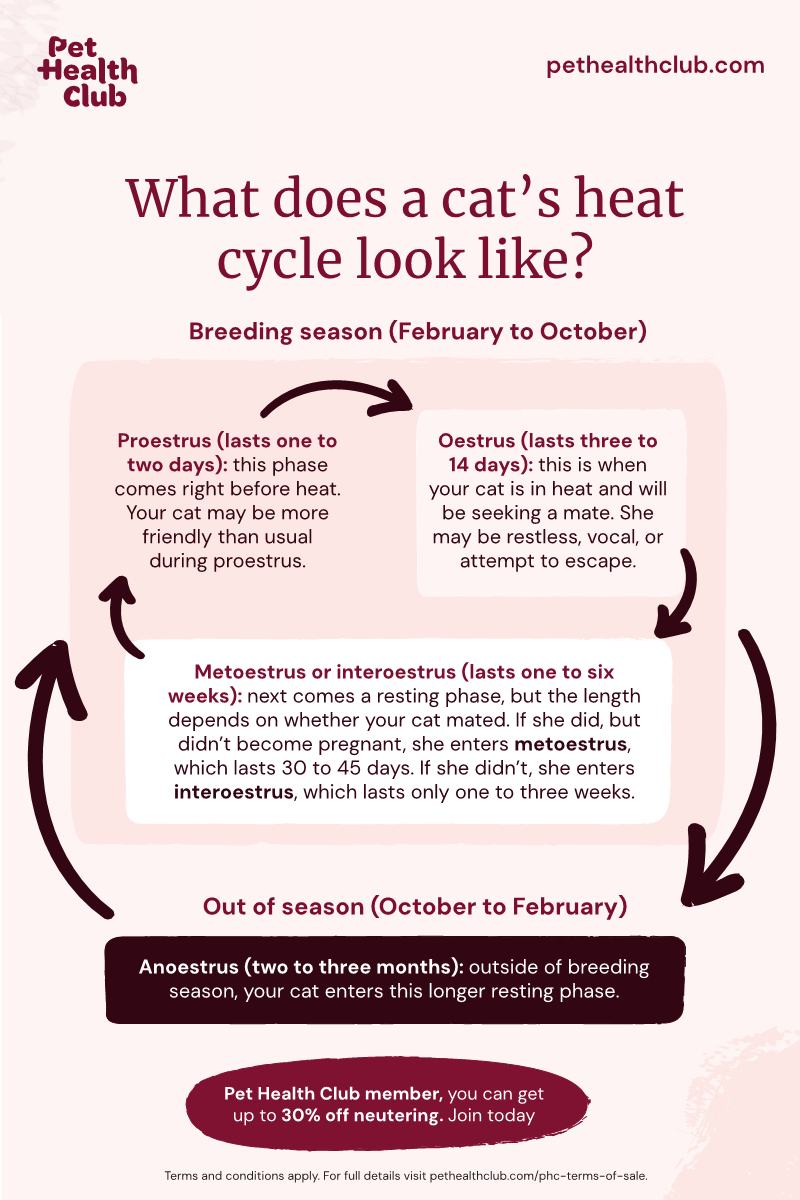
Wild and outdoor cats follow natural breeding cycles. These cycles start in spring when days get longer. Increased daylight triggers hormones that cause female cats to enter heat. This period lasts until fall when daylight shortens.
During this time, female cats can go into heat every two to three weeks if they do not mate. Males become more active, searching for mates. Outside the breeding season, cats usually show less interest in mating.
Indoor Vs Outdoor Cats
Indoor cats often have different breeding patterns than outdoor cats. Artificial lighting inside homes can confuse their natural cycles. Indoor cats may go into heat all year round because light levels stay steady.
Without natural changes in daylight, indoor cats do not follow strict seasonal breeding. This can lead to more frequent heat cycles. Outdoor cats, by contrast, typically breed during spring and summer.
Signs Of Cat Heat
Cats usually have specific breeding seasons, often in spring and fall. Signs of cat heat include loud meowing, restlessness, and rubbing against objects. These behaviors show a cat is ready to mate during her heat cycle.
Cats exhibit unique behaviors during their breeding season. Recognizing the signs can help in understanding their needs. When a cat enters heat, several changes occur. These changes are noticeable in both behavior and appearance. Understanding these signs is essential for cat owners.Behavioral Changes
During heat, cats may become more affectionate. They often rub against people or objects. You may notice increased vocalization. Cats in heat tend to meow loudly and frequently. They also roll on the ground and display restlessness. Some cats may try to escape to find a mate. These behaviors are typical and signify a cat in heat.Physical Indicators
Physical signs accompany behavioral changes. One sign is the elevation of the rear end. Cats often assume a mating position, with tails raised. Swelling of the vulva is another indicator. Some cats also experience a slight increase in body temperature. Observing these signs can help determine if a cat is in heat.Impact Of Environment
The environment plays a key role in a cat’s breeding patterns. Changes in natural conditions can influence when cats are more likely to mate and have kittens. Understanding these environmental factors helps explain why some cats breed year-round while others have specific seasons.
Daylight And Temperature Effects
Daylight length affects cats’ reproductive cycles. Longer days signal cats to become more active and ready to breed. This happens because light influences hormone levels that control fertility.
Temperature also matters. Warmer weather encourages more breeding activity. Cats tend to avoid mating in very cold or harsh conditions. This helps ensure kittens have a better chance of survival.
Geographical Variations
Cats in different parts of the world show varied breeding seasons. In areas near the equator, where daylight and temperature stay stable, cats can breed all year.
In contrast, cats in colder regions have a shorter breeding season. They usually breed during spring and summer when conditions are mild. This timing helps kittens grow in warmer months.
Breeding Control Methods
Controlling cat breeding is essential not just for managing pet populations but also for ensuring the health and well-being of your feline friends. Without proper control methods, unplanned litters can quickly become overwhelming. Let’s look at practical ways you can take charge of your cat’s reproductive health.
Spaying And Neutering
Spaying and neutering are the most effective ways to prevent unwanted litters. These surgical procedures stop your cat from reproducing and can also reduce certain health risks and behavioral problems. For example, spayed females are less likely to develop uterine infections or breast tumors.
Many pet owners notice calmer behavior after the surgery, with fewer yowling episodes or attempts to escape. Have you considered how much easier it could be to care for your cat without worrying about sudden heat cycles or roaming? The procedure is quick, and most cats recover fully within a week.
Managing Unplanned Litters
Sometimes, despite your best efforts, unplanned litters happen. Managing these situations responsibly is crucial. One way is to find trustworthy homes for the kittens or work with local animal shelters and rescue groups.
It’s also important to care for the mother cat’s nutrition and health during and after pregnancy. Have you ever thought about how much effort goes into raising a litter? Providing a safe environment and veterinary care can make a big difference in the kittens’ survival and future well-being.
- Keep the mother cat indoors to protect her and her kittens.
- Feed high-quality kitten food to support growth.
- Schedule veterinary checkups for vaccinations and health monitoring.

Credit: dremmanuelfontaine.com
Myths About Cat Breeding
Many cat owners have strong beliefs about when and how cats breed. These ideas often come from what people have heard or seen, but they aren’t always accurate. Understanding the truth behind cat breeding can help you care better for your feline friends and manage their health responsibly.
Common Misconceptions
One popular myth is that cats only breed during certain seasons, usually spring or summer. While some cats do show more breeding activity in warmer months, this isn’t a strict rule for all cats, especially those living indoors with controlled lighting and temperature.
Another misconception is that female cats will always go into heat every few weeks. In reality, this depends on many factors like age, health, and environment. Some cats may have irregular cycles or skip heat periods entirely.
You might also hear that male cats can breed anytime without limits. Although male cats can be fertile year-round, their interest and success in breeding can vary depending on their health and social environment.
Scientific Facts
Cats are classified as seasonally polyestrous animals, meaning they can have multiple heat cycles during specific times of the year when daylight increases. However, indoor cats exposed to artificial light often don’t follow this pattern and can go into heat throughout the year.
Research shows that heat cycles in cats are influenced by the length of daylight, usually starting in late winter or early spring. This biological rhythm is controlled by hormones triggered by changes in light exposure.
Interestingly, cats do not have a fixed breeding season like some other animals. Their ability to reproduce depends on environmental cues and individual health. This flexibility allows cats to adapt to different climates and living conditions.
Frequently Asked Questions
Do Cats Have Specific Breeding Seasons?
Yes, most cats have breeding seasons called “estrus,” typically from spring to fall. This period varies by climate and breed.
How Long Is A Cat’s Breeding Season?
A cat’s breeding season can last several months, usually from early spring until late fall, depending on environmental factors.
What Triggers A Cat’s Breeding Season?
Longer daylight hours and warmer temperatures usually trigger a cat’s breeding season by affecting hormone levels and reproductive cycles.
Can Indoor Cats Have Breeding Seasons?
Indoor cats may have irregular or year-round breeding cycles due to artificial lighting and temperature control inside homes.
Conclusion
Cats usually have specific breeding seasons, mostly in spring and summer. Their heat cycles depend on daylight and temperature. Indoor cats may show different patterns due to artificial light. Understanding these cycles helps in caring for cats better. Responsible pet owners can plan spaying or neutering accordingly.
This knowledge also prevents unwanted litters and supports cat health. Breeding seasons affect cat behavior and needs. Knowing this helps create a safe, comfortable home for cats year-round. Simple awareness makes a big difference in cat care.



Leave a Reply