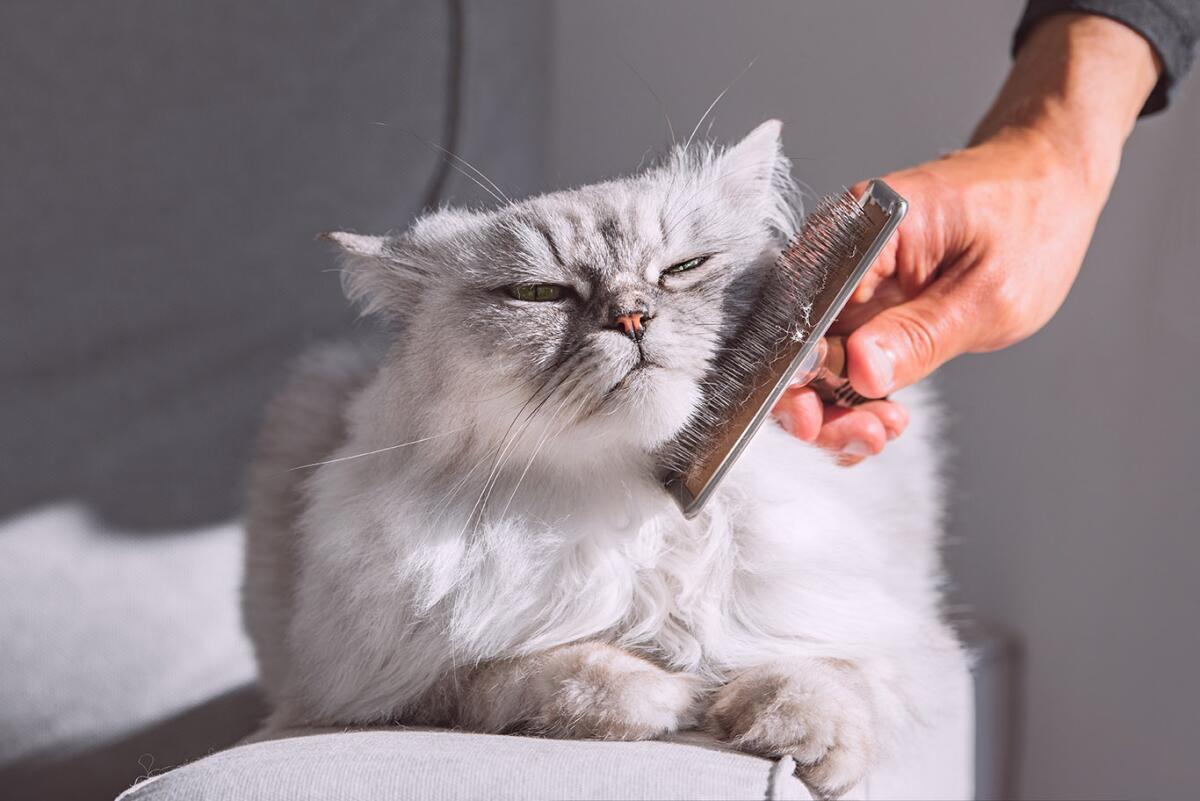
Are you wondering when you should get your cat groomed? Keeping your furry friend clean and comfortable is more important than you might think.
Regular grooming isn’t just about making your cat look good—it helps prevent health problems and keeps their coat shiny and healthy. But how do you know the right time to schedule a grooming session? You’ll discover the key signs that show your cat needs grooming, how often you should do it, and tips to make the experience stress-free for both of you.
Keep reading to find out how to keep your cat happy, healthy, and looking their best.
Credit: temeculapetsalonandspa.com
Why Grooming Matters
Grooming your cat is more than just keeping them looking nice. It plays a key role in their overall health and happiness. Cats groom themselves, but regular grooming by owners helps prevent problems before they start. Understanding why grooming matters helps you care for your cat better.
Health Benefits
Grooming removes dirt, dead skin, and loose fur. This prevents skin infections and irritations. Regular brushing also improves blood flow to the skin. It helps spot lumps or injuries early. Grooming reduces the chance of parasites like fleas and ticks. It keeps your cat’s coat shiny and healthy.
Comfort And Cleanliness
Cats feel more comfortable with clean fur. Grooming stops mats and tangles that pull on their skin. It reduces shedding and keeps your home cleaner. Grooming also helps control odors. Cats with long hair especially need regular care to stay clean and comfy.
Preventing Hairballs
Cats swallow fur when they lick themselves. This can form hairballs in their stomach. Grooming removes loose fur before your cat swallows it. This lowers the risk of hairball buildup. It helps your cat avoid vomiting and digestive issues caused by hairballs.
Signs Your Cat Needs Grooming
Knowing when your cat needs grooming is key to keeping them comfortable and healthy. Cats are usually good at self-cleaning, but sometimes they need a little extra help. Watch for clear signs that your furry friend could use some grooming attention.
Matted Fur
Matted fur is a sure sign your cat needs grooming. It happens when tangles and knots build up, making the fur stiff and uncomfortable. If you notice clumps of fur that won’t come apart easily, it’s time to brush or take your cat to a professional groomer.
Ignoring mats can cause skin irritation and pain. Have you ever tried to untangle a stubborn knot? Imagine your cat feeling that discomfort daily. Regular grooming prevents mats before they start.
Excessive Shedding
Shedding is normal, but when you find more fur than usual around the house, your cat might need grooming. Brushing helps remove loose hair and reduces shedding on your furniture. It also stops hairballs that can make your cat sick.
Ask yourself: is your cat leaving fur trails everywhere? If yes, pick up a slicker brush and start grooming more often. You’ll both benefit from less mess and a happier pet.
Unpleasant Odors
If your cat starts to smell bad, it’s a sign they might need grooming. Odors can come from dirt, oils, or even infections that grooming can help spot early. Cats with long hair or health issues often struggle to stay clean on their own.
Have you noticed a strange smell when picking up your cat? A bath or professional grooming session could make a big difference. Don’t wait for the smell to become a problem for your home and your cat’s health.
Scratching And Irritation
When your cat scratches a lot or seems irritated, grooming might be the solution. Excessive scratching can mean fleas, dry skin, or trapped dirt under the fur. Grooming helps remove these irritants and gives your cat relief.
Notice your cat biting or licking certain spots frequently? Take a closer look at their coat and skin. Regular grooming can stop itching before it worsens and keeps your cat comfortable.
Recommended Grooming Frequency
Grooming your cat is essential for their health and happiness. Different cats need different grooming schedules. Understanding the recommended grooming frequency helps maintain their coat and overall well-being. Let’s explore how often different types of cats should be groomed.
Short-haired Cats
Short-haired cats need grooming every two weeks. This helps reduce shedding and keeps their coat shiny. Regular brushing also helps prevent hairballs. Use a soft-bristle brush for gentle grooming.
Long-haired Cats
Long-haired cats require more frequent grooming. Brush them every two to three days. This prevents mats and tangles. It also reduces shedding. A metal comb works best for long fur. Regular grooming ensures your cat stays comfortable and clean.
Senior Cats
Senior cats may need grooming more often. Their mobility might decrease. This makes self-grooming difficult. Help them by brushing once a week. Pay attention to their skin and coat condition. This keeps them healthy and prevents discomfort.
Kittens
Start grooming kittens early. This helps them get used to the process. Brush them gently once a week. Use a soft-bristle brush to avoid hurting their sensitive skin. Regular grooming helps build a strong bond with your kitten.
Seasonal Grooming Tips
Seasonal changes affect your cat’s coat and skin in different ways. Paying attention to these shifts helps you decide the best times to groom your cat. Grooming based on the season not only keeps your cat comfortable but also supports their overall health.
Spring Shedding
Spring is when many cats shed their thick winter coat. This can lead to a lot of loose fur around your home. Regular brushing during this time helps remove dead hair and prevents mats from forming.
Try using a de-shedding tool or a slicker brush to make the process easier. Have you noticed your cat shedding more than usual? That might be a sign to increase your grooming sessions.
Summer Cooling
In summer, your cat’s coat becomes lighter to help stay cool. Grooming helps remove any leftover winter fur and keeps your cat feeling fresh. It also allows you to check for ticks or skin irritations that can happen more often in warm weather.
Use a gentle brush and focus on areas where your cat likes to lie down. Have you tried giving your cat a cool damp cloth wipe to help with heat? It can be a nice way to combine grooming and cooling.
Fall Coat Changes
Fall is the time your cat starts growing a thicker coat again. Grooming helps manage this transition and prevents tangles. It’s also a good moment to check for dry skin or flakes as the weather cools down.
Consider increasing brushing frequency to support healthy fur growth. Have you ever noticed your cat scratching more in the fall? Grooming can reduce that discomfort significantly.
Winter Protection
Winter coats are usually dense and fluffy to protect against cold. Grooming still matters to avoid mats and keep the fur clean. It’s especially important if your cat spends time outside, as debris can get trapped in their fur.
Make grooming a cozy routine with warm, gentle brushing sessions. Have you thought about how grooming can also be a bonding moment during chilly days?
Diy Grooming Vs. Professional Services
Choosing between grooming your cat at home or hiring a professional can be tricky. Both options have clear benefits and challenges. Understanding these helps you decide what suits your cat best. Some cats are calm and enjoy brushing. Others may need special tools or skills only pros can offer.
When To Groom At Home
Brushing your cat regularly keeps their coat clean and healthy. Short-haired cats usually need less grooming. Long-haired cats benefit from daily brushing to avoid mats and tangles. Grooming at home helps you bond with your cat. It also lets you check for skin problems or parasites early. Use soft brushes and keep sessions short to avoid stress.
Choosing A Professional Groomer
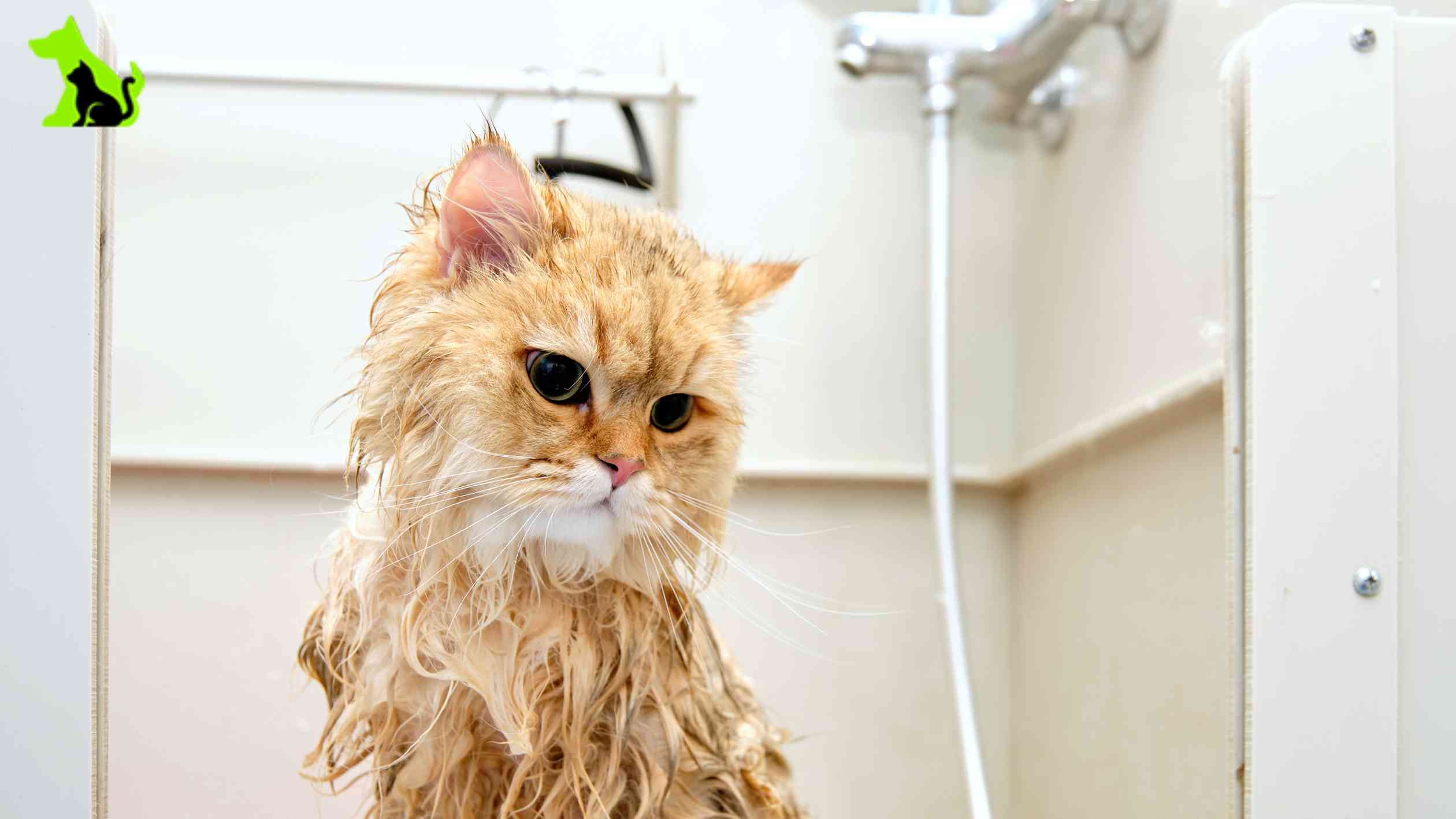
Professional groomers have experience with different cat breeds and temperaments. They can handle difficult grooming tasks like nail trimming and haircuts. Groomers use special tools that are safe and effective. Choose a groomer who is gentle and understands cat behavior. Ask for recommendations and read reviews before booking an appointment. Professionals can also spot health issues you might miss.
Costs And Benefits
| Grooming Type | Cost | Benefit | Consideration |
|---|---|---|---|
| DIY Grooming | Low | Bonding; Saves money | Time; Requires patience |
| Professional Grooming | Moderate to High | Expert care; Handles tough grooming | Stress for cat; Scheduling needed |
Both options keep your cat healthy and happy. Choose based on your cat’s needs and your comfort level.
Credit: hellopetsinc.com
Preparing Your Cat For Grooming
Preparing your cat for grooming helps make the process smooth and stress-free. Cats feel safer in calm, familiar spaces. Taking time to gather the right tools and understanding your cat’s mood improves grooming sessions. Preparation lowers anxiety for both you and your cat.
Creating A Calm Environment
Choose a quiet room with little noise and few distractions. Soft lighting helps your cat relax. Play gentle music or keep the room silent. Use a non-slip mat or towel on the surface to prevent slipping. Speak softly and move slowly to avoid startling your cat.
Tools And Supplies Needed
- Brush or comb suitable for your cat’s fur type
- Cat-safe nail clippers
- Styptic powder for nail bleeding emergencies
- Soft cloth for wiping face and ears
- Treats for rewarding good behavior
Keep all tools within reach before you begin. Clean tools prevent skin irritation and infection.
Handling Nervous Cats
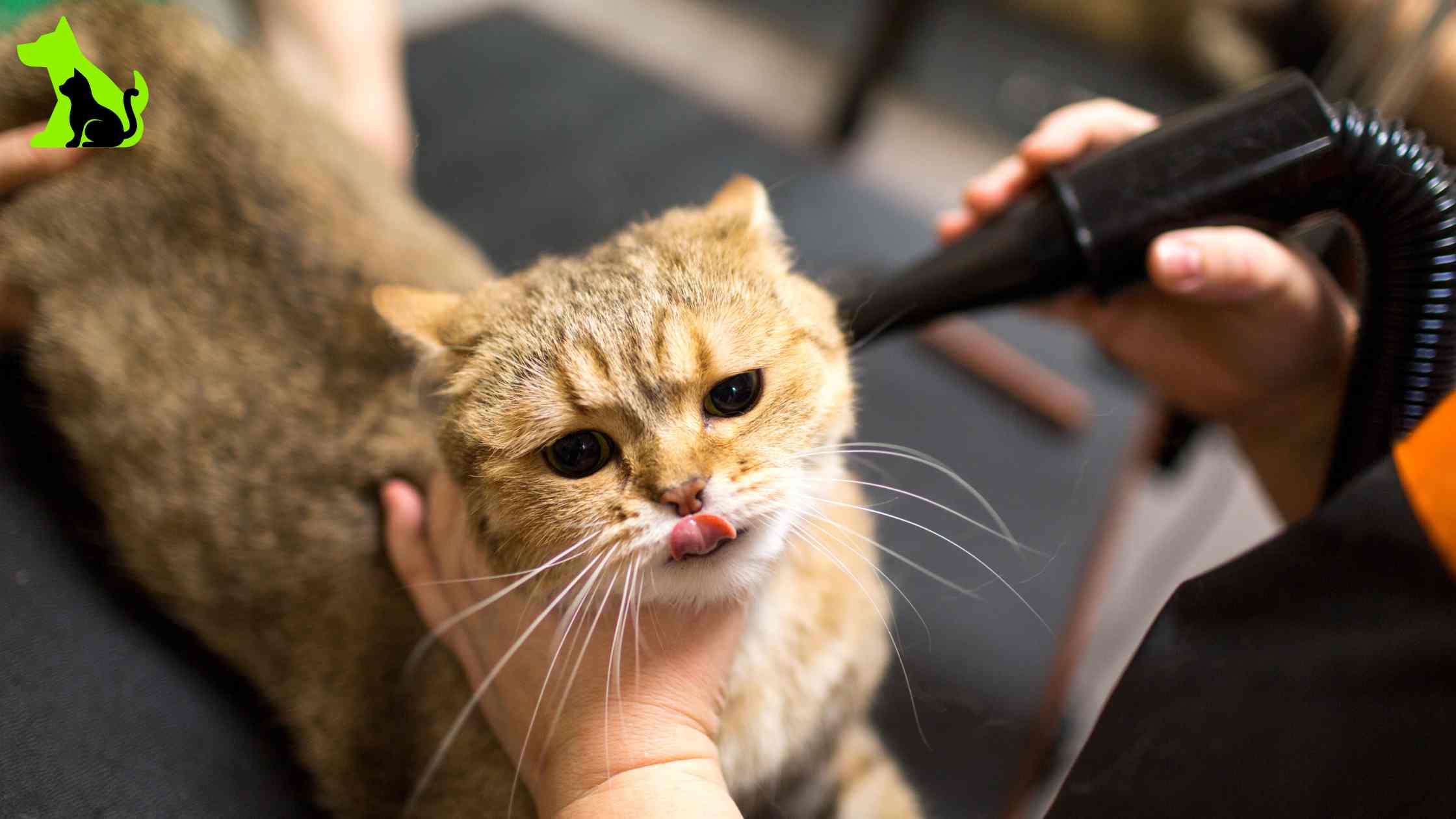
Start grooming in short sessions to build trust. Use treats to create positive associations. Hold your cat gently but firmly. Watch for signs of stress like growling or hiding. Stop if your cat becomes too anxious and try again later. Patience helps your cat feel safe and comfortable.
Credit: hellopetsinc.com
Frequently Asked Questions
How Often Should I Groom My Cat?
Cats typically need grooming every 4 to 6 weeks. Long-haired cats may require more frequent grooming. Regular grooming prevents mats and reduces shedding. It also helps monitor your cat’s skin and coat health.
What Signs Show My Cat Needs Grooming?
Look for mats, excessive shedding, or dirty fur. If your cat has a greasy coat or bad odor, grooming is needed. Also, check for overgrown nails or eye discharge.
Can I Groom My Cat At Home?
Yes, you can groom your cat at home with proper tools. Use a cat-specific brush and gentle techniques. Regular brushing helps maintain coat health and reduces hairballs.
When Is Professional Cat Grooming Necessary?
Professional grooming is needed if your cat has severe mats or skin issues. It’s also useful for nail trimming and deep cleaning. Professionals handle anxious or difficult cats safely.
Conclusion
Regular grooming keeps your cat healthy and happy. Watch for signs like matted fur or bad smell. Short-haired cats need less grooming than long-haired ones. Older or sick cats may need more help with grooming. Schedule grooming sessions every few weeks or as needed.
Keep your cat comfortable and calm during grooming. Clean fur means less hairballs and skin problems. A little care goes a long way in your cat’s life. Stay attentive and enjoy a cleaner, healthier pet.



Leave a Reply