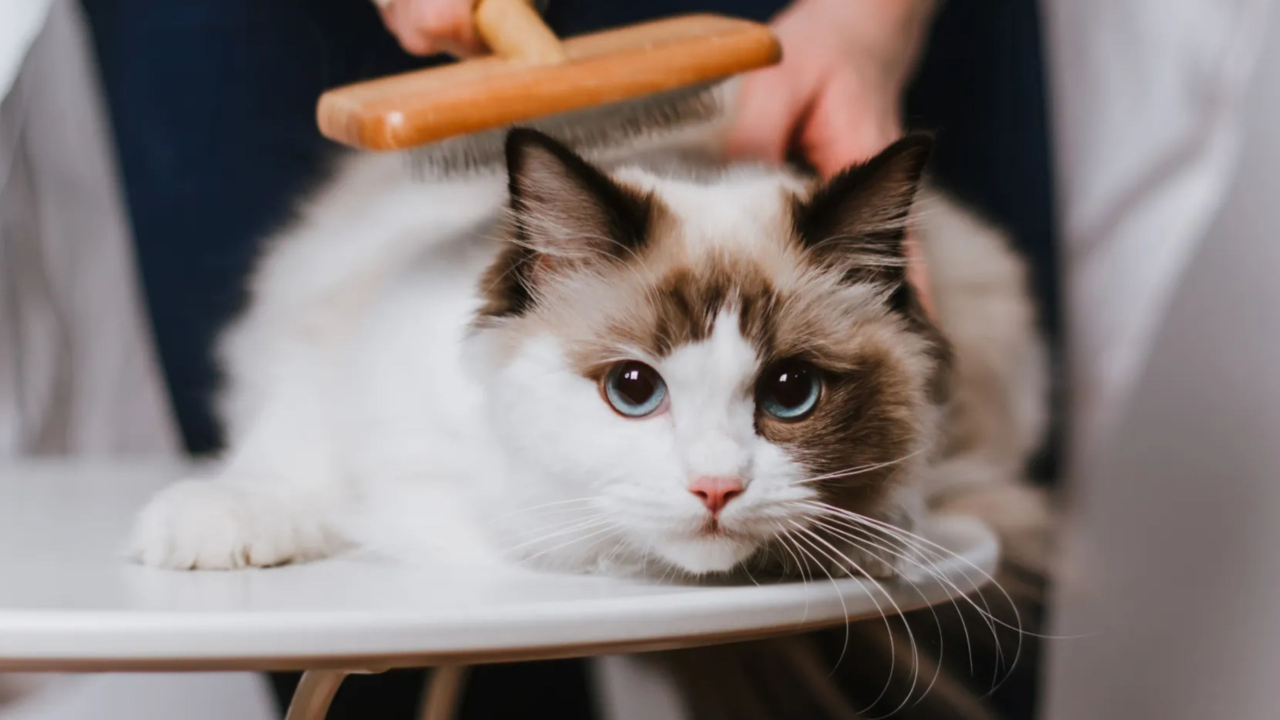
If you have a Ragdoll cat or are thinking about getting one, you might be wondering: should you groom your Ragdoll? These beautiful cats have long, silky fur that looks amazing but can also get tangled or matted if not cared for properly.
Grooming isn’t just about keeping your cat looking good—it can improve their health and make your bond stronger. You’ll discover simple grooming tips that fit into your routine, why grooming matters, and how it can make your Ragdoll happier. Keep reading to find out everything you need to know to keep your furry friend looking and feeling their best!
Credit: pethelpful.com
Ragdoll Cat Coat Basics
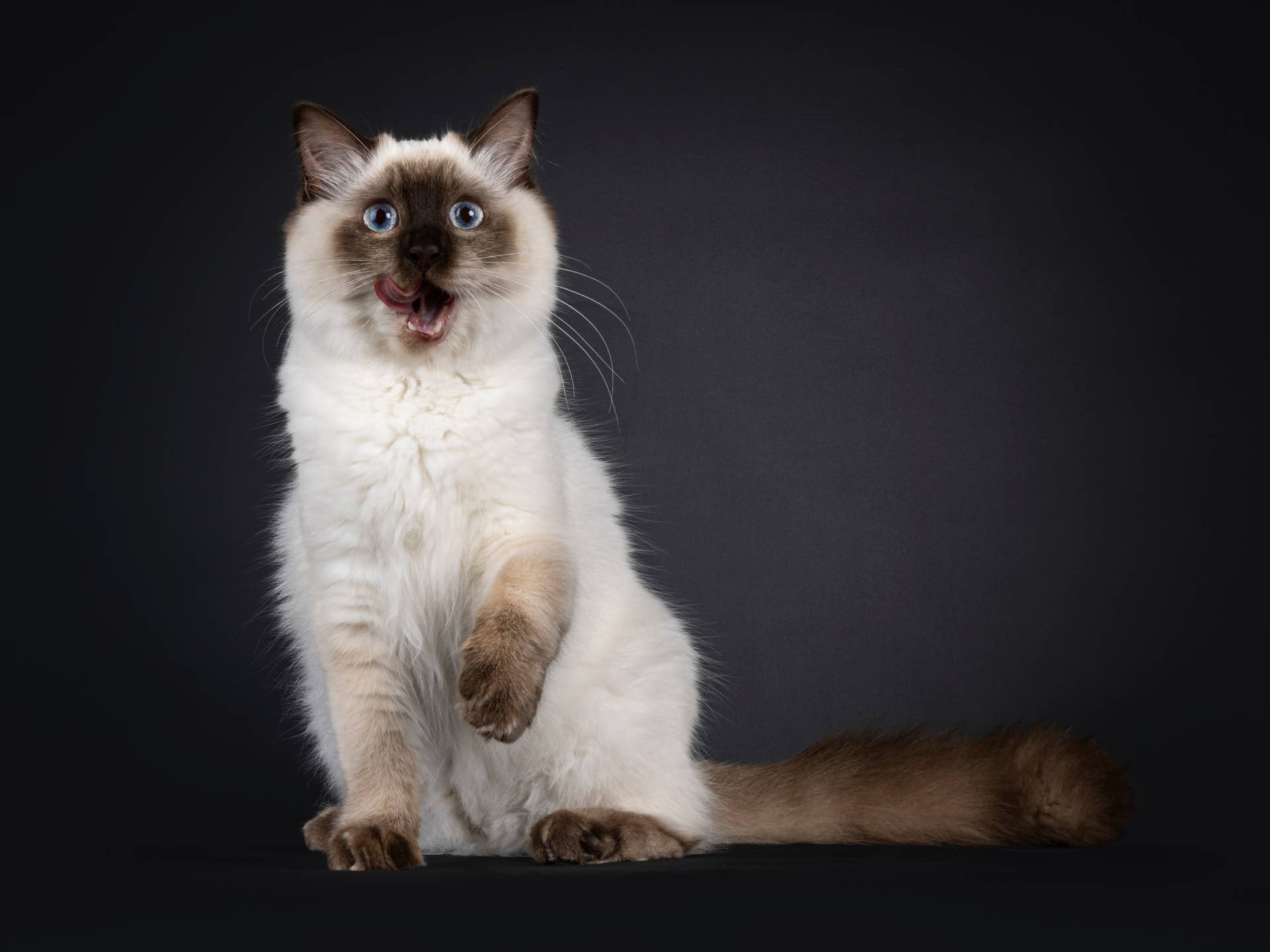
The Ragdoll cat is famous for its soft and plush coat. Understanding the coat basics helps maintain their beauty and health. Their fur has unique qualities that need special care. Knowing these traits guides proper grooming routines.
Fur Texture And Length
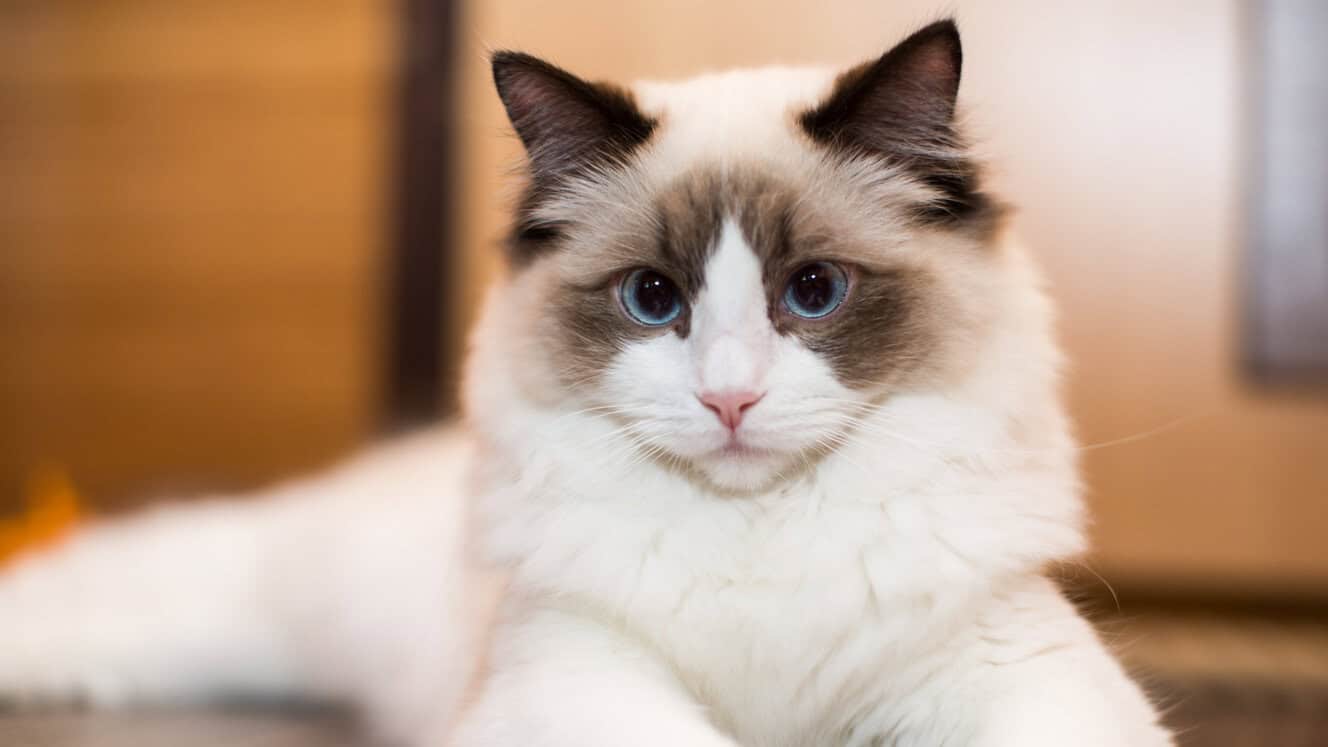
Ragdoll cats have semi-long fur that feels silky smooth. Their coat is dense but not too thick, which makes it less prone to matting. The fur lies flat against their body, giving them a sleek look. This texture makes grooming easier compared to other long-haired cats.
Shedding Patterns
Ragdolls shed moderately throughout the year. Shedding increases during seasonal changes, mainly in spring and fall. Regular brushing helps remove loose fur and reduces hair around the house. This also prevents hairballs and keeps the coat shiny and healthy.
Credit: www.burgesspetcare.com
Benefits Of Grooming
Grooming a Ragdoll cat offers many health and comfort benefits. Regular brushing keeps their long fur smooth and clean. It also helps spot any skin issues early. Grooming is a simple way to keep your cat happy and healthy.
Preventing Matting
Ragdolls have soft, thick fur that can easily tangle. Matting causes discomfort and skin problems. Brushing removes loose hair and prevents knots. This keeps the coat soft and easy to manage. Regular grooming saves your cat from painful mats.
Reducing Hairballs
Cats swallow loose fur while grooming themselves. This can cause hairballs, which upset their stomach. Brushing removes loose hair before your cat swallows it. Fewer hairballs mean less vomiting and discomfort. Grooming helps maintain your cat’s digestive health.
Maintaining Skin Health
Brushing stimulates blood flow to the skin. This promotes healthy hair growth and skin repair. Grooming also helps distribute natural oils evenly. Healthy skin means less dryness and irritation. Regular grooming keeps your cat’s skin strong and healthy.
Grooming Tools To Use
Ragdoll cats benefit from gentle grooming tools like soft brushes and wide-toothed combs. These help remove loose hair and prevent mats without hurting their delicate fur. Regular brushing keeps their coat smooth and healthy.
Grooming your Ragdoll cat is essential for their health and appearance. Using the right tools makes the process easier and more effective. Different grooming tools serve different purposes. Let’s explore the best tools for grooming your Ragdoll cat.Brush Types
Ragdoll cats have long, soft fur that can tangle easily. A slicker brush helps remove tangles and loose hair. It reaches deep into the coat, offering a gentle yet effective grooming experience. A bristle brush is ideal for finishing touches. It smooths the fur, leaving your Ragdoll looking neat and polished.Combs And Nail Clippers
A wide-toothed comb is perfect for detangling. It gently works through knots without pulling. Fine-toothed combs are great for finishing. They help remove any remaining loose fur. Nail clippers are essential for keeping your cat’s nails trimmed. Regular clipping prevents overgrowth and discomfort.Bath Supplies
Ragdolls may need occasional baths. Use a mild cat shampoo to clean their fur. Ensure the shampoo is gentle and free from harsh chemicals. A soft towel is important for drying. Pat your Ragdoll dry gently to avoid damaging their coat. Keep them warm until completely dry.Grooming Routine Tips
Keeping your Ragdoll cat well-groomed is more than just a beauty routine; it supports their health and comfort. Establishing a grooming schedule helps prevent mats and keeps their coat shiny and soft. Here are some practical tips to make grooming a stress-free experience for both you and your furry friend.
Brushing Frequency
Ragdolls have semi-long fur that can tangle if neglected. Aim to brush your cat at least three times a week to remove loose hair and prevent mats from forming.
Choose a wide-toothed comb or a soft-bristle brush designed for long-haired cats. Brushing not only reduces shedding but also strengthens your bond by giving your cat gentle attention.
Bathing Guidelines
Unlike dogs, cats generally groom themselves well, so baths are rarely needed. However, occasional bathing every few months can help, especially if your Ragdoll gets into something sticky or dirty.
Use a mild, cat-safe shampoo and warm water. Keep the experience calm—talk softly and rinse thoroughly to avoid any residue that might irritate their skin.
Nail Care
Trimming your Ragdoll’s nails regularly prevents overgrowth and reduces the risk of scratches. Check their nails every two to three weeks and trim just the sharp tips.
If you’re nervous about cutting nails, try using a scratching post to help your cat naturally wear them down. Remember, patience and positive reinforcement make nail care easier for both of you.
Handling Grooming Challenges
Grooming Ragdoll cats can present some challenges due to their long, silky fur and sensitive nature. Handling these challenges carefully helps maintain their coat and keeps them comfortable. Patience and gentle techniques are key to success during grooming sessions.
Understanding how to manage tangles, calm nervous cats, and recognize when professional help is needed ensures a smooth grooming experience.
Dealing With Mats
Mats can form easily in a Ragdoll’s soft fur. They cause discomfort and skin problems if left untreated. Use a wide-tooth comb to gently loosen small mats. For tougher mats, try a mat splitter or detangling spray.
- Work slowly to avoid pulling the fur.
- Hold the base of the mat to reduce pain.
- Regular brushing prevents mats from forming.
Never cut mats out yourself. This can hurt your cat or lead to uneven fur.
Calming Anxious Cats
Ragdolls often dislike grooming at first. Creating a calm environment helps reduce anxiety. Speak softly and use slow, gentle strokes. Give your cat breaks during grooming to avoid stress.
- Use treats to reward calm behavior.
- Try grooming after playtime when your cat is relaxed.
- Keep the grooming area quiet and free from distractions.
When To Seek Professional Help
Some grooming tasks require expert care. Seek a professional groomer if mats are severe or your cat resists grooming strongly. Professionals have tools and experience to handle tough mats safely.
Consult a vet if your cat shows skin irritation or hair loss. Early help prevents bigger problems and keeps your Ragdoll healthy.
Diet And Grooming Connection
The connection between diet and grooming is strong for Ragdoll cats. Good nutrition supports shiny, soft fur. Poor diet can lead to dull coats and skin problems. Grooming becomes easier when the cat’s fur is healthy from inside out.
Feeding your Ragdoll the right food improves coat texture. It also reduces shedding and matting. Hydration plays a key role in skin and fur health too. Water keeps the skin supple and the fur smooth.
Nutrition For Healthy Fur
Proteins are essential for strong fur growth. Look for cat food rich in animal-based proteins. Omega-3 and Omega-6 fatty acids boost fur shine and softness. Vitamins A, E, and Biotin support skin health. Avoid fillers like corn and soy as they provide little benefit.
- High-quality protein sources
- Essential fatty acids (Omega-3 and Omega-6)
- Vitamins A, E, and Biotin
Hydration Importance
Water keeps your cat’s skin hydrated. Dry skin causes flakes and itchy fur. Wet food helps increase water intake naturally. Always provide fresh, clean water daily. Proper hydration reduces hair breakage and promotes softness.
- Encourage drinking fresh water often
- Include wet food in diet
- Monitor signs of dehydration

Credit: www.kittenaroundragdolls.com
Frequently Asked Questions
How Often Should Ragdoll Cats Be Groomed?
Ragdoll cats need grooming at least twice a week. Regular brushing prevents mats and reduces shedding. It keeps their coat healthy and clean. More frequent grooming helps during shedding seasons.
What Grooming Tools Are Best For Ragdolls?
Use a wide-tooth comb and a soft bristle brush. These tools gently remove loose fur and prevent tangles. Avoid harsh brushes that can irritate their skin. A grooming glove can also help with shedding.
Can Grooming Improve Ragdoll Cat Health?
Yes, grooming boosts skin health and circulation. It helps detect skin issues early, like parasites or infections. Grooming also reduces hairballs by removing loose fur before ingestion.
Are Ragdoll Cats Prone To Matting Without Grooming?
Yes, their semi-long fur can mat if neglected. Regular grooming prevents painful mats and tangles. Mats can cause discomfort and skin problems, so timely care is essential.
Conclusion
Ragdoll cats need regular grooming to stay healthy and happy. Brushing their soft fur prevents mats and reduces shedding. Grooming also helps spot skin problems early. It creates a strong bond between you and your cat. Simple care routines keep your Ragdoll comfortable and clean.
So, grooming is a small effort with great benefits. Your cat will thank you with love and purrs.



Leave a Reply