
Have you noticed your cat spending hours licking itself, almost like it can’t stop? When your furry friend grooms too much, it might seem harmless, but it could be a sign that something’s wrong.
Understanding why your cat excessively grooms is key to keeping them healthy and happy. You’ll discover the surprising reasons behind this behavior and what you can do to help your cat feel better. Keep reading—you don’t want to miss these important insights that could change how you care for your pet.

Credit: medium.com
Normal Grooming Habits
Cats spend a lot of time grooming themselves. This behavior is natural and important for their health. Grooming helps cats stay clean, comfortable, and calm. Understanding what normal grooming looks like helps spot when it becomes excessive.
Daily Grooming Routine
Cats lick their fur many times a day. They use their rough tongues to clean dirt and loose hair. Grooming also spreads natural oils across their coat. This keeps their fur shiny and soft. Most cats spend about 30% to 50% of their awake time grooming. They clean their face, ears, paws, and tail carefully. Grooming is often done in short sessions throughout the day.
Benefits Of Grooming
Grooming offers many benefits to cats. It removes dirt and parasites from their fur. It helps cool them down in warm weather. Grooming also reduces stress and anxiety. Cats feel safe and relaxed while cleaning themselves. It strengthens the bond when cats groom each other. Healthy skin and fur are another advantage. Grooming prevents matting and keeps their coat healthy.
Signs Of Excessive Grooming
Excessive grooming in cats can signal stress or health issues. Spotting these signs early helps protect your pet’s well-being. It’s important to understand what overgrooming looks like and how to recognize common symptoms.
Identifying Overgrooming
Normal grooming is quick and routine. Overgrooming lasts longer and happens more often. Cats may lick or bite the same spot repeatedly. You might notice bald patches or irritated skin. Watch for unusual behavior like constant licking, chewing, or scratching. These signs mean the grooming is excessive and needs attention.
Common Symptoms
- Hair loss or thinning fur in certain areas
- Red, inflamed, or scabby skin
- Visible wounds or sores from licking or biting
- Repeated licking or nibbling in one spot
- Changes in mood, such as restlessness or irritability
These symptoms often show where the problem is. Overgrooming can cause pain or discomfort. Checking your cat’s coat and skin regularly helps catch these symptoms early. Early detection can prevent more serious problems.
Medical Causes
Cats may groom excessively due to allergies, skin infections, or parasites like fleas. Medical issues such as pain or stress can also cause this behavior. Regular vet checks help identify and treat these problems early.
Excessive grooming in cats can often be a sign of an underlying medical issue. It’s not just about keeping clean—sometimes, it’s their way of communicating discomfort. Understanding these medical causes can help you identify the problem and seek appropriate care for your feline friend.Skin Allergies
Cats, like humans, can suffer from allergies. These can be triggered by food, pollen, or even dust. When your cat has an allergic reaction, it may feel itchy, leading to more grooming than usual. You might notice redness or irritation on their skin. If left unchecked, excessive licking can lead to bald patches or even open sores. Consider consulting your vet to determine if allergies are the root cause.Parasites And Infections
Parasites such as fleas or mites can be incredibly irritating for your cat. These tiny pests can cause intense itching, prompting your cat to groom excessively. Infections, particularly fungal ones, can also be to blame. Have you ever noticed your cat focusing on a specific area more than others? This could be a sign of an infection. Regular flea treatment and keeping an eye out for unusual behavior can help prevent these problems.Pain And Discomfort
Cats are masters at hiding pain. Sometimes, they groom excessively to cope with discomfort. This could be due to arthritis, dental issues, or even an injury you might not have noticed. Have you ever seen your cat groom a particular spot repeatedly? It might be worth investigating further. Regular check-ups with your vet can help catch these issues early, ensuring your cat remains comfortable and healthy. Understanding why your cat is grooming excessively can make a significant difference. Not only does it lead to a happier pet, but it also strengthens the bond you share.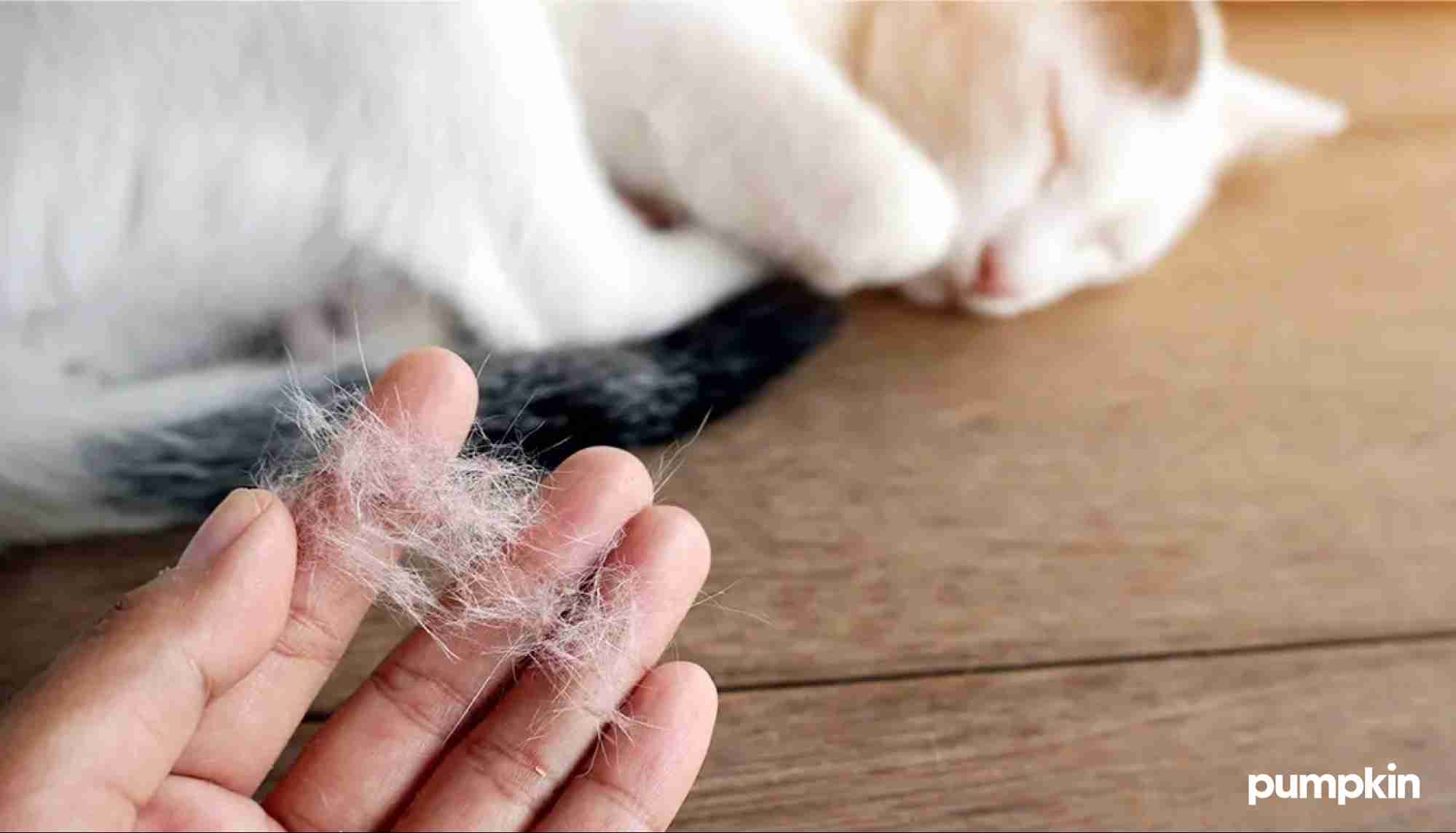
Credit: www.pumpkin.care
Behavioral Causes
Excessive grooming in cats often points to underlying behavioral causes that can affect their well-being. Understanding these reasons helps you address the root of the problem, rather than just the symptoms. Behavioral triggers can range from emotional stress to mental health issues, each requiring a different approach.
Stress And Anxiety
Cats are highly sensitive to changes in their environment. If your cat suddenly starts grooming more than usual, it could be reacting to stress or anxiety. Common triggers include moving to a new home, the arrival of a new pet, or loud noises.
Stress-induced grooming serves as a coping mechanism, providing a temporary sense of comfort. Have you noticed your cat grooming more after a vet visit or during a thunderstorm? These moments reveal how anxiety impacts their behavior.
Boredom And Lack Of Stimulation
When cats don’t get enough mental or physical activity, they might turn to grooming as a way to fill the void. Cats that spend long hours alone with nothing to do can develop this habit out of sheer boredom.
You can test this by increasing playtime or introducing new toys. If the excessive grooming decreases, it’s a clear sign your cat needed more stimulation. How often do you engage your cat in interactive play?
Compulsive Disorders
Some cats develop compulsive grooming, a repetitive behavior that persists even when the skin is healthy. This condition is similar to obsessive-compulsive disorder in humans and often requires veterinary intervention.
It’s not just about cleanliness; compulsive grooming can cause bald spots and skin damage. If your cat’s grooming seems out of control, consider consulting a vet who might suggest behavioral therapy or medication.
Environmental Triggers
Cats often groom themselves to stay clean and comfortable. Yet, excessive grooming can signal that something in their environment troubles them. Environmental triggers may cause stress or discomfort, leading cats to groom more than usual. Understanding these triggers helps owners provide a calm and safe space for their pets.
Changes In Surroundings
Cats dislike sudden changes in their environment. New furniture, moving to a different home, or rearranging rooms can upset them. These changes create stress, pushing cats to groom more. Grooming acts as a soothing behavior, helping cats feel more secure.
Exposure To Irritants
Strong smells, dust, or chemicals can irritate a cat’s sensitive skin. Exposure to these irritants leads to itching or discomfort. Cats may groom excessively to relieve this irritation. Identifying and removing these irritants can reduce over-grooming.
Interaction With Other Pets
New or dominant pets in the household can cause stress for cats. Tense interactions often trigger nervous grooming. Cats use grooming to calm themselves and avoid conflict. Monitoring pet relations and providing safe spaces can ease this stress.
When To See A Vet
Excessive grooming in cats can sometimes signal more than just a quirky habit. Knowing when to see a vet is crucial to catch any underlying health issues early. If your cat’s grooming behavior suddenly spikes or persists beyond normal, it’s time to pay close attention and consider professional help.
Warning Signs
Watch for bald patches, red or irritated skin, and constant licking in one area. These signs often suggest discomfort or pain. If your cat seems restless, hides more than usual, or stops eating, these behaviors can also point to a problem.
Have you noticed your cat grooming so much that it causes bleeding or scabs? That’s a clear signal to visit a vet. Sudden changes in grooming patterns should never be ignored, especially if combined with behavioral changes.
Diagnostic Tests
Once at the vet, they may perform a skin scrape or allergy tests to find parasites or irritants. Blood tests can reveal hormonal imbalances or infections that cause itching or discomfort. Sometimes, the vet might suggest a biopsy if there are unusual skin lesions.
Don’t be surprised if your vet asks about your cat’s environment and diet. These questions help identify stress or allergic reactions that trigger over-grooming. Understanding the root cause is key to stopping the behavior effectively.
Treatment Options
Excessive grooming in cats can signal underlying health or stress issues. Treatment focuses on addressing the root cause to help your cat feel better. Various options exist, ranging from medical care to changes in daily life. Understanding these options helps you support your cat’s well-being effectively.
Medical Interventions
Veterinarians first rule out infections, allergies, or parasites causing grooming. They may prescribe medications such as antibiotics or anti-parasitic treatments. Sometimes, anti-inflammatory drugs help reduce skin irritation. In certain cases, sedatives or anti-anxiety drugs support calming behaviors. Regular check-ups track progress and adjust treatments as needed.
Behavioral Therapies
Stress or anxiety often drives excessive grooming. Behavior modification helps cats manage these feelings. Techniques include positive reinforcement to reward calm behavior. Interactive play sessions reduce boredom and anxiety. Sometimes consulting a cat behaviorist provides tailored strategies. Patience and consistency improve success in changing habits.
Environmental Adjustments
Creating a calm, safe environment lowers stress levels in cats. Provide quiet spaces for your cat to retreat and relax. Use pheromone diffusers to mimic calming scents naturally. Ensure regular feeding and play routines to create stability. Introduce new toys or scratching posts to keep your cat engaged. These small changes promote comfort and reduce over-grooming triggers.
Preventing Excessive Grooming
Preventing excessive grooming in cats helps keep their skin and fur healthy. It also reduces stress and discomfort. Careful attention to their needs can stop over-grooming before it starts. Simple actions often make a big difference in their behavior.
Regular Health Checks
Schedule vet visits to catch health problems early. Parasites, allergies, or skin infections often cause over-grooming. Keep vaccinations and flea control up to date. Watch for changes in your cat’s skin or coat. Early treatment prevents serious issues and excessive licking.
Enrichment Activities
Provide toys and games to keep your cat busy. Physical and mental activity reduces boredom that leads to grooming. Rotate toys to keep interest high. Offer scratching posts and climbing areas. Playtime with you strengthens your bond and distracts from over-grooming.
Stress Reduction Techniques
Create a calm and safe home environment. Use quiet spaces where your cat can relax. Maintain a daily routine to give your cat comfort. Use pheromone diffusers designed for cats to ease anxiety. Avoid loud noises or sudden changes that cause stress. A peaceful cat grooms less and feels better.

Credit: www.purina.com
Frequently Asked Questions
Why Does My Cat Groom Excessively?
Cats groom excessively due to stress, allergies, or skin conditions. Over-grooming helps them soothe anxiety or remove irritants. If grooming leads to hair loss or sores, consult a vet for proper diagnosis and treatment.
Can Excessive Grooming Indicate Health Problems?
Yes, excessive grooming can signal health issues like parasites, infections, or allergies. It may also point to pain or anxiety. Early vet visits help identify the cause and prevent further complications.
How Can I Reduce My Cat’s Over-grooming?
Reduce over-grooming by addressing stress and environmental factors. Provide mental stimulation, playtime, and a calm space. Use vet-recommended treatments for allergies or skin problems. Regular check-ups ensure your cat’s health and comfort.
Is Over-grooming Linked To Cat Anxiety?
Yes, anxiety is a common cause of over-grooming. Cats use grooming as a coping mechanism for stress or boredom. Identifying triggers and offering enrichment helps reduce anxiety-related grooming.
Conclusion
Excessive grooming in cats can signal stress or health problems. Watch your cat’s habits closely. Changes in grooming may need a vet’s checkup. Keep your cat calm and comfortable. Proper care helps your cat feel better. Understanding grooming helps you care for your cat well.
Stay alert to changes in behavior. Your cat’s health depends on your attention. Simple steps can improve your cat’s life.



Leave a Reply