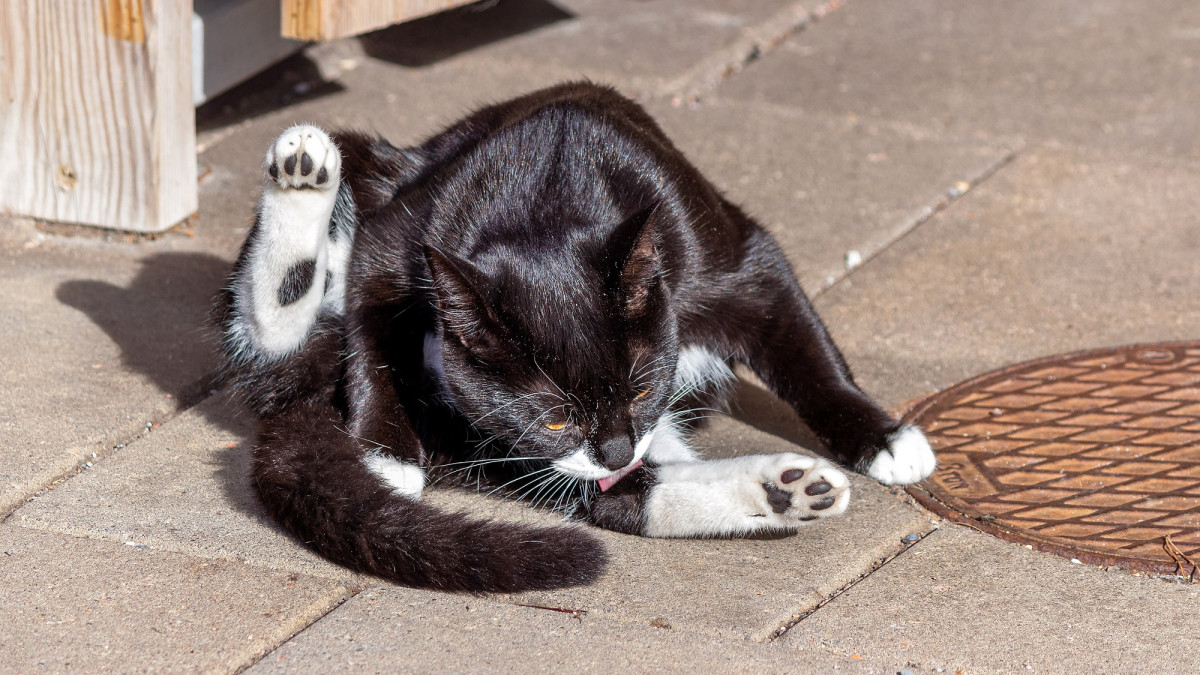
Have you ever noticed your cat biting or chewing its own tail and wondered why? It’s a behavior that can catch you off guard and leave you concerned.
Understanding why your cat bite tail grooming is happening can help you ensure your furry friend stays happy and healthy. You’ll discover the common reasons behind this curious habit and learn what you can do to support your cat’s well-being.
Keep reading to unlock the secrets behind this puzzling behavior and find out how to help your cat feel its best.
Credit: pethelpful.com
Reasons Cats Bite Their Tails
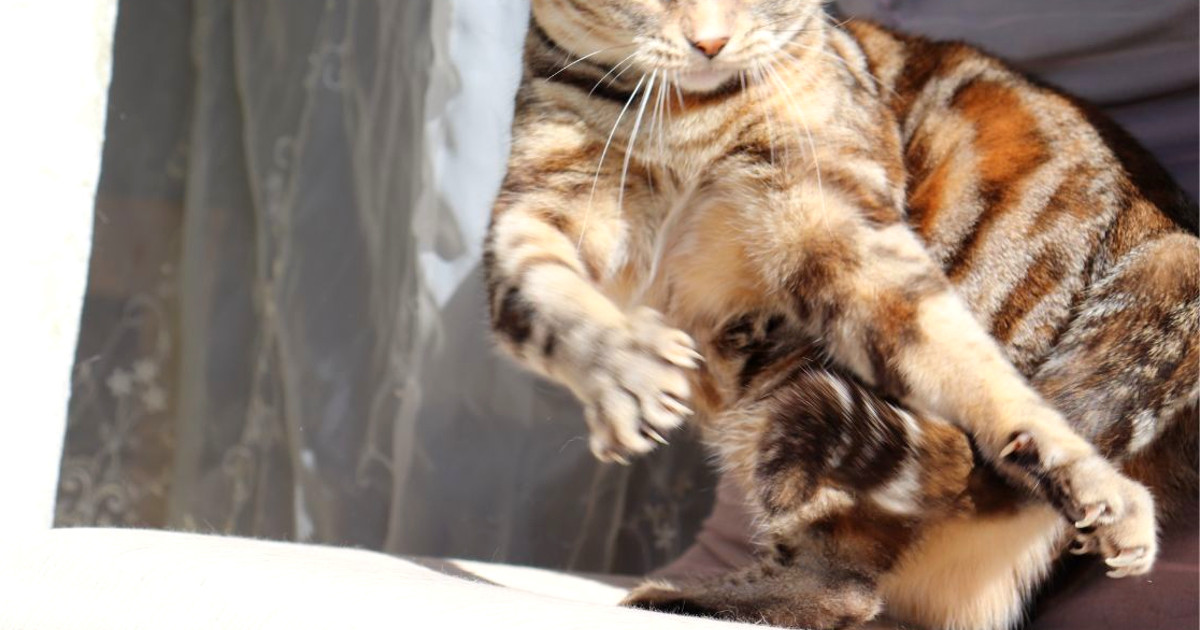
Cats biting their tails can puzzle many pet owners. This behavior often signals an underlying issue. Understanding why cats bite their tails helps in providing proper care. Several reasons might cause this action, ranging from health to emotional factors.
Itching And Allergies
Itching is a common cause of tail biting. Allergies to food, pollen, or dust can irritate the skin. Cats may bite their tails to relieve the itch. Persistent scratching can lead to sores and discomfort.
Parasites And Fleas
Parasites like fleas often hide near the tail. Flea bites cause intense itching and irritation. Cats bite their tails to try and remove these pests. Untreated flea infestations can worsen the condition quickly.
Injury Or Infection
Injuries or infections can make the tail painful. Biting may be a response to this pain or discomfort. Wounds or abscesses on the tail need veterinary care. Early treatment helps prevent further problems.
Stress And Anxiety
Stress can cause cats to bite their tails. Changes in the environment or routine may trigger anxiety. Tail biting serves as a coping mechanism for some cats. Reducing stress can help stop this behavior.
Boredom And Overstimulation
Bored cats sometimes bite their tails out of frustration. Overstimulation from petting or play can also lead to biting. Providing toys and attention reduces boredom and prevents tail biting.
Credit: pethelpful.com
Behavioral Causes Behind Tail Biting
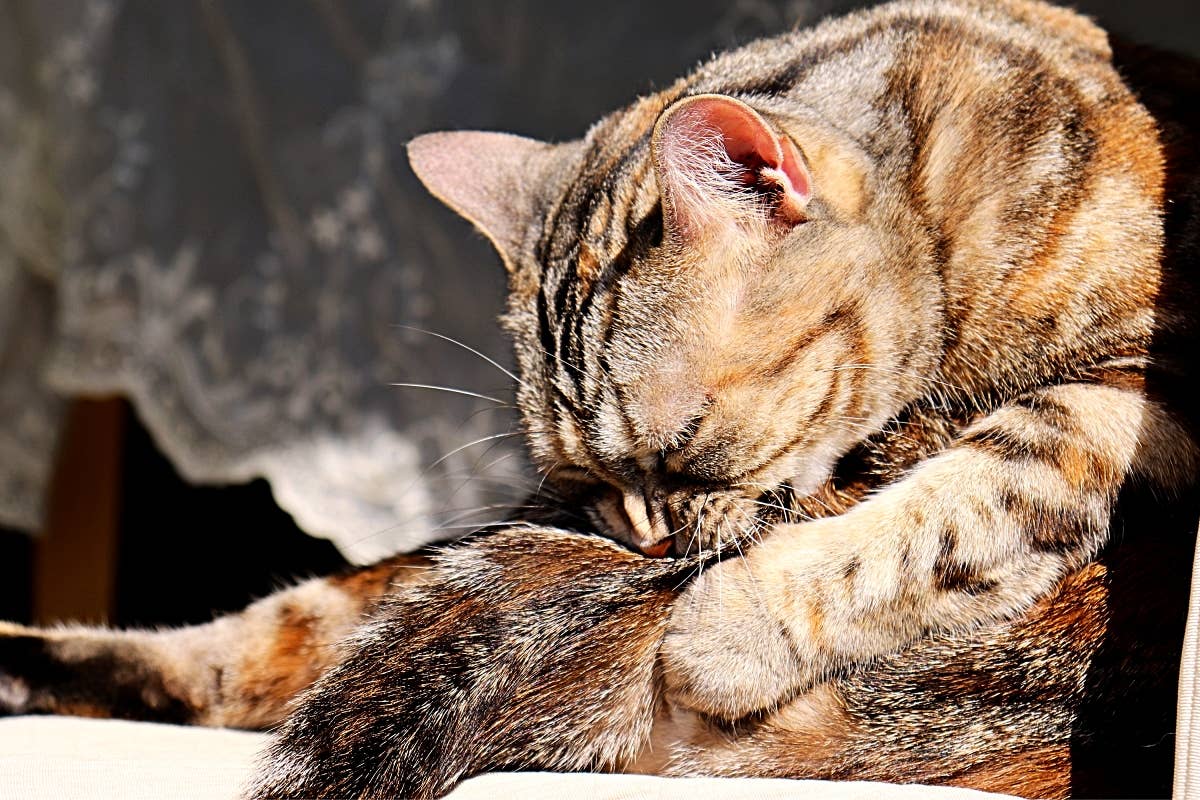
Understanding why your cat bites its tail can feel puzzling. Often, the root lies in behavioral patterns rather than just physical irritation. Recognizing these behaviors helps you respond better and improve your cat’s comfort and well-being.
Compulsive Disorders
Some cats develop compulsive tail-biting habits similar to human repetitive behaviors. This often happens due to stress, anxiety, or lack of stimulation. If your cat starts obsessively biting its tail, it might be trying to relieve internal tension.
Think about whether your cat’s environment is boring or stressful. Adding toys, playtime, or a quiet space can reduce this compulsive behavior. Have you noticed if the tail biting spikes during loud noises or changes in routine?
Attention-seeking Behavior
Cats quickly learn which actions grab your attention. Tail biting might be their way of saying, “Look at me!” especially if they feel neglected. Even negative attention can encourage this habit.
Try offering positive attention when your cat is calm rather than when it bites its tail. This helps shift their focus from seeking attention through biting to more acceptable behaviors. Could increasing interactive play help your cat feel more connected and less desperate for your notice?
Territorial Marking
Cats use scent to mark their territory, and biting or grooming their tail can spread their unique scent. This behavior can intensify in multi-cat households or when new pets arrive. Tail biting becomes a way to assert control over their space.
Observe if the tail biting increases during introductions of other animals or changes in the home. Providing separate resting spots and maintaining a calm environment can ease territorial stress. How does your cat react when new animals or people come around?
Health Risks Linked To Tail Biting
Tail biting in cats might seem like a quirky behavior, but it can pose significant health risks. Understanding these risks can help you take preventive measures and ensure your feline friend stays happy and healthy. Let’s dive into the potential issues that arise from this habit.
Skin Irritation And Damage
When a cat bites its tail, it can cause skin irritation and even lead to wounds. The repeated biting and chewing can strip away fur and damage the skin, leaving it raw and sensitive. This damage is not only painful but also creates an entry point for bacteria.
Imagine the discomfort of having an open sore that just won’t heal. It’s crucial to monitor these areas closely and seek veterinary advice if you notice persistent damage.
Secondary Infections
Open wounds from tail biting can quickly become infected. Bacteria can easily enter the damaged skin, leading to nasty infections that require medical treatment. Cats are notorious for hiding pain, so these infections might go unnoticed until they become severe.
If you notice any signs of infection, such as swelling, redness, or an unpleasant smell, it’s important to consult your vet promptly. Timely intervention can prevent complications and help your cat recover faster.
Impact On Overall Well-being
Chronic tail biting can affect a cat’s overall well-being. The discomfort from skin irritation and infections can cause stress and anxiety, affecting their behavior and mood. Cats experiencing pain might become less active, withdraw from social interactions, or even show aggression.
Have you ever noticed your cat seems less playful or more irritable? It might be a sign that something is bothering them, like tail biting. Keeping an eye on your cat’s behavior and addressing any changes can improve their quality of life significantly.
How To Identify Tail Biting In Cats
Noticing your cat biting its tail can be puzzling and concerning. Recognizing this behavior early helps you address the problem before it worsens. Understanding how to spot signs of tail biting can save your cat from discomfort and potential injury.
Signs And Symptoms
Watch for constant licking, biting, or chewing on the tail. You might see redness, swelling, or small wounds on the tail’s skin. Your cat could also be restless, scratching more than usual, or showing signs of pain when you touch its tail.
Sometimes, tail biting is subtle—your cat may only nibble occasionally, making it easy to miss. Pay attention if your cat suddenly becomes more anxious or aggressive, as this can relate to tail irritation. Hair loss around the tail is another clear indicator.
When To Consult A Vet
If you spot open sores, bleeding, or swelling, it’s time to get professional help. Persistent tail biting can signal allergies, parasites, or infections that need treatment. Don’t wait if your cat’s behavior changes drastically or if it seems in pain.
Your vet can identify underlying causes like fleas, ringworm, or anxiety-related issues. Early intervention can prevent complications and improve your cat’s quality of life. Have you noticed your cat’s tail biting getting worse over a few days? That’s a clear sign to schedule a vet visit.
Effective Solutions To Stop Tail Biting
Effective solutions to stop tail biting focus on both health and behavior. Tail biting can cause pain and infections. Addressing the root cause helps your cat feel better and prevents damage.
These solutions combine medical care, behavioral changes, a better environment, and sometimes protective gear. Each plays a key role in stopping this harmful habit.
Medical Treatments
Visit a vet to check for infections or allergies. Sometimes, skin problems cause itching, leading to tail biting. The vet may prescribe medicine to reduce itching and pain.
Antibiotics can treat infections. Anti-inflammatory drugs help calm irritated skin. These treatments ease discomfort and stop the biting cycle.
Behavioral Interventions
Tail biting often comes from stress or boredom. Training your cat helps change this behavior. Positive reinforcement works well. Reward calm and gentle behavior.
Try distraction with toys or playtime. Redirect your cat’s attention when biting begins. Consistency is important to teach new habits.
Environmental Enrichment
Provide plenty of toys and scratching posts. Cats need stimulation to stay happy. A busy cat bites less.
Give your cat cozy resting places. Quiet spots reduce stress and anxiety. Regular play sessions improve mental health and reduce biting.
Use Of Protective Gear
Sometimes, protective gear stops tail biting. Soft collars prevent access to the tail. These collars allow healing without harming the cat.
Protective gear should fit well and not cause discomfort. Monitor your cat closely while using it to ensure safety and effectiveness.
Credit: animals.howstuffworks.com
Preventing Tail Biting In The Future
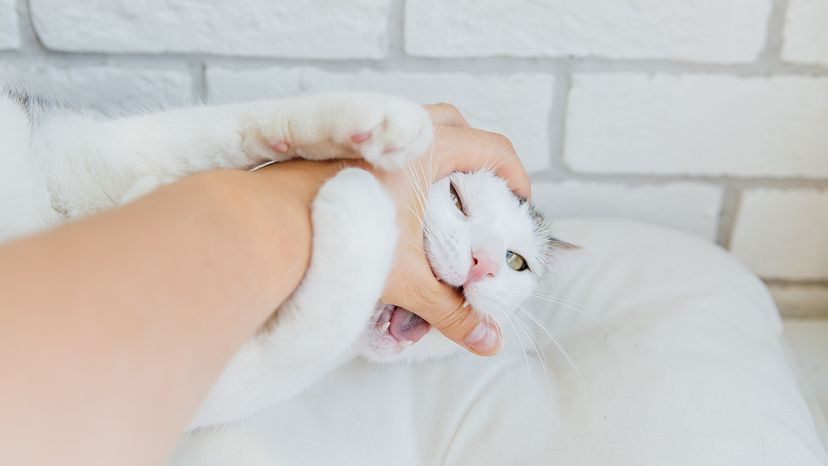
Preventing tail biting in cats is important for their health and happiness. Tail biting can cause pain and infections. It often signals underlying problems. Addressing these early helps stop this behavior from returning.
Focusing on regular health checks, reducing stress, and proper grooming protects your cat’s tail and overall well-being.
Regular Vet Check-ups
Routine vet visits catch health issues early. Skin problems, allergies, or infections may cause tail biting. Your vet can diagnose and treat these conditions quickly. Vaccinations and parasite prevention also keep your cat healthy. Regular check-ups reduce the chance of tail irritation and biting.
Maintaining A Stress-free Environment
Stress often triggers tail biting. Loud noises, new pets, or changes in routine upset cats. Create a calm space with quiet areas and hiding spots. Play and interact gently to build trust. A relaxed cat feels safe and less likely to bite its tail.
Proper Grooming And Parasite Control
Regular grooming removes dirt and loose fur. It prevents matting that can irritate the skin. Parasites like fleas cause itching and discomfort. Use vet-approved treatments to protect your cat from parasites. Clean, healthy skin reduces the urge to bite the tail.
Frequently Asked Questions
Why Does My Cat Bite Its Tail During Grooming?
Cats may bite their tails during grooming due to irritation, fleas, or allergies. This behavior can also indicate stress or anxiety. Regularly check your cat’s tail for signs of injury or infection and consult a vet for persistent issues.
Can Tail Biting Harm My Cat’s Health?
Yes, frequent tail biting can cause wounds, infections, and discomfort. It may lead to hair loss or skin damage. Early intervention helps prevent serious health problems and ensures your cat stays comfortable and healthy.
How Can I Stop My Cat From Biting Its Tail?
Identify and remove causes like fleas or allergies. Provide stress relief through play and comfort. Consult your vet for proper diagnosis and treatment options if biting persists or worsens.
Is Tail Biting A Sign Of Behavioral Problems In Cats?
Tail biting can indicate behavioral issues such as anxiety or boredom. Cats may resort to this behavior when stressed or under-stimulated. Providing enrichment and attention often reduces such habits.
Conclusion
Cats bite their tails for many reasons. It can mean they feel itchy, stressed, or bored. Sometimes, it shows health problems that need a vet’s help. Watching your cat closely helps you understand their behavior. Giving your pet attention and care can reduce tail biting.
A happy cat usually bites less. Keep your cat comfortable and healthy for a peaceful home. Tail biting is a signal, not just a habit. Listen to it to keep your cat safe and happy.



Leave a Reply