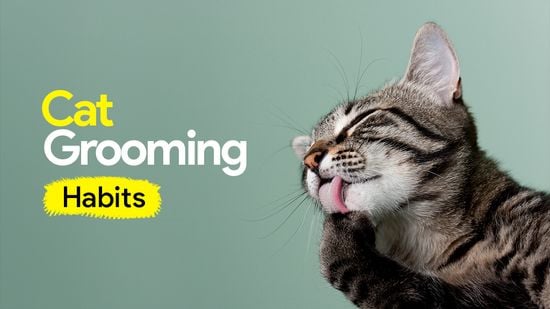
Have you noticed your cat suddenly stopped grooming himself? It might seem like a small change, but this behavior can tell you a lot about your furry friend’s health and happiness.
When your cat neglects his usual self-cleaning routine, it’s a sign you shouldn’t ignore. You’ll discover why grooming matters, what could cause your cat to stop, and what steps you can take to help him feel better. Keep reading—your cat’s well-being depends on it.
Signs Of Grooming Changes
Signs of grooming changes in cats can show subtle hints or clear differences. Cats usually groom themselves daily to stay clean and healthy. When grooming habits change, it often means something is wrong. Spotting these signs early helps protect your cat’s health.
Reduced Grooming Frequency
A cat that grooms less often is a warning sign. You may notice your cat stops licking its fur regularly. The coat might look untidy or greasy. Reduced grooming can indicate pain, stress, or illness. Watch for longer gaps between grooming sessions.
Poor Coat Condition
The fur may become dull, matted, or patchy. Lack of grooming leads to tangled hair and dirt buildup. Skin might appear dry or flaky under the fur. These changes show the cat is not caring for its coat properly. Check for bald spots or unusual odors too.
Behavioral Shifts
A cat that stops grooming might act differently. It may hide more often or seem less active. Changes in appetite and mood are common. Some cats show irritability or avoid being touched. These behaviors often connect to discomfort or health problems.
Credit: www.latimes.com
Common Causes For Grooming Issues
Cats usually keep themselves clean by grooming daily. When a cat stops grooming, it signals a problem. Several reasons can cause grooming issues. Understanding these helps in caring for your cat better.
Medical Conditions
Illnesses affect a cat’s grooming habits. Skin infections, parasites, or allergies cause irritation. Conditions like arthritis limit movement, making grooming hard. Hormonal imbalances can also reduce grooming behavior. Regular vet checks help catch these problems early.
Pain And Discomfort
Pain stops cats from grooming. Injuries or dental problems can make licking painful. Muscle soreness or joint pain often makes grooming difficult. Cats avoid hurting areas to prevent more pain. Observing your cat’s body language can reveal hidden pain.
Stress And Anxiety
Stress changes a cat’s daily routine. Changes in home, new pets, or loud noises cause anxiety. An anxious cat may stop grooming or groom too much. Stress affects their appetite and energy levels too. Creating a calm environment helps reduce stress.
Health Risks From Poor Grooming
A cat that stops grooming may face skin infections, matting, and discomfort. Poor grooming often signals health problems needing attention. Ignoring this can lead to pain and serious illness.
Cats are known for their grooming habits. But when a cat stops grooming, it raises concerns. Poor grooming can lead to several health risks. These risks not only affect the cat’s appearance but also its overall health. Understanding these risks is crucial for every cat owner.Skin Infections
Poor grooming allows dirt and oils to build up on the skin. This creates a perfect environment for bacteria. Skin infections can develop easily in such conditions. Infected skin might become red, swollen, or emit a bad odor. Regular grooming helps keep the skin clean and healthy.Matting And Hair Loss
Cats’ fur can become tangled without regular grooming. Matting is not just unsightly, it can hurt too. Mats pull on the skin, causing discomfort and even pain. Over time, mats can lead to hair loss. Matting might also hide sores or other skin issues.Parasite Infestations
Grooming helps cats control parasites like fleas and ticks. Without it, parasites can thrive unchecked. These pests cause itching and can lead to infections. They may also transmit diseases to your cat. Keeping up with grooming helps prevent infestations.
Credit: pennypaws.com
Immediate Care Steps
Noticing your cat has stopped grooming is a warning sign. Immediate care helps prevent health issues. Acting quickly supports your cat’s comfort and well-being. Follow these care steps to address the problem right away.
Inspecting The Cat’s Body
Check your cat’s fur and skin closely. Look for wounds, redness, or swelling. Notice any patches where fur is missing. Watch for signs of parasites like fleas or ticks. Observe your cat’s behavior for signs of pain or discomfort. This inspection reveals what might stop grooming.
Gentle Cleaning And Brushing
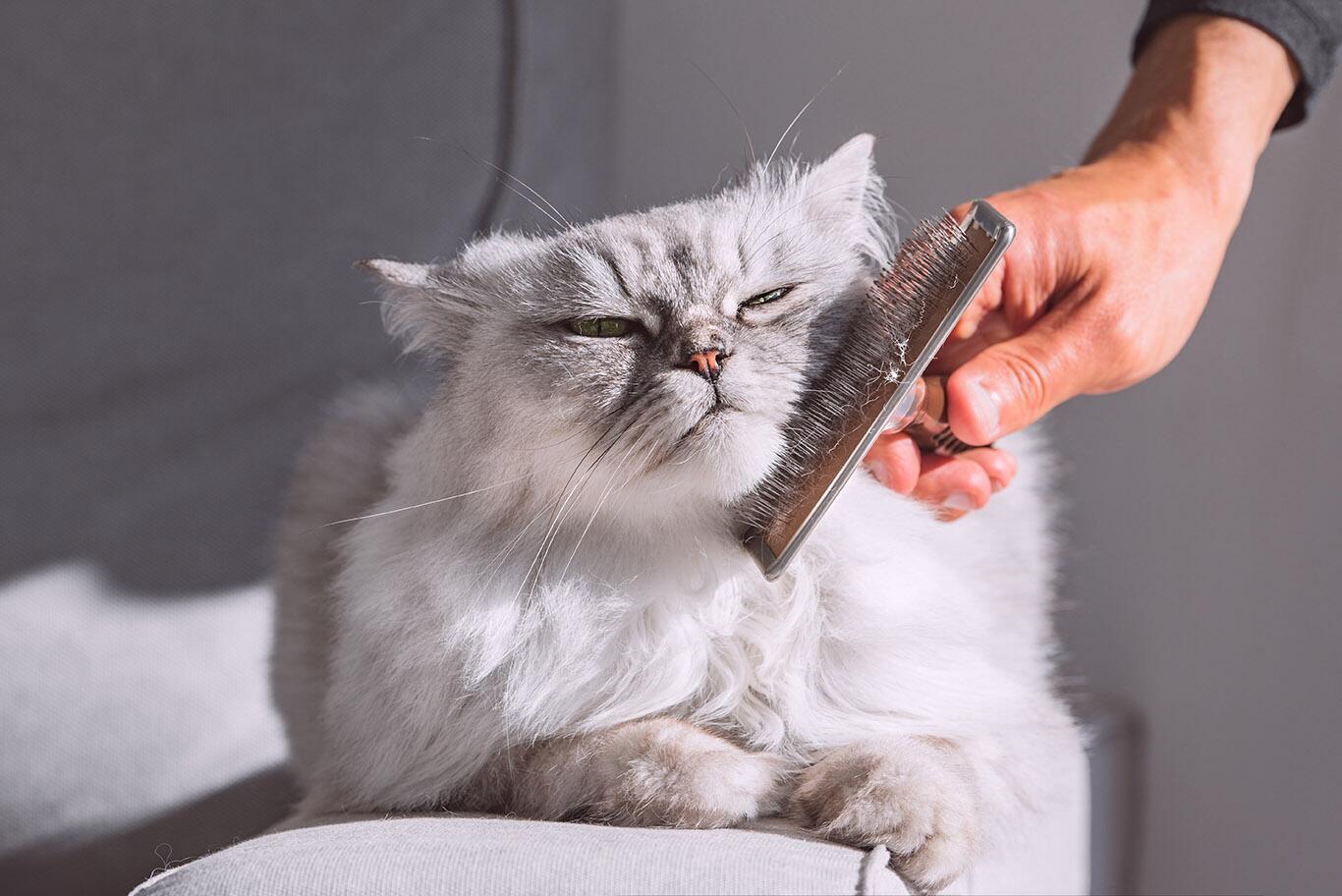
Use a soft brush to clean your cat’s coat carefully. Remove dirt and loose fur without causing pain. If your cat resists, try calming tones and slow movements. Avoid harsh shampoos; use water and mild pet wipes. This helps keep your cat clean until grooming returns.
Monitoring Eating And Drinking
Track how much your cat eats and drinks daily. A drop in appetite can signal illness or stress. Make sure fresh water and food are always available. Note any changes in bathroom habits, such as less urination. Monitoring these habits supports early detection of health problems.
When To Contact A Veterinarian
Knowing when to contact a veterinarian is crucial if your cat stops grooming. Grooming is more than just a habit—it’s a sign of your cat’s overall well-being. Ignoring changes in this behavior can sometimes mean missing early signs of health problems.
Signs Of Serious Illness
Look for sudden weight loss or gain alongside poor grooming. Your cat might also have a dull coat or patches of missing fur. These can indicate conditions like arthritis, dental pain, or internal illnesses.
If your cat shows unusual lethargy or changes in appetite, it’s time to act. Don’t wait for symptoms to worsen. Early vet visits often prevent more serious complications.
Persistent Grooming Decline
A brief stop in grooming might be normal, especially during stress or changes in the household. But if your cat avoids grooming for several days, it’s a red flag. Persistent decline suggests something deeper than just mood or laziness.
Watch for buildup of dirt or matting in the fur. These signs show your cat isn’t maintaining hygiene due to discomfort or illness. When grooming decline lasts beyond 48-72 hours, schedule a vet check.
Emergency Symptoms
Some signs demand immediate veterinary attention. If your cat stops grooming and also has difficulty moving, severe swelling, bleeding, or sudden behavior changes, don’t delay. These could indicate emergencies like injury or serious infections.
Also, if your cat stops eating and drinking along with grooming, it’s urgent. Your quick response might save your cat’s life.
Long-term Grooming Support
Long-term grooming support helps keep cats healthy and comfortable. Cats may stop grooming due to illness, pain, or stress. Providing ongoing care helps maintain their coat and skin health. It also prevents matting and skin problems. Careful attention to daily habits supports their well-being over time.
Regular Brushing Routines
Brushing removes loose fur and dirt from the coat. It prevents hairballs and tangles. Use a brush suited to your cat’s fur type. Short-haired cats need gentle brushing once a week. Long-haired cats benefit from daily brushing. Make grooming a calm, positive experience. Use soft strokes and praise your cat.
Diet And Hydration
A balanced diet supports healthy skin and fur. Essential fatty acids keep the coat shiny and smooth. Provide fresh water at all times. Dehydration can cause dry, flaky skin. Consult your vet about supplements if needed. Monitor your cat’s weight and appetite closely. Good nutrition strengthens their natural grooming ability.
Managing Stress And Environment
Stress affects a cat’s grooming habits and health. Create a quiet, safe space for your cat. Keep routines consistent to reduce anxiety. Provide toys and scratching posts for mental stimulation. Monitor interactions with other pets and people. Use calming products if your cat is nervous. A peaceful environment encourages regular self-care.
Credit: pethelpful.com
Frequently Asked Questions
Why Does My Cat Stop Grooming Suddenly?
Cats may stop grooming due to illness, pain, or stress. It can also indicate dental problems or arthritis. If grooming stops abruptly, consult a vet to diagnose and treat the underlying cause promptly.
Is Lack Of Grooming A Sign Of Cat Illness?
Yes, lack of grooming often signals health issues in cats. It can indicate infections, skin problems, or internal diseases. Early vet evaluation is important to address the problem and ensure your cat’s well-being.
How Can I Help A Cat That Won’t Groom?
Encourage grooming by keeping your cat comfortable and stress-free. Regular brushing helps maintain coat health. If grooming stops, visit a vet to rule out medical causes and get appropriate treatment.
When Should I See A Vet For Cat Grooming Issues?
See a vet if your cat stops grooming for more than 24-48 hours. Persistent neglect of grooming can lead to skin infections and discomfort. Early intervention helps prevent complications.
Conclusion
A cat that stops grooming may face health issues. Poor grooming can signal pain, stress, or illness. Watch your cat’s behavior closely every day. Early action can prevent serious problems later. A vet visit helps find the right solution. Keep your cat clean and comfortable.
Healthy grooming means a happy, active cat. Caring for your cat shows your love. Don’t ignore changes in grooming habits. Act quickly to keep your cat well.



Leave a Reply