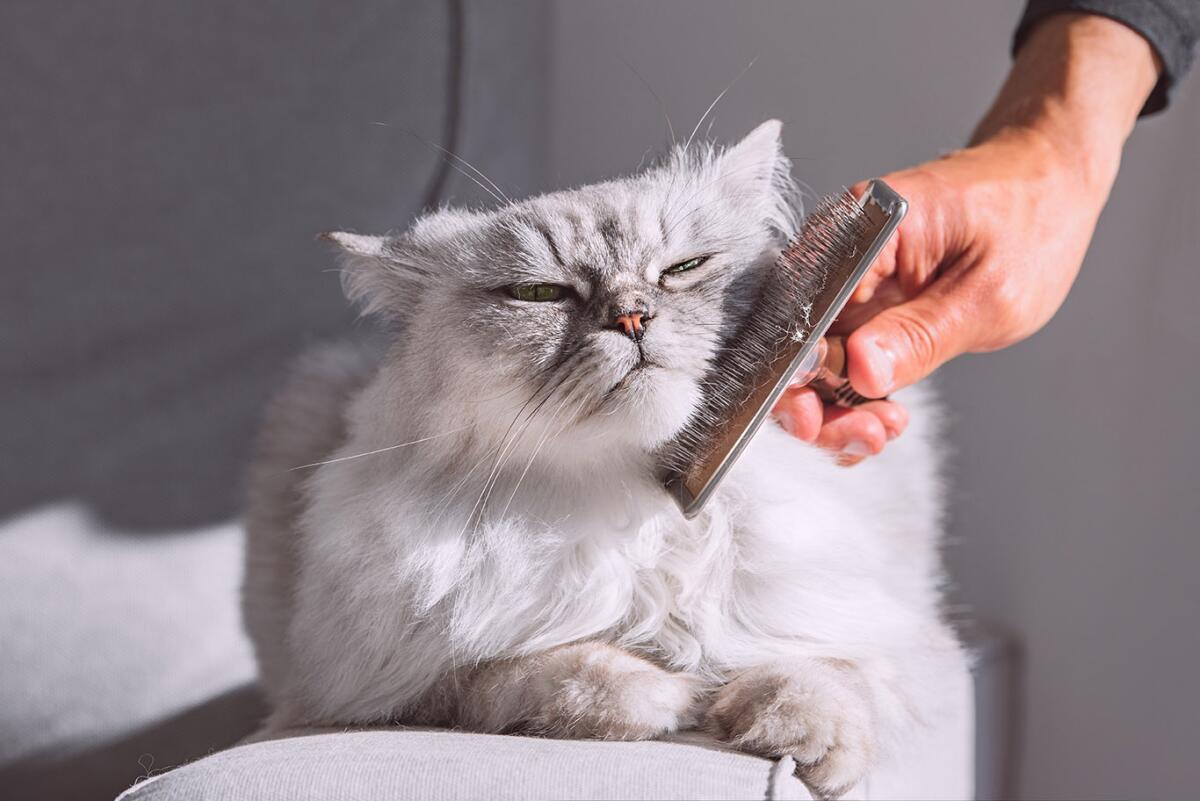
Have you ever wondered why grooming your cat is more important than just keeping them looking good? Grooming isn’t just about a shiny coat—it’s about your cat’s health, comfort, and happiness.
When you take the time to groom your furry friend, you’re strengthening your bond and preventing problems before they start. You’ll discover simple yet powerful reasons why regular grooming can make a big difference for your cat’s well-being. Keep reading to learn how a few easy steps can help your cat feel their absolute best every day.

Credit: www.purina.com
Benefits Of Cat Grooming
Grooming your cat offers many important benefits for its health and happiness. Regular care keeps your cat’s coat shiny and strong. It also helps avoid common problems that affect cats. Grooming creates a chance to check your cat’s skin and body for any issues early. This simple routine supports your cat’s well-being in many ways.
Improves Coat Health
Brushing removes dirt and loose fur from your cat’s coat. It spreads natural oils across the hair, making it soft and shiny. A healthy coat protects your cat from cold and heat. Grooming reduces mats and tangles, which can cause pain and skin damage.
Reduces Hairballs
Cats swallow hair when they groom themselves. This hair can form hairballs inside their stomach. Brushing helps remove loose fur before your cat swallows it. Fewer hairballs mean less coughing and discomfort for your cat. Regular grooming keeps your cat’s stomach happier and healthier.
Prevents Skin Issues
Grooming allows you to spot skin problems early, such as fleas or infections. Removing dead hair and dirt reduces the risk of skin irritation. It also helps prevent painful mats that trap moisture and bacteria. Healthy skin supports your cat’s overall comfort and health.
Enhances Bonding
Grooming time is a chance to connect with your cat. Many cats enjoy gentle brushing and petting. This shared activity builds trust and strengthens your relationship. It helps your cat feel safe, loved, and cared for every day.
Signs Your Cat Needs Grooming
Cats may not always show when they need help. Grooming keeps them healthy and happy. Watch for signs that your cat needs grooming. These signs help catch problems early. Grooming can prevent discomfort and health issues.
Matted Fur
Matted fur looks tangled and clumpy. It pulls on the cat’s skin and causes pain. Cats with long hair often get mats. Mats hide dirt and moisture, leading to infections. Regular brushing prevents mats and keeps fur smooth.
Excess Shedding
Shedding is normal but too much is a warning. It leaves fur all over your home. Excess shedding can mean stress or health problems. Grooming removes loose fur before it spreads. It also helps skin breathe and stay healthy.
Unpleasant Odor
A bad smell from your cat can mean poor hygiene. Dirt and oils build up on fur without grooming. Odor can signal skin infections or dental issues. Grooming cleans the fur and skin. It helps your cat smell fresh and clean.
Scratching And Irritation
Scratching often shows discomfort or skin problems. Fleas, allergies, or dry skin cause irritation. Grooming reduces fleas and removes allergens. It also helps spot skin issues early. Less scratching means your cat feels better.
Essential Grooming Tools
Grooming keeps your cat’s coat clean and healthy. It helps remove loose fur and prevents hairballs. Regular brushing also strengthens your bond and reduces shedding around the house.
Cats are known for their grooming habits. Yet, they need help from their humans. Essential grooming tools make the process easier and more effective. Quality tools ensure your cat’s coat and health remain in top condition. Here, we explore the must-have items for every cat owner.Brushes And Combs
Brushes and combs help remove loose hair. They prevent mats and tangles. Regular brushing reduces shedding and hairballs. Choose a brush based on your cat’s coat type. Short-haired cats need a different brush than long-haired ones. A slicker brush works well for most coats.Nail Clippers
Nail clippers keep your cat’s claws in check. Overgrown nails can cause pain and injury. Use a cat-specific nail clipper for safety. Clip your cat’s nails every few weeks. This prevents them from scratching furniture or people.Shampoos And Wipes
Cats generally clean themselves. Yet, they might need a bath sometimes. Use a cat-friendly shampoo to avoid skin irritation. Wipes are handy for quick clean-ups. They remove dirt and dander without a full bath. Always choose products that are safe for cats.Ear And Eye Care Items
Cats’ ears and eyes need regular checks. Debris can build up and cause infections. Use ear cleaning solutions designed for cats. Gently clean their ears once a month. For eyes, use a soft cloth to wipe away discharge. This prevents irritation and keeps your cat comfortable.Step-by-step Grooming Routine
Creating a grooming routine for your cat is more than just a task; it’s a way to build trust and keep your feline friend healthy. A consistent routine helps your cat feel comfortable and reduces stress during grooming sessions. Let’s break down the essential parts of grooming so you can care for your cat with confidence and ease.
Brushing Techniques
Brushing your cat regularly removes loose fur and prevents matting. Use a brush suited for your cat’s coat type—slicker brushes work well for long-haired cats, while rubber brushes fit short-haired breeds.
Start brushing gently along the back and sides, moving in the direction of hair growth. Watch your cat’s reaction; if you notice discomfort, slow down or switch to a softer brush. Have you noticed how your cat relaxes when you find the right touch?
Bathing Your Cat
Bathing cats isn’t always necessary but can be helpful if your cat gets into something sticky or dirty. Use lukewarm water and a cat-specific shampoo to avoid skin irritation.
Keep calm and talk softly to your cat during the bath. If your cat hates water, try using a damp cloth to clean instead. How do you help your cat stay calm during bath time?
Trimming Nails Safely
Regular nail trimming prevents scratches and keeps your cat comfortable. Use sharp, cat-specific nail clippers and only trim the sharp tips.
Hold your cat’s paw gently and avoid the pink area called the quick—it contains nerves and blood vessels. If you’re nervous, try trimming just one nail at a time and reward your cat after. When was the last time you checked your cat’s nails?
Cleaning Ears And Eyes
Check your cat’s ears and eyes regularly for dirt or discharge. Use a damp cotton ball or soft cloth to wipe away debris, never insert anything into the ear canal.
For the eyes, gently wipe from the inner corner outward to clear any buildup. If you see redness or a strong odor, consult your vet. How often do you inspect your cat’s ears and eyes?
Tips For Grooming Sensitive Cats
Grooming sensitive cats needs a soft and patient approach. Their delicate nature requires extra care and attention. Understanding their comfort helps make grooming easier and less stressful. Use these tips to create a positive grooming experience for your furry friend.
Creating A Calm Environment
Choose a quiet, peaceful room for grooming sessions. Reduce loud noises and sudden movements around your cat. Soft lighting helps keep your cat relaxed. Speak in a gentle, soothing voice to calm their nerves. Keep other pets away to avoid distractions.
Using Gentle Tools
Select brushes and combs designed for sensitive skin. Soft-bristled brushes work best to avoid irritation. Avoid tools that pull or snag fur. Use lightweight grooming tools to prevent discomfort. Clean your tools regularly to ensure gentle grooming.
Short And Frequent Sessions
Keep grooming sessions brief to avoid overwhelming your cat. Frequent, shorter sessions help build trust over time. Watch your cat’s body language and stop if they seem stressed. Gradually increase session length as your cat gets used to grooming. Consistency helps your cat feel safe and secure.
Positive Reinforcement
Reward your cat with treats and praise during grooming. Use a calm tone to encourage cooperation. Offer affection and petting after each session. Create a routine so your cat expects rewards. Positive experiences make grooming a pleasant habit.

Credit: justcatsclinic.com
When To Seek Professional Grooming
Knowing when to seek professional grooming for your cat can save both you and your feline friend a lot of stress. While regular brushing at home keeps your cat comfortable, some situations call for expert care. Recognizing these moments helps you maintain your cat’s health and happiness effectively.
Severe Matting
Matted fur can cause your cat significant pain and skin problems. If you notice dense, tangled clumps that resist gentle brushing, it’s time to see a groomer. Professionals have the right tools and skills to remove mats safely without hurting your cat.
Leaving mats untreated often leads to skin infections or restricted movement. Have you ever tried to detangle a stubborn knot in your hair? Imagine how uncomfortable it must feel for your cat when mats pull on their skin constantly.
Behavioral Challenges
Some cats become anxious or aggressive during grooming, making home care difficult. If your cat hides, scratches, or bites when you try to groom, a professional can help. Groomers understand feline behavior and use calming techniques to make the experience less stressful.
Don’t let grooming become a battle. Think about how much easier it is when someone trained handles the task with patience and care. This can also help your cat get used to grooming more comfortably over time.
Health Concerns
Cats with certain health issues may need special grooming attention. Conditions like arthritis, obesity, or skin diseases can make self-grooming difficult or painful. A professional groomer can spot signs of health problems early and adjust their approach to keep your cat safe.
Have you noticed your cat struggling to reach certain areas? Professional grooming can prevent further complications and improve your cat’s overall well-being.
Special Grooming Needs
Long-haired breeds or cats with thick coats often require more intensive grooming than short-haired cats. If your cat’s fur grows fast or sheds heavily, professional grooming can manage the coat better. Experts can also handle nail trimming, ear cleaning, and hygiene tasks that might be tricky at home.
Consider how much time you’d save and how much more comfortable your cat would feel with a grooming session tailored to their unique needs. Sometimes, a professional touch makes all the difference in keeping your cat looking and feeling great.
Maintaining Grooming Between Sessions
Maintaining grooming between sessions keeps your cat healthy and comfortable. It helps stop mats and tangles before they form. Regular care also reduces shedding and hairballs. This ongoing attention supports your cat’s skin and coat health daily.
Regular Brushing
Brush your cat’s fur often to remove loose hair and dirt. Use a brush that suits your cat’s coat type. Brushing helps avoid knots and keeps the fur shiny. It also gives you a chance to bond with your pet.
Monitoring Skin And Coat
Check your cat’s skin and fur during brushing. Look for redness, bumps, or dry patches. Early spotting of problems helps prevent serious issues. Healthy skin means a happy cat with soft fur.
Healthy Diet For Fur
Feed your cat food rich in nutrients. Proteins, omega-3, and omega-6 fatty acids improve coat quality. A good diet supports skin health and reduces shedding. Balanced meals keep your cat’s fur strong and bright.
Hydration Importance
Water is key for your cat’s skin and coat health. Proper hydration prevents dryness and flakiness. Always provide fresh, clean water for your cat. Well-hydrated cats have softer, healthier fur.

Credit: www.angiesmobilepetstyling.com
Frequently Asked Questions
Why Is Regular Cat Grooming Important?
Regular grooming removes loose fur, preventing hairballs and matting. It also helps detect skin issues early. Grooming keeps your cat clean and comfortable. It promotes healthy skin and a shiny coat. Overall, it supports your cat’s well-being and happiness.
How Does Grooming Benefit A Cat’s Health?
Grooming boosts circulation and reduces stress. It helps prevent infections by cleaning dirt and debris. Brushing distributes natural oils, improving coat health. Regular checks during grooming catch parasites early. These benefits contribute to a healthier, happier cat.
Can Grooming Reduce Shedding In Cats?
Yes, grooming significantly reduces shedding by removing loose fur. Brushing daily or weekly lessens hair around your home. It also prevents fur from matting and causing skin irritation. Regular grooming keeps your cat’s coat smooth and manageable.
How Often Should You Groom Your Cat?
Most cats benefit from grooming at least once a week. Long-haired breeds may need daily sessions. Frequency depends on your cat’s coat type and lifestyle. Consistent grooming maintains coat health and reduces hairballs. Adjust grooming based on your cat’s needs.
Conclusion
Grooming your cat keeps its coat clean and healthy. It helps reduce hairballs and skin problems too. Regular brushing builds trust between you and your cat. Cats feel more comfortable and less stressed. Simple grooming habits make a big difference daily.
Take time to care for your furry friend. A happy cat means a happy home. Small efforts bring long-term health benefits. Keep your cat looking and feeling great.



Leave a Reply