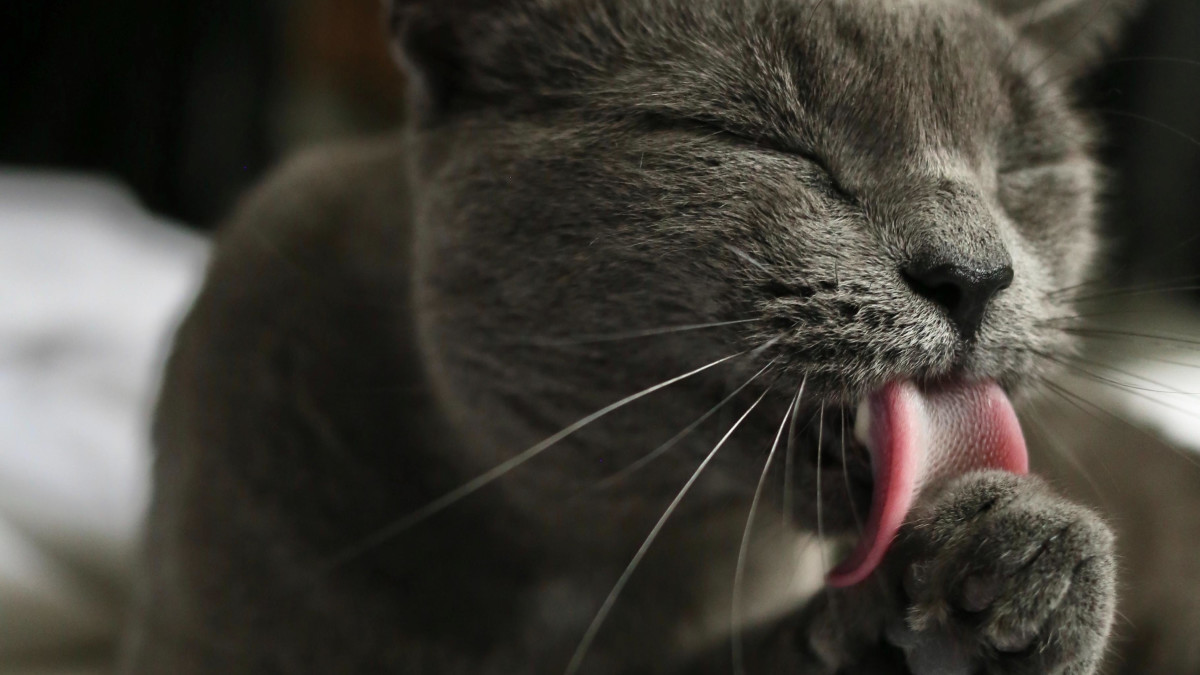
Have you ever noticed your cat licking or cleaning itself nonstop and wondered, “Why does my cat obsessively groom?” It can be puzzling and even a little worrying to see your furry friend stuck in this constant cycle.
Understanding what’s behind this behavior is key to helping your cat feel comfortable and happy. You’ll discover the surprising reasons why your cat can’t seem to stop grooming—and what you can do to help. Keep reading to learn how to protect your cat’s health and peace of mind.

Credit: pennypaws.com
Reasons Behind Excessive Grooming
Excessive grooming in cats can signal various underlying issues. Cats groom to stay clean, but too much grooming may indicate discomfort or distress. Understanding the reasons behind this behavior helps in providing the right care. Below are common causes of obsessive grooming in cats.
Stress And Anxiety
Cats groom to calm themselves when stressed. Changes in environment or routine cause anxiety. Grooming becomes a coping mechanism to relieve tension. This behavior may increase during loud noises or new pets’ arrival.
Allergies And Skin Issues
Allergies often trigger itchy skin in cats. Food, dust, or pollen can cause irritation. Cats lick and bite the itchy areas to find relief. This leads to excessive grooming and possible skin damage.
Parasites And Infections
Fleas, ticks, and mites cause severe itching. Cats react by grooming more to remove pests. Skin infections from parasites worsen the problem. Early treatment is essential to stop constant grooming.
Boredom And Lack Of Stimulation
Cats need mental and physical activity daily. Boredom can cause them to groom excessively. Grooming fills the time but may lead to bald spots. Providing toys and playtime reduces this habit.
Medical Conditions
Some health problems cause discomfort leading to grooming. Arthritis, pain, or nerve issues make cats lick affected areas. Hormonal imbalances can also increase grooming behavior. A vet checkup helps identify medical causes.
Signs To Watch For
Noticing your cat grooming more than usual can be worrying. It’s important to recognize the signs that indicate when grooming crosses the line from normal to obsessive. Watching closely for specific changes can help you decide if your cat needs extra care or a vet visit.
Bald Spots And Skin Damage
Have you seen patches where your cat’s fur is missing? Bald spots often appear where your cat licks or bites repeatedly. These areas might look red, irritated, or even scabbed.
Skin damage signals that grooming isn’t just about cleanliness anymore. If you spot these signs, it’s time to act because untreated skin issues can become painful or infected.
Changes In Behavior
Does your cat seem restless or anxious lately? Obsessive grooming often goes hand in hand with behavioral changes. Your cat might hide more, meow excessively, or seem unusually aggressive or withdrawn.
These shifts can tell you that something is wrong beyond just the grooming. Ask yourself if recent events or changes in your home could be stressing your cat out.
Overgrooming Patterns
Observe when and how often your cat grooms. Is it happening several times an hour or focused on one spot? Overgrooming is repetitive and intense, unlike quick, normal cleaning sessions.
Tracking these patterns helps you understand if your cat’s grooming is a sign of boredom, allergy, or a medical problem. You might even keep a simple journal noting times and triggers to discuss with your vet.
How To Help Your Cat
Cats often groom themselves to stay clean and healthy. But excessive grooming can be a sign of stress or other issues. Helping your cat manage this behavior is essential. Here are ways to support your cat’s well-being and reduce obsessive grooming.
Creating A Calm Environment
Stress can lead to excessive grooming. Create a calm home environment for your cat. Provide quiet spaces where your cat can relax without disturbance. Use soft lighting and soothing sounds to ease anxiety. A calm setting can help reduce stress-induced grooming.
Regular Veterinary Checkups
Schedule regular vet visits to monitor your cat’s health. A vet can identify underlying problems causing excessive grooming. Early detection and treatment can prevent serious health issues. Keep your cat healthy with routine checkups.
Treating Allergies And Parasites
Allergies or parasites might cause your cat to groom excessively. Consult your vet for the right treatment options. Use medications or special diets to alleviate allergies. Regularly check for fleas and use appropriate treatments to keep them at bay.
Providing Enrichment And Play
Engage your cat with toys and activities to reduce stress. Interactive play sessions can distract your cat from over-grooming. Offer scratching posts and climbing structures for mental and physical stimulation. An enriched environment helps keep your cat happy.
Using Soothing Products
Consider using calming products for your cat. Pheromone diffusers and sprays can create a relaxing atmosphere. Consult your vet about safe soothing products. These can aid in reducing stress and excessive grooming.
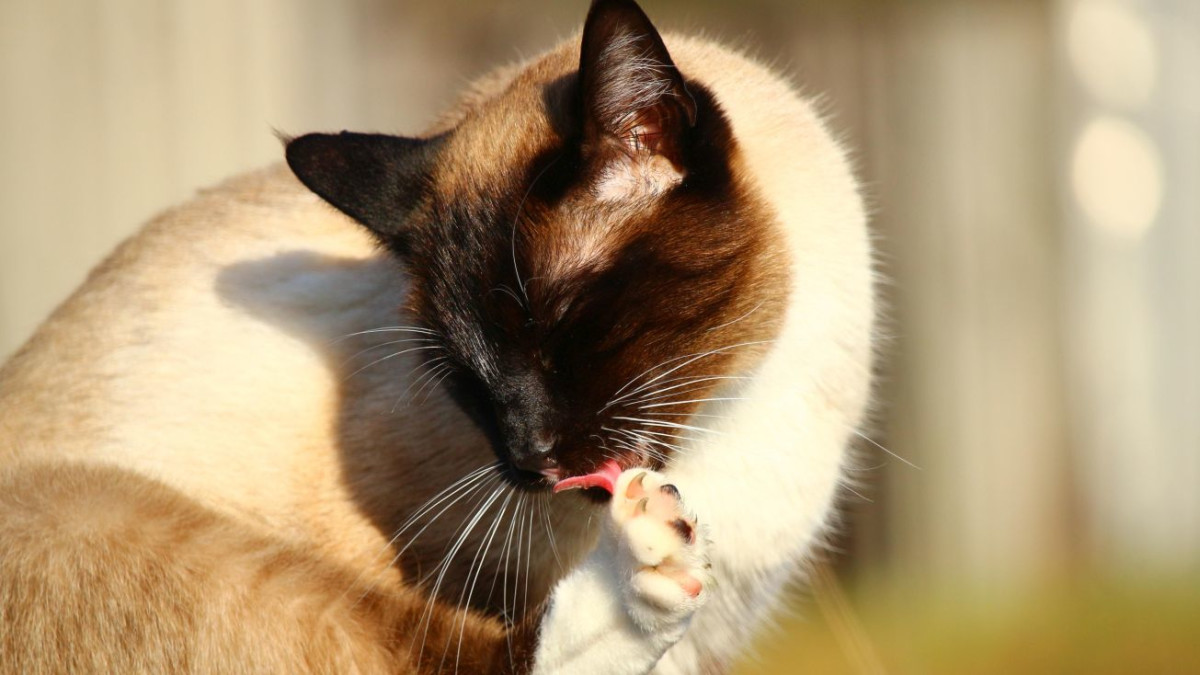
Credit: pethelpful.com
When To Seek Professional Help
Knowing when to seek professional help for your cat’s obsessive grooming is crucial. Sometimes, despite your best efforts, the behavior persists or worsens. Recognizing these signs early can prevent further issues and ensure your cat stays healthy and comfortable.
Persistent Grooming Despite Changes
If you’ve tried adjusting your cat’s environment, diet, and daily routine but the excessive grooming continues, it’s time to get help. Persistent grooming that doesn’t improve with simple changes could signal an underlying problem.
Think about your own experience—if you had an itch that wouldn’t go away even after changing soaps or clothes, you’d want a doctor’s opinion. Your cat deserves the same attention.
Signs Of Pain Or Discomfort
Watch closely for signs that grooming is linked to pain. Look for redness, swelling, bald patches, or open sores on your cat’s skin.
If your cat flinches, cries, or resists touch during grooming, it might be hiding discomfort. These symptoms often indicate medical issues like allergies, infections, or parasites that need professional diagnosis and treatment.
Behavioral Consultations
Sometimes obsessive grooming stems from stress or anxiety. If your cat suddenly starts grooming more after a big change—like a new pet, moving, or loud noises—it might need behavioral support.
Consulting with a vet or a certified animal behaviorist can provide strategies tailored to your cat’s needs. They can suggest calming techniques or medications that you might not have considered.
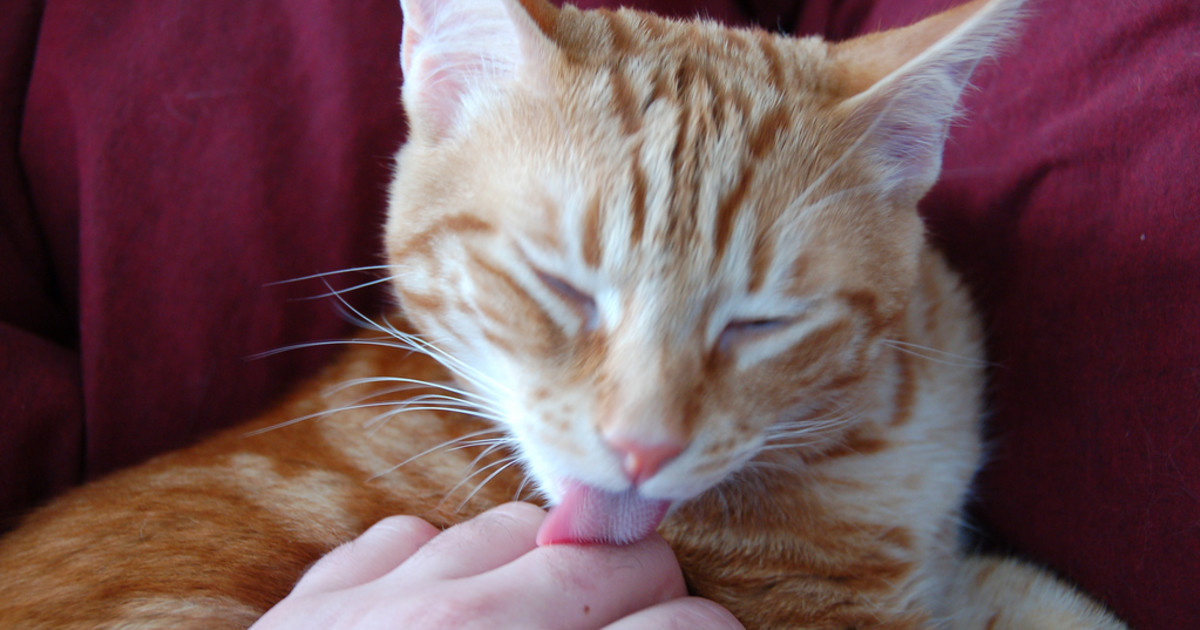
Credit: pethelpful.com
Frequently Asked Questions
Why Does My Cat Groom Excessively?
Cats groom excessively due to stress, allergies, or skin irritation. It can also signal underlying health issues. Observing your cat’s behavior and consulting a vet is important for proper diagnosis and treatment.
Can Obsessive Grooming Indicate Health Problems?
Yes, obsessive grooming can indicate fleas, allergies, infections, or anxiety. It may cause hair loss or skin wounds. Early vet visits help identify and address the root cause effectively.
How Can I Reduce My Cat’s Grooming Habits?
To reduce grooming, minimize stress, provide enrichment, and treat any medical issues. Regular flea control and a balanced diet also help. Consult your vet for tailored advice and safe treatments.
Is Obsessive Grooming Harmful To Cats?
Obsessive grooming can cause skin damage, hair loss, and infections. It affects your cat’s comfort and health. Promptly addressing the behavior with vet support is crucial to prevent worsening conditions.
Conclusion
Cats groom to stay clean and calm. Sometimes, they groom too much because of stress or health issues. Watching your cat closely helps you spot problems early. Providing a calm space and regular vet visits keeps your cat happy. Remember, gentle care and attention make a big difference.
Keep your cat comfortable and loved every day. This way, you help your furry friend stay healthy and content.



Leave a Reply