Are you wondering if cat grooming is really okay for your furry friend? You’re not alone.
Many cat owners ask this question because they want the best for their pets but worry about causing stress or harm. The truth is, proper grooming can do wonders for your cat’s health and happiness. But how do you know what’s safe and what’s not?
Keep reading, and you’ll discover simple, effective ways to keep your cat clean and comfortable without any fuss. Your cat will thank you!
Benefits Of Cat Grooming
Grooming your cat isn’t just about keeping them looking good; it offers several important benefits that affect their overall health and happiness. Regular grooming sessions can transform your cat’s daily life and even your relationship with them. Let’s look at some key advantages you might not have considered.
Improved Coat Health
Brushing your cat removes dirt, grease, and dead hair from their coat. This helps keep their fur shiny and smooth. It also prevents matting, which can cause discomfort and skin problems if left untreated.
Have you noticed how a well-groomed cat often looks more vibrant and feels softer to the touch? That’s because grooming stimulates natural oils in the skin, spreading them evenly across the fur.
Reduced Shedding
Shedding can be a nuisance, especially if your cat leaves fur all over your furniture. Regular grooming catches loose hair before it falls off. This means less cleaning for you and a tidier home environment.
Think about how much easier it is to maintain your space when shedding is under control. Plus, it helps reduce the amount of allergens in your home, which benefits everyone.
Early Detection Of Health Issues
While grooming, you get a close look at your cat’s skin and body. This gives you a chance to spot lumps, bumps, or unusual signs early. Catching problems like infections or parasites early can make treatment simpler and more effective.
Have you ever found a small issue during grooming and taken your cat to the vet just in time? These moments can prevent bigger health problems down the road.
Strengthening Cat-human Bond
Grooming sessions are perfect opportunities for quality time with your cat. They can become moments of trust and relaxation. Your cat learns to enjoy being handled, which makes vet visits and other care easier.
When you groom your cat regularly, you build a deeper connection. Doesn’t it feel rewarding to see your cat purring contentedly in your lap during these quiet moments?

Credit: www.youtube.com
Signs Your Cat Needs Grooming
Noticing when your cat needs grooming isn’t always obvious. Cats are usually good at keeping themselves clean, but sometimes they need a little help. Watching for certain signs can tell you when it’s time to step in and groom your furry friend.
Matted Fur
Matted fur is a clear signal your cat needs grooming. Mats form when hair tangles and knots tightly, causing discomfort and even skin irritation.
If you spot clumps of fur that don’t brush out easily, don’t wait. Gently work through the mats with a comb or seek professional help to avoid hurting your cat.
Excessive Shedding
Shedding is normal, but when it becomes excessive, it could mean your cat needs grooming support. Too much loose hair can lead to hairballs and mess around the house.
Regular brushing helps remove dead fur and keeps your cat’s coat healthy. Have you noticed more hair on your furniture than usual? That’s a sign to grab the brush.
Dirty Or Greasy Coat
A healthy cat coat should look clean and shiny. If your cat’s fur looks dull, dirty, or greasy, it’s time for grooming.
Sometimes illness or stress causes poor grooming habits. Helping your cat with a gentle bath or brushing can restore their coat’s natural glow.
Unpleasant Odors
Unpleasant smells coming from your cat’s fur or skin often mean they need grooming. Odors can come from dirt buildup, oils, or infections.
Regular grooming keeps odors at bay and helps you spot health problems early. When was the last time you checked your cat’s scent closely?
Choosing The Right Grooming Tools
Choosing grooming tools that suit your cat’s fur type makes grooming easier and more comfortable. Soft brushes and gentle combs help remove loose hair without hurting your pet. Proper tools create a calm experience for both you and your cat.
Choosing the right grooming tools is crucial for maintaining your cat’s health and happiness. The wrong tools can make grooming uncomfortable for your feline friend, potentially leading to stress or even injury. Understanding the variety of tools available ensures you select the best options for your cat’s specific needs, making grooming a positive experience for both of you.Types Of Brushes And Combs
Different cats have different fur types, and choosing the right brush or comb is essential. Slicker brushes are great for removing loose fur and preventing mats, especially in long-haired breeds. Bristle brushes work well for short-haired cats, distributing natural oils through their coat for a shiny finish. Undercoat rakes can help with thick, dense coats, reducing shedding and preventing tangles. Consider your cat’s fur texture and length when selecting these grooming tools.Nail Clippers And Trimmers
Keeping your cat’s nails trimmed is vital for their comfort and your furniture’s safety. Guillotine-style clippers are user-friendly and work well for most cats, while scissor-style clippers can be better for larger or thicker nails. Electric grinders offer a smooth finish but may require some time for your cat to get accustomed to the noise and sensation. It’s important to choose a tool you feel comfortable handling to avoid any stress or accidents during nail trimming sessions.Shampoos Safe For Cats
Cats have sensitive skin, so it’s crucial to use shampoos specifically formulated for them. Hypoallergenic shampoos are a safe choice for cats with sensitive skin or allergies. Waterless shampoos can be a lifesaver if your cat detests baths, allowing you to clean them without the mess. Always check the ingredients to ensure there are no harsh chemicals or fragrances that could irritate your cat’s skin.Additional Grooming Supplies
Beyond brushes and shampoos, other supplies can enhance your grooming routine. Grooming gloves are excellent for cats who dislike brushes, as they allow you to pet your cat while removing loose fur. Ear cleaning solutions and dental care products can help maintain overall health, preventing infections and dental issues. Keeping a first-aid kit on hand can be useful for any minor grooming mishaps. What additional grooming supplies have you found helpful in your routine?Step-by-step Grooming Routine
Caring for your cat through grooming keeps them healthy and happy. A clear routine helps make grooming easier for both of you. Regular grooming removes dirt, loose fur, and prevents skin issues.
Start with gentle brushing to keep your cat’s coat smooth. Bathing should be done carefully to avoid stress. Nail trimming keeps claws safe for your furniture and skin. Cleaning ears and eyes prevents infections and discomfort.
Brushing Techniques
Use a brush suited to your cat’s fur type. For short-haired cats, a soft bristle brush works well. Long-haired cats need a comb or slicker brush to untangle knots.
- Brush in the direction of fur growth.
- Be gentle near sensitive areas like the belly and tail.
- Short sessions are better than long ones to keep your cat calm.
Bathing Tips
Use warm water and a shampoo made for cats only. Avoid human or dog shampoos as they can irritate skin.
- Wet your cat slowly and calmly.
- Apply shampoo gently, avoiding eyes and ears.
- Rinse thoroughly to remove all soap.
- Dry with a soft towel or a low-heat hairdryer if your cat allows.
Nail Trimming Guide
Trim nails carefully to avoid cutting the quick, the pink part inside.
- Use sharp cat nail clippers.
- Hold your cat’s paw firmly but gently.
- Cut only the sharp tip of the nail.
- Stop if you see the quick or blood.
Cleaning Ears And Eyes
Check ears and eyes regularly for dirt or discharge. Clean gently to avoid injury.
- Use a soft, damp cloth or cotton ball.
- Wipe ears from the outside only.
- Remove eye discharge carefully without touching the eyeball.
- Seek a vet if you notice redness or bad smell.
Handling Cat Grooming Challenges
Handling cat grooming challenges can be tough for many pet owners. Cats often resist grooming because they feel scared or uncomfortable. Understanding their behavior helps make the process easier and safer. Patience and gentle care are key to managing difficult grooming sessions.
Dealing With Fear And Anxiety
Cats may hide or struggle when they feel scared. Create a calm space with soft lighting and quiet sounds. Speak softly and move slowly to avoid startling your cat. Use treats to reward calm behavior during grooming. Short sessions work better than long ones to reduce stress.
Managing Aggressive Behavior
Some cats show aggression to protect themselves. Watch for signs like hissing, growling, or swatting. Use a towel to gently wrap your cat if needed. Avoid forcing grooming if your cat becomes very upset. Stop and try again later to keep trust intact.
Grooming Older Or Sick Cats
Older or sick cats need extra care during grooming. Their skin can be fragile and sensitive. Use softer brushes and less pressure. Check for any pain or discomfort while grooming. Keep sessions short and monitor their reactions closely.
When To Seek Professional Help
Some grooming tasks require expert skills or tools. Professionals can handle matting or nail trimming safely. Visit a groomer if your cat shows extreme fear or aggression. Regular vet visits also help identify grooming-related health issues early.
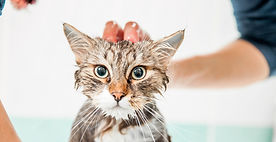
Credit: www.1purr4paws.com
Frequency Of Grooming For Different Cats
How often you groom your cat depends largely on their breed, age, and lifestyle. Each cat has unique needs that affect how frequently they should be brushed or bathed. Knowing these differences can help you keep your feline friend healthy and comfortable.
Short-haired Breeds
Short-haired cats typically need less grooming than long-haired ones. Brushing them once a week usually removes loose hair and reduces shedding. You might notice less hair on your furniture and fewer hairballs when you stick to this simple routine.
Long-haired Breeds
Long-haired cats require more attention to prevent mats and tangles. Daily brushing is often necessary to keep their coat smooth and clean. Missing a day can lead to knots that hurt your cat and take longer to remove.
Kittens Vs. Adult Cats
Kittens usually need gentle grooming sessions more often to get them used to being handled. Short sessions a few times a week build trust and comfort. Adult cats, especially those with a stable coat, often settle for once or twice weekly grooming.
Indoor Vs. Outdoor Cats
Outdoor cats face more dirt and debris, so they generally need more frequent grooming. A couple of times a week helps keep their coat free from burrs and pests. Indoor cats may only need grooming once a week, as their environment is cleaner and less harsh.
Common Grooming Mistakes To Avoid
Proper cat grooming keeps your pet healthy and happy. Avoid common mistakes to ensure a positive experience. Grooming errors can cause stress or harm your cat’s skin and coat.
Over-bathing
Cats naturally clean themselves, so they rarely need baths. Bathing too often removes natural oils from their fur. This can cause dry skin and irritation. Limit baths to when your cat is very dirty or smelly. Use warm water and mild cat shampoo only.
Using Human Products
Human shampoos and soaps have chemicals harmful to cats. These products can cause allergic reactions or skin damage. Always buy grooming products made specifically for cats. Check labels for safe ingredients and avoid harsh chemicals.
Ignoring Signs Of Discomfort
Cats show when grooming feels bad or painful. Watch for hissing, scratching, or trying to escape. Stop grooming if your cat acts stressed or scared. Gently introduce grooming over time to build trust. Be patient and calm during each session.
Neglecting Regular Nail Care
Long nails can hurt your cat and damage furniture. Trim nails regularly to avoid overgrowth and splitting. Use proper cat nail clippers and trim just the sharp tips. If unsure, ask a vet or groomer to show you how.

Credit: nationalcatgroomers.com
Frequently Asked Questions
What Are The Benefits Of Regular Cat Grooming?
Regular cat grooming prevents matting, reduces shedding, and improves skin health. It also helps detect parasites early and strengthens the bond between you and your cat.
How Often Should I Groom My Cat?
Most cats benefit from grooming once or twice a week. Long-haired cats may need daily grooming to avoid tangles and mats.
Can Grooming Reduce My Cat’s Shedding?
Yes, grooming removes loose fur and decreases shedding around your home. Regular brushing also promotes healthy skin and fur.
Is Professional Cat Grooming Safe For All Cats?
Professional grooming is safe when done by experienced groomers. They handle cats gently and know how to manage different temperaments.
Conclusion
Cat grooming helps keep your pet clean and healthy. It reduces shedding and prevents matting. Regular grooming also lets you check for skin problems. Cats often enjoy gentle brushing, which builds trust. Simple grooming routines can improve your cat’s comfort.
It’s a small effort with big benefits for your furry friend. Taking time to groom shows care and love. Try to make grooming a calm, positive experience. Your cat will thank you with a shiny coat and happy purrs.



Leave a Reply