Have you ever noticed your cat licking a wound over and over and wondered, “Is this normal?” If your furry friend keeps grooming a spot on their skin, you might be worried or curious about what’s really going on. Understanding why your cat licks a wound a lot can help you take better care of them and avoid potential problems.
Keep reading to find out what this behavior means and what you should do to keep your cat healthy and comfortable.
Why Cats Lick Wounds
Have you ever noticed your cat obsessively licking a small scratch or wound? It might seem a bit strange or even concerning, but this behavior is deeply rooted in their nature. Understanding why cats lick wounds can help you decide when to intervene and when to let them be.
Natural Instincts
Cats lick wounds because it is a natural survival instinct. In the wild, grooming helps keep wounds clean and free from dirt and parasites. This instinct is so strong that even domestic cats will tend to their injuries by licking.
Think about your own cat after a minor injury. You might see them return to the same spot repeatedly, carefully licking the area. This shows their innate drive to care for themselves.
Healing Properties Of Saliva
Cat saliva contains enzymes that can help fight bacteria and promote healing. These natural compounds help reduce the risk of infection at the wound site. However, too much licking can sometimes cause irritation or delay healing.
It’s interesting to note that while saliva has some healing benefits, it is not a substitute for proper veterinary care. If your cat’s wound looks worse or keeps getting licked raw, it’s time to step in.
Comfort And Stress Relief
Licking can also provide comfort and reduce stress for cats. The repetitive motion releases endorphins, which help them feel calm. If your cat is anxious or in pain, licking their wound can be a way to soothe themselves.
Have you ever noticed your cat licking more when the environment is noisy or when there’s a change in routine? This behavior can be a subtle sign that your cat needs extra reassurance or a calm space.

Credit: www.reddit.com
Signs Of Excessive Grooming
Noticing signs of excessive grooming around a cat’s wound is important to protect their healing process. While grooming is natural for cats, too much can cause more harm than good. Recognizing these signs early helps you intervene before complications arise.
Redness And Swelling
If the area around your cat’s wound looks redder than usual or appears swollen, it might be a sign of over-grooming. This happens because constant licking irritates the skin and can lead to inflammation. Have you checked your cat’s wound closely today? Even slight redness can signal trouble.
Hair Loss Around The Wound
Spotting patches of missing fur near the wound is a clear indicator that your cat is grooming too much. Hair loss occurs when the skin is repeatedly licked or scratched, damaging the hair follicles. You might find small clumps of fur on the floor or in your cat’s bedding—don’t ignore these clues.
Persistent Licking Behavior
Does your cat seem unable to stop licking the same spot? This persistent behavior can delay healing and increase the risk of infection. Try to observe how often and how intensely your cat licks the wound. Could this be a sign of discomfort or anxiety?
Risks Of Over-grooming
Over-grooming a wound might seem like your cat is just trying to help, but it can actually cause more harm than good. When your cat licks a wound excessively, it increases the risk of complications that can make healing slower and more painful. Understanding these risks can help you spot trouble early and keep your furry friend safe.
Infection
Too much licking can introduce bacteria from your cat’s mouth into the wound. This creates a perfect environment for infections to develop. You might notice redness, swelling, or a bad smell, which are signs that the wound needs veterinary attention.
Delayed Healing
Constant licking disrupts the natural healing process. It can reopen scabs or prevent new tissue from forming properly. Have you ever seen your cat obsess over a spot so much that it just never seems to get better? That’s a clear sign the healing is being delayed.
Skin Damage
Over time, repeated licking wears down the skin around the wound. This can lead to irritation, hair loss, and even thickened or raw skin patches. If your cat is grooming the area excessively, you might notice it becomes more sensitive or painful, which could make them lick even more.

Credit: www.reddit.com
When To Seek Veterinary Care
Excessive licking of a wound by a cat can cause irritation or infection. Watch for swelling, redness, or discharge. Seek veterinary care if your cat keeps biting or the wound worsens.
When your cat consistently grooms a wound, it’s a sign that something might be wrong. While cats have a natural instinct to lick their injuries, excessive grooming can hinder healing. It’s crucial to know when to step in and seek veterinary care. Understanding the signs of infection, behavioral changes, and lack of healing can guide you in making the right decision for your feline friend.Wound Appears Infected
If the wound shows redness, swelling, or pus, it might be infected. Infection can lead to more severe health problems if not treated promptly. A vet can assess the wound and prescribe antibiotics if necessary, ensuring your cat heals properly.Behavioral Changes
Notice if your cat is acting differently. Are they more withdrawn or aggressive? Such changes can indicate pain or discomfort. A vet visit can help determine if the wound is causing distress and provide relief for your pet.Wound Not Healing
If the wound doesn’t seem to be improving after a few days, it’s time to consult a vet. Proper healing is crucial to prevent further complications. A professional can clean the wound thoroughly and offer solutions to promote healing. Keeping a close eye on your cat’s behavior and wound condition can make a significant difference in their recovery. Have you ever noticed your cat grooming a wound excessively? It might be their way of telling you they need help. Don’t hesitate to reach out to a vet to ensure your furry friend receives the best care possible.Ways To Prevent Over-grooming
Over-grooming can slow down your cat’s healing process and cause further irritation. It’s important to find ways to stop your cat from licking or biting a wound too much. You want to protect the wound while still allowing it to heal naturally.
Using Elizabethan Collars
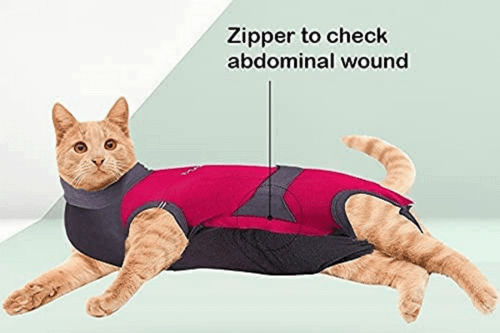
Elizabethan collars, or “cones,” are a common and effective way to stop your cat from reaching a wound. They create a barrier that prevents your cat’s tongue from touching the injured area.
Some cats resist wearing them at first, but most get used to it within a day or two. You can find softer or inflatable versions for extra comfort, which might help your cat accept it more easily. Have you noticed how your cat reacts when wearing a collar? Observing their behavior can guide you in choosing the right type.
Applying Safe Topical Treatments
There are pet-safe creams and sprays designed to discourage licking by making the area taste unpleasant. These treatments soothe the wound and reduce itching, which often triggers over-grooming.
Always check with your vet before applying anything to your cat’s wound. Using the wrong product could irritate the skin or be toxic. Have you ever tried any over-the-counter treatments? Sharing your experience can help others avoid common mistakes.
Keeping The Wound Clean
Keeping the wound clean reduces the chance of infection, which can increase your cat’s urge to lick the area. Gently cleaning the wound with a vet-approved antiseptic solution can help.
Regular cleaning also allows you to monitor the wound’s progress and catch any signs of complications early. Do you know how often your cat’s wound should be cleaned? Asking your vet about the right schedule is key to effective care.
Home Remedies And Care Tips
Taking care of your cat’s wound at home requires patience and careful attention. You want to help your furry friend heal without causing more stress or harm. Simple home remedies combined with thoughtful care can make a big difference in your cat’s recovery journey.
Gentle Cleaning Techniques
Cleaning a wound gently is crucial to avoid irritation. Use a soft cloth or sterile gauze soaked in warm saline solution to wipe around the wound carefully. Avoid harsh soaps or chemicals that can sting or slow healing.
Remember, your cat may resist at first. Speaking softly and moving slowly helps keep them calm during cleaning. Have you noticed how your cat responds better when you stay patient and gentle?
Monitoring The Healing Process
Keep an eye on the wound daily for signs of improvement or infection. Look for redness, swelling, discharge, or any foul smell—these can signal trouble. Taking photos can help you track changes and decide when to seek veterinary help.
Does your cat lick the wound excessively? This might delay healing or cause further damage. Noticing these behaviors early lets you intervene before the problem worsens.
Providing Distractions
Distracting your cat from licking or biting the wound is key. Offer engaging toys, playtime, or treats to shift their focus. Sometimes, a new catnip toy or puzzle feeder can keep them busy for longer periods.
Have you tried gentle petting or brushing in a different area to soothe your cat’s nerves? Redirecting their attention helps reduce stress and prevents wound aggravation. What distractions work best for your pet’s unique personality?

Credit: www.petco.com
Frequently Asked Questions
Why Do Cats Groom Their Wounds Excessively?
Cats groom wounds to clean and soothe the area. Excessive licking can cause irritation and delay healing. It’s their natural instinct to remove dirt and bacteria, but too much grooming might worsen the injury.
Can Frequent Grooming Worsen A Cat’s Wound?
Yes, frequent grooming can reopen wounds and cause infections. Over-licking removes healing tissue and causes inflammation. It’s important to monitor your cat and prevent excessive licking for proper healing.
How To Stop A Cat From Licking Wounds Excessively?
Use an Elizabethan collar or protective bandages to prevent licking. Distract your cat with toys and attention. Consult a vet if licking persists, as the wound may need treatment.
Is It Normal For Cats To Groom Wounds A Lot?
Yes, grooming wounds is a natural behavior to clean and protect injury. However, excessive licking is not normal and can harm the healing process. Watch your cat closely and seek veterinary advice if needed.
Conclusion
Cats often lick their wounds to clean and soothe them. This behavior helps remove dirt and may reduce infection risk. Still, too much licking can slow healing or cause more harm. Watch your cat closely to make sure it does not over-groom.
Sometimes, a vet visit is needed to protect the injury. Understanding why cats groom wounds helps you care for them better. Keep wounds clean and dry, and help your cat heal safely. Simple care makes a big difference in your cat’s recovery.


Leave a Reply