If you want your cat to look and feel their best, regular grooming is a must. But did you know that certain vaccines are important before your cat gets groomed?
You might be wondering which vaccines your furry friend needs to stay safe during grooming sessions. Understanding this can protect your cat from harmful diseases and keep those grooming visits stress-free. Keep reading to find out exactly what vaccines your cat needs before their next grooming appointment.
Credit: www.catcarehospital.com
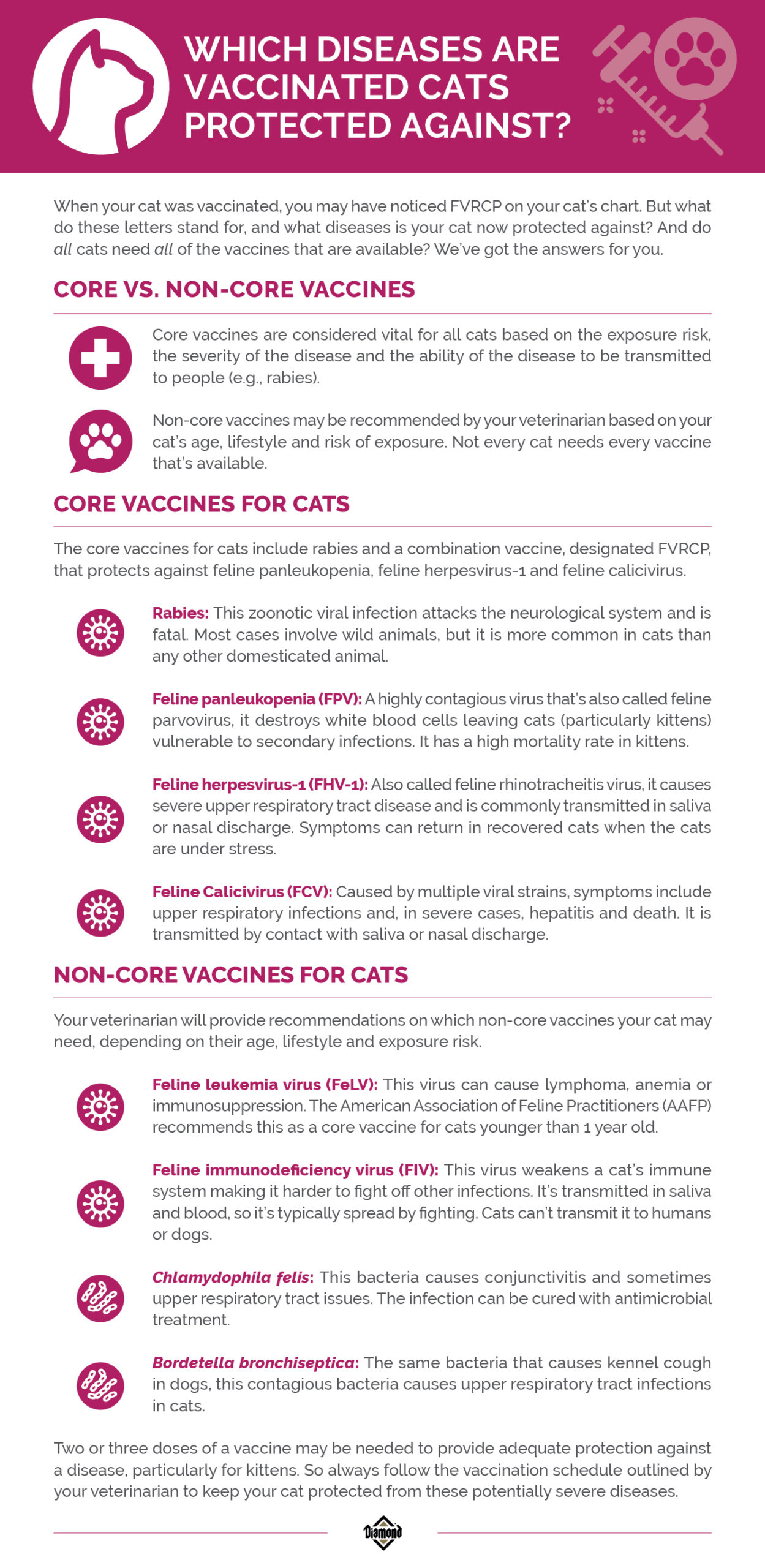
Core Vaccines For Cats
Core vaccines protect cats from serious diseases. These vaccines keep cats healthy and safe during grooming visits. Groomers often require proof of these vaccines to reduce risks of infections. Understanding these vaccines helps pet owners prepare for grooming appointments.
Feline Panleukopenia
Feline panleukopenia is a deadly virus. It affects a cat’s immune system and blood cells. Vaccination prevents severe illness and death. This vaccine is essential for all cats, especially kittens.
Feline Herpesvirus
Feline herpesvirus causes respiratory problems and eye infections. Infected cats can spread the virus easily. Vaccination reduces symptoms and virus spread. This vaccine helps keep cats comfortable and healthy.
Feline Calicivirus
Feline calicivirus also causes respiratory and oral diseases. It can lead to mouth sores and breathing troubles. Vaccines lower infection risks and severity. This protection is important for cats in close contact with others.
Rabies
Rabies is a fatal disease that affects all mammals. It spreads through bites from infected animals. Many places legally require rabies vaccination for cats. The vaccine protects cats and people from this deadly virus.
Non-core Vaccines To Consider
Besides the essential vaccines your cat needs, there are non-core vaccines that might be worth considering based on your cat’s lifestyle and risk factors. These vaccines aren’t required for every cat but can offer extra protection if your feline companion spends time around other cats or in environments like grooming salons. Understanding these vaccines can help you make informed decisions about your cat’s health before their next grooming session.
Feline Leukemia Virus
The Feline Leukemia Virus (FeLV) vaccine is important for cats that go outdoors or interact with other cats frequently. This virus can weaken your cat’s immune system and lead to serious illnesses. If your cat visits a groomer where multiple cats are present, the FeLV vaccine can reduce the risk of exposure during their visit.
Bordetella
Bordetella is a contagious respiratory infection that spreads easily in places where cats gather, like grooming salons. If your cat shows signs of coughing or sneezing after grooming, this vaccine might have been helpful. You should consider this vaccine if your cat is social or regularly visits daycare or boarding facilities.
Chlamydophila Felis
Chlamydophila Felis causes eye infections and respiratory issues in cats, often spreading in multi-cat environments. If your cat is prone to eye discharge or has been around many other cats, this vaccine can help protect them. It’s a good idea to talk to your vet about this vaccine if your cat’s grooming place has multiple feline clients.
Vaccination Schedule For Grooming
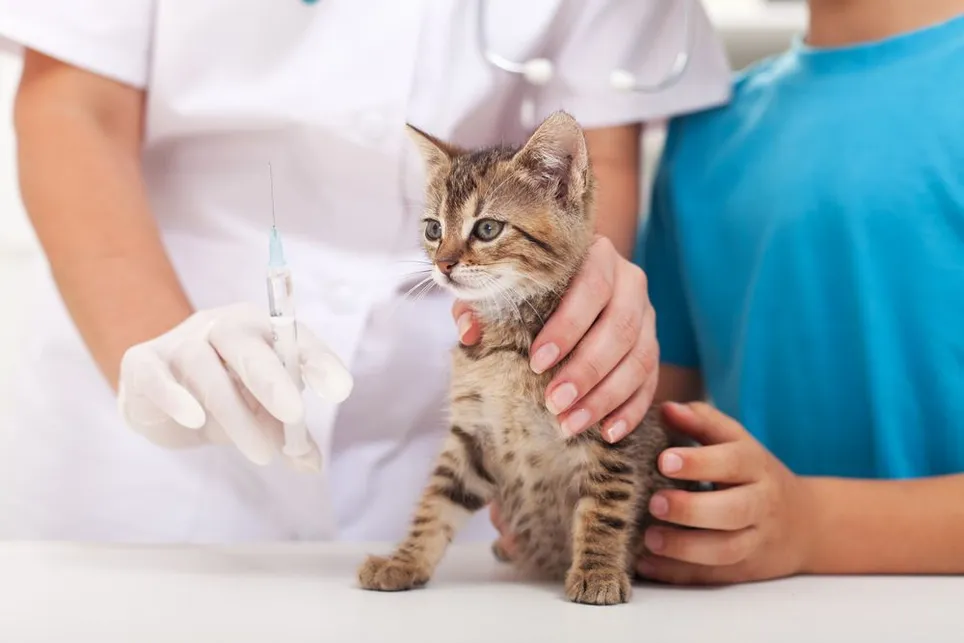
Ensuring your cat is up-to-date with vaccinations is crucial before heading to the groomer. Not only does it protect your feline friend, but it also safeguards other pets in the grooming salon. Understanding the vaccination schedule for grooming can make this process smooth and stress-free for both you and your pet.
Kitten Vaccination Timeline
Kittens are particularly vulnerable to diseases, and a timely vaccination schedule is vital. The first round of vaccinations typically begins at 6-8 weeks of age. These initial shots include the FVRCP vaccine, which protects against feline viral rhinotracheitis, calicivirus, and panleukopenia.
Your kitten will need boosters every 3-4 weeks until they are about 16 weeks old. Rabies vaccinations are usually administered by 12-16 weeks, depending on local laws and veterinary recommendations. By adhering to this schedule, you ensure your kitten is healthy and ready for their first grooming experience.
Adult Cat Booster Shots
Once your cat reaches adulthood, maintaining their immunity through regular booster shots is essential. Typically, adult cats require boosters for FVRCP and rabies vaccines every 1-3 years. The frequency can vary based on your vet’s advice and local regulations.
Some cats may also benefit from additional vaccines like the feline leukemia virus (FeLV) vaccine, especially if they spend time outdoors. Keeping track of these vaccinations not only promotes a healthy life for your cat but also ensures a seamless grooming schedule.
Are you keeping your cat’s vaccination record up-to-date? If not, it might be time to schedule a vet visit to ensure your beloved pet can enjoy their grooming sessions without any health concerns.
Health Checks Before Grooming
Before grooming your cat, a thorough health check is essential to ensure their safety and comfort. Grooming can sometimes stress cats or worsen existing health issues if unnoticed. Identifying any signs of illness early can prevent complications and help maintain your cat’s well-being.
Signs Of Illness To Watch
Watch for unusual behavior such as lethargy, loss of appetite, or excessive hiding. Physical signs like swollen gums, skin redness, or wounds also indicate health problems.
Pay attention to your cat’s breathing. Rapid or labored breathing may signal respiratory issues that require attention before grooming. You might notice your cat limping or showing signs of pain when touched—these are also red flags.
- Persistent coughing or sneezing
- Discharge from eyes or nose
- Excessive scratching or hair loss
- Changes in bathroom habits
Consulting The Veterinarian
If you spot any concerning symptoms, consult your veterinarian before scheduling a grooming session. Your vet can perform a detailed health check and determine if your cat is fit for grooming.
Sometimes, vaccinations or treatments may need updating to protect your cat during grooming, especially if they will be around other animals. A vet’s advice can also guide you on the best grooming practices suited for your cat’s health condition.
Have you ever skipped a health check before grooming and noticed your cat reacted badly? Sharing your experience can help others understand why these checks matter so much.
Vaccine Safety And Side Effects
Vaccines play a crucial role in keeping your cat healthy and safe during grooming sessions. Understanding vaccine safety and possible side effects helps you make informed decisions for your feline friend. While vaccines are generally safe, being aware of what might happen after vaccination can prepare you to respond quickly if needed.
Common Reactions
Most cats experience only mild reactions after vaccines. These can include:
- Soreness or swelling at the injection site
- Temporary fatigue or sleepiness
- Mild fever
- Decreased appetite for a day or two
These reactions usually resolve on their own within 24 to 48 hours. If your cat seems a bit off but still alert, it’s often nothing to worry about. Have you noticed your cat acting tired or refusing treats after a vet visit? That’s a common sign of these mild side effects.
When To Seek Medical Help
Some vaccine side effects need immediate attention. Watch for:
- Difficulty breathing or wheezing
- Severe swelling, especially around the face or neck
- Persistent vomiting or diarrhea
- Collapse or extreme lethargy
- High fever lasting more than two days
If your cat shows any of these symptoms, contact your vet immediately. Quick action can prevent serious complications. Have you ever had to rush your pet to the vet after a vaccination? Knowing when to act can save your cat’s life.

Credit: www.revivalanimal.com
Benefits Of Vaccination For Grooming
Vaccination plays a key role in keeping cats healthy during grooming. It protects cats from harmful diseases that can spread through close contact. Vaccines also help reduce stress by making grooming visits safer. Understanding these benefits shows why vaccinations matter for every cat owner.
Preventing Disease Spread
Grooming often involves close contact with other cats or grooming tools. Vaccines help stop the spread of contagious diseases like feline herpesvirus and calicivirus. This protection keeps your cat and others safe. It lowers the risk of outbreaks in grooming salons and homes. A vaccinated cat is less likely to catch or pass on infections.
Ensuring A Stress-free Grooming Session
Sick cats feel anxious and uncomfortable during grooming. Vaccination reduces the chance of illness and related stress. Healthy cats are calmer and easier to groom. This makes the experience better for both the cat and the groomer. Regular vaccines provide peace of mind and smoother grooming visits.

Credit: www.petscare.com
Frequently Asked Questions
What Vaccines Are Required Before Cat Grooming?
Cats typically need core vaccines like rabies, FVRCP, and sometimes FeLV before grooming. These protect against common diseases and keep your cat safe in grooming salons.
Why Is Rabies Vaccination Important For Grooming Cats?
Rabies vaccination is crucial as it prevents a deadly virus spread through bites. Groomers require this to ensure the safety of all pets and staff.
How Often Should Cats Be Vaccinated For Grooming?
Cats usually need booster shots annually or every three years, depending on the vaccine type. Regular vaccination maintains immunity for safe grooming sessions.
Can Unvaccinated Cats Be Groomed Safely?
Most professional groomers require vaccinations to prevent disease spread. Unvaccinated cats risk infections and might be denied grooming services.
Conclusion
Vaccines keep cats healthy during grooming visits. They protect against common diseases like rabies and feline distemper. A vet can recommend the right shots for your cat. Staying up to date helps avoid infections and spreading germs. Healthy cats enjoy grooming more and feel comfortable.
Always check vaccination records before visiting a groomer. This small step ensures safety for your pet and others. Regular vaccines support your cat’s long, happy life. Simple, important, and worth the effort.

Leave a Reply