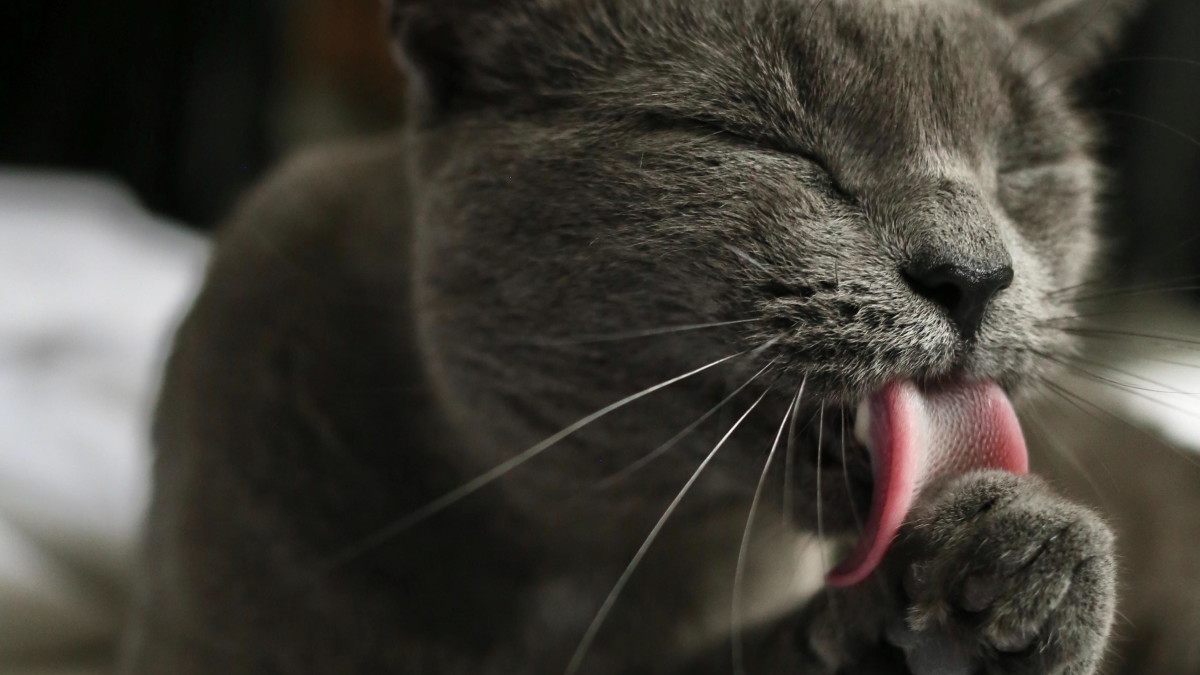
Have you noticed your female cat spending more time licking herself than usual? If your furry friend is over grooming, it might seem harmless at first, but it can be a sign of something deeper.
You might be wondering why she can’t seem to stop, and what it means for her health and happiness. Understanding why your female cat is over grooming is key to helping her feel comfortable again. Keep reading to discover the surprising reasons behind this behavior and what you can do to support your beloved pet.
Signs Of Over Grooming
Signs of over grooming in female cats reveal much about their health and well-being. Spotting these signs early helps prevent serious problems. Over grooming means your cat spends too much time licking or chewing her fur. This behavior can cause harm and discomfort.
Common Symptoms
- Excessive licking or biting of the same area
- Hair loss or thinning patches
- Red, irritated skin or wounds
- Constant scratching or grooming beyond normal
- Visible bald spots or scabs
Behavioral Changes
- Restlessness or pacing frequently
- Avoiding play or social interaction
- Increased anxiety or nervousness
- Hiding more than usual
- Changes in eating or sleeping habits
Physical Effects
- Skin infections from open sores
- Swelling or thickening of the skin
- Loss of fur in uneven patches
- Visible wounds or bleeding spots
- Scarring or permanent skin damage
Medical Causes
Over grooming in your female cat can be more than just a quirky habit. Sometimes, it signals underlying health issues that need your attention. Medical causes are often overlooked but play a crucial role in why your cat might be excessively licking or biting herself.
Skin Allergies
Skin allergies are a common medical reason for over grooming. Your cat might be reacting to certain foods, environmental factors like pollen, or even cleaning products. The constant itchiness drives her to lick or scratch, which can worsen the irritation.
Have you noticed red patches or hair loss on your cat’s skin? These are signs to check with your vet. Managing allergies often involves identifying triggers and sometimes medication to soothe the skin.
Parasite Infestations
Parasites like fleas or mites cause intense discomfort, pushing your cat to groom excessively. Even if you don’t see fleas, tiny mites can cause itching that’s hard to detect without professional help. This leads to relentless scratching and licking, which damages the skin.
Keeping up with regular parasite prevention is key. Ask your vet about the best treatments and make sure your cat’s environment is clean to prevent reinfestation.
Hormonal Imbalances
Hormonal changes can also trigger over grooming in female cats. Conditions such as hyperthyroidism or ovarian cysts affect your cat’s mood and skin health. These imbalances might make her more anxious or uncomfortable, leading to grooming as a coping mechanism.
Have you seen sudden behavioral changes alongside over grooming? This could hint at a hormonal issue. Blood tests can help diagnose these problems, allowing for targeted treatment that can improve your cat’s quality of life.
Environmental Triggers
Understanding why your female cat over grooms can be challenging. Environmental triggers often play a significant role. Changes in your cat’s surroundings can lead to excessive grooming. Let’s explore some common environmental factors.
Stress And Anxiety
Cats are sensitive creatures. Stress can make them groom excessively. Loud noises or new pets can trigger anxiety. Cats may groom to cope with stress. This behavior is their way to self-soothe. Identifying stressors can help reduce over grooming.
Changes In Routine
Cats thrive on routine. Any change can disrupt their peace. A new work schedule or moving homes can cause stress. Over grooming can be their response to these changes. Maintaining a consistent routine helps them feel secure.
Lack Of Stimulation
Boredom can lead to over grooming. Cats need mental and physical stimulation. Without it, they may groom to fill the void. Providing toys and interactive play can reduce boredom. A stimulating environment keeps their minds active.
Credit: www.kinship.com
Behavioral Factors
Behavioral factors play a significant role in why your female cat might be over grooming. Sometimes, the reason isn’t physical but rooted in her emotions or environment. Understanding these behaviors can help you address the problem effectively and keep your feline friend comfortable and happy.
Compulsive Grooming
Compulsive grooming happens when your cat grooms herself excessively, beyond what’s normal for cleanliness. It’s often a response to stress or anxiety, much like how some people bite their nails when nervous.
If your cat suddenly starts licking or biting the same spot repeatedly, it could be a sign of compulsive behavior. You might notice bald patches or irritated skin where she over grooms. Try to identify any recent changes in her environment that might be causing stress, like a new pet or a move.
Have you observed moments when your cat seems restless or anxious? Offering more playtime and mental stimulation can sometimes reduce this compulsive behavior. If it persists, consulting your vet or a pet behaviorist is a good step.
Attention-seeking Behavior
Sometimes over grooming is your cat’s way of asking for your attention. If she feels neglected, she might use grooming as a tool to get you to notice her.
This behavior often increases when she’s bored or lonely. Cats are social creatures and need interaction, so lack of attention can lead to these habits.
Try spending extra time petting, playing, or simply sitting with her. Does she calm down when you engage with her? Adding routine play sessions can help reduce over grooming caused by attention seeking.
Diagnostic Steps
Understanding why your female cat is over grooming starts with proper diagnosis. Identifying the root cause requires careful and structured steps. These steps help rule out medical and behavioral issues.
Each diagnostic step provides important clues. Together, they guide the treatment plan for your cat’s health and comfort.
Veterinary Examination
A thorough veterinary exam is the first step. The vet checks your cat’s skin, coat, and overall health. They look for signs of infections, allergies, or injuries. Blood tests may be done to spot internal problems. This exam helps exclude serious medical issues.
Skin Tests
Skin tests help find allergies or parasites. The vet may perform skin scrapings to detect mites or fleas. Allergy testing can identify reactions to food or environment. These tests reveal causes of itching or irritation. Accurate skin tests prevent misdiagnosis and mistreatment.
Behavioral Assessment
Behavioral assessment explores stress or anxiety factors. The vet or a specialist observes your cat’s habits and environment. They check for boredom, changes in routine, or conflicts with other pets. Stress often leads to over grooming as a coping mechanism. Understanding behavior helps create a calming plan.
Credit: www.preventivevet.com
Treatment Options
Over grooming in female cats can be distressing to watch, but there are several effective treatment options you can try to help your feline friend feel better. Understanding these options allows you to tailor a plan that suits her specific needs, whether the cause is medical, environmental, or behavioral.
Medications
Sometimes, over grooming stems from underlying health issues like allergies or skin infections. Your vet may prescribe medications such as antihistamines, antibiotics, or anti-inflammatory drugs to address these problems.
In cases where anxiety is a factor, medications like anti-anxiety drugs or pheromone diffusers can help calm your cat. These treatments often need to be combined with other approaches for the best results.
Environmental Enrichment
Is your cat bored or stressed? Adding toys, scratching posts, and interactive playtime can reduce over grooming by giving her healthy outlets for energy and attention.
Try rotating toys regularly and creating cozy spots by windows where she can watch birds or the outside world. These small changes often keep cats mentally engaged and less likely to fixate on grooming.
Behavioral Therapy
Behavioral therapy involves identifying triggers that cause your cat to over groom and gradually changing her response to them. This might include desensitization techniques or rewarding calm behavior with treats and affection.
Working with a professional animal behaviorist can provide you with personalized strategies tailored to your cat’s unique situation. Have you noticed patterns in when or where she over grooms? Tracking these can be a key step in successful therapy.
Preventing Over Grooming
Preventing over grooming in your female cat is key to keeping her healthy and happy. Understanding the root causes helps you take the right steps before the behavior worsens. Simple changes in care and environment can make a big difference in stopping this habit early.
Regular Vet Checkups
Frequent vet visits are essential to catch any underlying health problems causing over grooming. Skin infections, allergies, or parasites may trigger your cat to lick or scratch excessively. Your vet can also check for pain or discomfort that you might not notice at home.
Don’t wait for visible wounds to appear before scheduling a checkup. Sometimes subtle signs like redness or hair thinning signal an issue. Regular vet visits help you stay ahead and provide timely treatment.
Stress Reduction Techniques
Stress is a common cause of over grooming in cats. Changes in routine, new pets, or loud noises can make your cat anxious. You can help by creating a calm, predictable environment with quiet spaces and familiar toys.
Have you noticed your cat over grooming after a stressful event? Try pheromone diffusers or interactive play to ease her nerves. Even small adjustments, like keeping a consistent feeding schedule, can reduce anxiety and stop over grooming.
Proper Grooming Routine
Sometimes cats groom themselves too much because they don’t get enough grooming from you. Brushing your cat regularly removes loose fur and reduces itchiness. This can prevent her from licking herself raw.
Use gentle brushes suited to your cat’s fur type and keep sessions short but frequent. Pay attention to areas she misses or seems to focus on. A good grooming routine not only keeps her coat healthy but also strengthens your bond.

Credit: pethelpful.com
When To Seek Help
Knowing when to seek help for your female cat’s over grooming is crucial. It can be tough to decide if the behavior is just a phase or a sign of a deeper issue. Paying attention to specific signals can save your cat from unnecessary pain and stress.
Warning Signs
Watch for persistent bald patches or raw, irritated skin. If your cat is grooming so much that she leaves wounds or scabs, it’s a clear sign to act.
Changes in behavior like increased hiding, aggression, or loss of appetite can also indicate distress. Over grooming coupled with these symptoms often means your cat needs medical or behavioral support.
Ask yourself: Is your cat grooming more than usual and showing signs of discomfort? If yes, don’t wait to get professional advice.
Emergency Situations
Immediate help is necessary if you notice severe bleeding, open sores, or signs of infection like swelling and pus. These conditions can escalate quickly and require urgent veterinary care.
If your cat suddenly stops eating or drinking after intense grooming bouts, it could signal serious underlying problems. This situation is an emergency and should not be ignored.
Remember, your quick response can prevent complications. When in doubt, contact your vet right away rather than waiting for symptoms to worsen.
Frequently Asked Questions
Why Is My Female Cat Over Grooming Herself?
Over grooming in female cats often signals stress, allergies, or skin infections. It can also result from parasites like fleas. Monitoring her behavior and consulting a vet helps identify the cause and provide proper treatment to stop excessive grooming.
Can Anxiety Cause My Female Cat To Over Groom?
Yes, anxiety or stress can trigger over grooming in female cats. Changes in environment, new pets, or lack of stimulation often lead to anxiety. Providing a calm space and enrichment activities can reduce stress and prevent over grooming behaviors.
How To Stop My Female Cat From Over Grooming?
To stop over grooming, first identify the cause—stress, allergies, or parasites. Use vet-recommended treatments like flea control, allergy medication, or calming aids. Ensure your cat has mental stimulation, a balanced diet, and a stress-free environment to promote healthy grooming habits.
Is Over Grooming Harmful To My Female Cat?
Yes, over grooming can harm your cat by causing skin irritation, hair loss, and infections. Persistent licking damages the skin and creates sores. Early intervention is crucial to prevent serious health issues and ensure your cat’s well-being.
Conclusion
Over grooming in female cats can signal stress or health issues. Watch her behavior closely and note any changes. A calm environment helps reduce her anxiety. Regular vet visits catch problems early and keep her healthy. Simple care and attention can improve her comfort.
Remember, your cat relies on you for help. Taking action now can prevent serious skin damage. Keep her happy and relaxed for a better life.

Leave a Reply