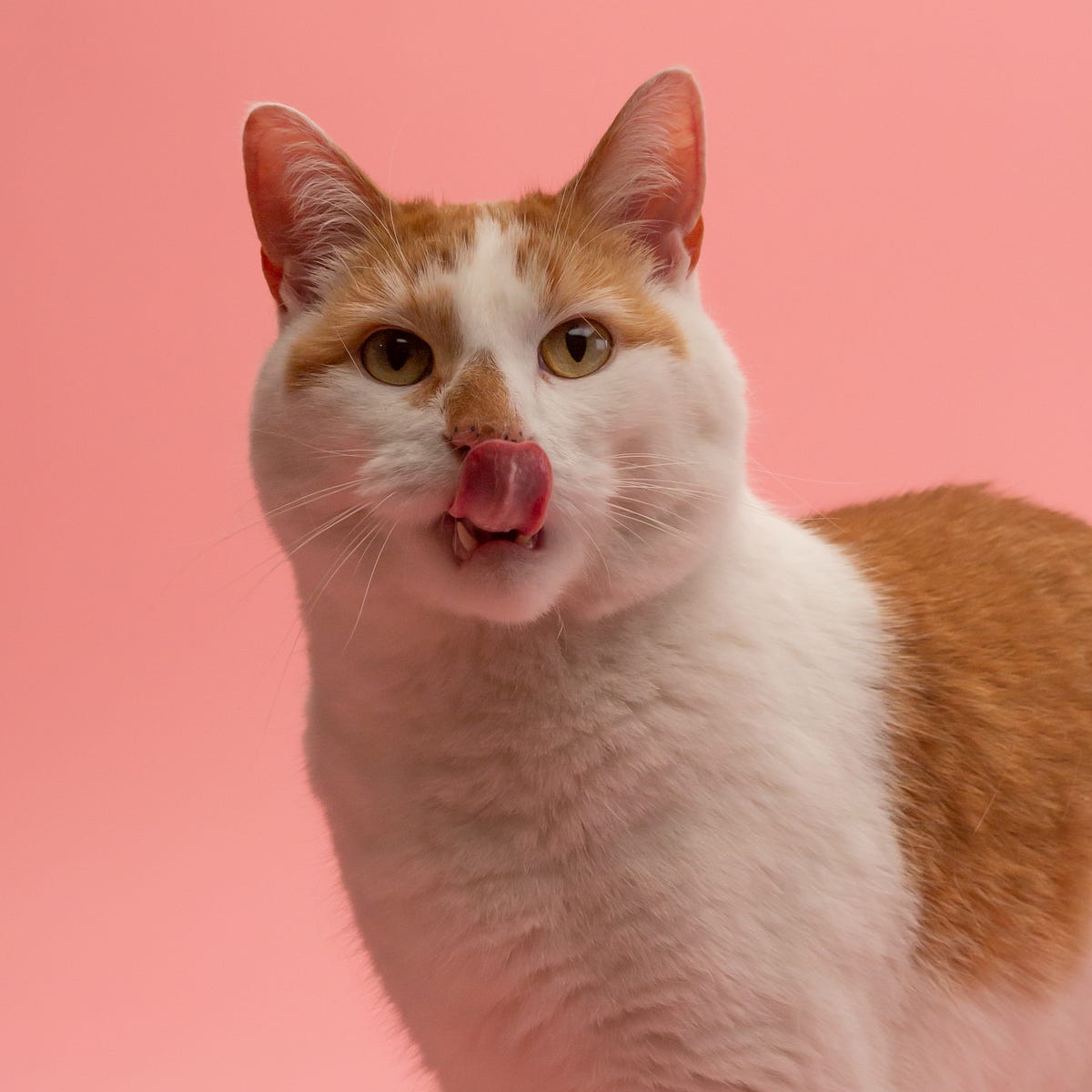
Have you ever caught your cat grooming its butt and wondered why they do it so often? It might seem a little strange or even funny, but there’s a good reason behind this behavior.
Understanding why your cat spends time cleaning this area can help you keep them healthy and happy. You’ll discover the surprising reasons behind your cat’s grooming habits and what it means for their well-being. Keep reading—you’ll be amazed at what you learn!
Cat Grooming Basics
Understanding the basics of cat grooming helps you see why your feline friend spends time cleaning every part of their body—even the areas you might find surprising. Grooming is more than just keeping clean; it’s a vital habit that affects your cat’s health and comfort. Let’s look at how cats groom themselves and why this behavior is so important.
How Cats Groom Themselves
Cats use their tongues as a built-in grooming tool. Their tongues have tiny, hook-like structures called papillae that act like a comb, removing dirt and loose fur.
You might notice your cat licking their paws and then rubbing their face. This is a clever way to clean spots they can’t reach directly with their tongue.
But grooming doesn’t stop at the face or back. Cats often twist and turn to reach all areas, including their rear ends. It might seem odd, but this thoroughness is normal and necessary.
Purpose Of Grooming
Grooming helps your cat stay clean, but it also cools them down and distributes natural oils across their fur. These oils keep their coat shiny and healthy.
Have you ever seen your cat grooming after waking up? It helps remove loose fur and any dirt picked up while sleeping.
Grooming also reduces stress. When cats lick themselves, their bodies release endorphins, which calm them down. This is why you might see your kitty grooming more during anxious moments.

Credit: www.youtube.com
Focus On The Rear End
Cats spend a lot of time grooming their bodies, but their rear end gets special attention. This area is important for cleanliness and comfort. Cats instinctively clean their rear to avoid irritation and smell. Understanding why cats focus on this part helps us know their grooming habits better.
Anatomy Of A Cat’s Rear
The rear end of a cat includes the anus, tail base, and surrounding fur. This area has sensitive skin and small glands. These glands produce secretions that can build up. The tail’s position makes it easy for dirt and litter to collect there. Keeping this area clean helps prevent infections and discomfort.
Common Grooming Spots
- Under the tail
- Around the anus
- The base of the tail
- Inner thighs near the rear
Cats lick these spots to remove dirt, loose fur, and secretions. This grooming also reduces odors that attract predators or other animals. The behavior keeps the cat healthy and feeling fresh. Grooming the rear is a natural, necessary part of a cat’s hygiene routine.
Hygiene And Cleanliness
Cats are known for their fastidious grooming habits. Their attention to hygiene is key to staying healthy. Grooming their rear end is part of this routine. It helps keep them clean and free from dirt or waste. This behavior is natural and very important for their wellbeing.
Removing Waste Residue
Cats use their tongues to clean any waste left after using the litter box. Their rough tongues help remove dirt and fecal matter gently. This stops any bad smells or stains from building up. Clean fur around the anus prevents discomfort and keeps the area fresh.
Preventing Infections
Cleaning the rear area lowers the risk of infections. Waste residue can attract bacteria and cause irritation. Regular grooming helps avoid painful skin problems. It also stops parasites like fleas and ticks from gathering in that area. Healthy skin means a happier cat overall.
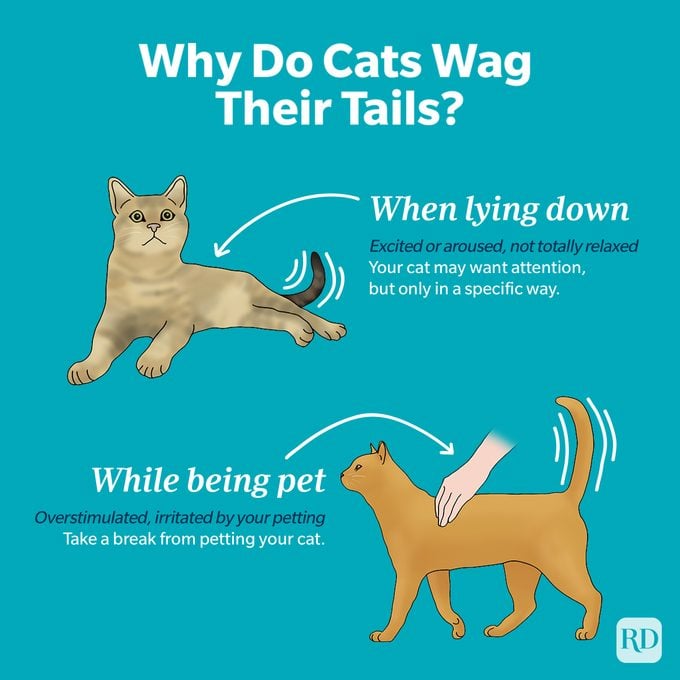
Credit: www.rd.com
Scent And Communication
Cats groom their rear to keep clean and remove odors. This helps them communicate with other cats through scent signals. Grooming also prevents infections and keeps their fur healthy.
Cats are fascinating creatures, and their grooming habits are a crucial aspect of their daily routine. One intriguing behavior is how they groom their rear ends. This is not just about cleanliness; it’s a form of communication. Cats use scent to convey messages, marking their territory and signaling their presence to other animals.Role Of Scent Glands
Cats have scent glands located near their tails. These glands release pheromones, which are unique chemical signals. When a cat grooms its butt, it spreads these pheromones, helping it communicate with other cats. Have you ever noticed how your cat seems particularly focused when grooming this area? It’s because they know the importance of these scent glands. Keeping them active and functional is a priority for cats.Marking Territory
Cats are territorial creatures. They rely on their scent to mark their domain. By grooming their butt, they ensure their scent is strong and noticeable to others. This behavior is a subtle way of saying, “This is my space.” It’s similar to how humans might personalize their workspace with personal items. So next time you see your cat in a grooming session, remember it’s not just about staying clean. It’s their way of communicating and asserting their presence. Have you observed how your cat interacts with its environment after grooming? It might just be their way of sending a message.Health-related Grooming
Cats groom their bodies to keep clean and healthy. Health-related grooming is an important part of their daily routine. Cleaning their rear end helps prevent infections and keeps parasites away. This grooming behavior shows that cats care about their well-being.
Dealing With Parasites
Parasites like fleas and ticks often hide near a cat’s rear. Grooming this area helps remove these pests. It reduces itching and discomfort caused by bites. Regular cleaning lowers the chance of parasite infestations. Cats use their tongues to reach spots that are hard to access.
Signs Of Health Issues
Excessive grooming of the butt may signal health problems. It can mean irritation, infections, or digestive troubles. Cats with diarrhea or worms tend to lick more. Watch for redness, swelling, or foul odor around the area. These signs require a vet visit to ensure proper care.
Behavioral Factors
Cats groom themselves for many reasons beyond cleanliness. Behavioral factors play a key role in why cats focus on grooming their rear areas. These actions often stem from their feelings and habits. Understanding these behaviors helps explain this common cat activity.
Stress And Anxiety
Cats may groom their butt more when feeling stressed or anxious. Grooming acts as a calming tool. It helps reduce tension and provides comfort. Stress triggers can include new environments or loud noises. Grooming becomes a way for cats to soothe themselves.
Habitual Grooming
Some cats develop grooming habits that include cleaning their rear. This behavior starts early and continues out of routine. Habitual grooming keeps the cat feeling fresh and comfortable. It can become a repetitive action, even without dirt or irritation. Such habits often bring a sense of security to cats.
When To Seek Vet Help
Knowing when to seek veterinary help for your cat’s grooming habits can save your furry friend from discomfort and potential health issues. Cats naturally groom themselves, but if you notice changes in the frequency or intensity of their grooming—especially around sensitive areas like their butt—it might signal a problem. Being alert to these signs early can help you get the right treatment quickly.
Excessive Grooming Concerns
If your cat suddenly spends a lot more time grooming their butt, pay attention. Excessive licking can cause redness, hair loss, or even sores in that area. These could mean your cat is trying to soothe irritation from fleas, allergies, or infections.
I once saw a cat obsessively licking its rear until the skin was raw. A vet visit revealed a painful anal gland infection that needed prompt treatment. Don’t wait for visible wounds—if your cat seems restless or keeps licking non-stop, it’s time to get professional advice.
Other Warning Signs
- Swelling or lumps near the tail or anus
- Difficulty or pain when your cat tries to defecate
- Foul odor coming from the rear end
- Sudden changes in bathroom habits, like constipation or diarrhea
- Visible blood or discharge around the anus
Have you noticed your cat dragging its bottom on the floor or biting the area aggressively? These behaviors often point to discomfort that needs a vet’s attention. Ignoring these signs might worsen your cat’s condition, leading to more pain or infection.

Credit: www.rover.com
Frequently Asked Questions
Why Do Cats Groom Their Butt Regularly?
Cats groom their butt to stay clean and remove dirt or feces. This behavior prevents infections and odors. It also helps them maintain good hygiene and comfort.
Is Butt Grooming Normal Behavior For Cats?
Yes, butt grooming is a normal and natural behavior for cats. It helps keep their rear area clean and healthy. Grooming is an instinctive way to avoid irritation and parasites.
Can Excessive Butt Grooming Indicate Health Issues?
Excessive butt grooming may signal problems like fleas, worms, or anal gland issues. If your cat grooms the area too much, consult a vet for diagnosis and treatment.
How Often Should Cats Groom Their Rear End?
Cats typically groom their rear end several times a day. This frequency varies depending on their activity and cleanliness. Regular grooming helps prevent infections and keeps them comfortable.
Conclusion
Cats groom their butt to stay clean and healthy. This behavior helps remove dirt and bacteria. It also prevents skin problems and infections. Grooming keeps cats comfortable and fresh. Understanding this habit can help you care for your pet better.
Watch for changes in grooming, as they may signal health issues. Keep your cat’s environment clean to support this natural behavior. Simple care goes a long way in your cat’s well-being. Always pay attention to your cat’s grooming habits for a happy pet.

Leave a Reply