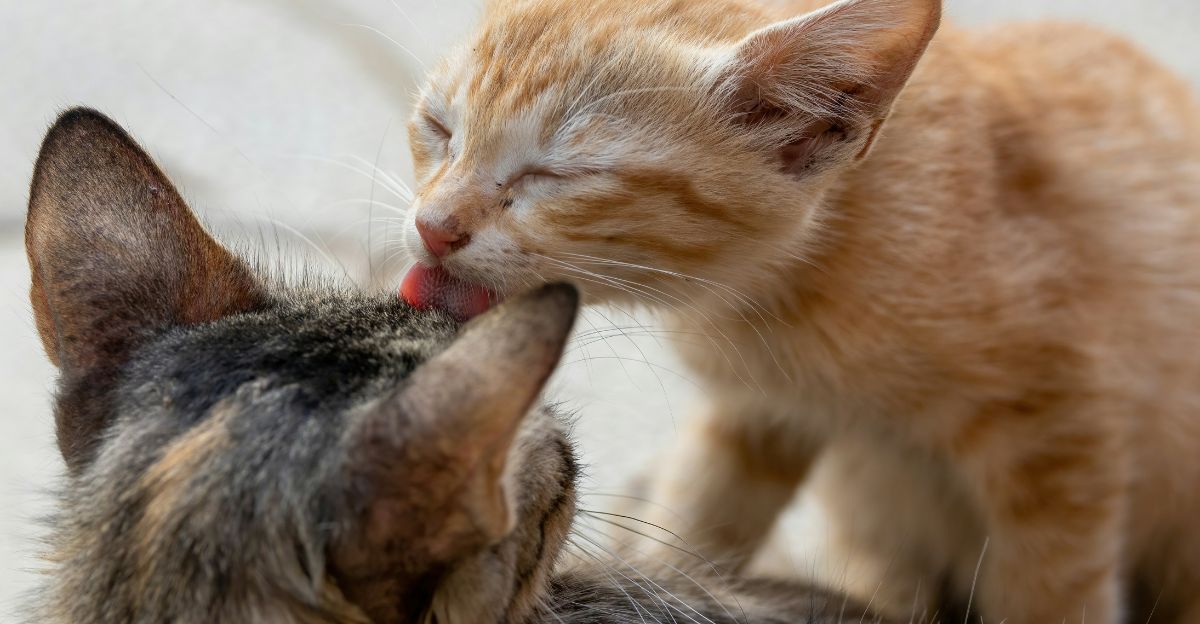
Have you ever watched your cats carefully licking each other and wondered why they do it? It’s more than just cleaning fur.
When your cats groom each other, they are sharing a special bond that tells you a lot about their feelings and social life. Understanding this behavior can help you connect better with your furry friends and keep them happy. Keep reading to discover the surprising reasons behind this sweet act and what it means for your cats’ well-being.
Social Bonding
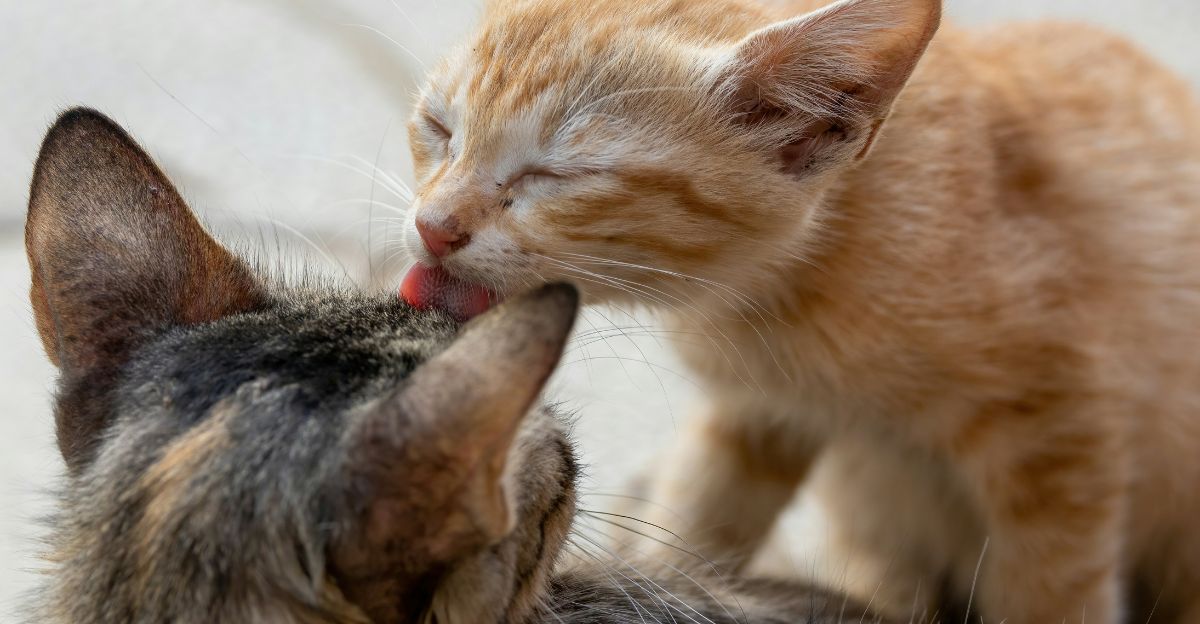
Cats often groom each other as a way to connect. This behavior goes beyond cleanliness. It helps cats build strong social bonds. Grooming is a sign of trust and friendship among cats. It creates a sense of comfort and safety in their group.
Strengthening Relationships
Grooming helps cats maintain close ties. It shows they accept and care for each other. Cats that groom together often share a peaceful relationship. This act reduces tension and prevents fights. It helps them feel calm and happy in each other’s company.
Family Ties And Pack Behavior
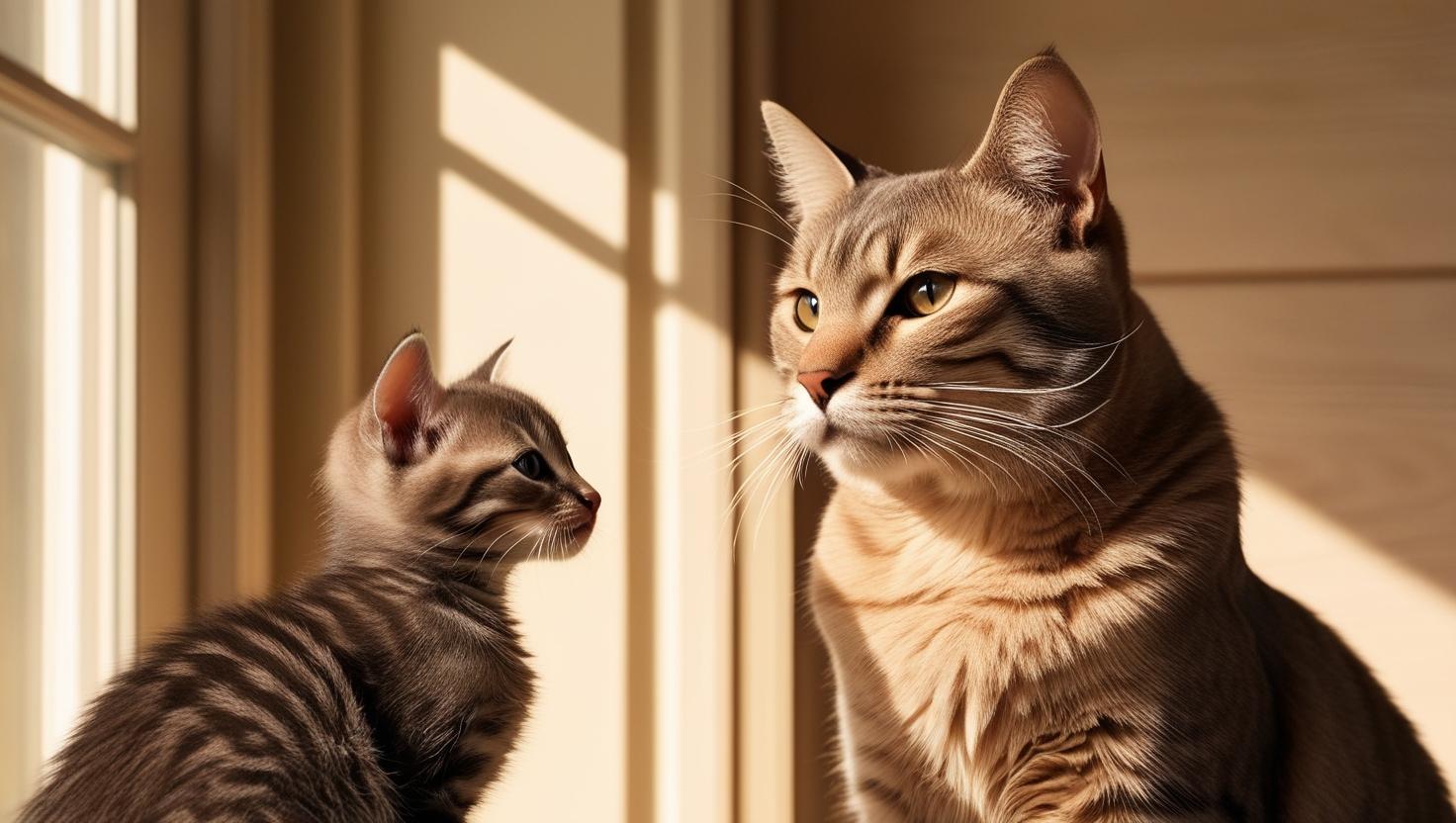
Mother cats groom their kittens to keep them clean and safe. Kittens learn to groom themselves by watching their mother. Grooming also happens between adult cats that live together. It reflects their natural pack behavior. This keeps the group united and well-organized.

Credit: basepaws.com
Hygiene Benefits
Cats grooming each other is more than just a sign of affection. It also helps keep them clean and healthy. Grooming together reaches areas that are hard to clean alone. It removes dirt and loose fur, which helps maintain their coat’s shine. This shared grooming supports overall hygiene and comfort in cats.
Reaching Difficult Spots
Cats cannot easily reach all parts of their bodies. Areas like the back of the head and neck are tough to clean alone. When cats groom each other, they help cover these hard-to-reach spots. This keeps their skin healthy and fur free from dirt and debris. It also reduces the chance of skin problems in those areas.
Reducing Parasites
Grooming helps remove parasites like fleas and ticks. Cats use their tongues to catch these pests and remove them. When cats groom each other, they can find parasites hiding in tricky places. This lowers the risk of infections and skin irritations. Group grooming acts as a natural way to control pests.
Stress Relief
Cats groom each other to reduce stress and build trust. This behavior helps them feel calm and connected. It’s a simple way they show care and comfort.
Cats often groom each other as a way to relieve stress. This behavior, known as allogrooming, strengthens their bond. It also provides comfort and security in their environment. Understanding this can help cat owners ensure their pets feel safe and happy.Calming Effects
Grooming each other has calming effects on cats. It helps them relax and feel at ease. The rhythmic motions and gentle touches can reduce tension. This behavior is similar to how humans use massage for relaxation. Cats use grooming to create peace and harmony in their space.Comfort During Anxiety
During stressful times, cats may groom each other more. This behavior provides comfort and reassurance. It helps them cope with anxiety by focusing on a familiar routine. Grooming helps release feel-good chemicals in their brains. This natural behavior is crucial for their mental health.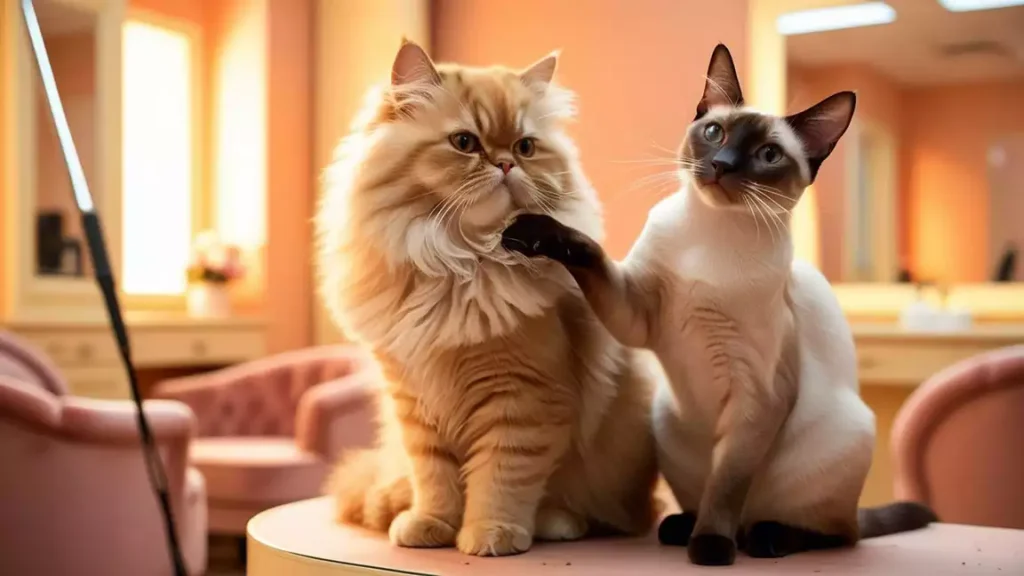
Credit: catgroomerla.com
Territory Marking
Cats grooming each other is more than just a sweet display of affection—it’s a powerful way they mark their territory. This behavior helps them communicate ownership and create a shared environment where they feel safe. Understanding how this works can change the way you see your feline friends’ interactions.
Scent Sharing
When cats groom each other, they transfer their unique scents through saliva and fur. This scent mixing creates a combined group smell that signals to other animals, “This space belongs to us.”
You might notice your cats spending extra time grooming after exploring new areas. That’s their way of reinforcing their scent marks and keeping their territory clearly defined.
Group Identity
Grooming helps cats build a sense of belonging within their group. By sharing scents, they confirm their membership and strengthen social bonds.
Have you ever seen cats suddenly stop grooming a newcomer? That’s because the new cat hasn’t yet shared the group scent, so it’s not fully accepted. Your cats’ grooming rituals are their way of maintaining a peaceful, united territory.
Hierarchy And Dominance
When cats groom each other, it’s more than just keeping clean. This behavior often reflects the social structure within your feline family. Grooming can help establish and maintain hierarchy and dominance, which keeps peace among your cats.
Establishing Roles
Grooming is a way cats assign roles. The dominant cat usually takes the lead in grooming sessions, choosing who gets groomed and when. This act quietly reinforces their position without conflict.
You might notice one cat grooming another more frequently. This shows who is in charge and who accepts a lower rank. It’s like a silent agreement that helps reduce fights over territory or attention.
Subtle Power Dynamics
Not all grooming is equal. Sometimes, the dominant cat grooms the submissive one, but other times, the lower-ranked cat initiates grooming to show respect or seek favor.
Watch closely for small signs like who starts grooming and who stops first. These subtle cues reveal the balance of power. If your cats suddenly change these patterns, it might mean their social order is shifting.
Have you ever seen one cat patiently groom another, only to be ignored later? That’s a clear sign of dominance at play. Understanding these nuances helps you recognize how your cats communicate without words.
When Grooming Becomes Excessive
Cats groom each other to show care and build bonds. This behavior is usually healthy and normal. Sometimes, grooming can become too much. Excessive grooming may cause skin problems or stress. It is important to notice changes in your cats’ grooming habits early.
Signs Of Stress Or Illness
Watch for bald spots or red skin on your cats. Constant licking or biting can lead to wounds. Cats may groom more when they feel anxious or sick. Other signs include hiding, loss of appetite, or changes in behavior. These signs suggest your cat needs help.
When To Consult A Vet
Visit a vet if grooming causes skin damage. Seek advice if your cat shows signs of pain or discomfort. A vet can check for allergies, parasites, or infections. They can also provide treatment for stress-related issues. Early care helps your cats stay happy and healthy.

Credit: catcuddlezone.com
Frequently Asked Questions
Why Do Cats Groom Each Other Often?
Cats groom each other to strengthen social bonds and show affection. This behavior, called allogrooming, reduces stress and creates trust within their group.
Is Mutual Grooming A Sign Of Cat Friendship?
Yes, mutual grooming indicates a strong bond and friendship between cats. It helps maintain harmony and reinforces their social connection.
Can Grooming Prevent Cat Fights?
Grooming lowers tension and promotes peaceful coexistence. Cats that groom each other are less likely to fight due to established trust.
Does Grooming Help Cats Stay Clean?
Yes, grooming removes dirt, loose fur, and parasites. When cats groom each other, they reach spots they can’t clean alone.
Conclusion
Cats groom each other to show love and trust. It helps them stay clean and healthy. Grooming also builds strong bonds between cats. You can see it as their way to say, “You are family. ” Watching this behavior can teach us about their feelings.
Remember, it is a natural and important habit. Let your cats enjoy this special time together. It keeps them happy and close.

Leave a Reply