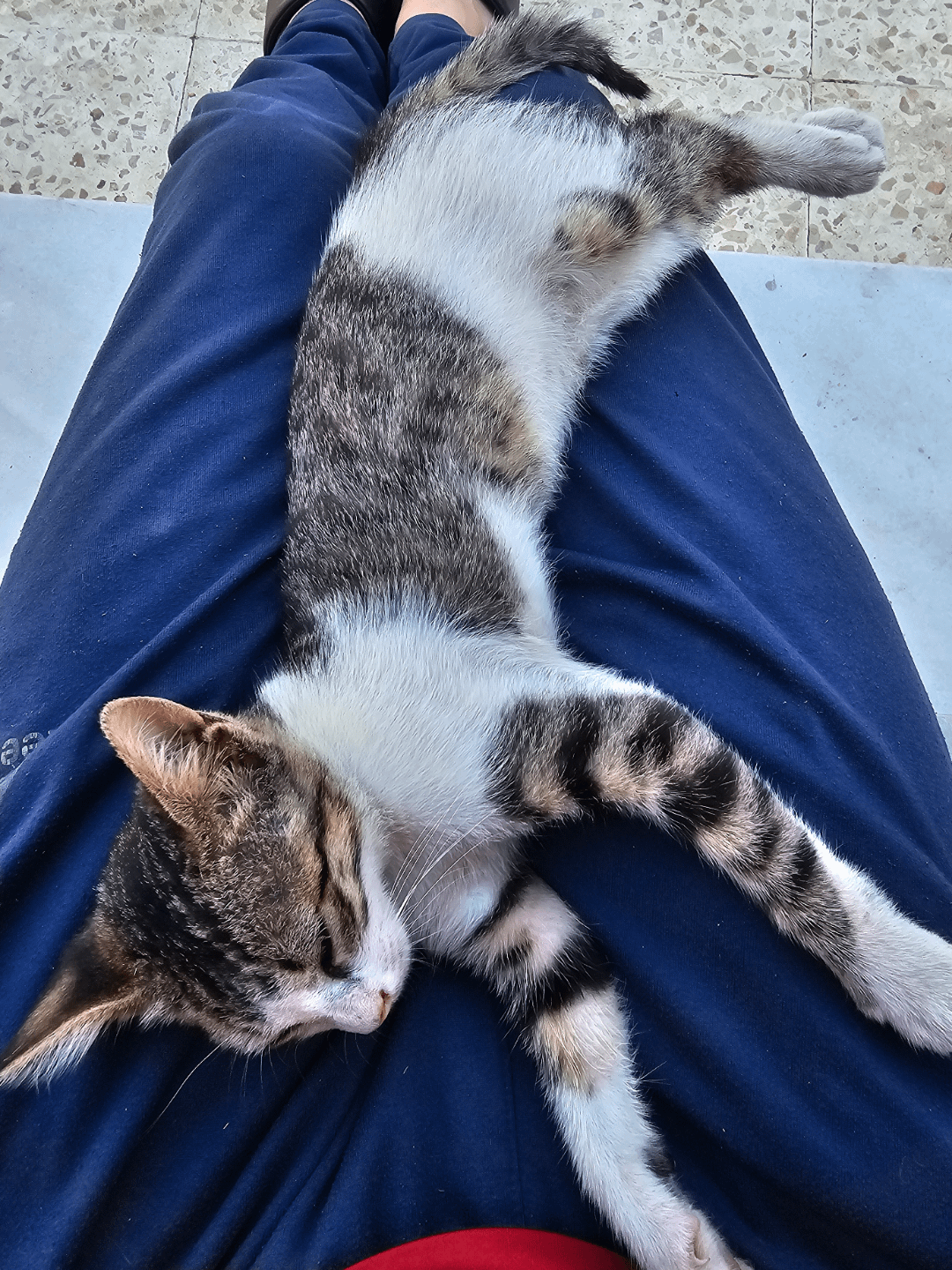
Have you ever noticed your cat settling on your lap and then starting to groom herself? It might seem like a simple, everyday behavior, but there’s more to it than meets the eye.
When your cat chooses your lap as her personal grooming spot, she’s sending you a special message. Understanding why she does this can deepen the bond you share and make those quiet moments even more meaningful. Keep reading to discover the surprising reasons behind this sweet habit—and how it shows your cat’s trust and comfort in your presence.
Cat Grooming Basics
Understanding the basics of cat grooming can help you make sense of why your cat chooses to groom herself on your lap. Grooming is more than just keeping clean; it’s a vital part of your cat’s daily routine that affects her health and emotional state. Let’s break down what grooming means for your feline friend and what habits you might notice.
Purpose Of Grooming
Grooming serves several key purposes for cats. It helps remove dirt, loose fur, and parasites from their coat. This keeps their fur clean and healthy, reducing the risk of skin problems.
Grooming also cools them down when the weather is warm by spreading saliva on their fur. It can calm your cat and reduce stress, acting almost like a form of self-soothing.
Have you ever noticed your cat grooming more when she’s nervous or after a stressful event? That’s her way of coping and feeling secure.
Common Grooming Habits
Cats spend a large part of their day grooming themselves. Here are some common grooming behaviors you might observe:
- Licking their fur to clean and untangle it.
- Biting or nibbling to remove stubborn dirt or mats.
- Using their paws to wash their face by licking their paw first.
- Stretching and twisting their body to reach different areas.
When your cat grooms on your lap, she may also be showing trust and comfort. She feels safe enough to relax and take care of herself in your presence.
Next time your cat starts grooming on your lap, watch closely. You might learn something new about her mood and needs, helping you deepen your bond.
Why Cats Choose Your Lap
Have you ever noticed your cat hopping onto your lap and starting to groom herself? It’s more than just a convenient spot for her hygiene routine. Cats are very particular about where they feel safe and comfortable, and choosing your lap says a lot about how she sees you.
Seeking Comfort And Warmth
Your lap offers a cozy, warm place that cats naturally seek out. The gentle rise and fall of your breathing, combined with your body heat, creates a soothing environment. This comfort encourages her to relax and focus on grooming without distraction.
Think about how often you find yourself reaching for a warm blanket or a soft pillow when you want to unwind. Your cat experiences something similar. She picks your lap because it’s a reliable source of calm and warmth.
Building Trust And Bonding
When your cat grooms herself on your lap, she’s showing a deep level of trust. Grooming is a vulnerable activity, and she wouldn’t do it if she felt unsafe. This behavior indicates she feels secure enough to let her guard down around you.
Have you noticed how she often chooses to sit on your lap after a long day? It’s her way of strengthening your bond. This moment of closeness allows her to connect with you beyond simple companionship.
Next time she curls up for a grooming session on your lap, ask yourself: How can I return this trust and make her feel even safer?
Grooming As A Social Behavior
Cats are known for their meticulous grooming habits. Grooming isn’t just about staying clean. It’s a complex social behavior that strengthens bonds. When your cat grooms herself on your lap, she’s engaging in a form of communication. This act can be comforting and shows trust in the relationship. Let’s explore how grooming serves as a social tool among cats.
Mutual Grooming In Cats
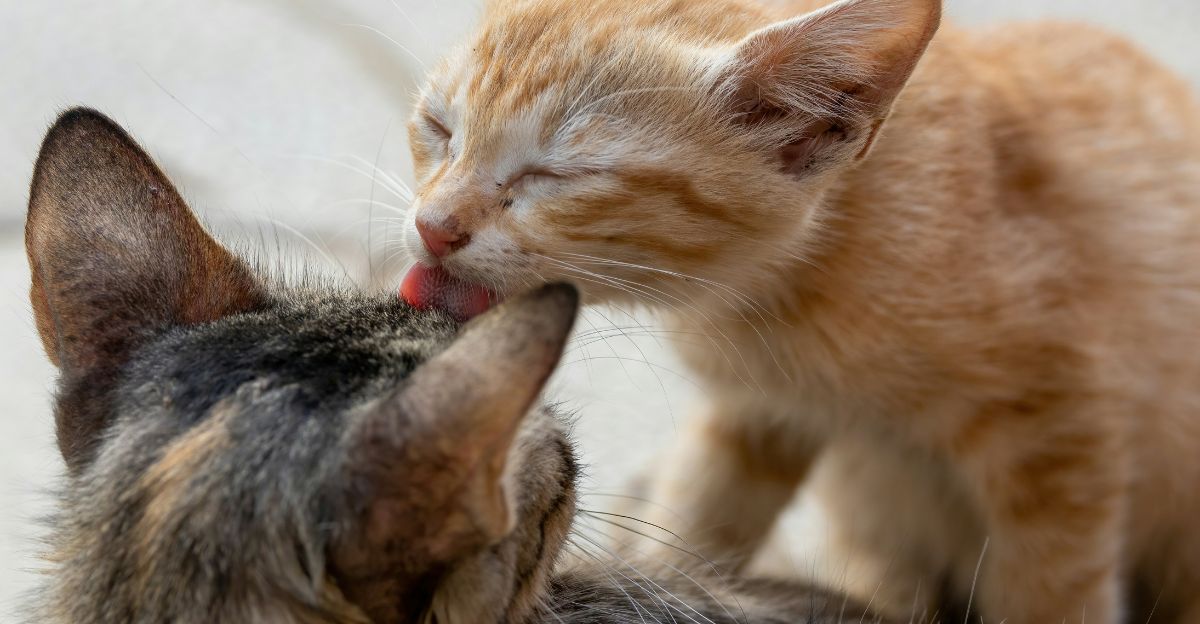
Mutual grooming, or allogrooming, is common among cats. It involves cats grooming each other. This activity is not just about cleanliness. It plays a vital role in establishing social hierarchies. Cats often groom family members or those they trust. In groups, the dominant cat might groom others. This act reinforces social structures. When your cat grooms herself on your lap, she recalls this mutual grooming. It’s a sign of comfort and belonging.
How Lap Grooming Mimics Social Bonds
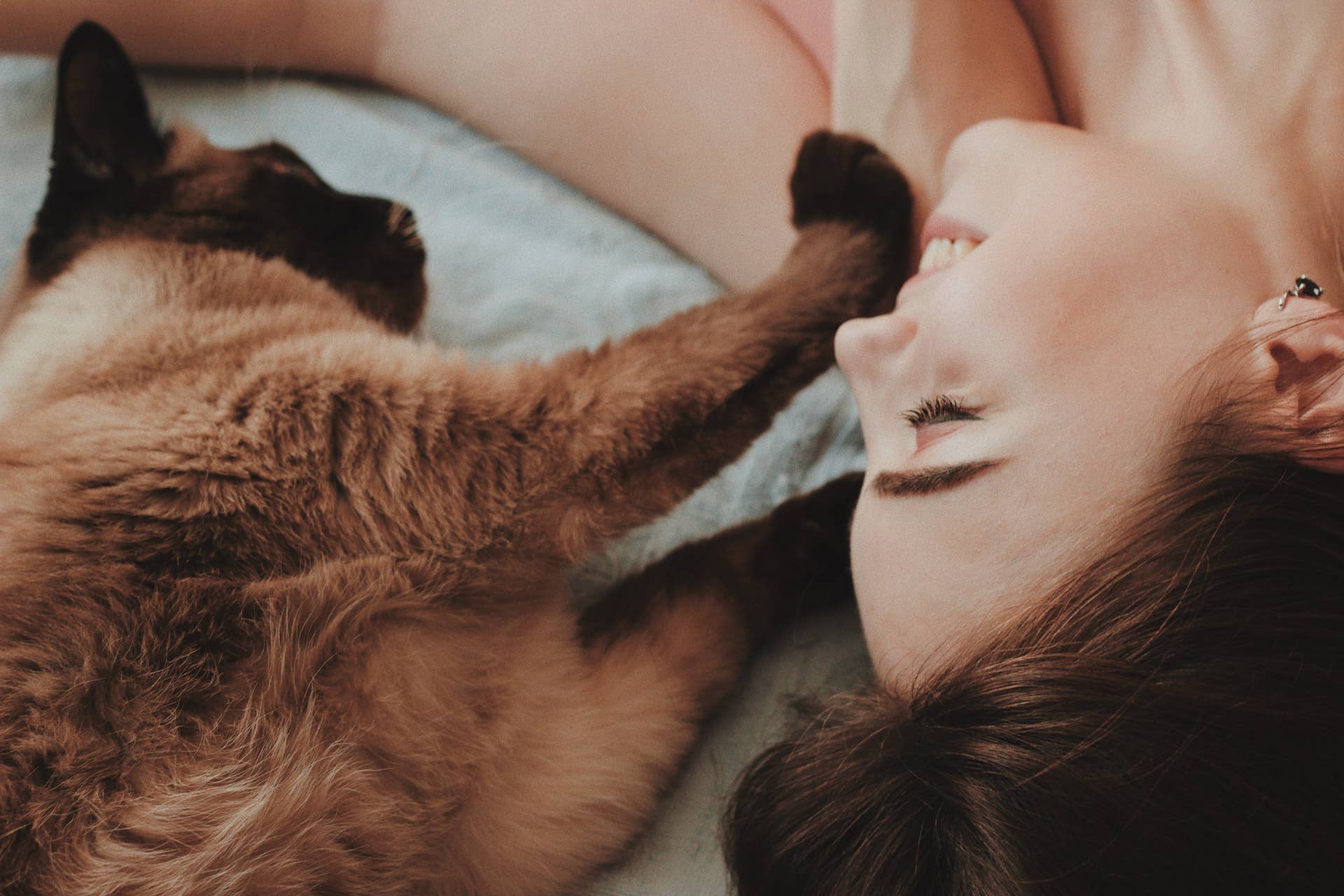
Lap grooming mirrors the bonds found in cat groups. Your lap becomes a safe space. It mimics the environment where cats groom each other. This behavior shows your cat feels secure with you. Lap grooming offers warmth and closeness. It strengthens your relationship. Your cat sees you as part of her social circle. This act of grooming on your lap is a compliment. It means she trusts you deeply.
Credit: pethelpful.com
Stress And Anxiety Relief
Cats often groom themselves on their owner’s lap to ease stress and anxiety. Grooming acts as a calming activity for cats. It helps them feel better during uneasy moments. This behavior shows trust and comfort with their human friend.
Self-soothing Mechanism
Grooming is a natural way cats calm their nerves. The repetitive motion helps reduce tension and nervous energy. It works like a mini massage, releasing stress. Cats use grooming to regain balance and peace inside.
Feeling Safe With Owners
Choosing your lap to groom means your cat feels secure. Your presence offers a safe space free from harm. This closeness lowers their anxiety and builds trust. Your cat shows love and confidence by grooming near you.
Health Indicators In Grooming
Cats grooming themselves on your lap is more than just a cute habit—it can reveal important clues about their health. Grooming is a natural behavior that helps cats stay clean, but changes in how or when they groom might signal something deeper.
Paying attention to your cat’s grooming habits can help you catch health issues early. You might notice subtle shifts that show your cat is stressed, uncomfortable, or even in pain. Understanding these signals lets you act before problems escalate.
Changes In Grooming Patterns
Have you noticed your cat grooming less or more than usual? A sudden drop in grooming could mean your cat is feeling unwell or is experiencing discomfort in a specific area.
On the other hand, if your cat suddenly starts grooming more than usual, it might be trying to soothe irritation or stress. Look for patches of missing fur or redness, which could indicate skin problems or allergies.
Try keeping a simple log of your cat’s grooming times and duration. This helps you spot patterns and provide useful information to your vet if needed.
When Grooming Becomes Excessive
Excessive grooming can lead to raw skin or bald spots, which is a clear sign something’s wrong. It might be caused by fleas, anxiety, or even pain.
Does your cat seem restless and unable to stop licking? This could be a sign of stress or an underlying medical condition like arthritis or dental pain.
In these cases, gently check your cat’s skin for irritation or wounds. If you notice anything unusual, consult your vet promptly to address the cause before it worsens.

Credit: www.reddit.com
How To Respond When Your Cat Grooms On You
When your cat chooses to groom herself on your lap, it’s a special moment of trust and comfort. How you respond can either strengthen this bond or create discomfort for both of you. Understanding the right way to react helps keep these interactions positive and enjoyable.
Encouraging Positive Interaction
Let your cat know you appreciate her trust by staying calm and still. Sudden movements can startle her, breaking the peaceful moment. Use a gentle voice to soothe her and pet her softly if she seems to enjoy it.
Offer treats or soft praise after she finishes grooming on your lap. This reinforces the idea that being close to you is a safe and happy experience. Try to create a cozy spot with a blanket or pillow so she associates your lap with comfort.
Avoiding Common Mistakes
Avoid trying to move your cat while she’s grooming; it can stress her out and damage your relationship. Don’t force interaction if she seems distracted or restless—let her choose when to engage. Also, refrain from using strong scents or lotions on your skin that might bother her sensitive nose.
Resist the urge to clean her immediately after she grooms on you; she’s already doing that for herself. Instead, focus on keeping your lap clean before she settles down. Have you noticed your cat’s favorite grooming times? Respecting her routine shows you understand her needs.

Credit: www.reddit.com
Frequently Asked Questions
Why Does My Cat Groom Herself On My Lap?
Cats groom on laps to show trust and comfort. Your lap feels safe and warm, making it a perfect spot for grooming.
Is Lap Grooming A Sign Of Cat Affection?
Yes, grooming on your lap signals affection. Cats bond and feel close by cleaning themselves near you.
How Often Do Cats Groom Themselves On Laps?
Cats groom on laps depending on mood and trust. Some do it daily, while others prefer occasional lap grooming.
Can Grooming On My Lap Indicate Stress Relief?
Yes, grooming on your lap can reduce stress. It helps cats feel calm and secure in your presence.
Conclusion
Cats groom themselves on your lap because they feel safe and loved. This act shows trust and comfort with you. It also helps them relax and stay clean. Watching your cat groom on your lap can be a peaceful moment.
It strengthens the bond between you and your pet. So, enjoy these quiet times together. Your cat’s behavior says a lot about your special connection. Keep providing a calm space for your cat to feel happy. This simple act means more than you might think.

Leave a Reply