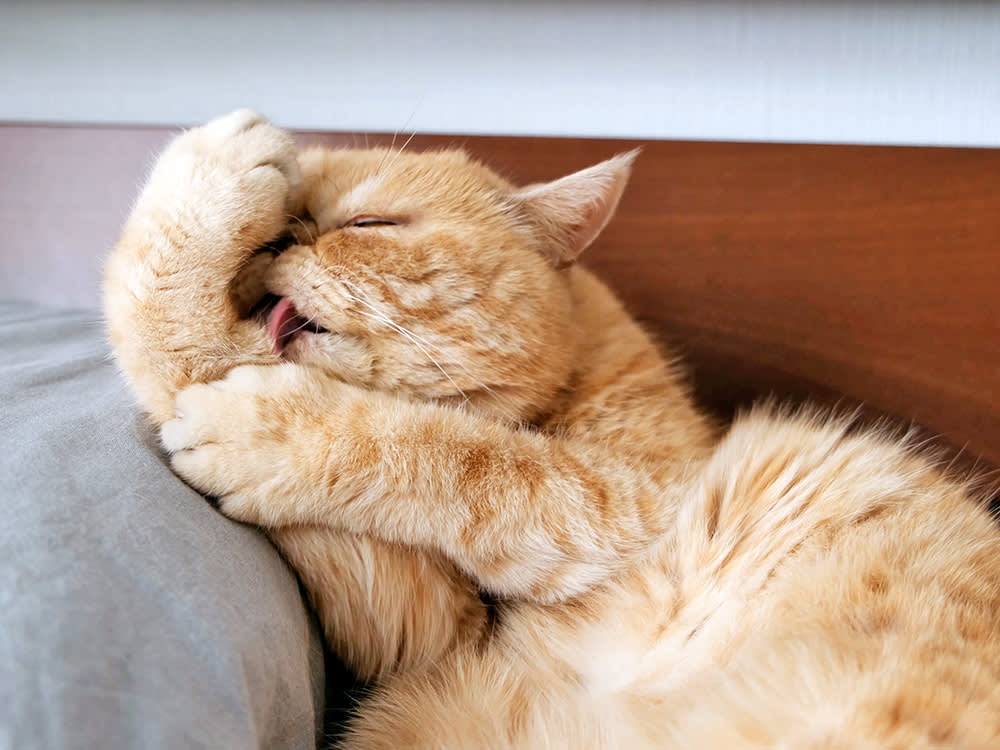
Have you ever watched your cat carefully licking its leg and wondered why they do it so often? You might think it’s just a simple habit, but there’s more to this behavior than meets the eye.
Understanding why your cat grooms itself by licking its leg can help you learn about their health, comfort, and even emotions. Keep reading, because what you discover might change the way you see your furry friend’s daily routine.
Why Cats Lick Their Legs
Have you ever caught your cat licking its leg and wondered why it spends so much time on this particular spot? Cats are meticulous groomers, and the act of licking their legs serves several important purposes. Understanding these reasons can help you appreciate your cat’s behavior and even spot when something might be off with their health.
Cleaning And Hygiene
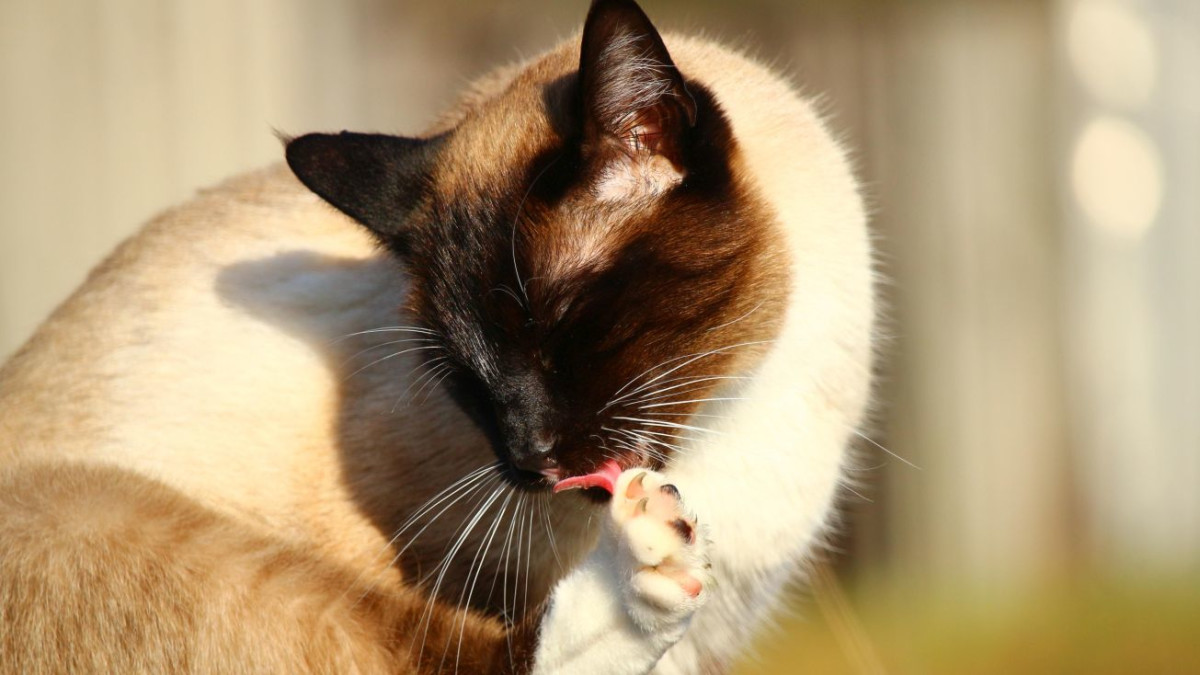
Cats lick their legs to clean hard-to-reach areas. Their legs act like natural grooming tools, helping to remove dirt, loose fur, and debris from their bodies. This keeps their coat shiny and prevents skin problems that could arise from dirt or parasites.
Next time you see your cat focusing on its legs, remember it’s not just about looking good—it’s about staying healthy. A clean coat helps protect your cat from infections and irritations.
Cooling Mechanism
Did you know that licking their legs also helps cats cool down? When your cat licks its fur, the saliva evaporates, creating a cooling effect similar to how we sweat. This is especially helpful on hot days or after a burst of activity.
If your home feels warm, watch your cat’s grooming habits—they might increase leg licking to regulate their body temperature. It’s a natural and effective way for cats to keep comfortable without panting.
Scent Distribution
Cats have scent glands on their legs and paws. Licking their legs helps spread their unique scent over their fur, marking territory and communicating with other cats. This scent distribution plays a subtle but important role in their social behavior.
Ever notice your cat rubbing its legs against furniture after licking? That’s them reinforcing their scent in their environment. Understanding this can help you see grooming as more than just cleanliness—it’s part of how your cat interacts with the world around them.
Credit: pethelpful.com
How Grooming Benefits Cat Health
Grooming is more than just a cleaning routine for cats; it plays a crucial role in their overall health. When your cat licks its leg, it triggers several benefits that keep its body in top shape. Understanding these benefits can help you appreciate why grooming is so vital to your feline friend.
Skin Stimulation
Licking stimulates blood flow to the skin, which helps keep it healthy and resilient. This increased circulation can promote faster healing of minor wounds or irritations. Have you noticed your cat focusing on a particular spot? That’s often their way of encouraging skin repair.
Fur Maintenance
Grooming removes loose hairs and dirt, preventing mats and tangles that can cause discomfort. It also distributes natural oils evenly across the coat, giving it a shiny, smooth appearance. Next time your cat looks so sleek and soft, remember that their grooming habit is the secret behind that coat.
Parasite Control
By licking their fur, cats can detect and remove fleas, ticks, and other parasites early. This self-cleaning action reduces the chance of infections and skin problems. If you spot your cat scratching a lot, could it be a sign that their grooming isn’t enough, and they might need extra help?
Behavioral Reasons Behind Leg Licking
Cats grooming themselves by licking their legs is more than just a cleaning habit. This behavior also reflects their emotional and psychological state. Understanding why your cat focuses on their legs can give you insight into their well-being and feelings.
Stress Relief
Licking their legs can help cats calm down when they feel anxious or stressed. The repetitive motion releases endorphins, which act like natural mood lifters. Have you noticed your cat licking more during loud noises or changes in the environment? This behavior might be their way of coping.
Comfort And Relaxation
Besides cleaning, leg licking often serves as a self-soothing action. When your cat lies down and gently licks their legs, it signals they are comfortable and relaxed. This small ritual can help them wind down after active play or a busy day.
Territorial Marking
Cats have scent glands on their paws, and licking their legs spreads their unique scent. This action subtly marks their territory and reassures them that their environment is familiar and safe. Next time you see your cat licking their legs, consider it a quiet claim to their space.

Credit: basepaws.com
When Leg Licking Becomes A Problem
Cats often lick their legs to clean themselves, but excessive licking can signal stress or skin problems. Watch for bald spots or sores, which may need a vet’s attention.
Cats are known for their meticulous grooming habits, often spending hours licking themselves clean. However, when a cat starts to obsessively lick its legs, it can be a sign of an underlying issue. This behavior, while often overlooked, might be a signal that something is amiss with your feline friend. Understanding when leg licking turns problematic can help you ensure your cat’s health and well-being.Excessive Grooming Signs
Noticing your cat grooming its legs more than usual? Excessive grooming can lead to bald patches, redness, and even sores on your cat’s skin. Pay attention to other changes like increased shedding or unusual hair loss patterns. Observe your cat’s grooming routine closely. Is it spending more time on its legs than usual? Consistent over-grooming might be your cat’s way of telling you it needs help.Possible Underlying Health Issues
Sometimes, excessive leg licking can indicate a health issue. Allergies, skin infections, or even parasites might be the culprits. A visit to the vet can help diagnose any underlying medical conditions. Have you noticed any other symptoms such as limping or swelling? These could be additional clues pointing to a health problem that requires attention.Behavioral Disorders
In some cases, leg licking might stem from behavioral issues. Cats can develop obsessive-compulsive behaviors due to stress, anxiety, or boredom. Identifying stressors in your cat’s environment can be crucial. Is your cat feeling stressed by changes in the household? Introducing new toys or providing a more stimulating environment might help in reducing anxiety-related grooming. When your cat’s grooming habits change, it’s essential to listen to what they might be trying to tell you. By recognizing these signs early, you can take proactive steps to ensure your cat remains happy and healthy.Tips To Support Healthy Grooming
Supporting your cat’s grooming habits is essential for their overall health and happiness. Cats use licking to clean themselves, but you can help maintain this routine by creating the right conditions. Paying attention to their health, environment, and diet makes a big difference in how effectively they groom.
Regular Vet Checkups
Regular visits to the vet help catch issues that might stop your cat from grooming properly. Skin problems, dental pain, or arthritis can make licking uncomfortable. Have your vet check your cat’s coat and skin during each visit to spot any hidden problems early.
Think about how a small injury could make your cat avoid licking certain areas. By addressing those issues quickly, you keep their grooming routine smooth and pain-free.
Environmental Enrichment
Cats groom not only to stay clean but also to relax and reduce stress. A dull environment can lead to over-grooming or neglect of grooming. Add toys, scratching posts, and cozy resting spots to keep your cat entertained and calm.
Have you noticed if your cat grooms more when they seem bored or anxious? Providing mental and physical stimulation helps balance their grooming behavior and keeps their coat in top shape.
Proper Nutrition
The quality of your cat’s diet directly affects their skin and fur health. Omega-3 fatty acids, vitamins, and proteins play a key role in maintaining a shiny, healthy coat. Choose food that supports skin hydration and fur strength.
If you’ve ever seen a cat with dull fur or flaky skin, you know how much diet impacts grooming. Feeding your cat well ensures their licking keeps them clean and comfortable rather than a sign of discomfort or deficiency.
Common Myths About Cat Grooming
Many people have strong opinions about why cats groom themselves, especially when they lick their legs. These beliefs often mix facts with fiction, leading to misunderstandings about your feline friend’s behavior. Let’s clear up some common myths that might make you worry unnecessarily or misread what your cat is really trying to communicate.
Cats Groom Only For Cleanliness
It’s easy to think cats groom just to stay clean, but their leg licking serves more purposes. Grooming helps regulate body temperature and reduce stress. Have you noticed your cat licking more after playing or when they seem anxious? This shows grooming is part of their emotional balance, not just hygiene.
Leg Licking Means Illness
Seeing your cat lick their leg frequently might raise alarm bells, but it doesn’t always signal illness. Cats often lick to soothe minor irritations or to remove loose fur. Of course, if the licking becomes obsessive or your cat develops sores, then a vet visit is wise. Otherwise, it’s usually normal self-care behavior.
Humans Should Intervene Often
You might feel the urge to step in and clean your cat or stop them from licking, but too much interference can stress them out. Cats know their bodies best and grooming is their way to feel comfortable. Instead of jumping in, observe and make sure their environment is calm and clean. When in doubt, gentle encouragement rather than force works best.

Credit: www.shutterstock.com
Frequently Asked Questions
Why Do Cats Lick Their Legs When Grooming?
Cats lick their legs to clean hard-to-reach areas. This helps remove dirt, loose fur, and parasites. It also spreads natural oils, keeping their coat healthy and shiny. Leg licking is a vital part of a cat’s grooming routine for hygiene and comfort.
How Often Do Cats Groom By Licking Their Legs?
Cats groom their legs multiple times daily. Regular grooming keeps their fur clean and tangle-free. This behavior also helps regulate body temperature and reduce stress. Frequent leg licking is normal and indicates a healthy grooming habit.
Can Excessive Leg Licking Indicate Health Problems?
Yes, excessive leg licking may signal issues. It can be caused by allergies, skin infections, or parasites. Stress and anxiety might also trigger over-grooming. If licking is intense or causes hair loss, consult a veterinarian promptly.
Do Kittens Groom Their Legs Like Adult Cats?
Kittens start grooming their legs as they grow. Initially, mother cats clean them, but kittens learn self-grooming by observing. By six weeks, kittens regularly lick their legs to maintain cleanliness and develop healthy grooming habits.
Conclusion
Cats lick their legs to stay clean and feel comfortable. This grooming helps remove dirt and loose fur. It also cools them down on warm days. Watching this behavior shows a healthy, happy cat. Remember, grooming is a natural habit for cats.
Pay attention if your cat licks too much or seems upset. That could mean a health issue. Otherwise, enjoy these small, soothing moments with your pet. Clean cats are usually content cats.

Leave a Reply