Have you ever noticed your dog or cat squirming or acting uneasy when it’s time for a butt grooming? You’re not alone.
Many pet owners wonder why their furry friends seem to dislike this particular grooming task so much. Understanding why your pet feels uncomfortable during butt grooming can help you make the process smoother and less stressful for both of you.
You’ll discover the surprising reasons behind this common pet behavior and learn simple tips to keep your pet calm and happy during grooming sessions. Keep reading to make grooming a better experience for your beloved companion.
Dogs And Cats: Natural Grooming Habits
Dogs and cats have unique ways to keep themselves clean. Their natural grooming habits are key to their comfort and health. Understanding these habits helps explain why many pets dislike human attempts to groom sensitive areas, like their rear ends.
Self-grooming Instincts
Both dogs and cats spend a lot of time grooming themselves. Cats lick their fur to remove dirt and loose hair. Dogs use their tongues and paws to clean hard-to-reach spots. This self-care is calming and controls odors.
Pets feel in control during self-grooming. It is a private and instinctive activity. Having someone else groom their rear disrupts this natural routine. It can make them feel vulnerable or stressed.
Social Grooming Among Pets
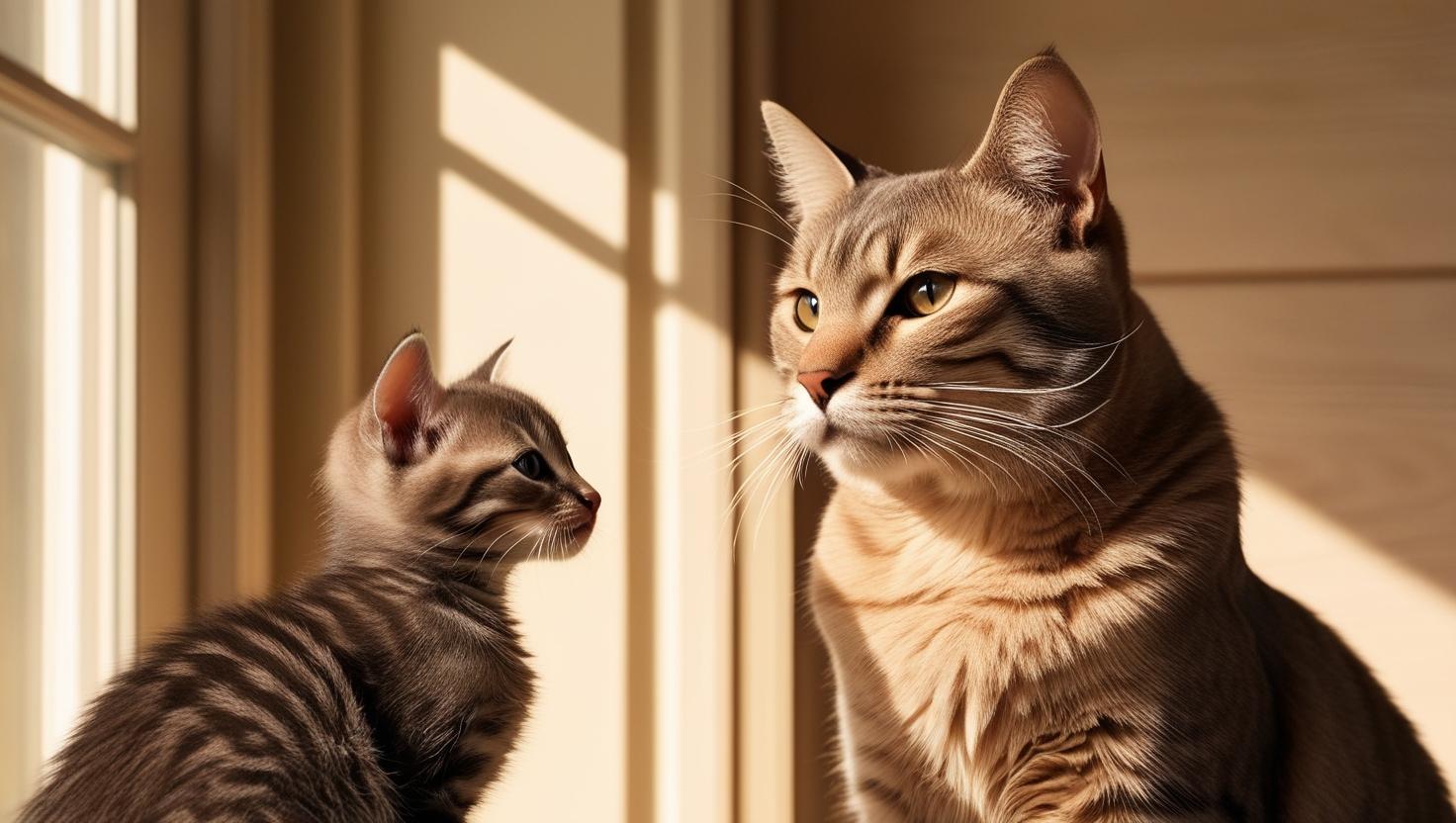
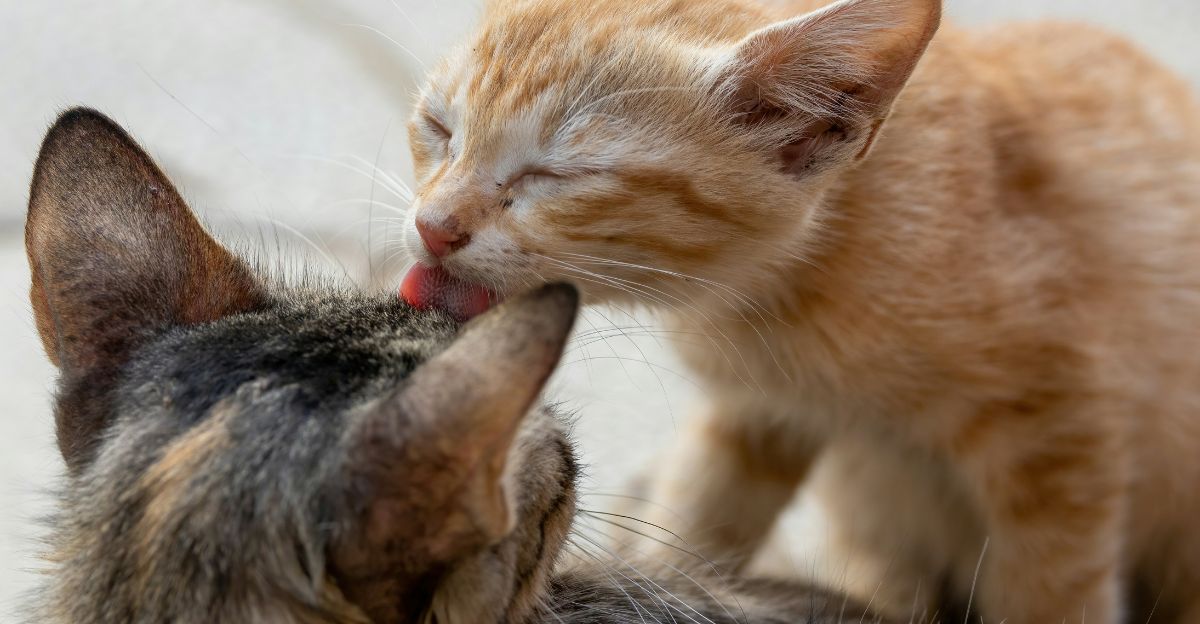
Animals also groom each other in social settings. Cats often lick each other’s faces and heads. Dogs may nibble or lick a friend’s ears or neck. This behavior builds trust and bonds between them.
Social grooming rarely involves the rear area. Pets usually avoid touching sensitive spots on others. A human grooming a pet’s rear can feel unnatural and uncomfortable. Pets may react by moving away or showing signs of stress.

Credit: medium.com
Why Butt Grooming Feels Uncomfortable
Butt grooming is a task many pet owners face, yet it often meets resistance from dogs and cats. The discomfort they feel isn’t just about being handled in a sensitive area—it’s tied deeply to how their bodies and minds react. Understanding why this grooming feels so uncomfortable can help you approach it with more patience and care.
Sensitive Nerve Endings
The area around a pet’s rear is packed with sensitive nerve endings. These nerves are designed to detect even the slightest touch or pressure, making any grooming there feel intense or ticklish. Imagine someone poking you repeatedly in a very sensitive spot—your natural reaction would be to pull away.
This sensitivity is crucial for your pet’s body awareness and health. It helps them respond quickly to threats or discomfort in that region, but it also means grooming here can trigger an uncomfortable or defensive reaction.
Fear Of Vulnerability
Pets instinctively protect their most vulnerable parts, and their rear end is no exception. When you try to groom this area, your dog or cat might feel exposed and defenseless. This can spark a fear response, making them squirm or even snap to protect themselves.
You might notice your pet stiffening or trying to escape during butt grooming. This behavior is not about being difficult; it’s a survival instinct kicking in. How can you make them feel safer and more in control during these moments?
Common Reactions To Butt Grooming
Butt grooming is a sensitive topic for pets. Dogs and cats often react strongly. Owners notice various behaviors during these grooming sessions. Understanding these reactions helps manage pet care better.
Avoidance And Resistance
Dogs and cats may try to escape during grooming. They instinctively avoid uncomfortable situations. Some pets become elusive, hiding in hard-to-reach places. Resistance is another common reaction. They might squirm, wiggle, or push away with their paws. Such behaviors indicate their displeasure with the process.
Signs Of Stress And Discomfort
Pets show stress through body language. Flattened ears, wide eyes, or tucked tails are signs. They might vocalize discomfort by whining or growling. Heavy panting in dogs can also indicate stress. Cats may hiss or yowl. Recognizing these signs helps owners approach grooming with care.
Credit: pethelpful.com
Health Risks And Considerations
Grooming a pet’s rear area carries specific health risks that owners must consider. This sensitive area has delicate skin and vital parts that need gentle care. Poor grooming techniques or frequent trimming can lead to discomfort and potential health issues for dogs and cats.
Potential For Injury
The skin around the buttocks is thin and easily damaged. Using scissors or clippers without care can cause cuts or nicks. Pets often move suddenly during grooming, increasing the risk of accidental injury. Even minor wounds here can become painful and slow to heal.
Pets may also become stressed and try to escape, raising the chance of accidental harm. Injuries in this area can lead to bleeding or infection if not treated promptly. It is essential to use the right tools and be very gentle.
Hygiene And Infection Concerns
The rear area is prone to bacterial growth due to waste residue and moisture. Improper cleaning or grooming can spread bacteria and cause infections. Pets with longer hair may trap dirt and feces, increasing the risk of skin irritation.
Regular but careful grooming helps maintain cleanliness and prevents matting. Over-grooming or harsh cleaning products may irritate the skin and disrupt natural oils. This can lead to redness, itching, and possible infection.
Tips For Gentle And Safe Grooming
Grooming your pet’s sensitive areas requires a gentle approach to keep them comfortable and stress-free. Pets often dislike butt grooming because it’s an especially tender spot, so handling it with care is essential. These tips will help you make the experience safe and calm for your dog or cat.
Preparing Your Pet
Start by creating a calm environment. Speak softly and offer treats to build trust before touching sensitive areas.
Gently pet your dog or cat around the back end without immediately grooming. This helps them get used to your hands there.
Watch for signs of discomfort like tail twitching or moving away. If your pet is tense, pause and try again later.
Using The Right Tools
Choose grooming tools designed for delicate areas, such as soft-bristle brushes or rounded scissors. Avoid anything sharp or harsh near the skin.
Consider using grooming wipes or water-based sprays to clean instead of shaving or clipping, which can cause irritation.
Keep tools clean and sharp. Dull blades can tug fur and hurt your pet, making future grooming even harder.
When To Seek Professional Help
Some pets simply won’t tolerate butt grooming at home. If your pet becomes aggressive or overly stressed, a professional groomer can help safely.
Veterinarians can also assist if your pet has matted fur, skin infections, or other health issues that make grooming painful.
Don’t hesitate to ask for advice on the best grooming routine for your pet’s specific needs. Your vet or groomer can offer personalized tips and techniques.
Credit: rockykanaka.com
Alternatives To Butt Grooming
Many pet owners hesitate with butt grooming because it can be uncomfortable or stressful for dogs and cats. Luckily, there are gentler alternatives that keep your pet clean and happy without causing distress. These approaches focus on maintaining hygiene through simple, regular care and attention to your pet’s overall health.
Regular Cleaning Routines
Keeping your pet’s rear clean doesn’t always mean trimming or shaving. You can use gentle wipes designed for pets to clean this sensitive area daily or after outdoor play. This small habit prevents buildup and reduces odor without causing anxiety.
Bath time is another opportunity to maintain cleanliness. Use pet-safe shampoos that soothe the skin and rinse thoroughly to avoid irritation. By making grooming a calm, positive experience, you help your pet stay comfortable and relaxed.
- Use unscented, hypoallergenic pet wipes.
- Wipe gently after meals or walks.
- Schedule regular baths with mild shampoo.
- Reward your pet with treats to build good associations.
Diet And Health Management
Your pet’s diet plays a crucial role in keeping their rear area clean naturally. Foods rich in fiber help regulate bowel movements, making stools firmer and less messy. Have you noticed how certain diets reduce the need for extra grooming?
Regular vet check-ups can catch health issues that cause excessive dirt or discharge. Parasites or infections might lead to discomfort and mess, so addressing these early keeps your pet healthier and cleaner. Monitoring your pet’s health is as important as any grooming routine.
- Choose high-quality, fiber-rich food.
- Keep fresh water available at all times.
- Schedule regular veterinary visits.
- Watch for signs of digestive or skin problems.
Frequently Asked Questions
Why Do Dogs Dislike Butt Grooming?
Dogs feel vulnerable during butt grooming. The sensitive area makes them anxious and uncomfortable. This reaction is natural and common.
Why Are Cats Scared Of Butt Grooming?
Cats perceive butt grooming as invasive. Their sensitive tail base triggers stress and fear. They prefer minimal handling in this area.
Can Butt Grooming Cause Pain To Pets?
Improper grooming can irritate or hurt the skin. Pets may experience discomfort or small cuts. Gentle and careful grooming is essential.
How To Make Pets Comfortable During Butt Grooming?
Use calm tones and gentle strokes. Introduce grooming slowly and reward pets with treats. Patience helps reduce their stress and fear.
Conclusion
Dogs and cats feel vulnerable during butt grooming. This area is sensitive and close to their nerves. They may feel uncomfortable or scared. Trust and patience help them relax. Gentle handling and slow movements ease their stress. Respecting their feelings builds a stronger bond.
Understanding their dislike helps keep grooming safe. Remember, pets have their own comfort zones. Taking time and care makes grooming better for both. Keep your pet calm and happy through kindness.

Leave a Reply