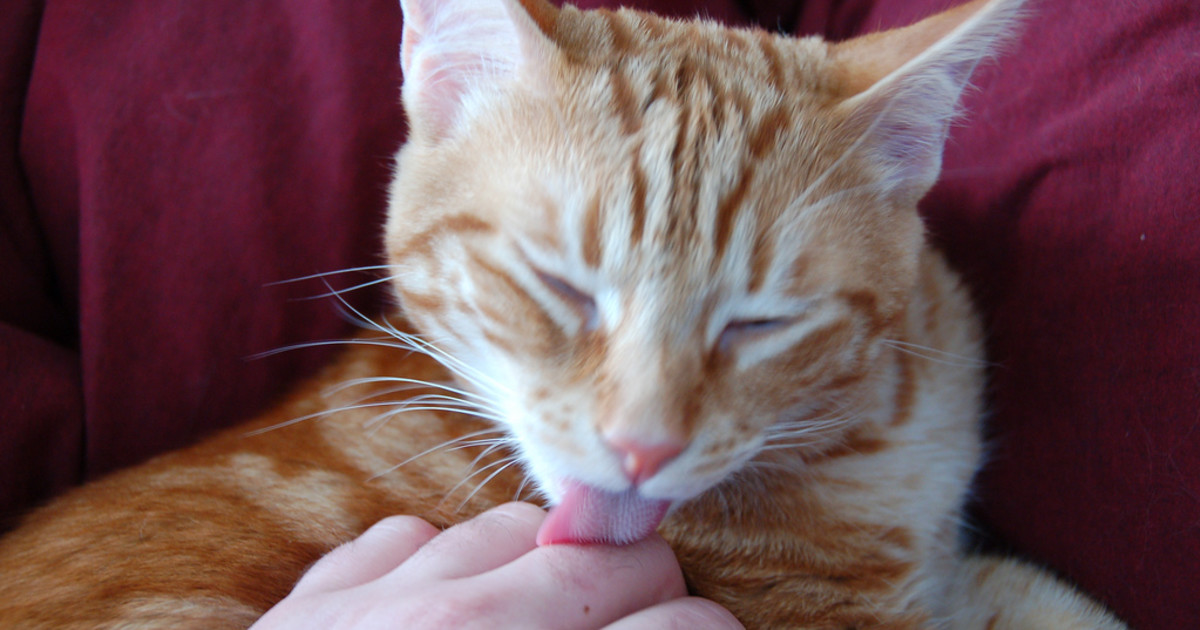
Have you ever noticed your playful kitten trying to groom your older cats? It might seem curious or even confusing at first.
But there’s more to this behavior than just a cute moment. Understanding why your kitten does this can help you connect better with your furry friends and keep your home peaceful. You’ll discover the surprising reasons behind your kitten’s grooming habits and what it means for your cats’ relationship.
Keep reading—you’ll be amazed at what this simple act reveals about your pets!
Credit: www.purina.com
Kitten Grooming Behavior
Kittens often groom older cats as part of their natural behavior. Grooming is more than cleaning. It shows feelings and helps build relationships.
This behavior starts early in kittens. It helps them learn how to interact with other cats. Grooming also comforts both the kitten and the older cat.
Instincts Behind Grooming
Grooming comes from a kitten’s natural instincts. It helps them stay clean and healthy. Kittens copy their mother’s grooming habits.
This instinct helps kittens feel safe and calm. Grooming also teaches them important social skills. It is a way to explore their environment.
Social Bonding Through Grooming
Grooming is a way cats build trust and friendship. Kittens groom older cats to show respect. It helps create a strong bond between them.
Older cats often accept grooming as a sign of care. This creates a peaceful and friendly home. Grooming also reduces stress for both cats.
Older Cats’ Role In Grooming
Older cats play a crucial role when it comes to grooming behavior in a multi-cat household. They often set the tone for social interactions and help kittens learn appropriate behavior. Understanding how older cats respond to grooming attempts from kittens can give you insight into your pets’ relationship dynamics.
Tolerance And Response
Older cats usually show varying levels of tolerance when a kitten tries to groom them. Some may patiently allow the kitten to lick their fur, while others might gently bat the kitten away. Observing these reactions helps you understand the boundaries older cats set and how they communicate their comfort level.
Have you noticed your older cat closing their eyes or purring during grooming attempts? These are signs they accept the kitten’s gestures, strengthening their bond. On the other hand, if your older cat snaps or walks away, it’s a clear message to the kitten to back off.
Teaching Social Skills
Older cats act as teachers for kittens, guiding them on how to behave socially. By either accepting or rejecting grooming, they teach kittens respect for personal space. This helps kittens develop important social skills they will use throughout their lives.
Imagine your kitten learning to slow down or stop grooming when the older cat shows discomfort. This lesson comes directly from the older cat’s response and is crucial for peaceful coexistence. Your role is to watch these interactions and step in only if the kitten becomes too persistent or the older cat gets stressed.
Surprising Reasons For Kitten Grooming
Kittens groom older cats to learn social skills and build bonds. This behavior shows trust and helps them feel safe around others. Grooming also teaches kittens about cleanliness and group living.
Grooming is a natural behavior in cats, but when your kitten starts grooming older cats, it can seem puzzling. You might wonder why your tiny furball is so keen on grooming their senior feline friends. The reasons behind this behavior are both surprising and insightful. Let’s explore some of them!Seeking Comfort And Security
Kittens often look to older cats for comfort and security. By grooming them, they are seeking reassurance and building a bond. This behavior can be compared to a child holding a parent’s hand in a crowded place. When my kitten, Luna, first met our older cat, Max, she would often groom him. It was her way of finding solace in a new environment. Does your kitten also turn to older cats for comfort?Establishing Hierarchy
Grooming can be a way for kittens to establish their place in the social hierarchy. By engaging in this behavior, they show submission and respect towards the older cat. This can help maintain peace in multi-cat households. In our home, Luna’s grooming sessions with Max have helped create a harmonious relationship. It’s fascinating to see how such a simple act can define social dynamics. Have you noticed similar interactions in your feline family?Learning From Experience
Kittens are like little sponges, soaking up information from their surroundings. Observing and grooming older cats allows them to learn important life skills. They watch how older cats groom themselves and others, picking up techniques and routines. Through grooming Max, Luna learned the importance of self-care and hygiene. It’s a vital lesson for any growing kitten. Are your kittens also learning from their older companions?
Credit: www.reddit.com
When Grooming Becomes Excessive
When your kitten grooms older cats, it’s usually a sign of affection and bonding. But sometimes, this behavior can become excessive and cause discomfort to the older cats or signal underlying issues. Understanding when grooming crosses the line helps you protect your pets’ wellbeing and maintain harmony in your home.
Signs To Watch For
Excessive grooming can look like repeated licking or nibbling that doesn’t stop even when the older cat moves away. You might notice bald patches or irritated skin on the older cat, which means the grooming has become too harsh. Pay attention if the older cat seems stressed, tries to escape, or hides more often after grooming sessions.
Another sign is if your kitten focuses on one spot repeatedly, causing redness or scabs. This behavior isn’t just about cleanliness anymore; it may indicate anxiety or a health problem. Have you seen your older cat flinching or vocalizing during grooming? That’s a clear signal the behavior is no longer gentle.
Possible Stress Factors
Excessive grooming often points to stress in your kitten. Changes in the household, like new pets or moving furniture, can unsettle them. Sometimes, a lack of playtime or attention leads kittens to groom obsessively as a coping mechanism.
Health issues can also play a role. Skin conditions or parasites might make a kitten lick more to soothe irritation. Consider your kitten’s routine: Are they getting enough exercise and mental stimulation? Stress isn’t always obvious but can significantly affect behavior.
Have you noticed your kitten grooming older cats more after a stressful event? Identifying these triggers can help you intervene early and provide comfort to both your kitten and the older cat.
Encouraging Positive Interaction
Encouraging positive interaction between your kitten and older cats is key to building a harmonious household. When your kitten tries to groom older cats, it’s a sign of their desire to connect and learn social cues. Helping this behavior grow in a positive way can reduce stress for all your pets and strengthen their bond.
Creating A Safe Environment
Your kitten needs a space where they feel secure to approach and interact with older cats. Make sure there are plenty of hiding spots and high perches for all cats to retreat to if they feel overwhelmed. This allows your kitten to explore social grooming without fear of being cornered or chased.
Observe their interactions closely at first. If you see signs of tension, gently intervene and separate them for a while. This helps prevent negative experiences that could discourage your kitten from trying to groom again.
Promoting Healthy Socialization
Encourage your kitten to continue grooming older cats by rewarding calm and gentle behavior. Use treats or soft praise when you see positive interactions. This reinforces the idea that grooming is a friendly and welcome action.
Try to schedule quiet times when all cats are relaxed to allow grooming attempts. Overstimulated or hungry cats may react poorly. Have you noticed your kitten’s favorite times for grooming? Aligning with these moments can boost successful socialization.
)
Credit: www.northroadvet.com.au
Frequently Asked Questions
Why Does My Kitten Groom Older Cats?
Kittens groom older cats to show affection and build bonds. It also helps them learn social behaviors and feel secure in their environment.
Is Kitten Grooming A Sign Of Respect?
Yes, grooming older cats shows respect and submission. It helps establish harmony and a positive relationship within the cat family.
Can Kitten Grooming Strengthen Cat Relationships?
Absolutely. Grooming strengthens trust and friendship among cats. It reduces stress and promotes peaceful coexistence in multi-cat homes.
Does Grooming Help Kittens Learn Social Skills?
Yes, grooming teaches kittens important social cues. It helps them understand boundaries and communicate effectively with other cats.
Conclusion
Kittens groom older cats to learn and bond with them. It shows trust and helps build their relationship. Grooming also teaches kittens important social skills. Older cats often accept this behavior, making the group peaceful. Watching these moments helps you understand your cats better.
Remember, this natural act brings comfort and connection. Enjoy the sweet interactions between your pets every day.

Leave a Reply