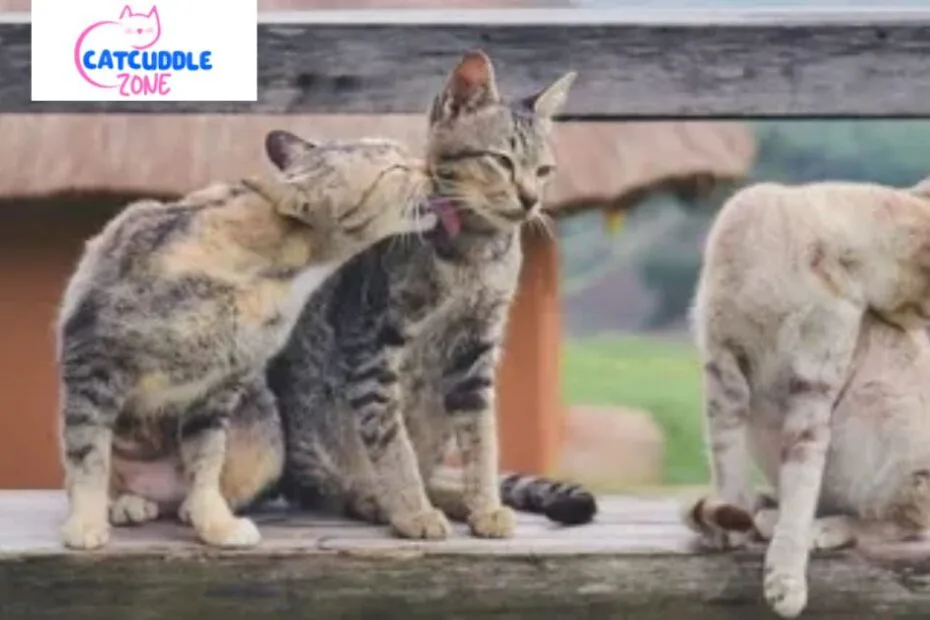
Have you ever wondered why your cats don’t groom each other like you see in videos or pictures? It can feel confusing or even a little concerning when your furry friends don’t show this kind of bonding behavior.
Understanding why your cats skip this grooming ritual can give you a clearer picture of their relationship and help you create a happier home for them. Keep reading to discover the surprising reasons behind this behavior and what it means for your cats’ comfort and connection.
Social Grooming In Cats
Cats are known for their self-cleaning habits. But some cats also groom each other. This behavior is called social grooming. It builds bonds and keeps them close. Not all cats do it, though. Understanding social grooming helps explain why some cats skip this behavior.
What Is Allogrooming
Allogrooming means cats grooming each other. It usually happens between cats that trust each other. Cats lick each other’s fur to clean hard-to-reach spots. This behavior is common among cats from the same family or group. It helps them stay clean and comfortable.
Benefits Of Grooming Each Other
- Strengthens social bonds between cats.
- Reduces stress and tension in the group.
- Helps remove dirt and loose fur.
- Promotes a sense of security and trust.
- Encourages peaceful coexistence among cats.
Factors Affecting Grooming Behavior
Understanding why your cats might not groom each other involves looking at several key factors. Grooming behavior isn’t just about cleanliness; it reflects their social dynamics and health. Let’s break down what influences whether cats engage in mutual grooming or prefer to keep their routines separate.
Individual Personality Differences
Just like people, cats have unique personalities that shape how they interact. Some cats are naturally more social and affectionate, eager to groom their companions. Others may be independent or shy, avoiding close contact even with familiar cats.
Have you noticed how one cat in your home might seek out attention while another stays aloof? This difference often explains why some cats don’t groom each other. Respecting their individual boundaries can help you better understand their behavior.
Age And Health Influences
Age plays a big role in grooming habits. Younger cats tend to be more playful and active in grooming, while older cats might slow down or lose interest. Health issues like arthritis or dental problems can also make grooming uncomfortable or difficult.
If your older cat suddenly stops grooming others, check for signs of pain or illness. Sometimes, a vet visit can reveal underlying problems that affect their willingness to groom or be groomed.
Relationship Between Cats
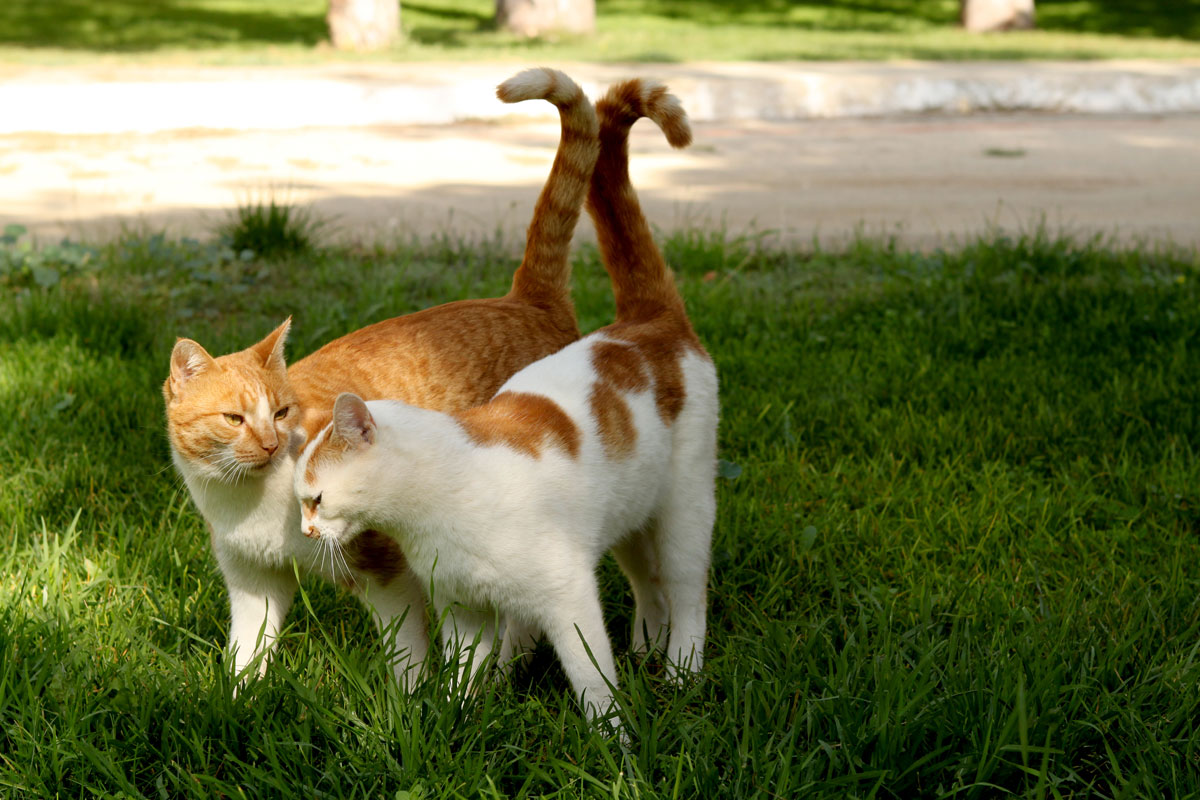
The bond between cats strongly affects grooming behavior. Cats that share a close, trusting relationship are more likely to groom each other. But tension, competition, or lack of familiarity can stop this behavior.
Think about how your cats interact daily—do they play together, share sleeping spots, or avoid each other? These clues tell you how strong their connection is. Encouraging positive interactions can sometimes help them build the trust needed for mutual grooming.
Environmental And External Influences
Cats often groom each other to bond and share affection. Yet, not all cats engage in this behavior. Environmental and external influences play a significant role in determining whether cats groom each other or not. Several factors can disrupt this bonding ritual, impacting their grooming habits.
Stress And Anxiety Effects
Cats are sensitive creatures. Stress and anxiety can affect their behavior, including grooming. Changes in their environment can increase stress levels. A new family member or loud noises may cause anxiety. Stressed cats might avoid grooming each other, as they focus on self-soothing instead.
Living Space And Privacy
The size and layout of a cat’s living space can impact grooming habits. Cats need personal space to feel comfortable and safe. In cramped living conditions, they might not groom each other. Providing ample space and privacy can encourage social grooming.
Presence Of Other Pets
Having other pets in the household can influence cat behavior. Cats may feel threatened or uneasy around unfamiliar animals. This tension can deter them from grooming each other. Ensuring that cats feel secure around other pets can help improve their interactions.
Credit: www.companionanimalpsychology.com
When Grooming Is Less Common
Grooming between cats is a sign of friendship and trust. Yet, some cats rarely groom each other. Understanding when grooming is less common helps explain this behavior. Various factors affect whether cats engage in mutual grooming or not.
Cats That Live Alone
Cats living alone have no opportunity to groom others. They groom themselves to stay clean and comfortable. Without another cat nearby, social grooming does not happen. Solitary cats focus on self-care only.
New Introductions And Adjustment Period
New cats meeting each other need time to adjust. They may feel unsure or stressed. Grooming usually starts after cats feel safe together. During the adjustment period, grooming is often rare or absent.
Dominance And Hierarchy Issues
Some cats avoid grooming to keep their status. Grooming can show submission or friendship. Dominant cats may not groom others to assert control. Hierarchy in cat groups affects grooming habits strongly.
Encouraging Mutual Grooming
Encouraging mutual grooming between cats helps build trust and friendship. Cats groom each other to show care and strengthen bonds. Some cats may not groom each other naturally, but owners can help encourage this behavior. Creating positive experiences and a safe space makes cats more likely to groom together.
Building Positive Interactions
Start by observing how your cats behave around each other. Reward calm and friendly behavior with treats or gentle petting. Avoid forcing interactions, as this may cause stress. Use soft voices and slow movements to keep cats relaxed. Positive moments between cats increase their comfort and willingness to groom.
Creating A Comfortable Environment
Provide plenty of cozy resting spots near each other. Cats feel safer in quiet, low-traffic areas. Keep their food and water bowls separate but nearby. Maintain a clean litter box to reduce tension. A peaceful environment helps cats relax and lowers anxiety, making grooming more likely.
Using Play And Bonding Activities
Engage cats in gentle play sessions together. Use toys that encourage shared attention, like feather wands or laser pointers. Play reduces stress and builds positive feelings. After play, offer soft petting to encourage closeness. Bonding activities create trust and may inspire mutual grooming over time.

Credit: www.companionanimalpsychology.com
Credit: catcuddlezone.com
Frequently Asked Questions
Why Don’t My Cats Groom Each Other Often?
Cats may not groom each other due to personality differences, stress, or lack of bonding. Some cats prefer self-grooming or have learned to keep distance. Grooming reflects social hierarchy, so cats less bonded might avoid mutual grooming.
Can Lack Of Mutual Grooming Indicate Cat Health Issues?
Yes, lack of grooming can signal health problems like pain or skin conditions. Cats in discomfort may avoid grooming or being groomed. Regular vet checks help identify underlying issues affecting grooming behavior.
Does Age Affect Cats’ Grooming Habits With Each Other?
Older cats or kittens may groom less due to weakness or lack of social skills. Age impacts energy levels and social interaction, influencing grooming frequency. Younger cats tend to groom more as part of social bonding.
How Does Stress Affect Cats’ Grooming Between Each Other?
Stress or anxiety can reduce mutual grooming. Cats feeling threatened or insecure may avoid close contact. Creating a calm environment encourages social grooming and strengthens cat relationships.
Conclusion
Cats have different ways to show care and trust. Not all cats groom each other. Some prefer to groom themselves only. Differences in personality or past experiences matter. Grooming habits do not always mean dislike. Watching your cats’ behavior helps understand their bond.
Patience and respect for their space are key. Every cat is unique, with its own style. Accepting this can improve your cat’s happiness. Keep observing, and enjoy their special ways.


Leave a Reply