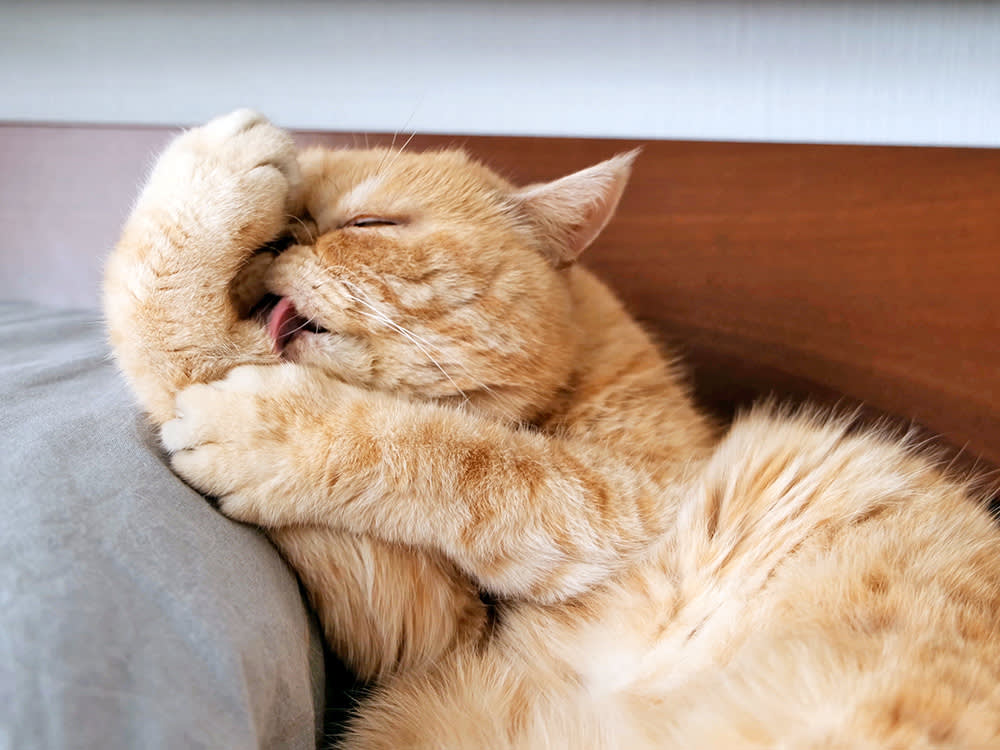
Have you ever watched your cat spend hours licking its fur and wondered why they groom so often? It might seem like just a quirky habit, but there’s a lot more behind this behavior than meets the eye.
Understanding why your cat grooms frequently can help you see your furry friend in a whole new light. You’ll discover the surprising reasons behind your cat’s grooming routine and learn how it affects their health and happiness. Keep reading to unlock the secrets of your cat’s self-care rituals!
Credit: www.pumpkin.care
Cats’ Grooming Habits
Cats are known for their impeccable cleanliness, and their grooming habits play a big role in keeping them that way. Grooming is more than just a way for cats to stay clean; it is a vital part of their daily life that affects their health and comfort. Understanding how and why cats groom can help you better care for your feline friend and notice any unusual changes early.
Daily Grooming Routine
Your cat likely spends a significant part of the day grooming itself. This routine involves licking their fur with their rough tongues, which helps remove dirt and loose hair. Grooming also spreads natural oils across their coat, keeping it shiny and waterproof.
Have you ever noticed your cat pausing between licks? These breaks help them cool down, as grooming can raise their body temperature. Cats adjust their grooming frequency depending on the weather, activity level, and even their mood.
Common Grooming Behaviors
- Licking:The most common behavior, used to clean fur and skin.
- Biting or nibbling:Helps remove mats or stubborn dirt.
- Scratching:Removes dead skin and stimulates blood flow.
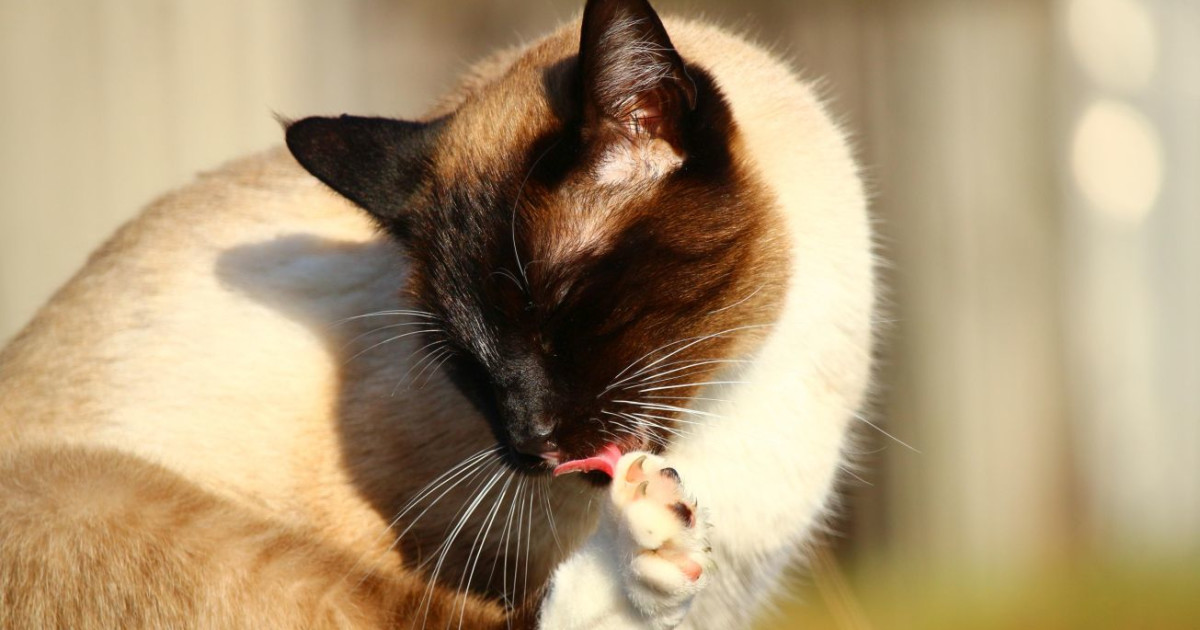
- Face washing:Cats often use their front paws to clean their face, which is harder to reach with the tongue alone.
- Tail grooming:Some cats spend extra time grooming their tails to keep them fluffy and tangle-free.
Have you ever wondered why your cat seems to groom even after a bath? This behavior helps them restore their natural scent and feel secure. Paying attention to these grooming habits can tell you a lot about your cat’s well-being and emotional state.
Credit: pethelpful.com
Health Benefits Of Grooming
Cats spend a significant amount of their day grooming, and it’s not just about looking good. Grooming plays a vital role in keeping your feline friend healthy. Understanding these health benefits can help you appreciate why your cat insists on licking and cleaning itself so often.
Skin And Fur Maintenance
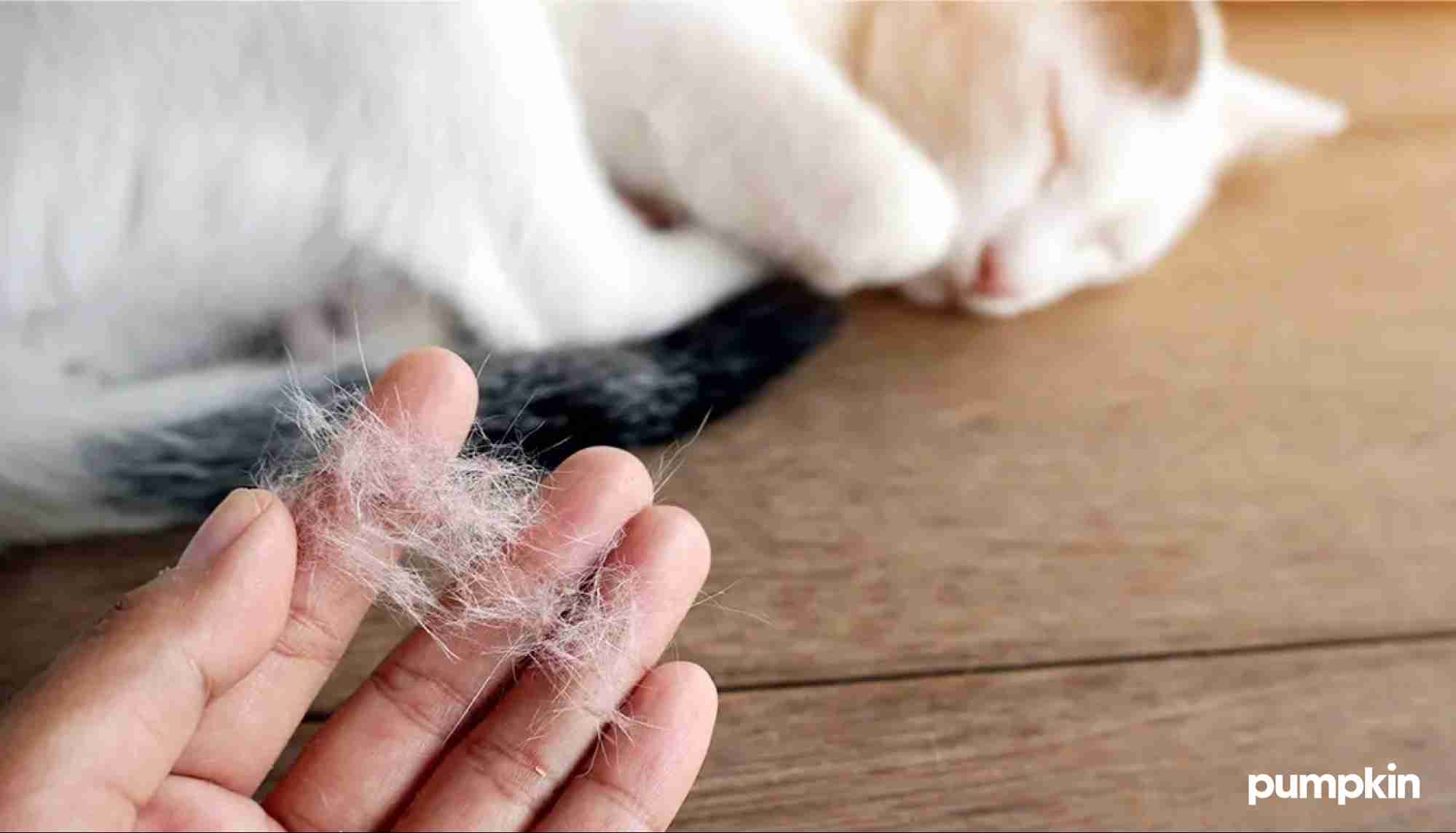
Grooming helps remove dirt, debris, and loose hair from your cat’s coat. This keeps their fur clean and reduces shedding around your home. If you watch closely, you’ll notice that grooming also spreads natural oils produced by the skin, which keeps the fur shiny and soft.
Have you ever felt how smooth your cat’s fur is right after they’ve been grooming? That natural oil layer also protects their skin from drying out and irritation. Without regular grooming, cats can develop mats or skin infections that are uncomfortable and sometimes harmful.
Temperature Regulation
Have you noticed your cat grooming more on hot days? Grooming helps cats regulate their body temperature. When they lick their fur, the saliva evaporates and cools them down, much like sweating in humans.
This simple act of grooming is an important way for cats to stay comfortable without panting. It’s especially crucial for indoor cats that don’t have access to outdoor shade or water sources.
Parasite Control
Grooming is your cat’s frontline defense against pesky parasites like fleas and ticks. By licking their fur, cats can remove or reduce the number of these unwanted guests. If you’ve ever seen your cat scratch or bite at certain spots, it’s often related to irritation from parasites.
Regular grooming also helps you spot these parasites early, so you can take action before they cause bigger problems. Have you checked your cat’s fur for tiny bugs or eggs lately? It might be easier than you think during their grooming sessions.
Emotional And Social Reasons
Cats groom to feel calm and safe, reducing stress and anxiety. Grooming also helps them bond with other cats and show affection.
Cats are fascinating creatures with a myriad of behaviors that often leave us intrigued, and one of the most captivating is their frequent grooming. While many might assume grooming is purely for hygiene, it also holds deep emotional and social significance. Understanding these reasons can offer you a deeper insight into your feline friend’s world.Stress Relief And Comfort
Grooming is a natural stress reliever for cats. Imagine yourself after a long day, relaxing in a warm bath; that’s what grooming does for your cat. The repetitive action of licking not only cleans their fur but also soothes them, lowering anxiety levels. When your cat is feeling a bit out of sorts, you might notice an uptick in their grooming habits. This self-care routine helps them regain a sense of control and comfort. It’s their personal way of coping with stress, much like how you might listen to calming music.Bonding With Other Cats
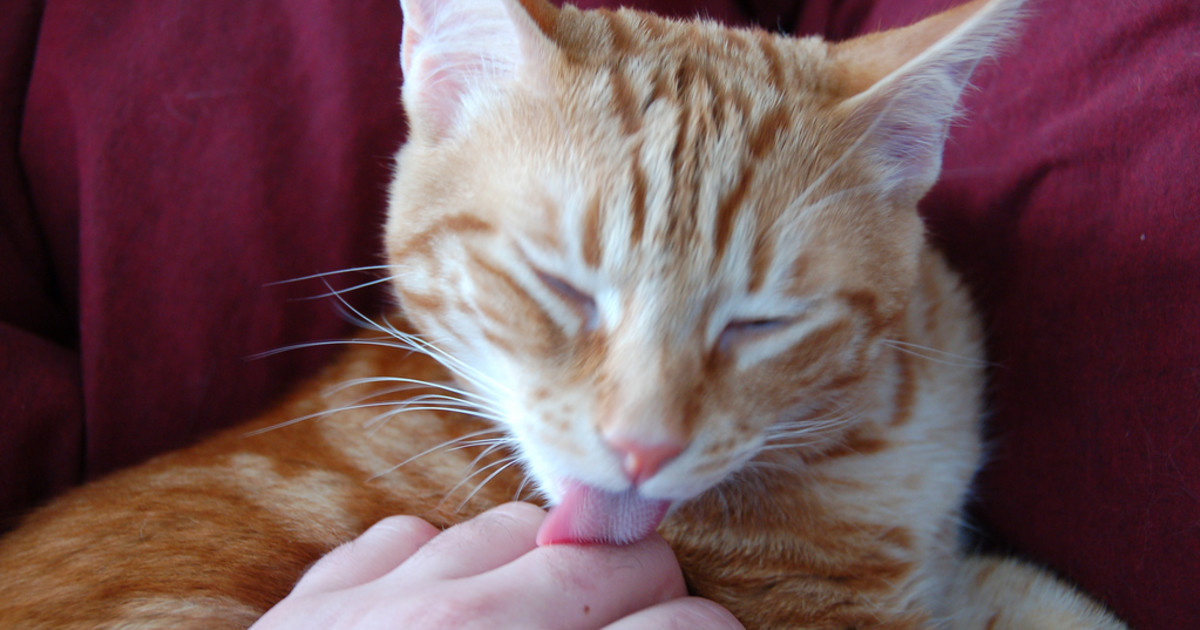
Cats aren’t as solitary as they are often portrayed. Grooming each other, known as allogrooming, is a vital social activity. It strengthens bonds between cats and establishes a sense of community within a household. When you see two cats grooming each other, it’s a sign of trust and affection. This behavior can be compared to how you might share a heartfelt conversation with a close friend. It’s a simple yet profound way for cats to show care and build relationships.Marking Territory
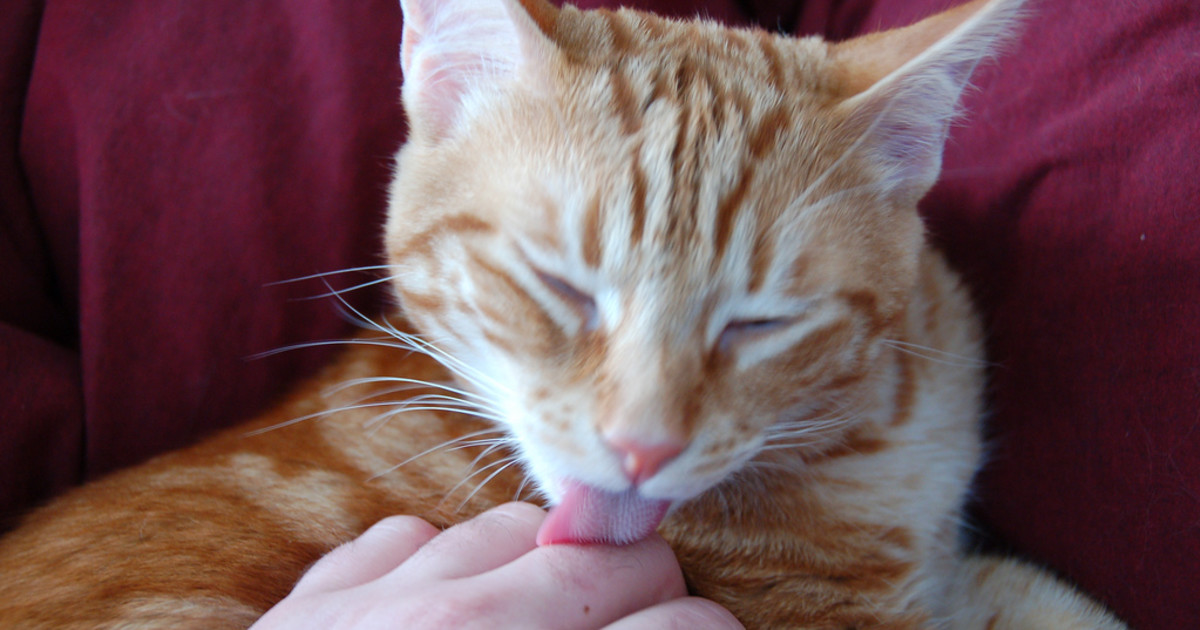
Cats have scent glands around their mouths, and grooming can also serve as a way to mark territory. When they groom themselves, or even you, they’re leaving a part of their scent. This isn’t just about claiming ownership; it’s about creating a familiar and safe environment. Have you ever wondered why your cat might start grooming after you’ve petted them? It might be their way of reassuring themselves that their scent remains dominant. This subtle act of marking ensures their space feels secure and comfortable. Understanding these emotional and social aspects of grooming can enhance your relationship with your cat. Next time you see your feline friend engaged in their grooming ritual, you’ll know it’s more than just about staying clean—it’s a window into their emotional world.Grooming And Communication
Cats groom not just to stay clean but also to communicate. Their grooming habits carry messages to other cats and even to you. Understanding this can change how you see your furry friend’s behavior.
Scent Transfer
When cats groom themselves or each other, they spread their unique scent. This scent is like a personal ID card, marking territory and signaling safety. You might notice your cat rubbing against your furniture or even you—this is them sharing their scent.
Have you ever felt more connected to your cat after they nuzzle or lick you? That’s scent transfer in action. It’s their way of saying you belong to their group. This scent sharing helps reduce stress and builds trust between cats and humans.
Nonverbal Signals
Grooming also sends silent messages. When cats lick each other, it shows friendship and trust. If your cat grooms you, it means they feel safe and bonded with you.
On the other hand, if a cat grooms obsessively or suddenly stops grooming, it might be a sign of stress or illness. Paying attention to these changes can help you respond to your cat’s emotional needs better.
Next time your cat spends time grooming near you, ask yourself: what is my cat trying to tell me through this quiet act?
When Grooming Becomes Excessive
Cats groom themselves to stay clean and healthy. But sometimes, grooming becomes too frequent. Excessive grooming can harm your cat’s skin and fur. It may signal an underlying problem. Understanding when grooming is too much helps protect your pet.
Potential Health Issues
Excessive grooming can cause skin wounds and hair loss. It may point to allergies, parasites, or infections. Cats with fleas often lick or bite their fur more. Dry skin or pain can also lead to over-grooming. Watch for redness, swelling, or scabs on the skin.
Behavioral Causes
Stress and anxiety often make cats groom excessively. Changes in the home or routine can upset them. Boredom or lack of playtime might also cause this behavior. Some cats develop compulsive grooming habits. These behaviors need attention to avoid skin damage.
When To See A Vet
Visit a vet if your cat grooms too much. Look for bald spots, sores, or bleeding. If your cat seems restless or anxious, seek help. A vet can find the cause and suggest treatment. Early care prevents serious health problems.
Credit: pethelpful.com
Tips To Support Healthy Grooming
Supporting your cat’s grooming habits helps keep their coat clean and healthy. Grooming removes dirt and loose fur. It also spreads natural oils that protect the skin. Healthy grooming habits can prevent hairballs and skin problems. Here are some simple tips to encourage healthy grooming in cats.
Regular Brushing
Brushing your cat’s fur often helps remove loose hairs and dirt. It reduces shedding and prevents mats in long-haired cats. Use a brush suitable for your cat’s coat type. Brushing also mimics a cat’s grooming motions, which they enjoy. It strengthens your bond and reduces hairballs by catching loose fur early.
Balanced Diet
A good diet supports shiny fur and healthy skin. Provide food rich in proteins and omega fatty acids. These nutrients help keep the coat soft and strong. Avoid sudden diet changes to prevent digestive issues. Fresh water must always be available to keep skin hydrated.
Stress Reduction Techniques
Stress can cause cats to over-groom or stop grooming. Create a calm environment with quiet spaces and hiding spots. Play with your cat regularly to reduce anxiety. Use calming sprays or diffusers designed for cats. Routine and gentle handling help your cat feel safe and relaxed.
Frequently Asked Questions
Why Do Cats Groom Themselves So Often?
Cats groom frequently to keep their fur clean and remove dirt. Grooming also regulates body temperature and reduces stress. It helps distribute natural oils, keeping their coat healthy and shiny.
How Does Grooming Benefit A Cat’s Health?
Grooming removes loose fur and prevents matting. It stimulates blood flow and helps detect skin issues early. Regular grooming supports overall hygiene and comfort, reducing parasites like fleas.
Can Excessive Grooming Indicate Health Problems?
Yes, excessive grooming may signal allergies, parasites, or stress. It can also indicate skin infections or pain. If grooming seems obsessive, consult a veterinarian promptly for diagnosis and treatment.
Do Cats Groom To Bond With Humans?
Cats groom themselves mainly but may lick humans to show affection. Mutual grooming builds trust and strengthens bonds between cats and their owners. It’s a sign of comfort and social connection.
Conclusion
Cats groom often to stay clean and healthy. Grooming helps them remove dirt and loose fur. It also cools their body on hot days. Grooming reduces stress and keeps their skin healthy. It’s a natural habit that feels good to cats.
Understanding this behavior helps you care for your pet better. Watch your cat’s grooming habits for signs of health. A happy cat grooms itself regularly and looks content. Simple but important.

Leave a Reply