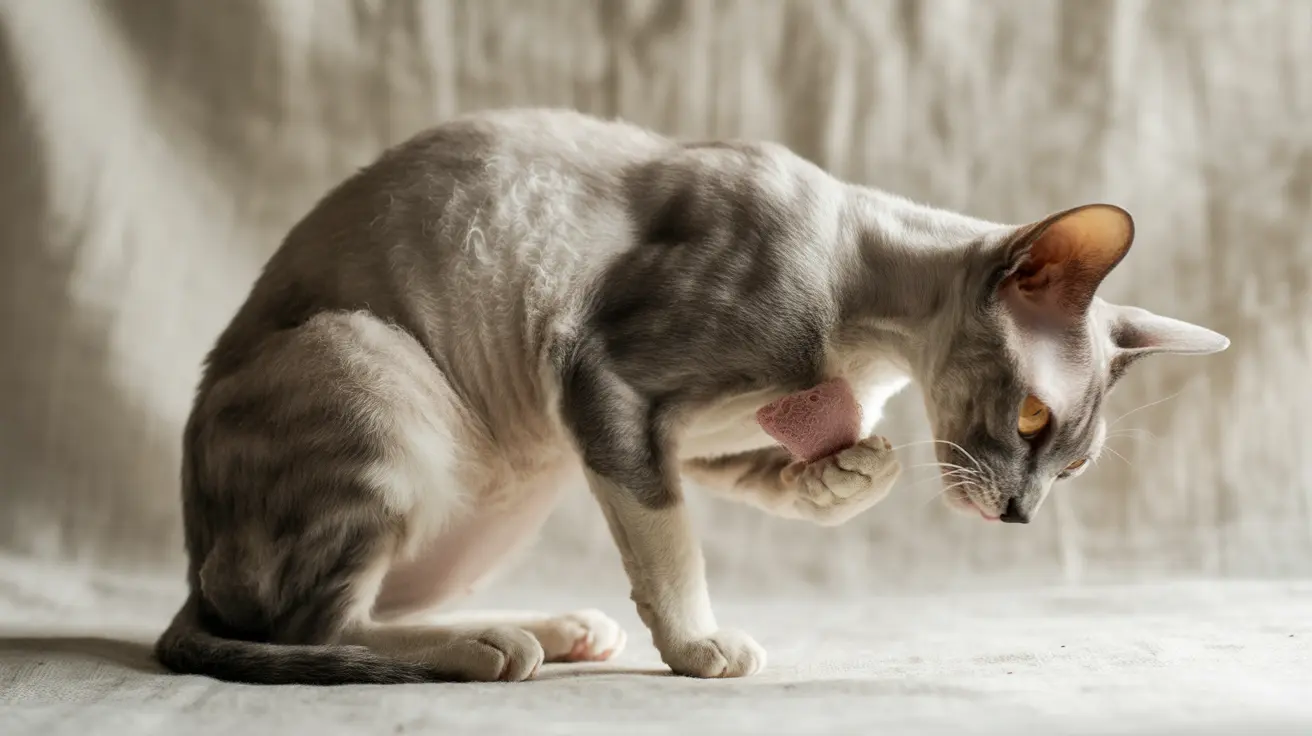
Have you noticed your cat licking or biting its fur so much that patches of hair start to disappear? This condition, known as over grooming alopecia, can be worrying for any pet owner.
You might be asking yourself, “Why does my cat over groom alopecia? ” Understanding what causes your furry friend to over groom is the first step to helping them feel comfortable and healthy again. You’ll discover the common reasons behind this behavior and what you can do to support your cat’s well-being.
Keep reading—your cat’s comfort depends on it.
Credit: www.animalcareclinicjc.com
Signs Of Over Grooming
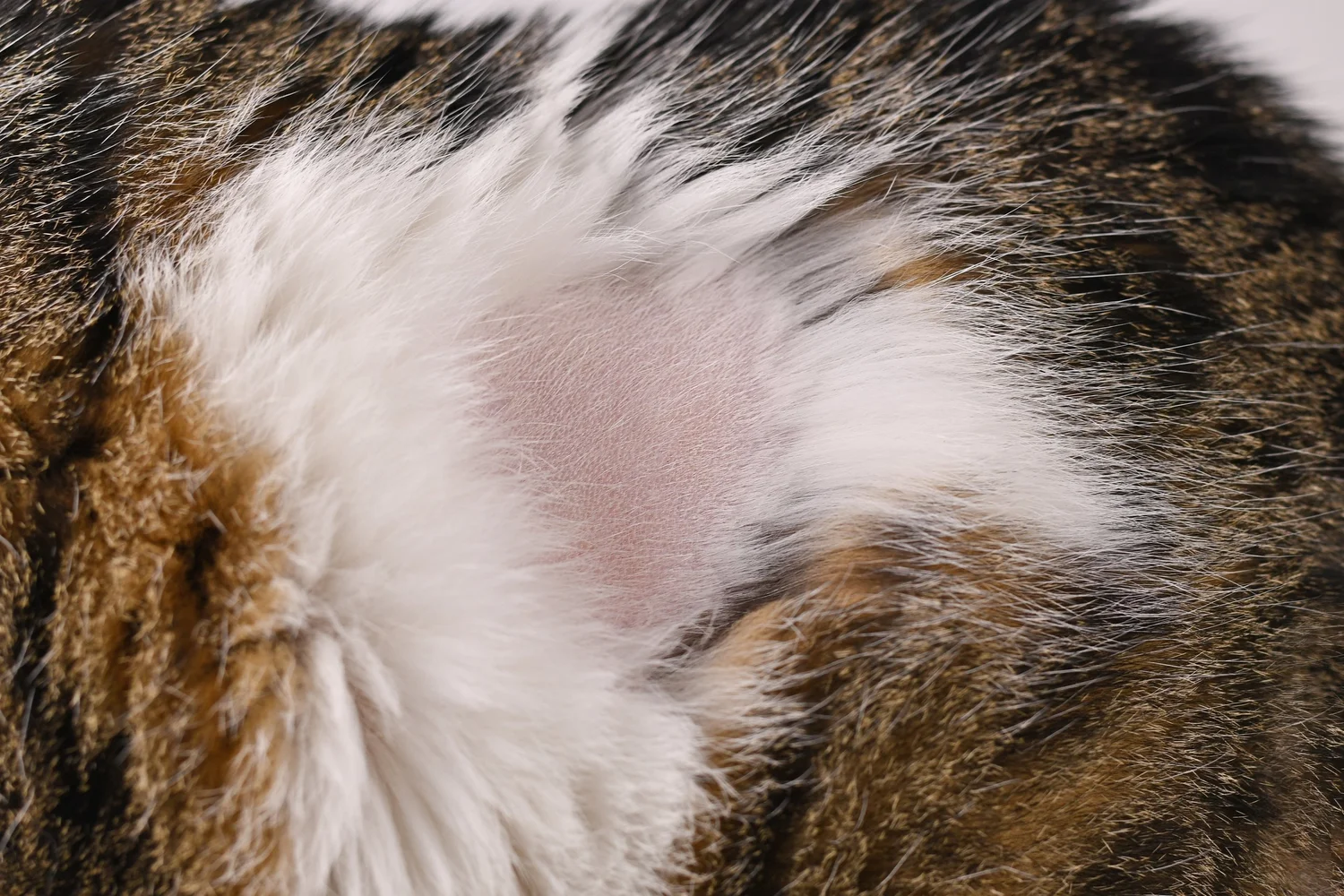
Over grooming in cats can signal discomfort or stress. It often leads to hair loss and skin problems. Knowing the signs helps catch issues early. Observe your cat closely to spot these symptoms.
Common Symptoms
- Patchy hair loss or thinning fur
- Red or irritated skin
- Scabs or sores from scratching
- Excessive licking or biting spots
- Restlessness or agitation
- Behavioral changes like hiding
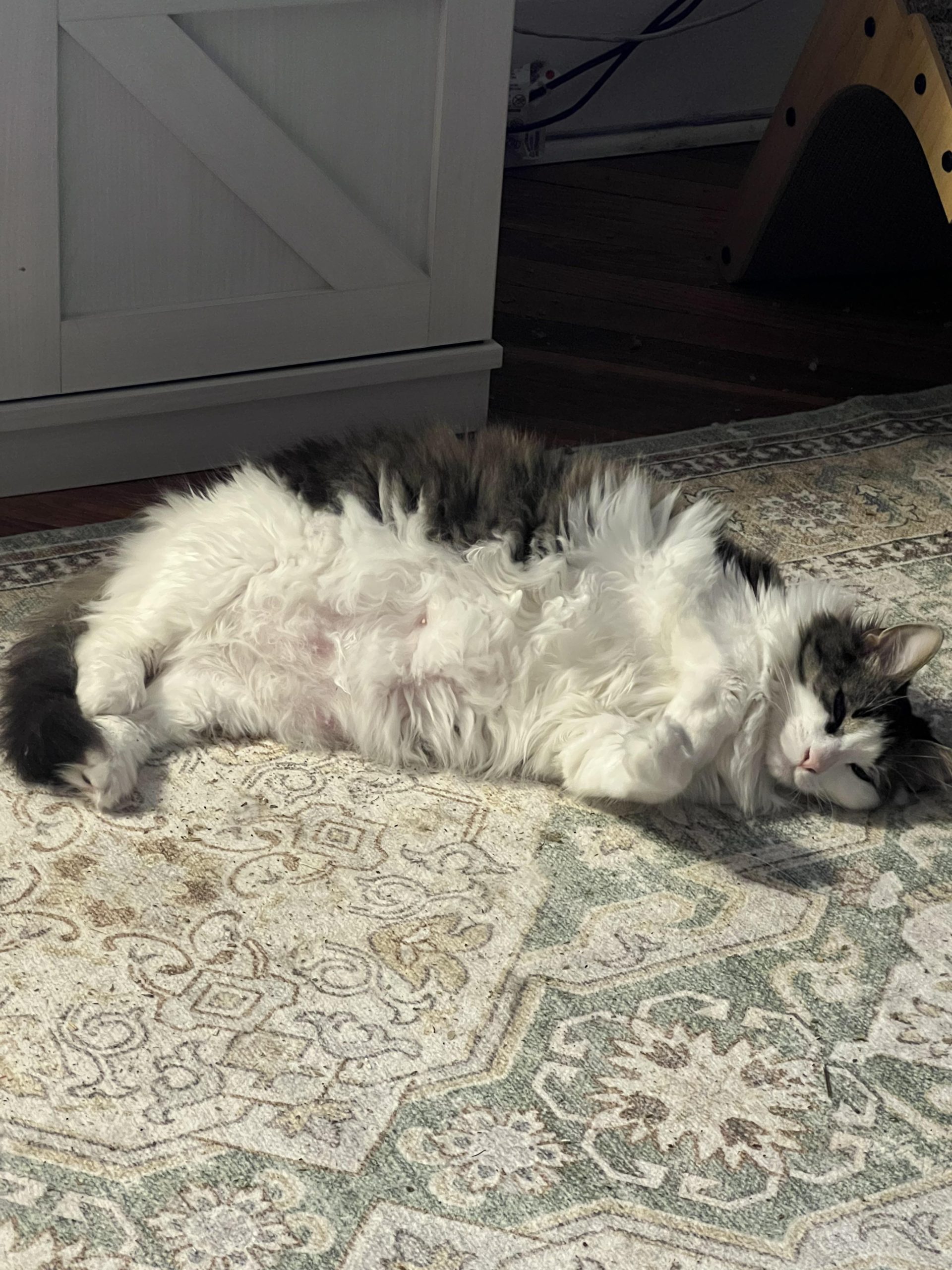
Areas Most Affected
- Belly and sides of the body
- Inner thighs
- Back legs
- Neck and chest
- Base of the tail
- Paws and legs

Credit: www.reddit.com
Causes Of Cat Alopecia
Understanding the causes of cat alopecia is key to helping your feline friend find relief. Over grooming leading to hair loss isn’t just a quirky habit—it often signals deeper issues. Let’s break down the main reasons why your cat might be losing fur due to excessive grooming.
Stress And Anxiety
Stress is a major trigger for over grooming in cats. Changes in environment, new pets, or loud noises can make your cat feel uneasy. When anxious, cats often lick or bite themselves to self-soothe, causing hair loss.
Have you noticed your cat grooming more after a move or when visitors come over? This behavior might be a sign of stress-related alopecia that needs your attention.
Allergies And Irritants
Allergic reactions can cause intense itching, leading your cat to groom excessively. Common allergens include certain foods, pollen, dust, and chemicals in cleaning products. Identifying and removing these irritants can reduce your cat’s discomfort and stop the hair loss.
If your cat scratches mainly around the face or paws, consider whether allergens might be the cause. A vet can help pinpoint specific triggers with allergy testing.
Parasites And Infections
Fleas, mites, and fungal infections like ringworm cause severe itching and irritation. Your cat may groom obsessively to try and relieve this discomfort, resulting in bald patches. Regular parasite control and vet visits are crucial.
Check your cat’s skin for redness, scabs, or flakiness. These signs often indicate an infection or parasite problem that needs quick treatment.
Underlying Medical Conditions
Sometimes, alopecia is linked to medical issues such as hormonal imbalances, thyroid problems, or pain from arthritis. These conditions can cause your cat to groom more than usual. Only a vet can diagnose these underlying health problems.
Have you noticed other symptoms like weight changes or lethargy alongside the hair loss? It’s important to share all observations with your vet to get the right diagnosis and treatment.
Diagnosing Over Grooming Alopecia
Cats often over groom due to stress, allergies, or skin infections, causing hair loss called alopecia. Identifying the cause needs careful observation and a vet’s examination. Early diagnosis helps manage the condition and keeps your cat comfortable.
Diagnosing over grooming alopecia in cats can be a puzzling task for many pet owners. Understanding why your furry friend is excessively grooming to the point of hair loss requires a multi-faceted approach. This condition could be a sign of underlying health issues or even stress, making it crucial to identify the root cause through various diagnostic methods.Veterinary Examination
A thorough veterinary examination is the cornerstone for diagnosing over grooming alopecia. Your vet will conduct a physical assessment to rule out any apparent skin conditions or parasites. They’ll also check for signs of pain or discomfort, as these can be triggers for over grooming.Skin Tests And Biopsies
If the initial examination doesn’t reveal a clear cause, your vet may suggest skin tests and biopsies. These tests can uncover hidden issues such as fungal infections or allergies. Biopsies, though more invasive, provide a detailed look at the skin’s health and can reveal deeper issues that might not be visible on the surface.Behavioral Assessments
Sometimes, the cause of over grooming is psychological rather than physical. Behavioral assessments can help determine if stress, anxiety, or boredom is the culprit. Identifying stressors in your cat’s environment and understanding their routine can provide clues to their grooming habits. You might notice patterns linked to changes in the household, such as a new pet or moving homes. Is there something specific that triggers your cat’s over grooming episodes? Recognizing these patterns can be pivotal in addressing the problem. A combination of these diagnostic methods can help you and your vet pinpoint the cause of your cat’s over grooming alopecia, leading to more effective treatment. Remember, early diagnosis and intervention can prevent the condition from worsening and ensure your cat returns to their happy, healthy self.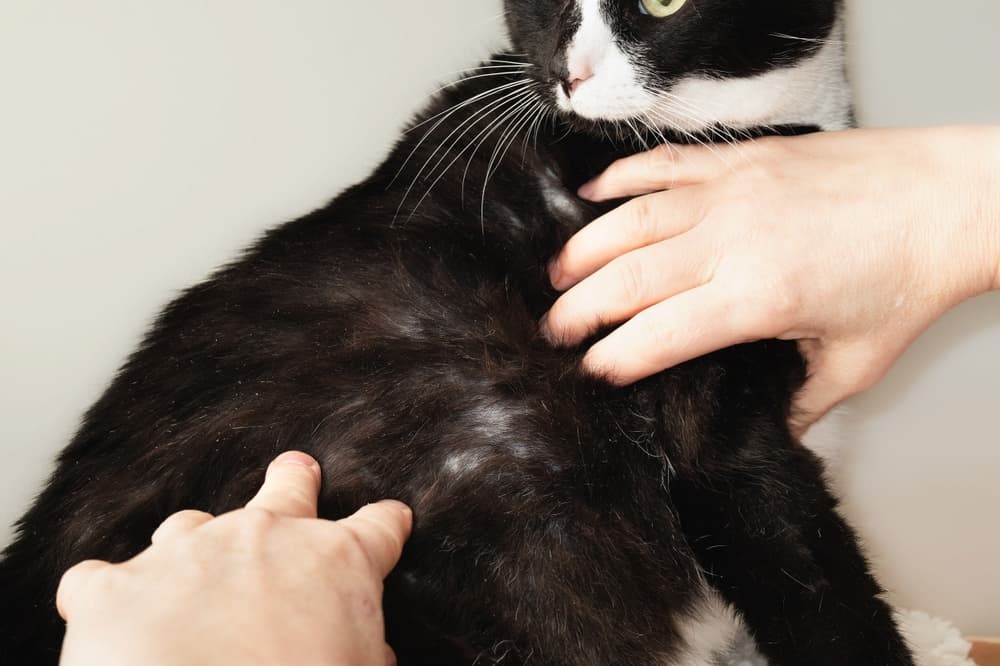
Credit: www.greatpetcare.com
Treatment Options
Dealing with over-grooming alopecia in cats can be challenging, but understanding the right treatment options can make a big difference. Effective care often involves a mix of approaches tailored to your cat’s specific needs. Let’s look at some key ways you can help your feline friend feel better and reduce their excessive grooming.
Managing Stress And Anxiety
Stress is a major trigger for over-grooming in cats. Identifying and reducing stress factors in your cat’s environment is essential.
Simple changes like creating quiet spaces, using calming pheromone diffusers, or maintaining a consistent routine can ease anxiety. Have you noticed if certain events, like loud noises or new pets, make your cat more restless?
Providing interactive toys and regular playtime also helps redirect your cat’s focus away from grooming.
Medications And Topical Treatments
Your vet might recommend medications to control inflammation or anxiety. Anti-inflammatory drugs can soothe irritated skin, while anti-anxiety meds help calm your cat’s nervous system.
Topical creams or sprays can provide relief and protect damaged skin areas. Always follow your vet’s instructions to avoid side effects and ensure effective healing.
Have you discussed all possible medication options with your vet, including natural remedies?
Dietary Adjustments
Sometimes, food allergies or nutritional imbalances cause skin problems that lead to over-grooming. Switching to a hypoallergenic or limited-ingredient diet can reduce flare-ups.
Adding omega-3 fatty acids through supplements or special diets can improve skin health and reduce itching.
Pay attention to your cat’s reactions after meals—do you see any skin changes or increased grooming after certain foods?
Parasite Control
Parasites like fleas and mites often cause intense itching, pushing cats to groom excessively. Regular parasite prevention is crucial in stopping this cycle.
Use vet-recommended flea treatments and keep your cat’s environment clean to minimize infestation risks.
Check your cat’s coat regularly for signs of parasites or irritation. Could a parasite issue be the hidden cause of your cat’s over-grooming?
Preventing Over Grooming
Preventing over grooming in cats requires a gentle and consistent approach. It helps reduce stress and keeps your cat healthy. Understanding your cat’s needs and habits plays a big role in stopping this behavior. Prevention focuses on creating a happy and safe environment for your cat.
Environmental Enrichment
Providing toys and climbing spaces keeps your cat busy. Cats enjoy scratching posts, puzzle feeders, and interactive play. A variety of activities reduces boredom. Fresh air and sunlight can improve mood too. Changing toys regularly keeps interest alive. These small changes help your cat focus on fun instead of grooming.
Routine Health Care
Regular vet visits check for skin problems or allergies. Fleas, mites, or infections can cause irritation and over grooming. Keeping your cat’s coat clean prevents itchiness. A balanced diet supports healthy skin and fur. Watch for signs of pain or discomfort. Early care avoids bigger health issues.
Behavioral Training
Use gentle commands to distract your cat during grooming episodes. Reward calm behavior with treats or petting. Avoid punishment; it can increase stress. Redirect attention with a toy or activity. Consistency in training helps your cat learn limits. Patience and kindness improve behavior over time.
When To Seek Professional Help
Knowing when to seek professional help for your cat’s over grooming alopecia is important. Early intervention can prevent worsening symptoms and discomfort. Some signs clearly show your cat needs a vet’s care. Acting quickly helps your cat heal faster and stay comfortable.
Persistent Symptoms
Watch for hair loss that does not improve in a few weeks. Constant licking and biting at the same spot is a warning. If skin stays red or irritated, it needs attention. Over grooming should not last long without change.
Signs Of Infection
Check for swelling, pus, or bad smell around bald patches. Open sores or scabs can become infected easily. Your cat may also show pain when touched in those areas. These signs mean a vet should examine your cat soon.
Behavioral Changes
Notice if your cat becomes restless or hides more than usual. Changes in eating or sleeping habits can signal distress. Aggression or unusual quietness might appear with pain or discomfort. Such behavior needs professional evaluation to find the cause.
Frequently Asked Questions
What Causes Cat Over Grooming Alopecia?
Cat over grooming alopecia is mainly caused by stress, allergies, or parasites. It leads to excessive licking, causing hair loss and skin irritation.
How Can I Stop My Cat From Over Grooming?
Identify and reduce stressors, treat allergies, and consult a vet for parasites. Provide enrichment and comfort to calm your cat.
Is Cat Over Grooming Alopecia Dangerous?
Over grooming alopecia itself isn’t dangerous, but it can cause skin infections and pain if untreated. Early intervention prevents complications.
Can Diet Affect Cat Over Grooming Alopecia?
Yes, nutritional deficiencies and food allergies can trigger over grooming. A balanced, hypoallergenic diet may help reduce symptoms.
Conclusion
Cats over groom for many reasons, causing alopecia or hair loss. Stress, allergies, and skin problems often play a big role. Watching your cat closely helps spot issues early. A vet visit can find the real cause and suggest treatment.
Treating the problem can help your cat feel better fast. Remember, patience and care are key to your pet’s health. Your cat can enjoy a happy, healthy life with proper attention. Don’t ignore signs of over grooming; act to protect your furry friend.

Leave a Reply