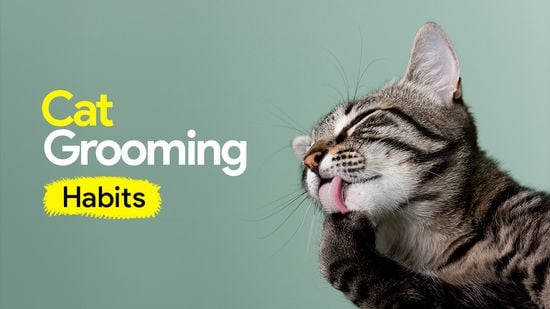
Have you noticed your cat grooming less than usual? It might seem small, but this change can tell you a lot about your furry friend’s health and happiness.
When your cat stops cleaning itself as often, it could be a sign that something isn’t quite right. Understanding why your cat grooms less can help you catch problems early and keep your pet feeling their best. Keep reading to discover the reasons behind this behavior and what you can do to help your cat stay healthy and comfortable.
Credit: www.catsmeowresort.com
Why Cats Groom Themselves
Cats spend a surprising amount of time grooming themselves, and you might wonder why this behavior is so important to them. Grooming is not just about looking neat; it serves several practical purposes that affect their health and well-being. Understanding why your cat grooms can help you notice when something might be off, especially if grooming decreases.
Natural Grooming Habits
Cats groom themselves instinctively from a very young age. This behavior starts when mother cats lick their kittens to clean and stimulate them. As they grow, cats continue grooming to keep their fur clean and free of dirt or parasites.
Grooming also helps cats regulate their body temperature. By licking their fur, they spread saliva that cools them down when it evaporates. Have you noticed your cat licking more on hot days? That’s a natural way for them to stay comfortable.
Benefits Of Grooming
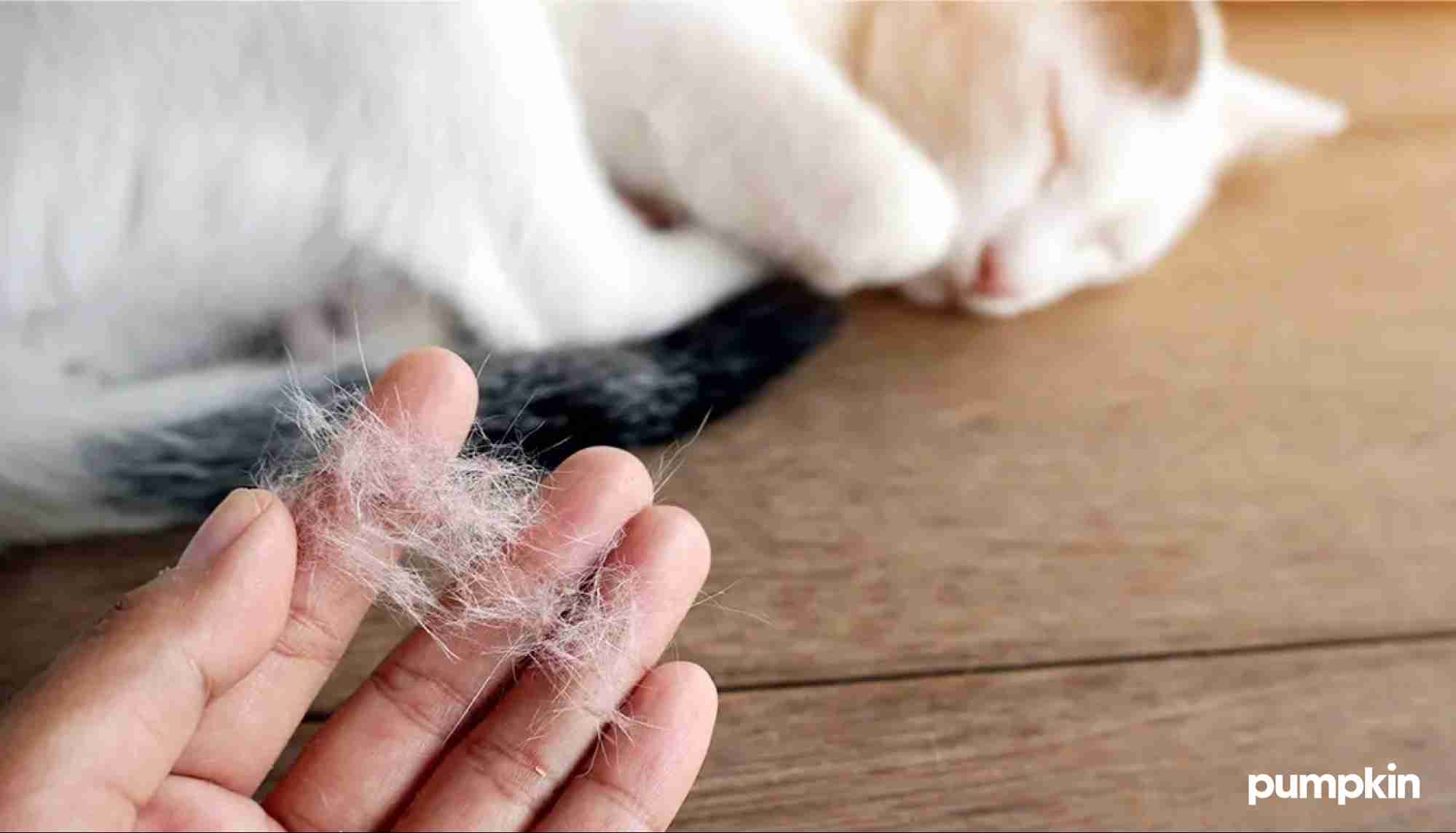
Grooming provides several benefits beyond cleanliness. It removes loose fur and prevents mats that can cause discomfort or skin problems. It also helps distribute natural oils, keeping the coat soft and healthy.
Grooming is a stress reliever for cats. When they lick themselves, it can reduce anxiety and make them feel calm. If your cat suddenly grooms less, it might be a sign they are feeling unwell or stressed. Have you observed changes in your cat’s grooming habits during stressful times or after a move?
Credit: www.pumpkin.care
Common Reasons Cats Groom Less
Cats groom themselves to stay clean and healthy. When a cat grooms less, it may signal a problem. Understanding common reasons behind this behavior helps you care for your pet better.
Health Issues
Illness or pain can stop a cat from grooming. Skin infections, arthritis, or dental problems make grooming hard. Cats may avoid cleaning if they feel weak or sick. Regular vet visits catch health issues early.
Stress And Anxiety
Stress changes a cat’s daily habits, including grooming. Moving to a new home or loud noises cause anxiety. A stressed cat may groom less or stop entirely. Creating a calm environment helps reduce stress.
Age-related Changes
Older cats often groom less due to stiffness or weakness. Aging joints make it tough to reach all areas. Senior cats may also lose interest in self-care. Extra help with grooming keeps them comfortable.
Physical Warning Signs To Watch For
Cats are known for their meticulous grooming habits. But a sudden change in grooming can signal health issues. Observing your cat closely can help identify these problems early. Here are some physical warning signs to watch for when your cat grooms less.
Mattes And Tangles
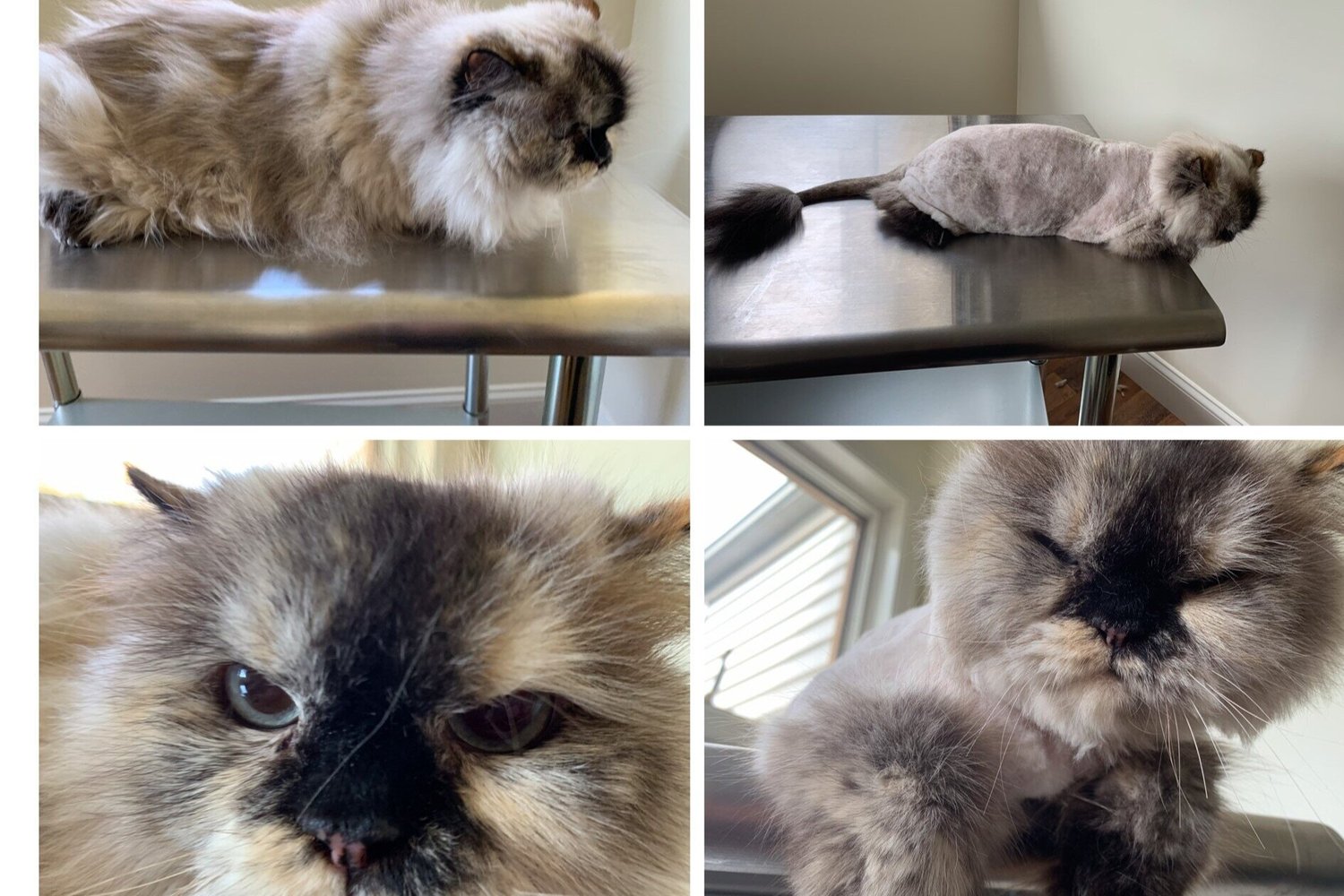
When a cat grooms less, fur may clump together. This leads to mattes and tangles. These can be uncomfortable and even painful for your cat. Regular brushing can help manage this issue. It is crucial to address any underlying health problems causing neglect in grooming.
Skin Irritations
Less grooming can result in skin irritations. Dirt, allergens, and parasites may accumulate on your cat’s skin. This can lead to itching and redness. Regular checks can help spot any issues early. Consult a vet for persistent skin problems.
Changes In Fur Texture
Healthy cat fur is smooth and shiny. When cats groom less, their fur may become dull or greasy. This change in texture might indicate health problems. Nutritional deficiencies or skin conditions could be the cause. Monitor fur changes and seek veterinary advice if needed.
Behavioral Changes Linked To Less Grooming
Behavioral changes in cats often signal more than just mood shifts. When a cat grooms less, it can be a sign of underlying stress, illness, or discomfort. Paying attention to these changes helps you catch problems early and support your cat’s health effectively.
Lethargy And Withdrawal
You might notice your cat sleeping more than usual or avoiding interaction. This withdrawal often goes hand in hand with reduced grooming, as grooming requires energy and motivation. A cat that feels unwell or anxious may retreat to quiet corners and show little interest in play or affection.
Have you observed your cat hiding or seeming less curious lately? These signs paired with less grooming could mean your cat is struggling emotionally or physically. Try spending quiet time with your cat to see if gentle attention helps bring back their usual routine.
Increased Scratching Or Biting
When grooming decreases, cats might scratch or bite themselves more, trying to relieve irritation or discomfort. This behavior can lead to skin damage or infections if untreated. Watch for red patches, hair loss, or swelling, which indicate your cat needs help.
Could your cat’s increased scratching be a sign of allergies, parasites, or stress? Addressing the cause quickly can improve your cat’s comfort and reduce the urge to scratch. Regular vet check-ups and a calm environment often make a big difference.
When To Visit The Veterinarian
Knowing when to take your cat to the veterinarian is crucial if you notice a drop in their grooming habits. Cats often hide discomfort, so less grooming can be a subtle sign that something is wrong. Acting quickly can prevent minor issues from becoming serious health problems.
Identifying Serious Conditions
Not all changes in grooming mean a vet visit is urgent, but some signs should never be ignored. If your cat stops grooming entirely or has bald patches, it might indicate skin infections, allergies, or parasites like fleas or mites.
Look for other symptoms such as:
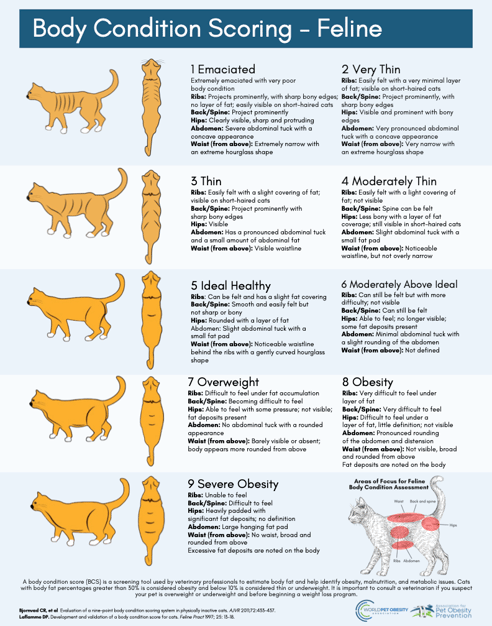
- Sudden weight loss or gain
- Changes in appetite or water intake
- Visible wounds or swelling
- Unusual behavior like hiding or aggression
These symptoms alongside reduced grooming can signal serious conditions like arthritis, dental pain, or even internal illnesses. Have you noticed your cat struggling to reach certain areas? Difficulty moving can make grooming painful, and your vet can help identify the cause.
Preparing For The Vet Visit
Preparing your cat for a vet visit can reduce stress for both of you. Start by gently handling your cat’s body daily to get them used to touch, especially around areas they avoid grooming.
Bring a list of your observations, including:
- When you first noticed the grooming change
- Any other symptoms
- Changes in behavior or environment
Consider bringing a favorite blanket or toy to comfort your cat during travel. When you arrive, stay calm and speak softly; your mood can influence your cat’s anxiety levels.
Have you tracked your cat’s grooming patterns before? This info can help your vet make a quicker diagnosis and suggest the best treatment plan.
Credit: www.preventivevet.com
Helping Your Cat Maintain Healthy Grooming
Helping your cat maintain healthy grooming is key to their well-being. Grooming keeps their coat clean, controls shedding, and prevents skin problems. Cats may groom less due to age, illness, or stress. Owners can support their cats by encouraging good grooming habits and providing care.
Regular Brushing Techniques
Brushing your cat removes loose fur and dirt. Use a soft brush designed for cats. Brush gently in the direction of hair growth. Focus on areas your cat cannot reach easily, like the back and neck. Short, calm sessions work best to keep your cat relaxed. Brush daily or several times a week depending on your cat’s coat type.
Creating A Stress-free Environment
Stress can cause a cat to groom less. Provide a quiet and safe space for your cat. Keep their routine consistent to reduce anxiety. Use calming products like pheromone diffusers or sprays. Play with your cat regularly to improve their mood. Make sure your cat has hiding spots and comfortable resting areas.
Diet And Hydration Tips
A healthy diet supports your cat’s skin and fur. Offer high-quality food rich in omega-3 and omega-6 fatty acids. These nutrients improve coat shine and skin health. Ensure fresh water is always available to keep your cat hydrated. Wet food can help increase water intake. Avoid sudden changes in diet to prevent stress and digestion issues.
Frequently Asked Questions
Why Is My Cat Grooming Less Than Usual?
Cats groom less due to stress, illness, or pain. Aging and dental problems also reduce grooming. Observe behavior changes and consult a vet if grooming declines suddenly.
Can Less Grooming Indicate A Cat’s Health Issue?
Yes, decreased grooming often signals health problems like arthritis or skin infections. It may also reflect emotional distress or discomfort. Early vet visits help diagnose and treat underlying causes.
How To Encourage A Cat To Groom More?
Provide a calm environment and regular grooming sessions. Address any medical issues promptly. Use gentle brushing and positive reinforcement to stimulate your cat’s grooming habits.
When Should I Worry About My Cat Grooming Less?
Worry if grooming drops suddenly, and your cat shows lethargy or weight loss. Persistent neglect may lead to skin problems. Seek veterinary advice if symptoms last more than a few days.
Conclusion
A cat grooming less can signal health or stress problems. Watch your pet’s behavior closely. Changes in grooming need attention from you. Visit a vet if grooming drops suddenly. Early care helps your cat stay happy. Keep your cat’s environment calm and safe.
Regular grooming checks support your cat’s well-being. Small actions make a big difference in care. Stay aware, and your cat will feel better soon.


Leave a Reply