Are you tired of dealing with sneezing, itchy eyes, or constant congestion every time you’re around your furry feline friend? You might wonder if grooming your cat could actually ease your allergies.
It sounds simple, but could brushing and cleaning your cat really make a difference in how you feel? You’ll discover how grooming affects allergens and what steps you can take to enjoy your pet without the sniffles. Keep reading to find out if this small habit could change your comfort level at home.
Cat Allergies And Causes
Cat allergies affect many people worldwide. Understanding what causes these allergies helps manage symptoms better. Allergies happen when the immune system reacts to certain proteins cats produce. These proteins are found in a cat’s skin, saliva, and urine. When they spread into the air, they cause allergic reactions in sensitive individuals.
Common Allergy Triggers
- Cat dander: tiny skin flakes shed by cats
- Saliva: proteins in cat saliva can cause reactions
- Urine: proteins in urine can stick to surfaces
- Fur: hair can carry dander and saliva
- Cat litter dust: can worsen breathing issues
How Cat Dander Affects Allergy Symptoms
Cat dander is the main cause of allergic symptoms. It is very light and floats in the air easily. This allows it to spread throughout the home. When inhaled, it triggers the immune system. Symptoms include sneezing, itchy eyes, and runny nose.
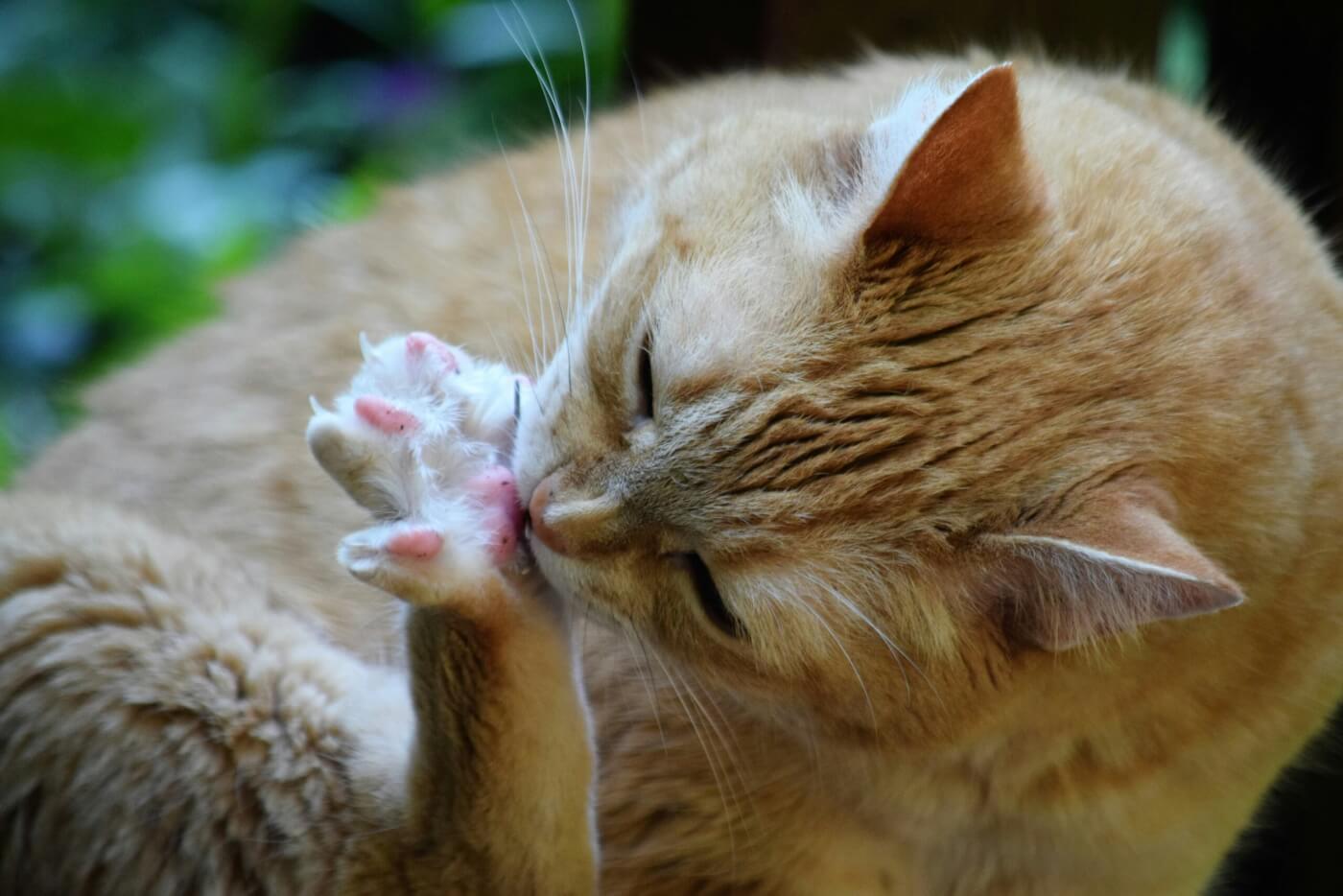
Dander sticks to furniture, clothes, and carpets. It builds up over time if not cleaned well. Regular cleaning can reduce dander and help ease allergy symptoms. Grooming your cat can also lower the amount of loose dander.
Credit: www.peta.org
Impact Of Grooming On Allergies
Grooming your cat regularly can significantly influence the level of allergens in your home. Cat allergens mainly come from dander—tiny flakes of skin that stick to fur and furniture. Managing grooming habits can help control these allergens, potentially easing your allergy symptoms.
Reducing Dander Through Regular Grooming
Brushing your cat daily helps remove loose fur and dander before it spreads around your home. This simple act can cut down the amount of allergen-carrying particles in the air and on surfaces. Have you noticed how much less dust settles after a good brushing session?
Bathing your cat occasionally can also reduce dander, but it’s important to use pet-safe shampoos to avoid skin irritation. Not all cats enjoy baths, so start slowly and be patient. Even wiping your cat with a damp cloth can help remove allergens without stressing them out.
Best Grooming Practices For Allergy Relief
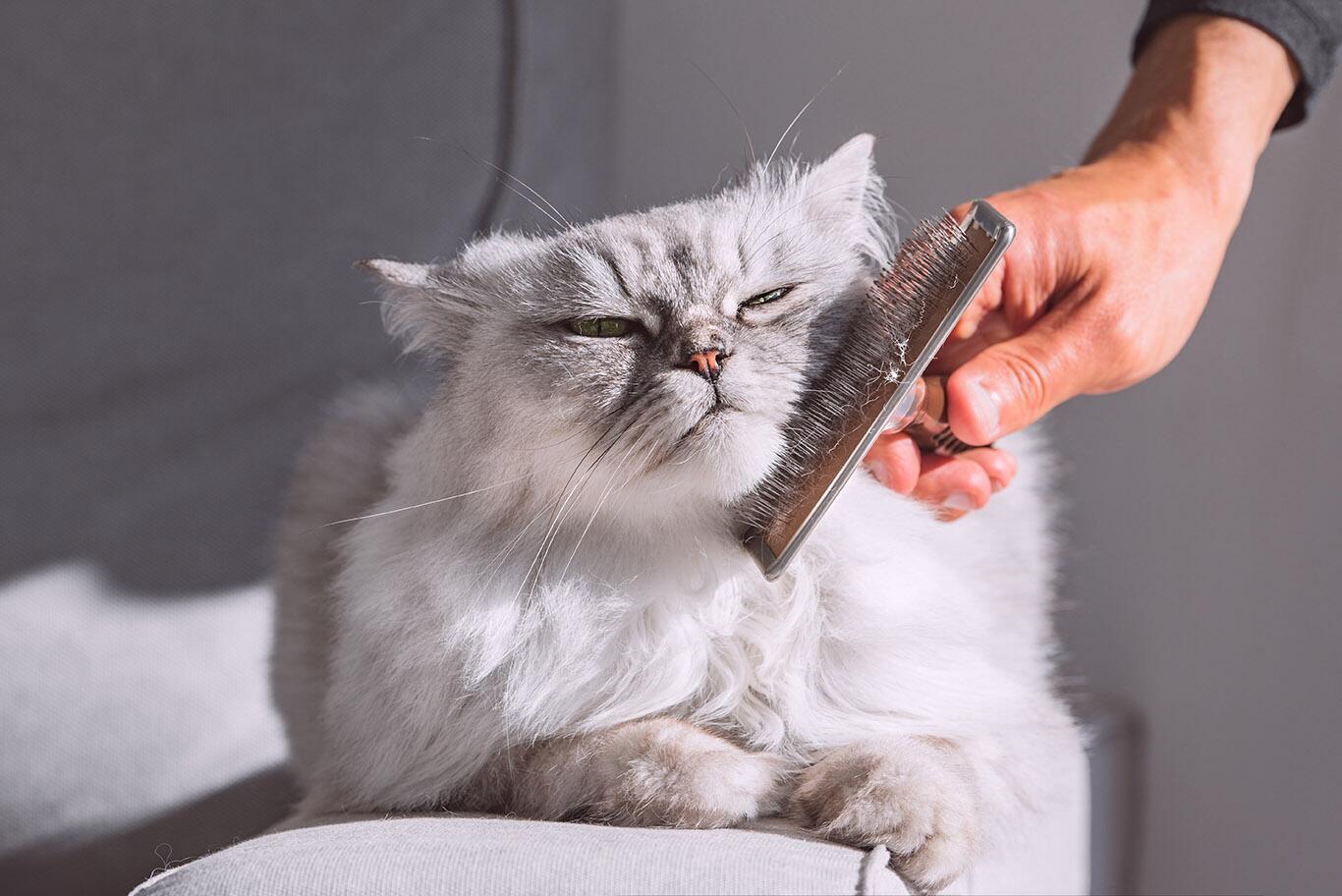
- Use a high-quality brush:A slicker brush or a grooming glove can capture more loose fur and dander effectively.
- Choose the right grooming spot:Groom your cat in an easy-to-clean area, like a tiled floor, to avoid spreading allergens around your living room.
- Wear a mask if needed:If you’re highly sensitive, try wearing a mask during grooming to reduce inhaling dander.
- Clean grooming tools regularly:Wash brushes and gloves after each use to prevent allergen buildup.
- Keep your cat’s environment clean:Vacuum and wipe surfaces often, especially in spots your cat frequents.
How often do you groom your cat? Making it a daily habit could make a noticeable difference in your allergy symptoms. What small change will you try today to breathe easier around your furry friend?
Types Of Grooming Tools
Different grooming tools like brushes, combs, and deshedding tools help reduce cat hair and dander. Regular grooming can lower allergy symptoms by keeping your cat cleaner. Choosing the right tool depends on your cat’s fur type and sensitivity.
Grooming your cat can be a game-changer if you’re dealing with allergies. By using the right tools, you can reduce the amount of dander and loose fur in your home, potentially easing your allergy symptoms. Understanding the different types of grooming tools can help you choose the best options for your feline friend and your allergy relief.Brushes That Minimize Shedding
Using the right brush can significantly cut down on shedding, which is a major contributor to allergies. A slicker brush is excellent for removing loose fur and dander from cats with longer hair. For short-haired cats, a bristle brush can effectively gather loose hair without causing discomfort. Deshedding tools, like a FURminator, are designed to reach deep into the undercoat and remove loose hair before it becomes airborne. Regular brushing with these tools can keep your home cleaner and your air fresher. Have you ever noticed how much hair collects on your furniture? Imagine reducing that by brushing your cat just a few times a week.Bathing Products Suitable For Cats
Bathing your cat might seem like an impossible task, but it’s a powerful way to reduce allergens. Opt for cat-specific shampoos that are gentle on their skin yet effective in cleaning away dander and allergens. A hypoallergenic shampoo can be a great choice if your cat has sensitive skin. Waterless shampoos are an excellent alternative for cats who detest water. They can help maintain your cat’s cleanliness without the stress of a full bath. Have you tried using grooming wipes? These can be a quick and easy way to freshen up your cat between baths, helping to manage allergens on a day-to-day basis.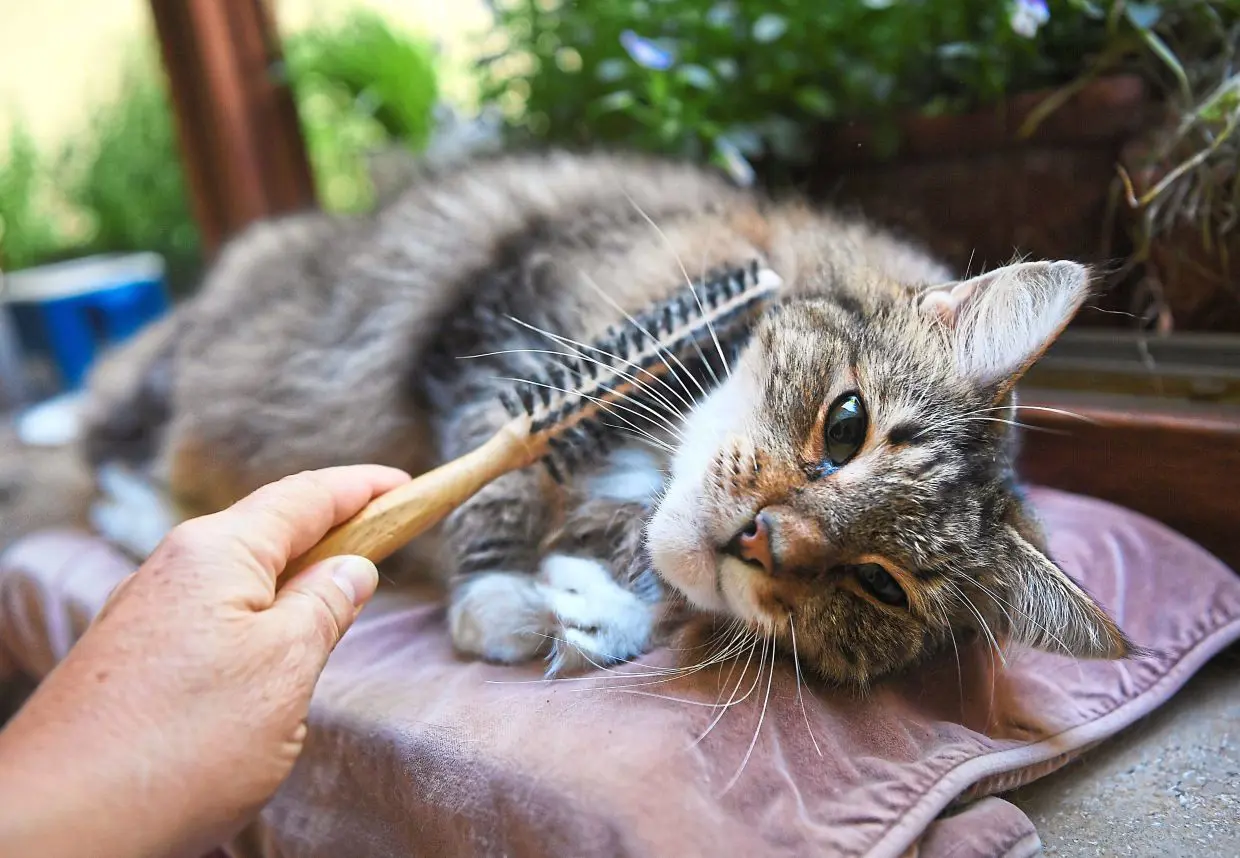
Credit: www.thestar.com.my
Frequency And Timing Of Grooming
Grooming your cat regularly can reduce allergens in your home. The right frequency and timing of grooming are key to managing allergies effectively. Grooming helps remove loose fur and dander that cause allergic reactions.
Finding the best schedule for grooming depends on your cat’s coat type and allergy sensitivity. Consistency makes a big difference in controlling allergens over time.
How Often To Groom For Allergy Control
Short-haired cats need grooming about two to three times per week. Long-haired cats require daily brushing to reduce shedding and dander. Regular grooming cuts down on allergen buildup on your cat’s fur.
Bathing your cat once a month can also help wash away allergens. Use a gentle, cat-safe shampoo to avoid skin irritation. Avoid over-bathing, which may dry your cat’s skin and increase shedding.
Ideal Times For Grooming Sessions
Choose a calm time when your cat feels relaxed. Grooming after a nap or play session works well. Your cat is more likely to stay still and enjoy the process.
Avoid grooming just before bedtime to prevent disturbing your cat’s rest. Early mornings or late afternoons are often good choices. Short, frequent grooming sessions keep your cat comfortable and reduce allergen spread.
Additional Tips For Allergy Management
Managing cat allergies requires more than just grooming your pet regularly. Small changes around your home can reduce allergens and ease symptoms. Simple habits help keep your environment clean and fresh. These extra steps support your efforts to live comfortably with your cat.
Cleaning And Ventilation Strategies
Keep your home free of dust and pet dander by cleaning often. Use a vacuum with a HEPA filter to trap tiny particles. Wash pet bedding and blankets weekly in hot water.
Open windows to let fresh air circulate. Good airflow reduces allergen buildup inside your rooms. Use fans to help move air but avoid stirring dust.
Using Air Purifiers And Allergy Medication
Air purifiers with HEPA filters capture airborne allergens effectively. Place purifiers in rooms where you spend the most time. Change filters regularly to maintain their power.
Consult a doctor about allergy medications. Antihistamines and nasal sprays can ease sneezing and itching. Taking medicine early helps prevent severe reactions.
Credit: www.latimes.com
When Grooming Alone Isn’t Enough
Grooming your cat regularly can reduce the amount of dander and loose fur that triggers allergic reactions. However, sometimes grooming alone isn’t enough to keep allergies under control. If you find yourself sneezing more or your eyes itching despite brushing your cat, it’s time to consider additional steps.
Consulting Allergists And Veterinarians
Allergists can help identify exactly which cat allergens affect you most. They might suggest allergy tests or treatments to ease your symptoms. Meanwhile, veterinarians can recommend grooming products that minimize allergen spread or suggest bathing routines to reduce dander.
Working with both specialists can give you a clearer plan. Have you ever thought about how professional advice could change your daily routine with your cat? Getting expert input often uncovers solutions you might not have considered.
Considering Hypoallergenic Cat Breeds
Some cat breeds produce fewer allergens than others. Breeds like the Siberian or Balinese often cause less allergic reaction. Choosing a hypoallergenic breed might be a practical option if allergies seriously affect your quality of life.
Keep in mind that no cat is completely allergen-free, but some breeds can make living with allergies easier. Would switching to a different breed be worth it for your health and happiness? Thinking about this can help you make a more informed decision about your next feline friend.
Frequently Asked Questions
Does Grooming A Cat Reduce Allergy Symptoms?
Regular grooming can lower allergens by removing loose fur and dander. This helps reduce airborne allergens, easing symptoms for allergy sufferers. However, grooming alone may not eliminate all allergens.
How Often Should I Groom My Cat For Allergies?
Groom your cat at least twice a week to minimize dander buildup. Frequent brushing helps remove dead skin cells and loose hair. This practice supports better indoor air quality and allergy control.
Can Bathing A Cat Help With Allergies?
Bathing your cat occasionally can wash away allergens on fur and skin. Use cat-safe shampoo and avoid over-bathing to prevent skin dryness. Bathing complements grooming to better control allergen levels.
Are Certain Cat Breeds Better For Allergy Sufferers?
Some breeds produce fewer allergens, like Siberian or Balinese cats. These breeds may cause milder allergic reactions but aren’t completely hypoallergenic. Grooming remains essential regardless of breed.
Conclusion
Grooming your cat can reduce allergens in your home. Regular brushing helps remove loose fur and dander. Bathing your cat may also lower allergen levels. Keep your cat’s living space clean and well-ventilated. These steps can make allergy symptoms less severe.
Remember, grooming alone won’t stop allergies completely. Talk with your doctor for the best allergy advice. Small actions add up to a more comfortable home. Your efforts can help you live better with cats.



Leave a Reply