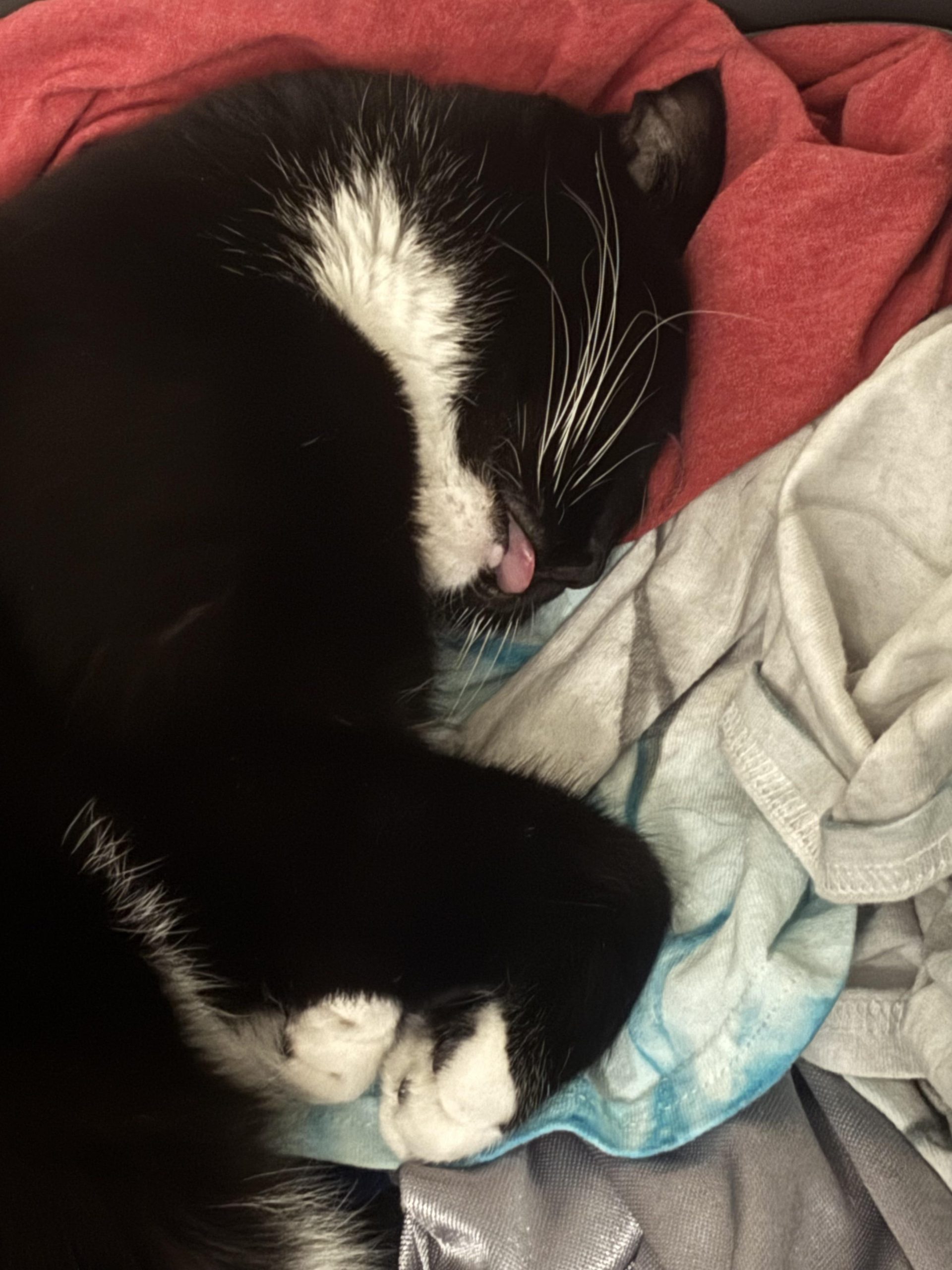
Have you ever caught your cat kneading or grooming your blanket and wondered why they do it? It might seem strange or even a little funny, but your furry friend’s behavior has a deeper meaning.
Understanding why your cat grooms the blanket can help you connect with them better and ensure they feel happy and safe. Keep reading to discover the surprising reasons behind this common cat habit—and what it reveals about your pet’s feelings and needs.
Cat Grooming Behavior
Understanding your cat’s grooming behavior can reveal a lot about their emotions and needs. Cats don’t just groom themselves—they sometimes groom objects around them, like blankets. This behavior might seem odd, but it’s actually rooted in their instincts and comfort-seeking habits.
Normal Grooming Habits
Cats spend a significant part of their day grooming themselves. This keeps their fur clean and helps regulate body temperature. Grooming also reduces stress and strengthens their bond with other cats.
You might notice your cat licking their paws, rubbing their face, or cleaning their tail. These are all typical grooming actions that support their health and well-being. Grooming is not just about cleanliness—it’s a way for cats to feel secure and calm.
Why Cats Groom Objects
When your cat grooms a blanket, it might be trying to comfort itself or mark its territory. Cats have scent glands in their mouths, so licking an object spreads their scent and makes the space feel safer.
Sometimes, grooming objects reminds cats of their mother’s care, especially if they were separated early. This behavior offers emotional comfort, much like a child clutching a favorite blanket.
- Your cat may groom soft blankets to soothe anxiety or boredom.
- Grooming an object can be a way to claim it as “theirs.”
- It might also indicate your cat is self-soothing during stressful moments.
Have you noticed if your cat only grooms the blanket when you’re away or during loud noises? Observing these patterns can help you understand their emotional triggers and offer better support.

Credit: petparentsbrand.com
Blanket Grooming Explained
Cats often groom blankets, a behavior that can seem curious. This action has several reasons rooted in their natural instincts and feelings. Understanding why your cat grooms a blanket helps you better connect with their needs and emotions.
Blanket grooming is a way for cats to feel safe and calm. It can also be a method for them to mark their space. Each cat may have its unique reasons, but these habits are quite common among felines.
Comfort And Security
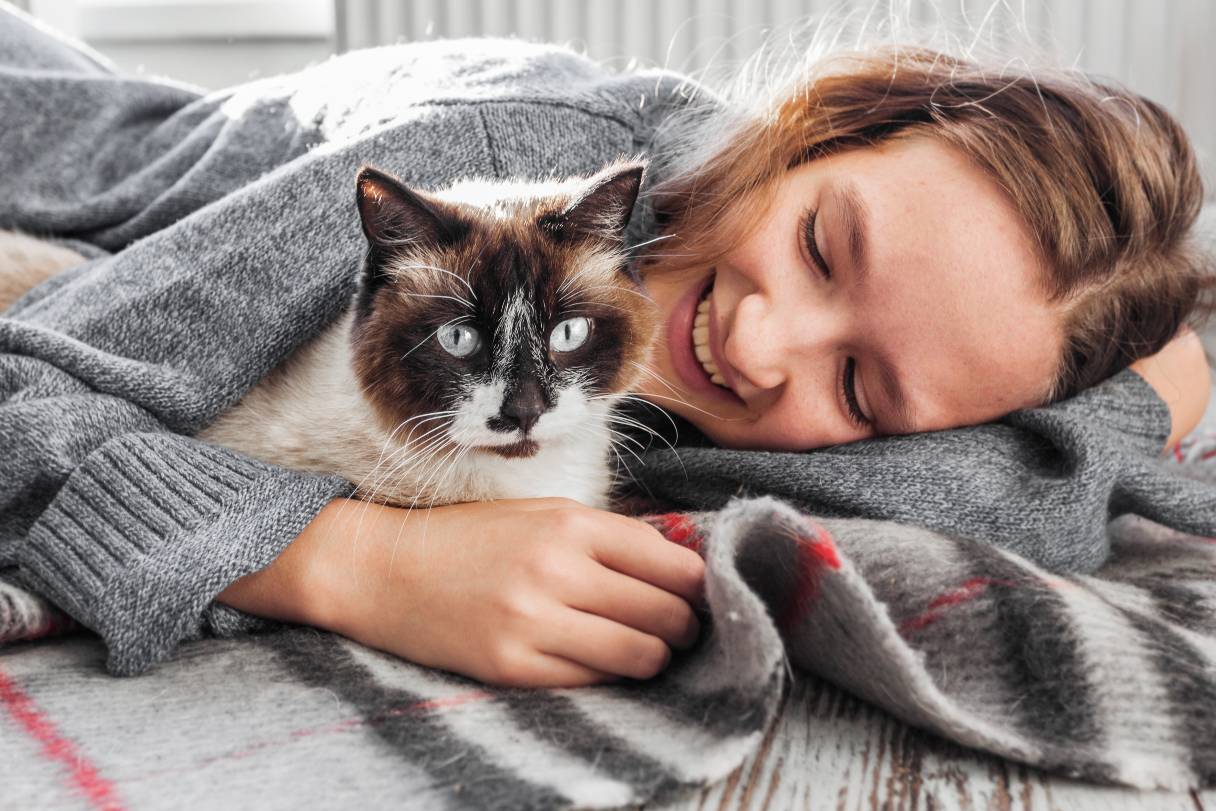
Grooming a blanket offers cats a sense of comfort. The soft texture reminds them of their mother’s fur. This connection helps cats feel secure and warm. It is a calming activity that soothes their nerves.
Cats often return to blankets during rest or sleep. It creates a safe spot in their environment. This habit is especially strong in kittens and shy cats.
Scent Marking
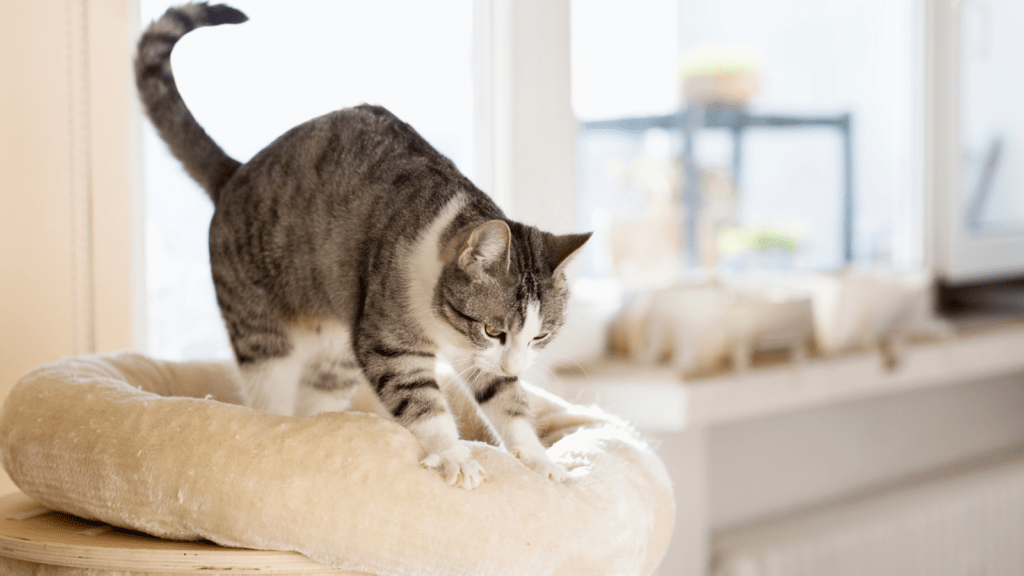
Cats have scent glands in their paws and cheeks. When they groom or knead a blanket, they leave their scent behind. This marks the blanket as part of their territory. It helps them feel at home and in control.
The scent marking also communicates ownership to other animals. This natural behavior reduces stress and keeps other pets away. It is a silent way of setting boundaries.
Stress And Anxiety
Blanket grooming can relieve a cat’s stress or anxiety. The repetitive motion provides comfort and distraction. It helps cats manage feelings of unease or fear.
During changes like moving or new pets, cats may groom blankets more. This helps them cope with new situations. It acts as a self-soothing technique to calm their mind.
Health And Age Factors
Cats often groom blankets due to health and age factors. These factors influence their behavior, affecting how and why they groom.
Kitten Vs Adult Cat Behavior
Kittens are more playful with blankets. They see them as toys, engaging in grooming as part of play. Adult cats, on the other hand, may groom blankets for comfort. It offers a sense of security and familiarity. Their grooming can be a soothing routine.
Medical Issues Impacting Grooming
Medical conditions can influence blanket grooming. Dental problems can lead to increased grooming behavior. Cats with skin irritations may also groom more often. Arthritis in older cats might cause them to seek comfort in blankets. It’s crucial to observe any changes in grooming habits. Consult a vet if behavior seems excessive or unusual.
Environmental Influences
Environmental influences play a big role in why your cat might be grooming the blanket. Cats are sensitive creatures, and even small changes around them can trigger unusual behaviors. Understanding these influences helps you respond better and create a more comfortable space for your pet.
Changes In Surroundings
Cats notice every change in their environment. A new piece of furniture, a different scent, or even a visitor can make them feel uncertain. Grooming the blanket can be their way to self-soothe and regain a sense of control.
I once had a cat who started licking the couch cover heavily after I rearranged the living room. It was her way of marking a familiar spot and calming herself. Have you observed any new changes around your home that might be unsettling your cat?
Owner’s Role
Your actions influence your cat’s comfort level more than you might think. Stress or anxiety you show can transfer to your pet. If you’re rushed or distracted, your cat might seek comfort by grooming the blanket.
Try to spend calm, focused time with your cat daily. Notice if your mood shifts when your cat starts this behavior. Could your calm presence help reduce your cat’s need to find comfort in the blanket?
When To Worry
Not all cat grooming habits are normal. Grooming the blanket can be a sign of comfort or stress. It is important to watch your cat closely. Some behaviors might need attention. Knowing when to worry helps keep your pet healthy.
Signs Of Excessive Grooming
- Your cat grooms the blanket for hours daily.
- They seem restless or anxious while grooming.
- There are bald spots or irritated skin on your cat.
- Your cat avoids playing or eating because of grooming.
- They groom themselves too often, causing wounds.
Consulting A Veterinarian
Visit a vet if grooming seems excessive. The vet can find causes like allergies or stress. They may suggest tests or treatments. Early help can stop problems from getting worse. Always share your observations about your cat’s behavior.
Credit: trapandreturn.com
Tips To Manage Blanket Grooming
Managing your cat’s habit of grooming the blanket can improve their comfort and reduce stress. Simple steps can redirect this behavior without frustration. Understanding your cat’s needs helps you choose the right approach. Below are practical tips to manage blanket grooming effectively.
Providing Alternatives
Offer soft toys or special blankets for your cat to groom. Choose items with textures similar to the blanket your cat likes. Rotate these alternatives to keep your cat interested. This helps satisfy their grooming urge safely.
Reducing Stress
Create a calm environment to lower your cat’s anxiety. Use quiet spaces and gentle lighting where your cat can relax. Play soothing music or use pheromone diffusers designed for cats. Less stress means less need for repetitive grooming.
Enhancing Comfort
Ensure your cat has a cozy, warm place to rest. Soft bedding in a quiet corner makes a big difference. Regular playtime also helps your cat feel secure and comfortable. A happy cat grooms less obsessively.
Credit: www.carecredit.com
Frequently Asked Questions
Why Does My Cat Groom The Blanket Often?
Cats groom blankets to mimic self-grooming. It provides comfort, marks territory, and relieves stress or boredom. This behavior is normal but should be monitored if excessive.
Is Blanket Grooming A Sign Of Cat Anxiety?
Yes, cats may groom blankets to reduce anxiety. It acts as a calming activity when they feel stressed or insecure. Watch for other anxiety signs if this behavior increases.
Can Blanket Grooming Harm My Cat?
Blanket grooming is generally harmless unless excessive. Over-grooming can cause fur loss or skin irritation. Ensure your cat has enough stimulation and comfort to prevent this.
How Can I Stop My Cat From Grooming Blankets?
Provide toys, scratching posts, and regular playtime to distract your cat. Reduce stress triggers and create a calm environment. Consult a vet if behavior persists.
Conclusion
Cats grooming blankets shows comfort and habit. It helps them feel calm and safe. Sometimes, it reminds them of their mother’s care. This behavior is normal and not harmful. Watch your cat to make sure it stays healthy. Offering soft blankets can keep them happy.
Understanding why your cat grooms helps build a strong bond. Enjoy these small, sweet moments with your furry friend. They show love in their own special way.


Leave a Reply