Have you noticed your cat scratching and grooming more than usual? It can be worrying when your furry friend spends hours licking or scratching their fur.
You might wonder if something is wrong or if it’s just normal behavior. Understanding why your cat is doing this can help you keep them happy and healthy. You’ll discover the common reasons behind this behavior and what you can do to help your cat feel better.
Keep reading to learn how to spot the signs and take action before it becomes a bigger problem.

Credit: www.reddit.com
Common Reasons For Excessive Scratching
Excessive scratching and grooming in cats can be a sign of discomfort or underlying health issues. Understanding the common causes will help you identify what’s bothering your feline friend. This knowledge allows you to take quick action and keep your cat happy and healthy.
Fleas And Parasites
Fleas are one of the most common reasons cats scratch a lot. These tiny pests cause intense itching and can lead to skin irritation. Even if you don’t see fleas, your cat may still have flea eggs or larvae hiding in their fur.
Other parasites like mites or ticks can also cause itching. You might notice your cat biting or scratching specific spots repeatedly. Have you checked your cat’s coat thoroughly for signs of these unwelcome guests?
Allergies And Sensitivities
Just like humans, cats can develop allergies to food, pollen, dust, or even cleaning products. Allergic reactions often cause itching and excessive grooming. Identifying what your cat is sensitive to can be challenging but is crucial for relief.
Pay attention if your cat’s scratching worsens during certain seasons or after eating specific foods. Could your cat’s environment hold the key to their discomfort?
Skin Infections
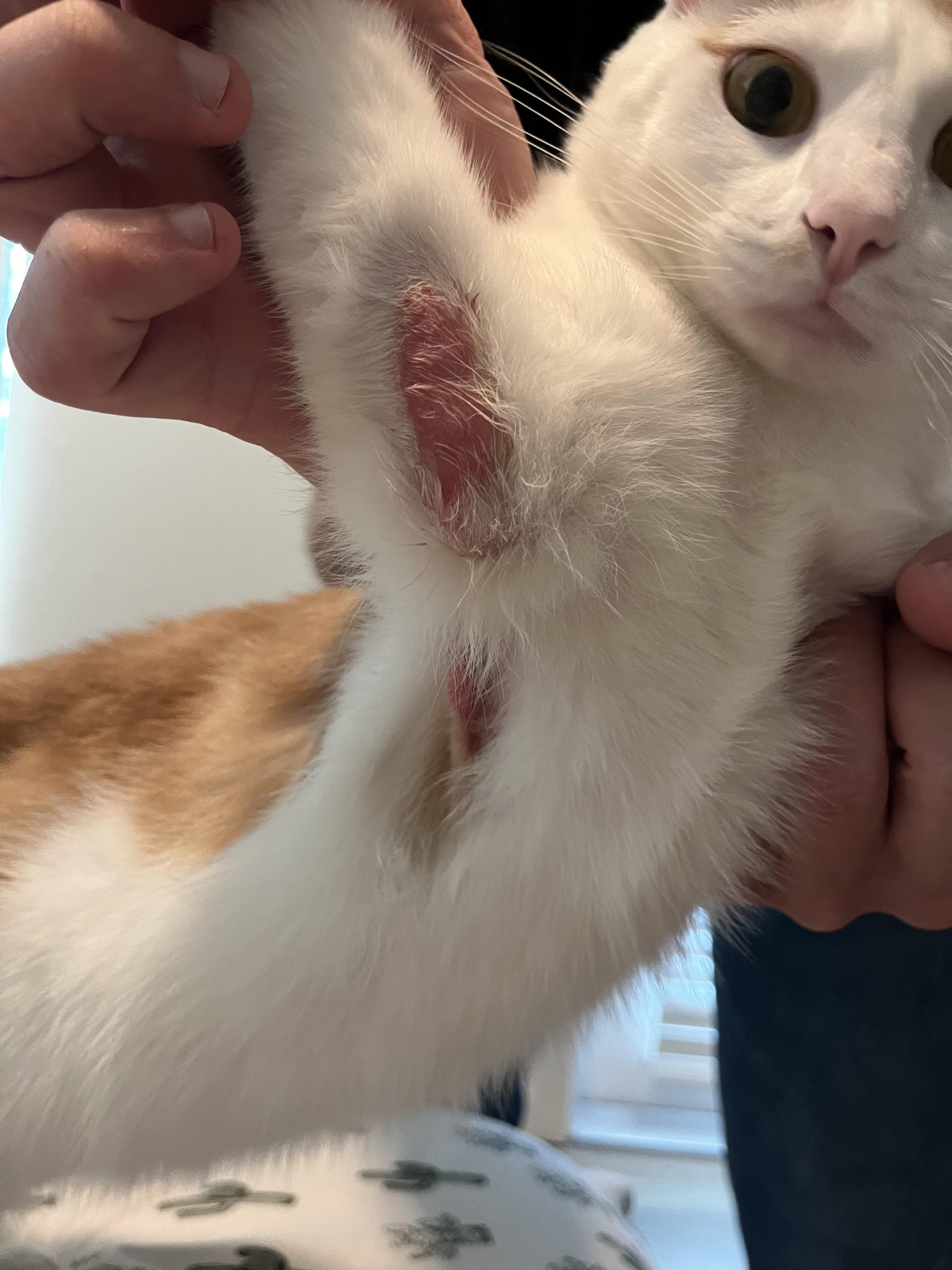
Bacterial or fungal infections may develop when your cat’s skin is broken from scratching. These infections cause redness, swelling, and more itching, creating a vicious cycle. If you notice any sores or scabs, it’s time to consult your vet.
Addressing infections early prevents them from worsening. Have you ever noticed your cat licking one spot until it looks raw? That could be a sign of an infection needing treatment.
Dry Skin Issues
Dry skin often causes flakes and itchiness, especially in winter or dry climates. Poor nutrition or dehydration can also contribute to your cat’s dry skin. Using a humidifier or improving your cat’s diet might reduce their scratching.
Does your cat’s coat look dull or feel rough? These signs often point to skin dryness. Small changes in their care routine can make a big difference in how comfortable they feel.
Why Cats Groom Excessively
Excessive grooming in cats can be puzzling and concerning. You might notice your feline friend spending hours licking or scratching, more than usual. Understanding why your cat grooms excessively can help you spot potential problems early and improve their well-being.
Stress And Anxiety
Stress is a common reason cats groom themselves too much. Changes in their environment, such as moving to a new home or introducing a new pet, can trigger anxiety. Your cat might groom to calm down, but this behavior can spiral into over-grooming.
Have you seen your cat lick the same spot repeatedly after a loud noise or a visit to the vet? That’s a sign they are trying to comfort themselves. Providing safe spaces and consistent routines can help reduce stress-related grooming.
Pain And Discomfort
Sometimes grooming signals pain rather than cleanliness. Cats tend to lick or scratch areas where they feel discomfort, like a hidden injury or arthritis. If your cat is focusing on one spot or seems restless, it might be hurting.
Watch for signs like limping or sensitivity when touched. Seeking a vet’s opinion is crucial because untreated pain can lead to more severe issues.
Behavioral Causes
Excessive grooming can become a habit, especially in cats left alone for long periods. Boredom or lack of stimulation might push your cat to groom out of habit rather than necessity. This behavior can worsen if you don’t provide enough mental and physical activity.
Try interactive toys, playtime, or puzzle feeders to keep your cat engaged. Have you noticed if your cat grooms more when you’re away? Offering attention and activity can make a big difference.
Medical Conditions
Several health problems can cause your cat to groom excessively. Skin allergies, parasites like fleas, or infections often lead to itching and scratching. Other issues such as thyroid problems or fungal infections might also be behind this behavior.
Don’t ignore persistent grooming—especially if you see bald spots or sores. A thorough check-up by your vet can identify and treat the underlying medical cause effectively.
Identifying Symptoms To Watch For
When your cat starts scratching and grooming more, it’s essential to observe closely. These behaviors can signal underlying issues. Identifying symptoms early helps in addressing any potential health problems. Monitor your cat for changes to ensure they stay healthy and happy.
Visible Skin Changes
Examine your cat’s skin for redness or swelling. These signs might indicate irritation. Look for any bumps or scabs. They could suggest an allergic reaction or infection. Healthy skin is smooth and consistent in color.
Behavioral Shifts
Notice if your cat becomes more irritable. Changes in mood can signal discomfort. Increased hiding or reduced interaction might also indicate issues. Pay attention to any new, unusual behaviors your cat exhibits.
Hair Loss Patterns
Check for unusual patches of hair loss. Excessive grooming can lead to bald spots. Focus on areas your cat grooms more frequently. These patches might be a response to fleas or other irritants.
Changes In Appetite Or Activity
Observe if your cat’s eating habits change. Reduced appetite can indicate stress or illness. Increased or decreased activity levels can also be a sign. Keeping track of these changes helps in identifying potential health issues.
When To Visit The Veterinarian
Noticing your cat scratching and grooming excessively can be worrying. Sometimes, these behaviors are harmless, but other times they signal health problems that need professional care. Knowing when to visit the veterinarian can save your furry friend from discomfort and prevent potential complications.
Signs That Need Immediate Attention
Watch closely for sudden changes in your cat’s behavior. If your cat is scratching so much that their skin becomes red, raw, or bleeding, it’s time to act fast.
- Open sores or scabs
- Hair loss in patches
- Swelling or lumps under the fur
- Visible parasites like fleas or ticks
- Signs of pain when touched
- Excessive grooming leading to bald spots
Have you noticed your cat shaking its head frequently or rubbing its face against furniture? These could be signs of ear or dental issues. Don’t wait for these symptoms to worsen—early intervention helps your cat heal faster.
Diagnostic Tests Used
Your vet will want to find the root cause of the scratching and grooming. They may start with a physical exam to check your cat’s skin, coat, ears, and overall health.
Tests may include:
- Skin scrapings:To identify mites or fungal infections.
- Allergy testing:To detect environmental or food allergies.
- Blood tests:To rule out systemic issues like thyroid problems.
- Flea combing:To catch flea infestations that are often missed by the naked eye.
- Biopsy:In rare cases, to check for skin cancers or autoimmune diseases.
Sometimes, pinpointing the cause takes patience, but thorough testing leads to better treatment decisions.
Treatment Options Available
Treatment depends on the diagnosis. If fleas are the problem, your vet will recommend safe flea control products. For allergies, they might suggest dietary changes or medications to reduce itching.
Infections may require antibiotics or antifungal drugs. Your vet might also prescribe medicated shampoos or topical creams to soothe irritated skin. Remember, never use over-the-counter treatments without veterinary advice, as some can harm your cat.
Ask your vet about ways to manage your cat’s environment to reduce allergens or stress, which often worsen scratching. With the right care, your cat can return to their calm, happy self. Are you ready to take the next step for your cat’s health?
Preventing Scratching And Over-grooming
Excessive scratching and over-grooming can be frustrating for both you and your cat. These behaviors often signal discomfort or stress, but the good news is that you can take steps to prevent them. Focusing on key areas like flea control, diet, stress management, and environment can make a big difference.
Regular Flea Control
Fleas are a common cause of itching and skin irritation in cats. Even a few fleas can cause significant discomfort, leading to relentless scratching and grooming. Regular flea treatments tailored to your cat’s needs can keep these pests at bay and reduce the urge to scratch.
Check your cat’s fur and skin often, especially during warmer months. If you notice any signs of fleas or flea dirt, act quickly. Preventive flea control isn’t just about treatment—cleaning your home and bedding regularly helps too.
Balanced Diet And Nutrition
Your cat’s diet plays a major role in skin health. Poor nutrition can lead to dry, itchy skin, which encourages over-grooming. Ensure your cat eats a balanced diet rich in omega-3 and omega-6 fatty acids to support healthy skin and a shiny coat.
If your cat has food allergies or sensitivities, identifying and eliminating trigger foods can reduce itching. Have you noticed if certain foods make your cat scratch more? Consulting your vet about hypoallergenic diets might be worth considering.
Stress Reduction Techniques
Stress often triggers excessive grooming and scratching. Changes in routine, new pets, or loud noises can unsettle your cat. Creating a calm, predictable environment helps your cat feel secure and less prone to stress-related behaviors.
Try gentle play sessions, soothing music, or pheromone diffusers to ease anxiety. You might be surprised how a simple change, like a cozy hiding spot, can reduce your cat’s stress levels. What small changes could make your cat feel safer today?
Environmental Enrichment
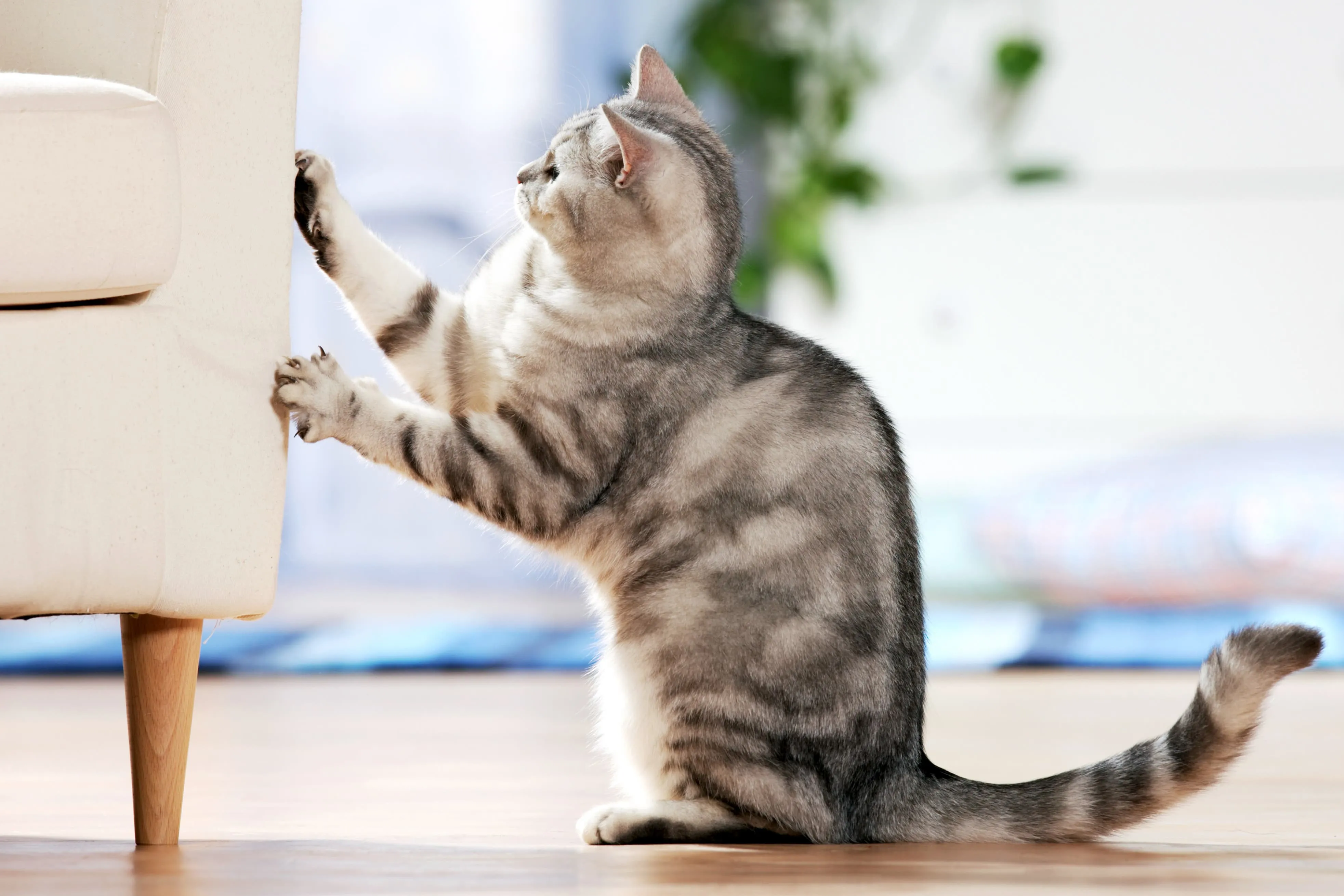
Boredom can lead to over-grooming as cats try to entertain themselves. Providing a stimulating environment with toys, scratching posts, and interactive playtime keeps your cat mentally and physically engaged. This helps divert their energy away from scratching and grooming excessively.
Rotate toys regularly to keep things interesting and consider adding climbing shelves or window perches. How often do you refresh your cat’s play area? Keeping their environment dynamic can make a noticeable difference in their behavior.

Credit: justcatsclinic.com
Credit: www.webmd.com
Frequently Asked Questions
Why Is My Cat Scratching Excessively?
Excessive scratching in cats often signals fleas, allergies, or skin infections. It may also indicate stress or boredom. Check for visible parasites and consult a vet to identify the cause and get proper treatment.
What Causes Cats To Groom Themselves So Much?
Cats groom excessively due to stress, allergies, or skin irritation. Overgrooming can also result from pain or parasites. If grooming seems obsessive, a vet visit can help diagnose underlying issues and recommend solutions.
Can Flea Infestation Cause My Cat To Scratch More?
Yes, fleas are a common cause of increased scratching. Flea bites irritate the skin, causing itching and discomfort. Treating fleas promptly with vet-approved products reduces scratching and prevents further skin problems.
How Can I Reduce My Cat’s Scratching And Grooming?
To reduce scratching and grooming, eliminate fleas and allergens. Provide a stress-free environment and regular vet checkups. Use recommended shampoos or medications to soothe irritated skin and prevent overgrooming behaviors.
Conclusion
Cats scratch and groom to stay clean and healthy. Sometimes, they do it too much. This can mean they feel itchy or stressed. Watch your cat’s behavior closely. Check for fleas, dry skin, or allergies. A visit to the vet might be needed.
Keeping your cat comfortable helps reduce scratching. Remember, gentle care and attention make a big difference. Your cat will feel better and happier soon. Don’t ignore signs of excessive grooming or scratching. Taking action early keeps your pet safe and calm.


Leave a Reply