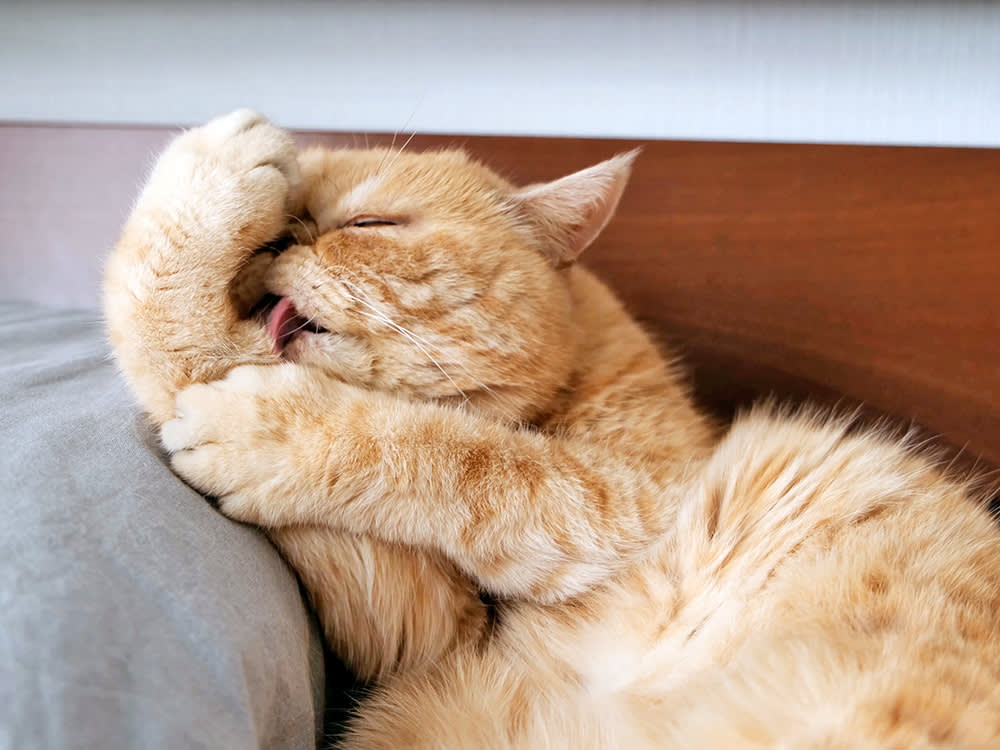
Have you noticed your cat suddenly stopping his grooming routine? It’s natural to wonder why your furry friend is no longer keeping himself clean.
Grooming is more than just a habit for cats—it’s a key part of their health and happiness. When your cat stops grooming, it can signal that something is wrong. You might feel worried, confused, or unsure about what to do next.
You’ll discover the common reasons behind this change and learn how to help your cat feel comfortable and cared for again. Keep reading to find out what your cat’s behavior is really telling you.
Common Grooming Habits
Understanding your cat’s common grooming habits can help you spot when something is off. Cats spend a good chunk of their day grooming, and this behavior is key to their health and comfort. Watching how and when your cat grooms can reveal a lot about their well-being.
How Cats Groom Themselves
Cats use their tongue, teeth, and paws to keep clean. Their rough tongues act like tiny combs, removing dirt and loose fur. You’ll often see your cat licking their fur in small, repeated strokes, sometimes nibbling gently to tackle tangles or dirt.
They also use their paws to wash their face, licking their paw then rubbing it over their head. This technique allows them to reach spots their tongue can’t. Grooming is not just about cleanliness—it also helps cats regulate their body temperature and reduce stress.
Frequency And Patterns
Most cats groom themselves several times a day, often spending between 30% to 50% of their awake time on it. Younger cats and those with long fur tend to groom more frequently. You might notice your cat groom intensely after meals, naps, or playtime.
However, if your cat suddenly stops or drastically reduces grooming, it may signal a problem. Are they grooming unevenly or missing spots? Changes like these can point to pain, skin issues, or emotional stress. Observing your cat’s usual routine will help you catch early signs of trouble.

Credit: www.reddit.com
Health Issues Affecting Grooming
Cats usually groom themselves to stay clean and healthy. Grooming helps remove dirt, loose hair, and parasites. When a cat stops grooming, health problems might be the cause. These issues can make grooming painful or difficult. Observing your cat’s behavior can reveal signs of health problems affecting grooming.
Skin Infections And Parasites
Skin infections cause itching and discomfort. Cats with infections may avoid grooming sore areas. Parasites like fleas and mites irritate the skin. They cause redness, hair loss, and pain. These issues make grooming unpleasant for cats. Treating infections and parasites is essential for normal grooming.
Dental Problems
Pain in the mouth can stop grooming. Cats with dental issues may find it hard to clean their face. Swollen gums or broken teeth cause discomfort. This pain can lead to less grooming or neglecting certain areas. Regular dental check-ups help prevent these problems.
Arthritis And Mobility Issues
Older cats often face arthritis or joint pain. Stiffness and discomfort reduce their ability to reach certain spots. Grooming becomes a struggle when joints hurt. Cats may stop grooming areas like the back and legs. Managing arthritis can improve mobility and grooming habits.
Psychological Factors
Cats are known for their impeccable grooming habits. But sometimes, they stop grooming themselves. This change can often be due to psychological factors. Understanding these can help address the issue effectively.
Stress And Anxiety
Cats are sensitive to changes. New environments or routines may cause stress. This stress can lead to a halt in grooming. Loud noises or unfamiliar faces in the home can also contribute. Observing your cat’s environment helps identify stress triggers. Reducing these triggers can encourage your cat to resume grooming.
Depression In Cats
Cats can experience depression. It often manifests as a lack of interest in activities. This includes grooming. Loss of a companion or lack of stimulation can cause depression. Providing toys and engaging activities can improve their mood. A happy cat is more likely to groom itself regularly.
Environmental Influences
Environmental factors play a big role in a cat’s grooming habits. Cats depend on a calm and familiar setting to feel safe and relaxed. Changes in their environment can cause stress. Stress often leads to a drop in grooming. Understanding these influences helps in caring for your cat better.
Changes In Surroundings
Cats are very sensitive to changes around them. Moving to a new home or rearranging furniture can confuse them. New noises or unfamiliar people may also cause anxiety. This anxiety can make cats stop grooming. They might hide or act withdrawn instead. Keeping their space consistent helps maintain their grooming routine.
Lack Of Stimulation
Cats need mental and physical activity daily. Without enough stimulation, they can get bored or depressed. Boredom reduces their interest in self-care like grooming. Toys, playtime, and interaction keep cats active and happy. A lively environment encourages regular grooming and healthy behavior.
Diet And Nutrition Impact
Your cat’s diet plays a big role in how well they groom themselves. Poor nutrition can lead to a dull coat and less interest in cleaning. If your cat suddenly stops grooming, it might be time to look at what they’re eating and how it affects their skin and fur health.
Nutritional Deficiencies
Essential nutrients like omega-3 fatty acids, vitamins A and E, and proteins keep your cat’s skin healthy and fur shiny. Without enough of these, your cat may feel itchy or uncomfortable, causing them to avoid grooming.
Think about your own diet—when you miss key vitamins, your skin and hair can suffer. Cats feel the same. You can check labels on cat food and choose options rich in these nutrients.
Have you noticed your cat’s coat becoming patchy or dull? That could be a sign of missing nutrients. Adding supplements or switching to a higher-quality food might help bring back their grooming habits.
Food Allergies
Food allergies can make your cat’s skin irritated or inflamed, leading to discomfort and less grooming. Common allergens include certain proteins like beef, dairy, or grains.
If your cat scratches a lot or has red, flaky skin, an allergy could be the cause. Changing their diet to hypoallergenic or limited-ingredient formulas can reduce these symptoms and encourage grooming again.
Sometimes, you need to try different foods and watch how your cat reacts. Does their grooming improve after a diet change? Paying attention to these signs can help you find the right nutrition to support their self-care.

Credit: www.reddit.com
When To Seek Veterinary Help
Knowing when to seek veterinary help for your cat’s grooming habits can make a big difference in their health and happiness. Cats often stop grooming due to underlying issues that may not be obvious at first. Paying close attention to changes in behavior and physical condition can guide you in deciding the right time to consult a professional.
Warning Signs
Look out for sudden changes in your cat’s grooming routine, especially if your cat stops grooming entirely or excessively overgrooms one area. You might notice matted fur, bald patches, or an unpleasant odor. These signs could indicate pain, skin infections, or other health problems.
Other warning signs include:
- Visible wounds or swelling
- Changes in appetite or activity levels
- Increased hiding or aggression
- Difficulty moving or stiffness
Have you noticed your cat grooming less after an injury or illness? This is a strong signal to get a vet’s opinion promptly.
Diagnostic Tests
Your veterinarian will likely perform several tests to understand why your cat stopped grooming. A physical exam is the first step to check for pain, lumps, or skin issues. Blood tests can reveal infections, hormonal imbalances, or organ problems that affect grooming behavior.
Other common diagnostic tools include:
- Skin scrapings to check for parasites or fungal infections
- Allergy testing to identify environmental or food triggers
- X-rays or ultrasounds if joint pain or internal issues are suspected
Think about how detailed your observations of your cat’s symptoms can help the vet choose the right tests. The more information you provide, the faster your cat can get the right treatment.
Improving Grooming Habits
Improving your cat’s grooming habits is important for their health. Grooming helps remove dirt, loose fur, and prevents skin problems. When cats stop grooming, their coat can become matted and skin issues may develop.
Helping your cat groom regularly can improve their comfort and appearance. It also supports their emotional well-being. Simple care routines and professional help can make a big difference.
Home Care Tips
- Brush your cat gently every day to remove loose hair.
- Use a soft brush suitable for your cat’s fur type.
- Check your cat’s skin for redness, bumps, or dryness regularly.
- Keep your cat’s nails trimmed to avoid scratching injuries.
- Provide a calm and clean space to encourage grooming.
- Offer a healthy diet rich in omega fatty acids for skin health.
- Keep your cat hydrated to support their skin and coat.
- Spend time petting and comforting your cat to reduce stress.
Professional Grooming Services
- Schedule regular visits to a professional groomer for thorough care.
- Groomers can remove mats and clean hard-to-reach areas safely.
- Professional grooming can help detect skin problems early.
- Groomers use special tools and products suited for sensitive skin.
- They can trim fur to keep your cat comfortable in hot weather.
- Consult your vet before choosing a grooming service.
- Some groomers offer gentle baths to soothe irritated skin.
- Professional care supports your cat’s overall grooming routine.

Credit: www.reddit.com
Frequently Asked Questions
Why Does My Cat Suddenly Stop Grooming?
Cats may stop grooming due to illness, pain, or stress. Conditions like arthritis or dental issues can cause discomfort. Stressful changes in environment or routine also affect grooming habits. Regular vet check-ups help identify and treat underlying problems to restore grooming behavior.
Can Skin Problems Cause Grooming Loss In Cats?
Yes, skin issues like allergies, infections, or parasites often lead to grooming loss. Cats avoid grooming irritated or painful areas. Treating skin conditions promptly with a vet’s guidance helps restore normal grooming and comfort.
Is Lack Of Grooming A Sign Of Aging In Cats?
Older cats may groom less due to arthritis or reduced mobility. Aging affects flexibility and energy, making grooming difficult. Providing assistance and regular health checks supports their grooming needs and overall well-being.
How Does Stress Affect My Cat’s Grooming Habits?
Stress can cause cats to stop grooming or over-groom. Changes like moving homes or new pets trigger anxiety. Creating a calm environment and offering comfort reduces stress, encouraging normal grooming routines.
Conclusion
Cats stop grooming for many reasons. Illness, pain, or stress may cause this change. Keep an eye on your cat’s behavior. Regular vet visits can catch health problems early. Help your cat feel safe and calm. Clean their fur gently if needed.
Proper care supports your cat’s happiness and health. Acting quickly makes a big difference. Your cat trusts you to keep them well. Stay patient and watch for any new signs. Taking these steps helps your cat feel loved and cared for.

Leave a Reply