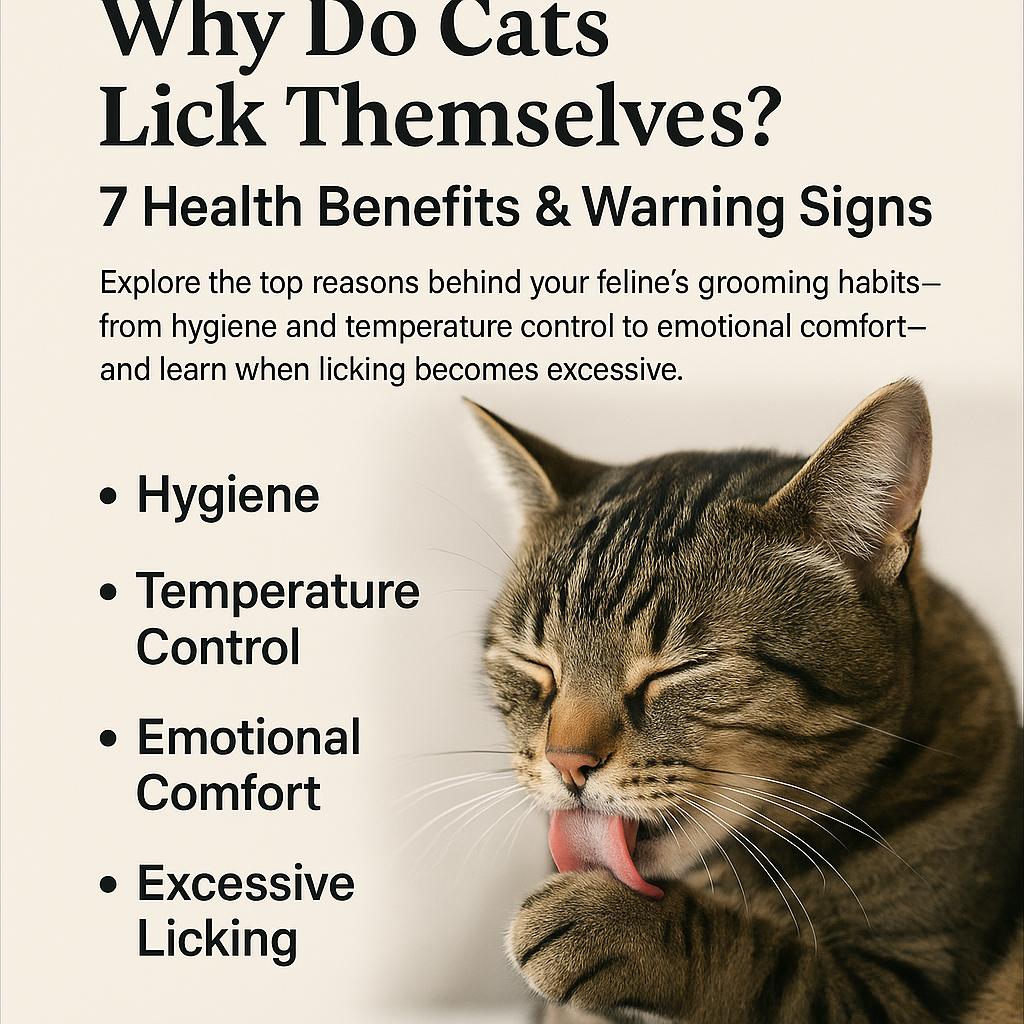
Have you ever caught your cat grooming herself over and over and wondered why she just can’t stop? You’re not alone.
Cats spend a lot of time cleaning their fur, but sometimes it feels like they’re doing it way too much. Understanding why your cat keeps grooming herself can help you spot if she’s just being a neat freak or if something else is going on.
Keep reading to discover the surprising reasons behind your cat’s constant grooming and learn what it means for her health and happiness.
Credit: pethelpful.com
Normal Grooming Habits
Understanding your cat’s normal grooming habits can help you tell when her behavior is healthy or when it might signal a problem. Cats are naturally clean animals, and their grooming routines are part of their daily life. Watching your cat carefully can reveal a lot about her well-being and comfort level.
Daily Cleaning Routine
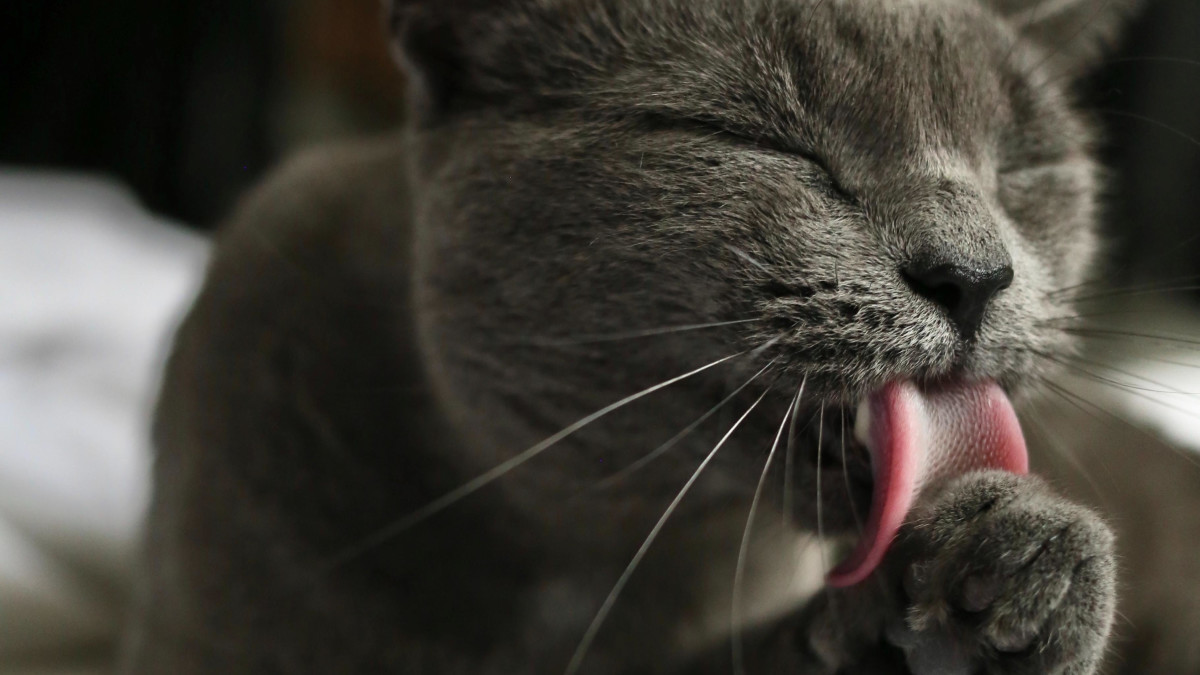
Your cat spends a significant part of her day cleaning herself. Grooming helps her remove dirt, loose fur, and even parasites. You might notice her licking her paws and then rubbing them over her face, which is a common pattern.
Most cats groom several times a day, but the length and intensity can vary. Some may spend 30% to 50% of their waking hours grooming. If your cat suddenly increases or decreases this routine, it might be worth paying attention.
Benefits Of Self-grooming
Self-grooming offers more than just cleanliness. It helps regulate body temperature by spreading saliva over the fur, which cools the skin as it evaporates. It also stimulates blood flow, which keeps the skin healthy.
Grooming is a stress reliever for many cats. When your cat licks herself, it can calm anxiety and create a sense of security. Have you ever noticed your cat grooming more after a stressful event? That’s her way of coping.
By understanding these habits, you can better meet your cat’s needs. Does your cat have a favorite spot she grooms the most? Observing these details can give you clues about her comfort and health.
)
Credit: www.northroadvet.com.au
Health-related Causes
Your cat’s constant grooming might seem like simple cleanliness, but it can signal health-related issues that deserve your attention. When grooming becomes excessive, it’s often a sign your feline friend is trying to soothe discomfort or react to an underlying condition. Understanding these health causes can help you decide when to consult your vet.
Skin Allergies And Irritations
Skin allergies are a common reason why cats groom themselves excessively. Your cat might be reacting to food ingredients, environmental factors like pollen, or even certain cleaning products. You may notice redness, bumps, or patches where the fur looks thinner.
Have you observed your cat rubbing against furniture or licking one spot repeatedly? These behaviors often accompany allergic reactions. If you catch these signs early, you can work with your vet to identify triggers and provide relief.
Parasite Infestations
Parasites such as fleas, mites, or ticks cause intense itching that leads cats to groom nonstop. Even a single flea can make your cat uncomfortable enough to obsessively scratch or lick. Sometimes, you might spot tiny black specks (flea dirt) in your cat’s fur or see the parasites themselves.
Ignoring this can worsen your cat’s distress and lead to infections. Regularly check your cat’s coat and consider preventative treatments. Do you know the signs to look for before infestations become serious?
Pain And Discomfort
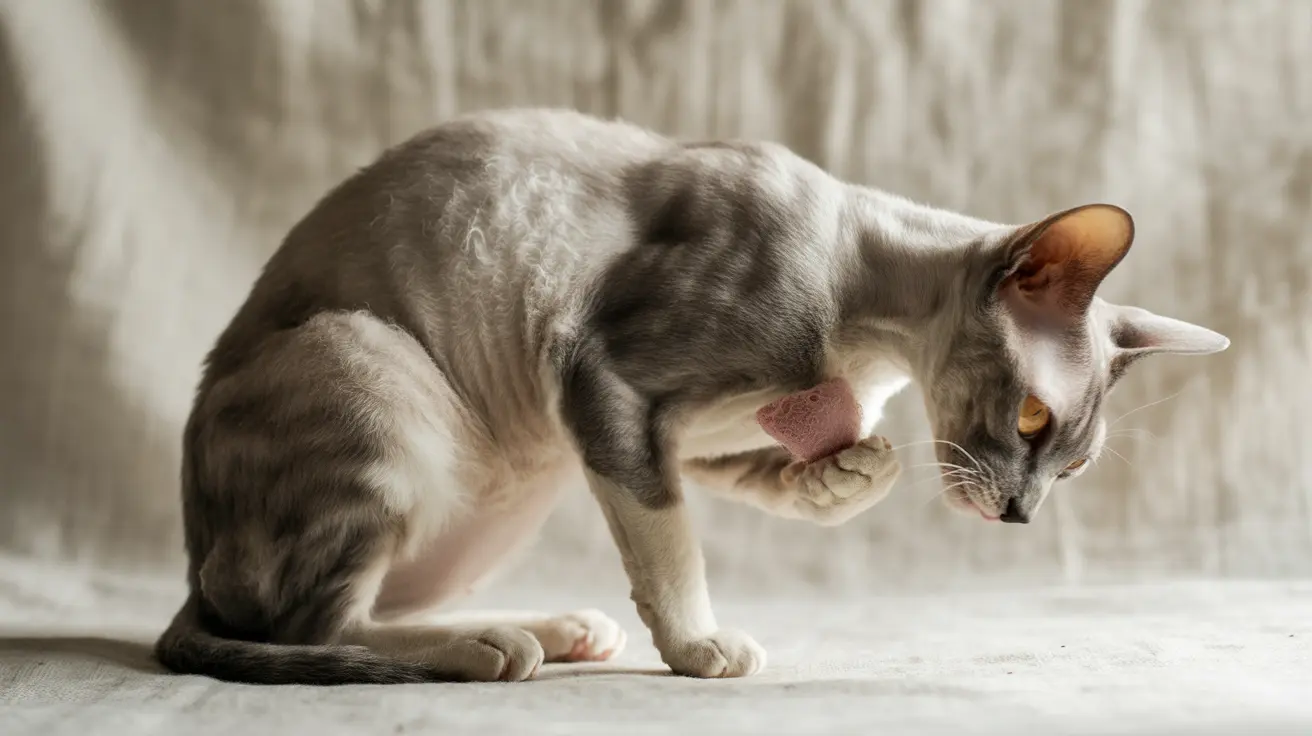
Grooming can be your cat’s way of coping with pain in a specific area. Cats often lick wounds, swelling, or arthritic joints to soothe themselves. If your cat focuses grooming on one spot, it could indicate an injury or internal discomfort.
Watching how your cat moves and interacts can reveal hidden pain. You might notice limping, reluctance to jump, or changes in behavior that accompany intense grooming. What would your cat’s grooming patterns say about their overall health if you looked closely?
Behavioral Triggers
Your cat’s grooming habits might seem puzzling at times, especially when she seems to be doing it excessively. Various behavioral triggers could be behind this constant grooming. Understanding these can help you address any underlying issues and ensure your feline friend stays happy and healthy.
Stress And Anxiety
Cats are sensitive creatures, and changes in their environment can lead to stress and anxiety. A new pet, a move, or even a change in your schedule can make your cat feel uneasy. This stress often results in excessive grooming as a coping mechanism.
Have you noticed your cat grooming more after a stressful event? This could be her way of trying to soothe herself. Consider creating a calm environment with familiar scents to help her feel secure.
Boredom And Lack Of Stimulation
Just like humans, cats can get bored. When there’s nothing to engage their minds or bodies, they might turn to grooming to fill the void. Over-grooming can be a sign that your cat needs more mental and physical stimulation.
Imagine being stuck in a room with nothing to do for hours. Wouldn’t you seek out any form of distraction? Providing toys, interactive playtime, and even a window perch for bird watching can keep your cat entertained and reduce excessive grooming.
Have you checked your cat’s environment lately? Adding new activities might just be the key to curbing her grooming habits.
Environmental Factors
Environmental factors often play a big role in why your cat keeps grooming herself. Changes around her or exposure to certain irritants can trigger this behavior. Understanding these triggers helps you provide a calmer, more comfortable space for your feline friend.
Changes In Surroundings
Have you recently moved furniture or introduced new pets? Such changes can stress your cat, leading to increased grooming as a coping mechanism. Grooming releases endorphins, which help her feel safer and more in control.
Even small disruptions like new scents, unfamiliar visitors, or loud noises can make your cat uneasy. Notice if her grooming spikes after these events. If so, try to create quiet, cozy spots where she can retreat and relax.
Exposure To Irritants
Your cat’s skin is sensitive to irritants like dust, pollen, or cleaning products. These can cause itchiness or discomfort, making her lick or scratch more often. Have you changed your cleaning routine or introduced new sprays recently?
Parasites such as fleas or mites are common irritants that increase grooming. Regularly check her coat and consider using vet-approved treatments. Keeping her environment clean and allergen-free can reduce this behavior significantly.
When Grooming Becomes Excessive
Grooming is a normal part of a cat’s daily routine, but sometimes it can spiral into overgrooming. When your cat spends excessive time licking or biting her fur, it might be more than just habit or cleanliness. This behavior could signal discomfort or stress that needs your attention.
Signs Of Overgrooming
How do you tell if your cat’s grooming has crossed the line? Look for patches of missing fur or red, irritated skin where she’s been licking or biting. If you notice your cat grooming for hours at a stretch or focusing on one spot, that’s a warning sign.
Other signs include:
- Visible wounds or scabs from licking
- Hairballs becoming more frequent
- Restlessness or anxiety during grooming sessions
Have you ever seen your cat obsessively clean one spot until it looks raw? That’s a clear signal something is wrong.
Potential Health Risks
Overgrooming can lead to several health problems that affect your cat’s well-being. Constant licking can break the skin, causing infections or open sores that might need veterinary care.
Repeated hair loss weakens the skin’s defense and can invite parasites or fungal infections. Additionally, the stress causing overgrooming often affects your cat’s appetite and mood, reducing her overall quality of life.
Ignoring these signs might allow an underlying condition, like allergies or anxiety, to worsen. It’s important to ask yourself: is your cat grooming to stay clean, or is it a response to discomfort you haven’t identified yet?
Credit: www.petscare.com
How To Help Your Cat
Helping a cat that grooms herself too much needs care and attention. Understanding why she grooms is the first step. Sometimes, extra grooming means stress, boredom, or health problems. Offering support helps her feel safe and comfortable. Small changes can make a big difference in her behavior and well-being.
Improving Environment And Enrichment
Provide toys and activities to keep your cat busy. Cats need playtime to reduce stress and boredom. Create safe spaces like cozy beds or hiding spots. Change the toys regularly to keep her interested. Use scratching posts to help release energy and frustration.
Keep her routine steady. Cats feel calmer with a regular schedule for feeding and playing. Avoid loud noises and sudden changes in the home. These can make your cat anxious and lead to over-grooming.
Consulting A Veterinarian
Visit a vet if grooming seems excessive or causes skin problems. The vet can check for allergies or skin infections. Some cats groom too much because of pain or discomfort. A vet might suggest treatments or medications to help.
Discuss your cat’s grooming habits with the vet. They can give advice specific to your cat’s needs. Early care can stop the problem from getting worse. Regular check-ups keep your cat healthy and happy.
Frequently Asked Questions
Why Does My Cat Groom Herself So Often?
Cats groom frequently to keep their fur clean and remove dirt. Grooming also helps regulate body temperature and reduce stress. It’s a natural behavior that promotes comfort and health.
Can Excessive Grooming Indicate A Health Problem?
Yes, excessive grooming can signal allergies, parasites, or skin infections. It may also indicate anxiety or pain. If grooming seems obsessive, consult a veterinarian for diagnosis and treatment.
How Does Grooming Benefit My Cat’s Health?
Grooming removes loose hair, dirt, and parasites, preventing skin issues. It stimulates blood circulation and helps distribute natural oils. This keeps the coat shiny and the skin healthy.
Is Grooming A Sign Of Stress In Cats?
Sometimes, cats groom excessively when stressed or anxious. It acts as a coping mechanism to calm themselves. Monitor other signs of stress and consider environmental changes if needed.
Conclusion
Cats groom themselves to stay clean and healthy. This behavior also helps them feel calm and relaxed. Sometimes, grooming shows stress or health problems. Watch for changes in how often your cat grooms. Too much grooming might mean something is wrong.
Regular grooming is normal and good for your cat. Understanding this habit helps you care for your pet better. Keep an eye on your cat’s behavior to keep her happy and well. Simple care and attention make a big difference.

Leave a Reply