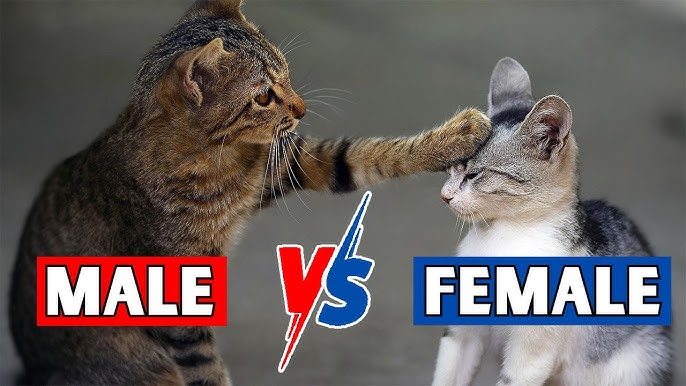
Have you ever watched cats carefully groom each other, only to suddenly start fighting moments later? It’s confusing, right?
If you’ve wondered why your feline friends switch from being gentle and loving to aggressive so quickly, you’re not alone. Understanding this strange behavior can help you better care for your cats and keep peace in your home. Keep reading, because uncovering the reasons behind this puzzling mix of affection and conflict will change the way you see your cats forever.
Credit: www.petscare.com
Cat Grooming Behavior
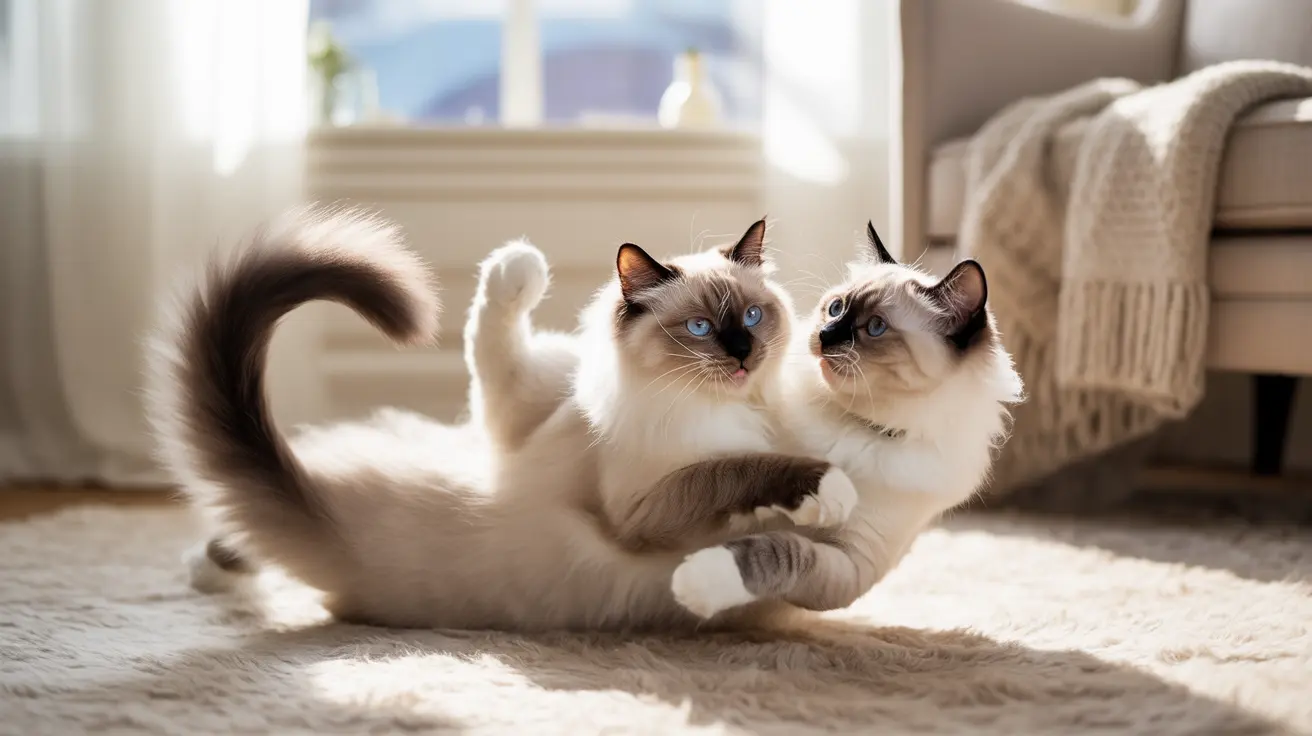
Cats often groom each other in what looks like a peaceful, caring act. This behavior plays a key role in their social life. Grooming is more than cleaning. It helps build and maintain relationships among cats. Yet, this close contact can sometimes lead to fights. Understanding why cats groom each other and then fight starts with knowing their grooming behavior.
Purpose Of Grooming
Grooming helps cats keep clean and healthy. They remove dirt, loose fur, and parasites. Grooming also cools them down on hot days. It reduces stress and calms them. Cats use their tongues to spread natural oils across their fur. This keeps their coat shiny and soft. Grooming is a vital part of a cat’s daily routine.
Social Bonding Through Grooming
Grooming is a way cats show trust and friendship. Cats that live together often groom each other. This act strengthens their social bonds. It helps them feel safe and connected. Grooming is like a social handshake or hug. It reduces tension and prevents fights. But sometimes, a small mistake during grooming can trigger a fight. The bond is strong but also delicate.

Credit: www.youtube.com
Reasons For Grooming Then Fighting
Cats often show a strange mix of affection and aggression. They groom each other to bond and stay clean. Yet, this friendly act can suddenly turn into a fight. Understanding why cats groom then fight helps us learn about their social nature. Several reasons explain this behavior, including territory, sensory limits, and communication.
Territorial Instincts
Cats have strong territorial feelings. Grooming can be a way to mark their space with scent. They share scents to show they belong to the same group. But if one cat feels its territory is threatened, it may react aggressively. Grooming might stop, and a fight can start to protect their area.
Overstimulation And Sensory Overload
Grooming can sometimes cause too much stimulation. Cats have sensitive skin and nerves. A gentle lick can quickly become irritating. When a cat feels overwhelmed, it may lash out. This sudden change helps the cat set boundaries and stop the discomfort.
Communication And Hierarchy
Grooming helps cats communicate and build bonds. It also shows social rank. Higher-ranking cats often groom lower-ranking ones. If a cat feels disrespected or challenged during grooming, it may fight. Fighting reaffirms the social order within the group.
Signs To Watch During Grooming
Cats often groom each other to build trust but may suddenly fight due to tension or misunderstandings. Watch for stiff bodies, flattened ears, or quick tail movements during grooming. These signs hint that friendly grooming might turn into a playful or serious fight.
Cats grooming each other is a common sight. It shows their bond and affection. Yet, this loving act can quickly change to a playful scuffle. Understanding the signs during grooming can help you anticipate these shifts. Observing their behavior is key to knowing when grooming might turn to play-fighting.Body Language Cues
Cats communicate through body language. During grooming, watch for their ears. Forward-facing ears show relaxation, while flattened ears signal irritation. Their tails tell stories too. A gently swaying tail means contentment. A twitching tail suggests they might be getting annoyed. Watch their eyes. Slow blinking indicates calmness. Rapid blinking or wide eyes can mean tension.When Grooming Turns Aggressive
Sometimes, grooming can shift to aggression. Watch for sudden changes in behavior. A cat might stop grooming and start biting. Growling or hissing are clear signs of displeasure. Pay attention to their posture. A stiff body or raised fur shows they are on edge. Separate them if aggression escalates. This ensures they remain safe and calm.Preventing Grooming-related Fights
Grooming-related fights between cats can be confusing and stressful to watch. Although grooming is usually a bonding activity, it can sometimes lead to tension or aggression. Preventing these fights requires attention to your cats’ behavior and environment to keep their interactions positive and respectful.
Creating Personal Space
Each cat needs a safe zone where they can retreat without being bothered. Provide multiple cozy spots around your home, such as beds, shelves, or quiet corners, so your cats don’t feel crowded.
If you notice one cat getting overwhelmed during grooming sessions, gently separate them and let them calm down. Do you know where your cats like to relax alone? Offering those areas as personal spaces can reduce stress and prevent fights.
Monitoring Play And Interaction
Keep an eye on how your cats interact, especially during grooming or playtime. Watch for signs of discomfort, like tail flicking, ears flattening, or sudden vocalizations, which might signal brewing tension.
Intervene early if grooming turns rough or one cat seems annoyed. Redirect their attention with toys or a treat to break the cycle before it escalates into a fight.
Using Positive Reinforcement
Reward calm and friendly behavior during grooming with treats, gentle praise, or petting. This helps your cats associate grooming with positive experiences and reduces the chance of conflict.
Try to notice and reinforce moments when your cats groom each other peacefully or take turns. Have you tried offering treats right after a good grooming session? It can encourage them to keep up the good behavior.
Benefits Of Grooming Despite Conflicts
Even though cats may groom each other and then suddenly start fighting, the grooming itself serves important purposes that go beyond just keeping clean. Grooming helps build and maintain relationships among cats, which is crucial for their social lives. Understanding these benefits can help you see why these moments of care happen despite the occasional conflict.
Strengthening Social Bonds
Grooming is a way cats show trust and affection. When a cat allows another to groom it, it signals a strong social connection. This bond can reduce stress and create a sense of safety within the group.
Think about how you feel when a close friend helps you with something personal. It creates a deeper connection. Cats experience something similar during mutual grooming, making their friendships stronger.
Maintaining Group Harmony
Grooming helps keep the peace among cats living together. It reminds them of their place in the social order and helps prevent bigger fights. Even if they later argue, the grooming session acts as a way to reset tensions.
Have you ever noticed how a small act of kindness can ease a tense situation? Cats use grooming like that—it’s a simple but powerful tool to smooth over conflicts and keep the group stable.

Credit: tryfurgo.com
Frequently Asked Questions
Why Do Cats Groom Each Other?
Cats groom each other to strengthen social bonds and show affection. It also helps remove dirt and loose fur, promoting hygiene.
What Causes Cats To Fight After Grooming?
Cats may fight after grooming due to overstimulation, jealousy, or misinterpretation of social cues. Grooming can sometimes trigger tension.
Is Mutual Grooming A Sign Of Cat Friendship?
Yes, mutual grooming shows trust and friendship among cats. It helps build positive relationships and reduces stress within their group.
How Can I Stop Cats From Fighting After Grooming?
To prevent fights, monitor their behavior closely. Provide separate spaces and intervene calmly if tension rises during grooming sessions.
Conclusion
Cats groom each other to build trust and friendship. Grooming helps them stay clean and calm. Sometimes, they fight to set boundaries or show dominance. This behavior is normal in cat groups. Understanding these actions helps you read your cat’s mood better.
Watch them closely to know when they feel safe or upset. Cats are complex but caring animals. Their grooming and fighting are part of how they talk to each other. Observing these signs can improve your bond with your cat friends.

Leave a Reply