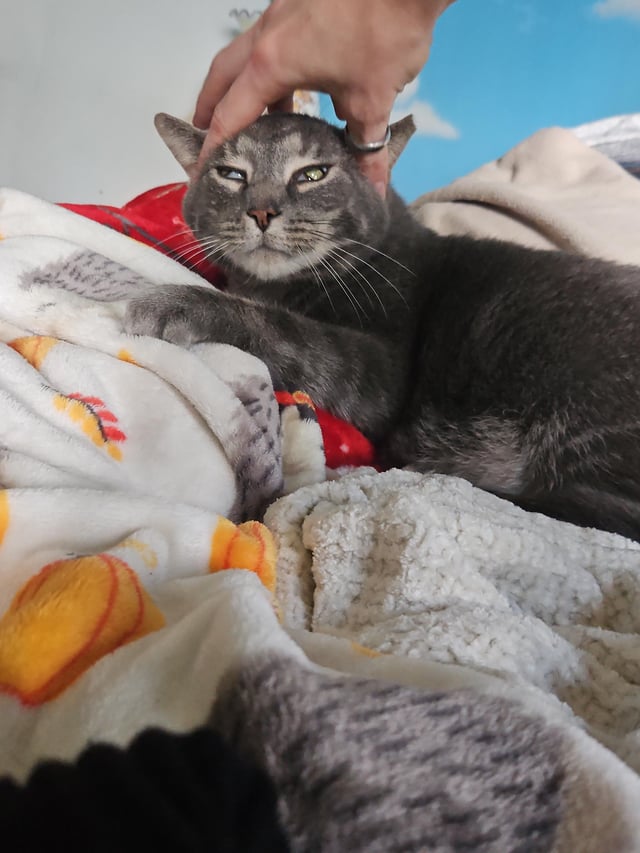
Have you ever watched your cat carefully nibble on its claws and wondered why they do that? It might seem strange or even a little painful to think about.
But your cat isn’t just biting its claws for no reason. Understanding this behavior can help you take better care of your furry friend and keep them comfortable. Keep reading to discover the surprising reasons behind this common grooming habit and what it means for your cat’s health and happiness.
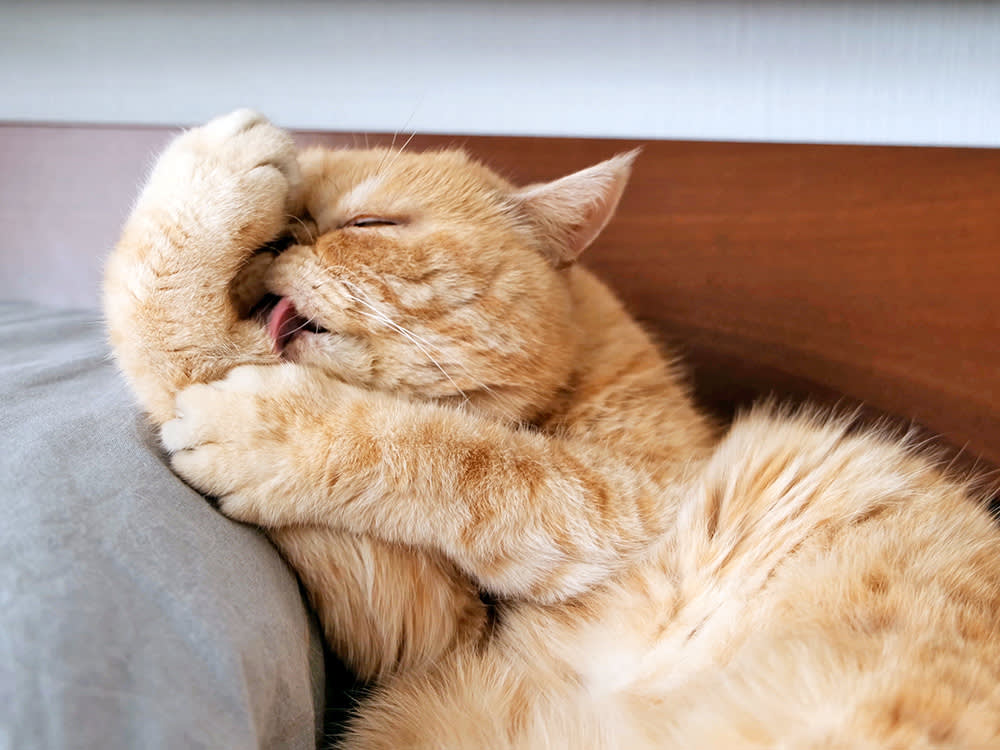
Credit: www.kinship.com
Cat Grooming Habits
Cats are naturally clean animals. Grooming is a big part of their daily routine. They spend hours licking their fur and cleaning their paws. This helps them stay healthy and comfortable. Grooming also keeps their claws in good shape. Understanding these habits helps explain why cats bite their claws during grooming.
How Cats Use Their Claws
Claws serve many purposes for cats. They use claws to climb trees and catch prey. Claws help cats defend themselves from threats. Claws also play a role in balance and movement. Healthy claws are sharp and strong. Cats need to keep them clean and trimmed for these reasons.
Common Grooming Behaviors
- Cats lick their fur to remove dirt and loose hair.
- They bite or chew their claws to clean and trim them.
- Using their teeth helps remove old claw sheaths.
- Cats scratch surfaces to sharpen and maintain claw strength.
- Cleaning paws is important because they touch many surfaces.
These grooming behaviors keep cats feeling good and safe. Biting claws is a natural way to manage claw health. It prevents claws from getting too long or damaged.
Reasons For Claw Biting
Cats often bite their claws during grooming for several reasons. This behavior helps them keep their paws clean and comfortable. Understanding why cats bite their claws can help you care for your pet better. The following sections explain the main reasons behind this behavior.
Removing Dirt And Debris
Cats use their teeth to remove dirt stuck around their claws. This keeps their paws clean and healthy. Biting helps clear away small particles that can cause irritation or infection. Clean claws make it easier for cats to move and climb.
Trimming And Sharpening Claws
Biting claws helps cats trim and sharpen them. This is a natural way to keep claws at a manageable length. Sharp claws aid in hunting and self-defense. Cats often bite to remove old claw layers and reveal sharper tips.
Relieving Itchiness Or Discomfort
Cats may bite their claws if they feel itchiness or discomfort. This could be from allergies, dry skin, or minor injuries. Biting soothes the irritated area and provides relief. Watch for frequent biting, which might signal a health issue.
Stress And Anxiety Responses
Stress or anxiety can cause cats to bite their claws more often. This behavior acts as a coping mechanism. It calms them down and reduces tension. Changes in environment or routine often increase claw-biting behavior.
Health Issues Linked To Claw Biting
Cats may bite their claws due to irritation or pain caused by infections or allergies. This behavior can signal health problems like nail damage or skin issues around the paws. Careful grooming helps spot these signs early and keeps cats comfortable.
Cats biting their claws might seem normal. Yet, it can indicate health issues. Understanding these concerns is essential for cat owners. Claw biting can relate to infections, parasites, and allergies. Each condition affects a cat’s well-being differently.Infections And Irritations
Cats’ claws can get infected. Bacteria or fungi often cause these infections. Look for swelling or redness around the claws. Your cat might also limp or avoid using a paw. Infections need prompt veterinary care.Parasite Infestations
Parasites can irritate a cat’s paws. Fleas or mites are common culprits. These pests cause itching and discomfort. Cats might bite their claws to relieve the itch. Regular flea treatments can prevent infestations.Allergies Affecting Paws
Cats can have allergies. Pollen, dust, or even food might trigger them. Allergies often cause itchy paws. This leads cats to chew their claws for relief. Identifying and removing allergens helps. A vet can suggest allergy tests if needed.When Claw Biting Becomes A Problem
Claw biting is a normal part of a cat’s grooming routine, but it can become a concern if it turns into excessive or harmful behavior. Knowing when your cat’s claw biting crosses the line helps you protect their health and comfort. Let’s explore what signs to watch for and the potential damage this habit can cause.
Signs Of Excessive Biting
Watch closely if your cat starts biting their claws more frequently than usual or seems fixated on them. Excessive claw biting often comes with other behaviors like licking the paws obsessively or avoiding putting weight on a paw.
You might notice your cat becoming restless or agitated during grooming. This can be a sign that something is irritating their claws or skin. Ask yourself: is your cat in pain or stress when grooming?
- Repeated biting or chewing at the same claw
- Swelling or redness around the claws
- Visible discomfort or limping after grooming
- Changes in grooming habits, like neglecting other areas
Potential Damage To Claws And Skin
When claw biting goes beyond simple grooming, it can cause real harm. The claws may become weak, cracked, or even broken, leading to infections. The skin around the claws is also at risk for sores and inflammation.
Damage can lead to painful conditions like ingrown nails or abscesses. This makes your cat less comfortable and may discourage proper grooming. Have you noticed your cat avoiding play or showing sensitivity in their paws?
If you spot any damage, it’s a good idea to consult your vet. Early intervention can prevent long-term issues and help your cat feel better faster.
How To Help Your Cat
Helping your cat with claw biting starts with understanding their needs and creating a supportive environment. You want to reduce discomfort and stress while encouraging healthy habits. Small changes in your daily routine can make a big difference in how your cat feels and behaves.
Regular Claw Trimming
Trimming your cat’s claws regularly stops them from becoming too long and sharp. Overgrown claws can cause discomfort, leading your cat to bite or chew them. Use a proper cat nail clipper and take care not to cut too close to the quick, which can hurt your cat and cause bleeding.
If you’re nervous about trimming, try to make it a calm experience by gently handling your cat’s paws daily. Reward your cat with treats or praise to build positive associations. Have you noticed how some cats actually enjoy this bonding time?
Providing Suitable Scratching Posts
Scratching posts give your cat a safe and natural way to wear down their claws. Without proper outlets, cats may bite their claws out of boredom or frustration. Place scratching posts in places your cat likes to hang out, such as near windows or sleeping areas.
- Choose posts with different textures like sisal or cardboard.
- Make sure the posts are tall enough for a full stretch.
- Encourage use by rubbing catnip on them or playing nearby.
Have you tried watching which surfaces your cat prefers to scratch? Tailoring the posts to their tastes can save your furniture and their claws.
Managing Stress And Anxiety
Stress can cause cats to bite their claws more often as a coping mechanism. Look out for changes in behavior, like hiding or excessive grooming, which may signal anxiety. Creating a calm environment with quiet spaces and predictable routines helps your cat feel safe.
Consider using pheromone diffusers or calming sprays designed for cats. Sometimes, simple changes like adding a cozy bed or a window perch can reduce stress levels. What small changes could you make today to help your cat relax?
Seeking Veterinary Care
If your cat’s claw biting seems excessive or is causing injury, a vet visit is important. Medical issues like infections, allergies, or pain could be the underlying cause. Your vet can check for problems and suggest treatments or medications if needed.
Don’t wait if you see swelling, redness, or your cat limping. Early intervention can prevent complications and make your cat more comfortable. How quickly do you respond when your cat shows signs of discomfort?
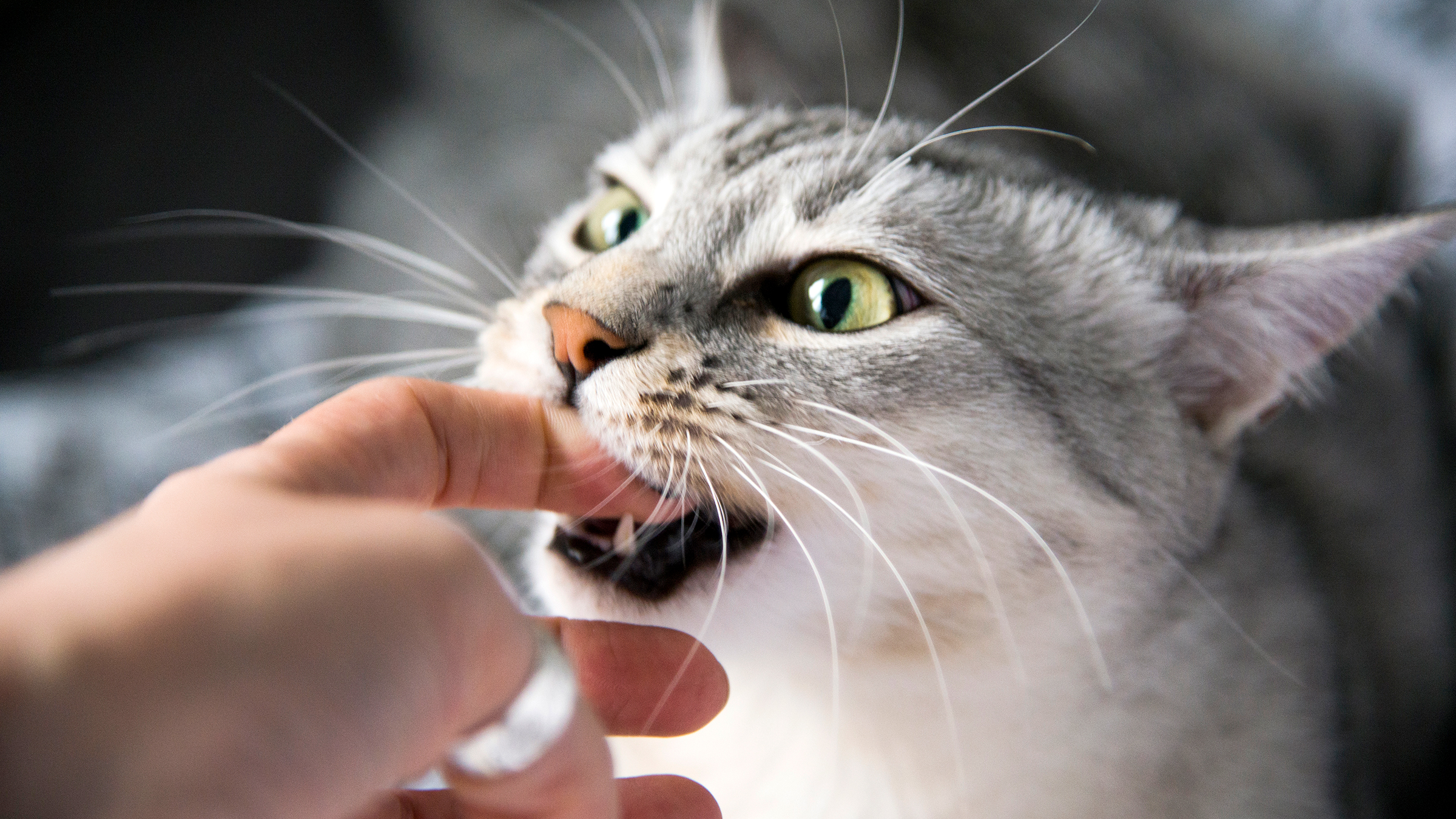
Credit: www.goodrx.com

Credit: www.reddit.com
Frequently Asked Questions
Why Do Cats Bite Their Claws During Grooming?
Cats bite their claws to clean and remove dirt or debris. This behavior helps maintain claw health and sharpness. It also prevents overgrowth, which can cause discomfort or injury. Grooming by biting claws is a natural part of a cat’s self-care routine.
Is Biting Claws Normal Behavior For Cats?
Yes, biting claws is normal and part of grooming. Cats use their teeth to trim and clean their claws. It helps keep claws in good condition and prevents them from getting too long or damaged. This behavior shows healthy self-maintenance.
Can Biting Claws Cause Harm To Cats?
Generally, biting claws does not harm cats if done moderately. Over-biting may cause irritation or injury, indicating stress or health issues. Monitor your cat’s behavior and consult a vet if you notice excessive biting or signs of pain.
How Often Do Cats Groom Their Claws By Biting?
Cats usually groom their claws daily or several times a week. Frequency depends on the cat’s lifestyle and environment. Regular grooming ensures claws stay clean and sharp, supporting their natural hunting and climbing instincts.
Conclusion
Cats bite their claws to keep them clean and sharp. This behavior helps remove dirt and loose parts. It also prevents their claws from growing too long. Sometimes, biting claws feels soothing for cats. Watching this habit can help you understand your pet better.
Keep their nails trimmed and check for problems often. Healthy claws mean a happy cat. Pay attention, and you will see why they do it. Simple care makes a big difference in their comfort.


Leave a Reply