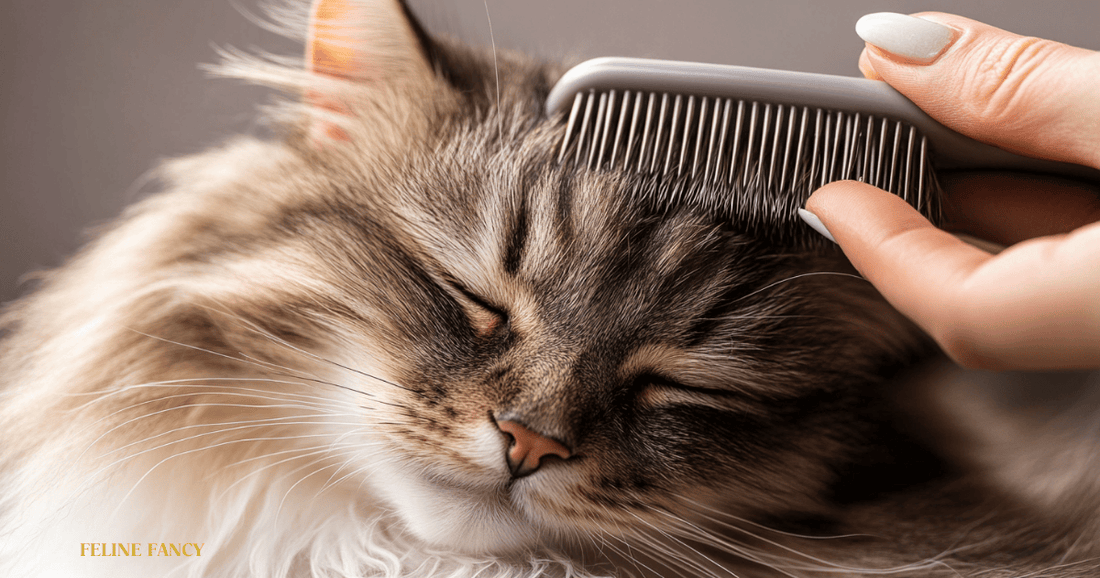
Do you ever wonder if a cat groomer can help with those stubborn mats in your furry friend’s coat? Mats are more than just a nuisance—they can cause discomfort and even health problems for your cat.
If you’ve been struggling to remove them yourself, you might be wondering whether it’s time to call in a professional. You’ll discover exactly what a cat groomer can do for mats, how they handle the delicate process, and what you can expect during a grooming session.
Keep reading to learn how to keep your cat comfortable, happy, and mat-free!

Credit: freshlybailey.com
Role Of A Cat Groomer
A cat groomer plays an important role in maintaining your cat’s overall health and comfort, especially when it comes to dealing with mats. These professionals understand how mats can cause pain and skin problems if left untreated. They use their skills to carefully remove mats without hurting your cat, making grooming a less stressful experience for both you and your pet.
Services Offered
Cat groomers offer a variety of services tailored to your cat’s needs. They not only remove mats but also provide:
- Bathing with gentle shampoos to soothe irritated skin
- Brushing to prevent future mats and tangles
- Nail trimming to keep claws at a healthy length
- Ear cleaning to avoid infections
- Haircuts or trims, especially for long-haired breeds prone to matting
These services work together to keep your cat comfortable and clean. Have you noticed your cat avoiding grooming or scratching more than usual? It might be time to consider professional help.
Tools Used For Mat Removal
Cat groomers rely on specialized tools to safely remove mats. Some common tools include:
- Dematting combs:Designed with sharp edges to cut through mats without pulling the fur.
- Mat splitters:Help to break down thick mats into smaller, easier-to-remove sections.
- Slicker brushes:Used to smooth out the coat after mat removal and catch loose hairs.
- Electric clippers:Used carefully for shaving down mats that cannot be combed out safely.
Each tool has a specific purpose to protect your cat’s delicate skin. Have you ever tried to remove a mat yourself and ended up causing discomfort? Professional groomers know how to use these tools with precision and care.

Credit: www.youtube.com
Types Of Mats In Cat Fur
Mats in cat fur are clumps of tangled hair that form tight knots. These mats can cause discomfort and skin problems. Understanding the types of mats helps in deciding if a cat groomer should remove them. Some mats are small and loose, while others are dense and hard. Proper care prevents mats from worsening and protects your cat’s health.
Causes Of Matting
Mats form when fur stays wet or dirty for long. Cats that do not groom themselves well often get mats. Long-haired cats are more likely to develop mats. Skin oils and dirt cause hair to stick together. Movement and friction from collars or bedding also create mats. Lack of brushing allows loose fur to tangle and mat.
Identifying Different Mats
Loose mats are soft and easy to remove. They often form under the legs or behind ears. Tight mats are dense and hard to pull apart. These mats can pull the skin and cause pain. Large mats cover big areas and can trap moisture. Small mats are easier to handle but need prompt attention. Recognizing the type of mat helps choose the right removal method.
Techniques For Removing Mats
Cat mats can be stubborn and uncomfortable for your feline friend. Removing them is essential for your cat’s comfort and health. Different techniques can help manage and remove these pesky mats. Understanding these methods will make grooming less stressful for your cat.
Brushing And Combing
Brushing is the first step in removing mats. Use a wide-toothed comb to gently untangle the fur. Start from the end of the mat and work towards the skin. Be gentle to avoid hurting your cat. Regular brushing helps prevent mats from forming.
Clipping And Cutting
Severe mats may need clipping. Use pet-safe scissors or clippers to cut the mat. Ensure the tool is sharp to avoid pulling the hair. Keep the blade away from the skin to prevent injuries. It may be best to seek professional help for large mats.
Use Of Detanglers
Detanglers can make the process easier. These sprays soften the fur, making it simpler to comb through. Apply the detangler to the matted area and let it sit for a few minutes. Comb through gently to remove the mat. Detanglers can also reduce friction and static.
When To Seek Professional Help
Knowing when to seek a professional cat groomer for mat removal is important. Some mats can cause serious problems if left untreated. A groomer has the right tools and skills to safely remove tough mats without hurting your cat.
Severe Matting Risks
Severe mats can pull tightly on your cat’s skin. This causes pain and discomfort. Mats trap dirt and moisture, leading to infections. Cats may lick or bite the mats, causing sores. A groomer can carefully cut or shave mats without cutting the skin.
Health Considerations
Mats can hide skin problems like rashes or wounds. Cats with long or thick fur often develop mats under the legs, around the neck, and near the tail. Older cats or those with medical conditions may be less able to groom themselves. A groomer can spot health issues early and help keep your cat clean and healthy.
Preventing Mat Formation
Mats can cause discomfort for your cat and lead to skin problems if left untreated. Preventing mats is easier than removing them later, so it pays to keep a close eye on your cat’s coat. Let’s look at some practical ways to stop mats from forming in the first place.
Regular Grooming Tips
Brushing your cat regularly is the best way to prevent mats. Aim to brush at least a few times a week, or daily for long-haired cats. Use the right tools like a slicker brush or a comb designed for your cat’s fur type.
Don’t rush the process. Take your time and be gentle, especially around sensitive areas like behind the ears and under the legs. You might notice your cat relaxing or even enjoying the attention, which makes grooming easier over time.
Have you ever noticed small knots starting to form? Tackle them immediately with a detangling comb before they turn into painful mats. Regular grooming sessions also let you spot any skin issues early, keeping your cat healthy and happy.
Diet And Health Impact
Your cat’s diet plays a key role in coat health. Foods rich in omega-3 and omega-6 fatty acids support shiny, strong fur that resists tangling. Ask your vet about supplements if your cat’s diet is lacking these nutrients.
Hydration matters too. Cats that don’t drink enough water often have drier skin, which can lead to more mats. Try adding wet food to your cat’s meals or providing fresh water in multiple spots around your home.
Health issues like allergies or skin infections can make mats worse. If your cat suddenly starts grooming excessively or develops thick mats, it’s worth a vet visit. Addressing health problems early helps keep mats at bay and your cat comfortable.

Credit: www.amazon.co.uk
Expert Advice For Cat Owners
Keeping your cat comfortable and healthy often means dealing with mats in their fur. These tangles can cause discomfort and even skin problems if left untreated. Getting expert advice helps you understand when to tackle mats at home and when to seek professional help.
At-home Care
Regular brushing is your first defense against mats. Using a wide-toothed comb or a slicker brush helps prevent tangles before they form.
If you find small mats, gently work through them with your fingers or a mat splitter. Avoid pulling hard—this can hurt your cat and make them avoid grooming time.
Sometimes, a bit of patience and calm talking can make grooming easier. Have you tried turning grooming into a bonding moment with treats and praise?
Choosing The Right Groomer
Not all groomers have experience with cats or know how to handle mats gently. Ask about their training and how they deal with matted fur before booking an appointment.
A good groomer will assess the mat’s severity and decide if trimming or careful detangling is best. They should also watch for signs of skin irritation or infection under mats.
Trust your instincts. If a groomer seems rushed or uncomfortable handling your cat’s mats, look elsewhere. Your cat’s comfort and safety come first.
Frequently Asked Questions
Will A Cat Groomer Safely Remove Mats?
Yes, a professional cat groomer uses safe tools and techniques to remove mats without hurting the cat. They carefully trim or detangle mats, ensuring comfort and safety.
How Often Should A Cat Be Groomed To Prevent Mats?
Cats should be groomed every 4 to 6 weeks to prevent mats. Regular brushing at home also helps keep their fur tangle-free and healthy.
Can Grooming Remove Severe Mats In Cats?
Yes, groomers can remove severe mats, but very tight mats might require shaving. Early mat removal is best to avoid discomfort or skin issues.
Is It Painful For Cats When Mats Are Removed?
Proper mat removal by groomers is generally painless. They work gently and stop if the cat shows distress to prevent pain or injury.
Conclusion
A cat groomer can safely remove mats from your pet’s fur. They have the right tools and skills to handle tough tangles. Mats can cause discomfort and skin problems if not treated. Regular grooming helps keep your cat’s coat healthy and clean.
Trusting a groomer reduces stress for both you and your cat. Taking care of mats early prevents bigger issues later. Keep your cat comfortable and happy with proper grooming care.


Leave a Reply