Have you ever wondered how your favorite cat breeds come to be? What makes a Siamese different from a Maine Coon or a Persian?
Understanding how cat breeds are made can change the way you see your furry friend. It’s not just about looks—there’s a fascinating mix of genetics, history, and careful breeding behind every unique cat. By the time you finish reading, you’ll know exactly what goes into creating those adorable, distinct cats you love.
Ready to discover the secrets behind your cat’s breed? Let’s dive in.
Cat Breed Basics
Understanding the basics of cat breeds helps you appreciate the rich diversity in the feline world. Each breed has unique traits shaped by genetics and human influence. Knowing these basics can guide you if you’re thinking about adopting or breeding cats yourself.
What Defines A Cat Breed
A cat breed is more than just appearance. It includes specific physical traits, behaviors, and genetic markers passed consistently through generations. Breeders and cat associations set clear standards that define each breed.
For example, the Siamese breed is known for its striking blue eyes and vocal personality. These traits must reliably appear in kittens for the cat to qualify as a true Siamese. This consistency is what separates a breed from a random mix of cats.
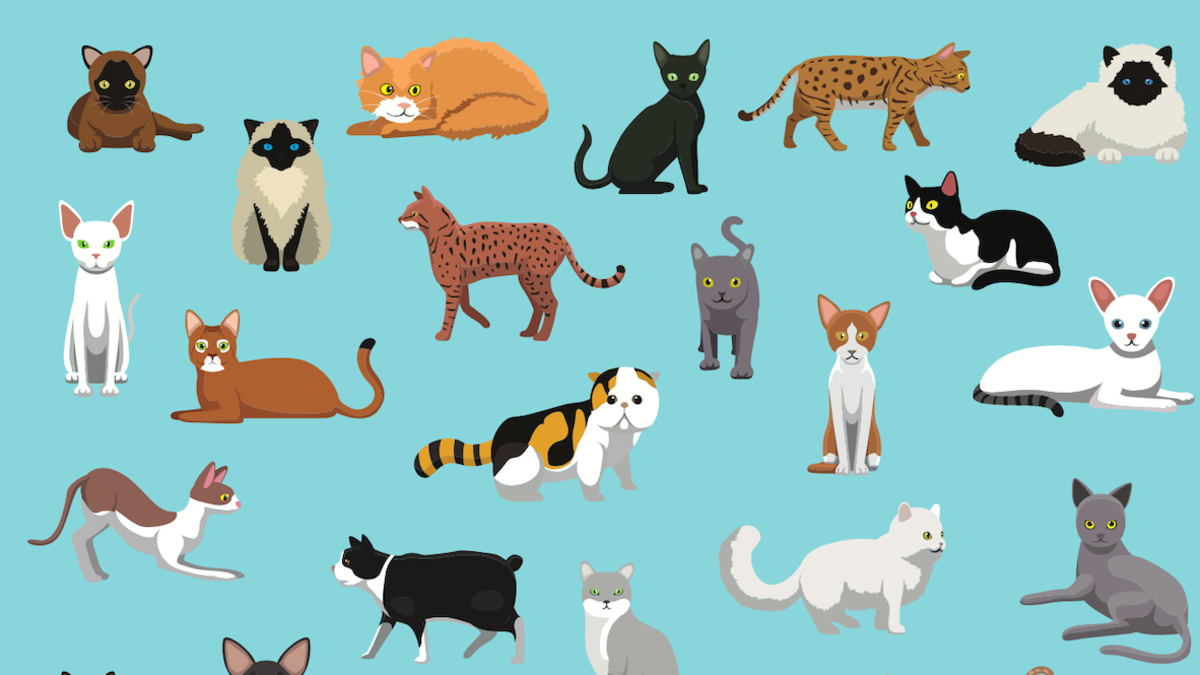
Have you ever wondered why some cats look so similar while others vary widely? It’s the breed standards that keep certain features consistent, making breeds recognizable anywhere in the world.
Natural Vs. Man-made Breeds
Some cat breeds develop naturally over time in specific regions. These are called natural breeds. They adapt to their environment, like the Norwegian Forest Cat evolving in cold climates with thick fur.
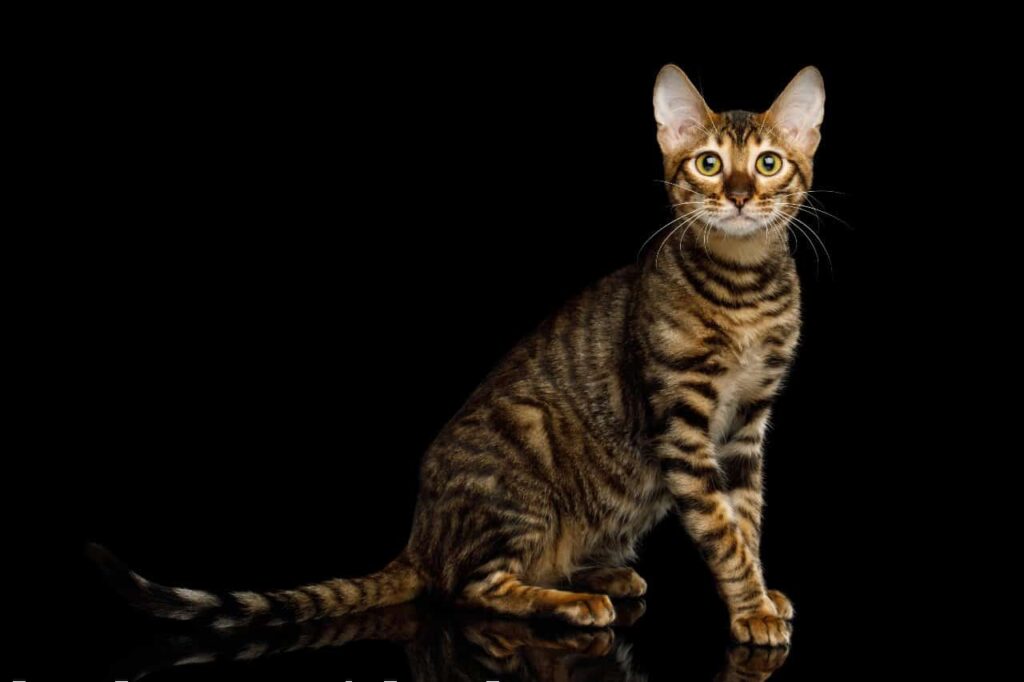
On the other hand, man-made breeds result from deliberate breeding by humans. Breeders select cats with desired traits and mate them to emphasize those features. The Bengal cat, with its wild leopard-like spots, was created this way by crossing domestic cats with Asian leopard cats.
- Natural breedsoften have traits suited to their original habitats.
- Man-made breedsfocus more on appearance, personality, or novelty.
Which type do you find more fascinating—the naturally evolved breeds or those crafted by human hands? Both reveal how genetics and selective breeding shape the cats we cherish today.

Credit: www.rd.com
Historical Breed Development
Understanding how cat breeds developed over time reveals the fascinating relationship between humans and felines. Historical breed development is not just about genetics but also about culture, geography, and selective breeding by people who admired certain traits. This historical perspective helps you appreciate why certain breeds look and behave the way they do today.
Early Domestication
Cat domestication likely began around 9,000 years ago when wildcats started to live near human settlements. These early cats helped control pests, creating a mutually beneficial relationship with humans. Over time, humans began to favor cats with specific traits, such as friendliness or hunting ability.
Think about how your own cat might have traits from those early domesticated ancestors. This long history shapes your cat’s personality and instincts even now.
Ancient Breed Examples
Some of the oldest cat breeds trace back thousands of years and reflect the places they came from. The Egyptian Mau, for example, is known for its spotted coat, which appears in ancient Egyptian art. Similarly, the Siamese cat originated in Thailand and was prized for its distinctive color points and striking eyes.
These breeds weren’t just random—they were carefully preserved and passed down by people who valued their unique looks and traits. Have you ever wondered how your cat’s breed history might influence its behavior or health?
Selective Breeding Techniques
Selective breeding techniques have shaped the world of cat breeds. Breeders use these methods to create specific traits in cats. This process involves careful planning and understanding of genetics. Let’s explore how these techniques work.
Choosing Traits
Breeders start by identifying desired traits in cats. These can include coat color, size, or personality. They select cats that naturally exhibit these traits. By breeding these cats together, they aim to enhance these features in future generations. This careful selection ensures that the traits become more prominent over time.
Breeding Programs
Organized breeding programs play a crucial role in creating cat breeds. These programs have strict guidelines and records. They track the lineage and health of each cat. This data helps in making informed breeding decisions. Breeders follow these programs to maintain quality and consistency. Such programs also help avoid unwanted genetic issues.
Role Of Genetics
Genetics is the backbone of selective breeding. Understanding cat genetics is vital for breeders. It helps predict how traits will pass to offspring. Breeders study genes to manage and select for specific traits. This scientific approach minimizes surprises and maximizes success. By mastering genetics, breeders can effectively craft new cat breeds.
Popular Cat Breeds Origins
Popular cat breeds have rich and varied origins. Each breed carries unique traits shaped by history and environment. Understanding these origins helps appreciate their distinct looks and behaviors.
Many popular breeds come from specific regions and cultures. Their development often involves natural selection and human influence. Breeders focused on traits like coat color, size, and personality. This created the beautiful diversity seen today.
Siamese And Oriental Cats
Siamese cats trace back to Thailand, once called Siam. They were prized by royalty for their striking blue eyes and slim bodies. Breeders favored these traits and refined them over centuries.
Oriental cats share a close relationship with Siamese. They have similar body shapes but come in many colors and patterns. Both breeds are known for their vocal and social nature.
Persian Lineage
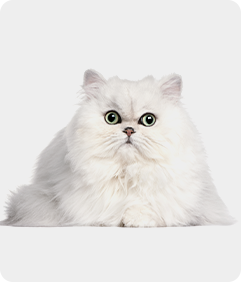
Persian cats originated in Persia, modern-day Iran. Their long, thick fur suited cold climates. Early travelers brought Persians to Europe in the 1600s.
Breeders developed the Persian’s flat face and plush coat. This breed is famous for calm, gentle behavior and luxurious appearance.
Maine Coon History
Maine Coons come from the United States, specifically Maine. They are one of the oldest natural breeds in North America. Their large size and tufted ears helped them survive cold winters.
Farmers valued Maine Coons for their hunting skills. Breeders later enhanced their friendly and playful personality. Today, they remain a beloved family pet.
Modern Breeding Trends
Modern breeding trends have dramatically reshaped how cat breeds come to life. Breeders are no longer just focused on preserving traditional traits; they are exploring new combinations and designs. This shift reflects a blend of science, creativity, and growing attention to cat health and welfare.
Hybrid Breeds
Hybrid breeds combine traits from domestic cats and wild species. These cats often have striking appearances and unique behaviors that attract enthusiasts. A famous example is the Bengal, which mixes domestic cats with Asian leopard cats.
Hybrid breeds raise interesting questions: How much wild influence is safe for domestic living? Do these cats require special care? Your choice to adopt a hybrid means understanding their unique needs fully.
Designer Cats
Designer cats are carefully planned to highlight specific physical or personality traits. Breeders often select parents based on color patterns, fur types, or even temperament. The goal is to create a cat that stands out while still being affectionate and adaptable.
Think about the popularity of the Toyger or the Savannah cat. They show how demand for novelty drives breeding choices. If you seek a cat with a particular look or vibe, designer breeds might catch your eye, but consider what fits your lifestyle best.
Health Considerations
Health is now a top priority in breeding programs. Many breeders test for genetic diseases before pairing cats. This reduces risks of inherited conditions that can affect your pet’s quality of life.
Breeding with health in mind means fewer vet bills and happier cats. When choosing your next feline friend, ask the breeder about health screenings and lineage. Are they transparent about potential health issues? Your cat’s well-being depends on these details.
Credit: www.litter-robot.com
Breed Recognition And Standards
Breed recognition and standards play a crucial role in shaping how cat breeds are officially identified and maintained. These standards serve as a blueprint that defines what makes a breed unique, guiding breeders and enthusiasts alike. Understanding this process helps you appreciate the precision and care behind every recognized cat breed.
Cat Registries
Cat registries are organizations that officially recognize and document cat breeds. They keep detailed records of pedigrees and set the rules for breed recognition. Some well-known registries include The International Cat Association (TICA) and the Cat Fanciers’ Association (CFA).
Each registry has its own process for accepting new breeds, often requiring extensive documentation and proof of consistent traits across several generations. Have you ever wondered why some rare breeds take years to be recognized? It’s because registries demand clear evidence that the breed has stable characteristics and a healthy population.
Breed Criteria
Breed criteria describe the specific traits a cat must have to be considered part of a particular breed. These include physical features like coat color, pattern, body shape, and eye color, as well as temperament and health standards.
For example, the Siamese breed standard emphasizes a slender body and striking blue almond-shaped eyes. If a cat doesn’t meet these criteria, it won’t qualify as Siamese in official registries.
Do you think focusing on strict breed criteria helps maintain breed quality or limits genetic diversity? This balance is a constant challenge for breeders and registries.
Impact On Breeders
Breed recognition and standards directly influence how breeders select cats for mating. Breeders strive to produce kittens that meet or exceed these standards to ensure their cats can compete in shows and be sold as purebred.
This pressure encourages careful breeding but can also lead to ethical concerns if breeders prioritize looks over health. When I visited a reputable breeder, they emphasized health screenings as much as physical traits—something all breeders should consider.
As someone interested in cats, understanding these impacts can guide you when choosing a breeder or deciding to breed yourself. What qualities would you prioritize: strict adherence to standards or genetic health and diversity?
Credit: paradepets.com
Frequently Asked Questions
How Are New Cat Breeds Developed?
New cat breeds develop through selective breeding. Breeders mate cats with desired traits to create unique appearances and personalities. This process can take many years to stabilize breed characteristics. Genetics play a key role in defining traits in new breeds.
What Role Does Genetics Play In Cat Breeds?
Genetics determine a cat’s physical and behavioral traits. Breeders select specific genes to enhance features like coat color, size, and temperament. Understanding genetics helps in producing consistent breed standards. Genetic diversity also affects the health of the breed.
How Long Does It Take To Establish A Cat Breed?
Establishing a cat breed typically takes 10 to 20 years. Breeders must produce multiple generations with consistent traits. Recognition by cat associations also takes time. Patience and careful breeding are crucial for breed development.
Can Crossbreeding Create New Cat Breeds?
Yes, crossbreeding combines traits from two breeds to form a new one. It introduces diverse characteristics and can improve health. However, it requires careful planning to maintain desired features. Successful crosses may eventually become recognized breeds.
Conclusion
Cat breeds come from careful breeding and natural traits. People select cats with special features to create new breeds. Each breed has unique looks and behaviors. Breeders work hard to keep these traits strong. Understanding breed origins helps us appreciate cats more.
Every cat, no matter the breed, is special. Enjoy learning about how these beautiful animals came to be.

Leave a Reply