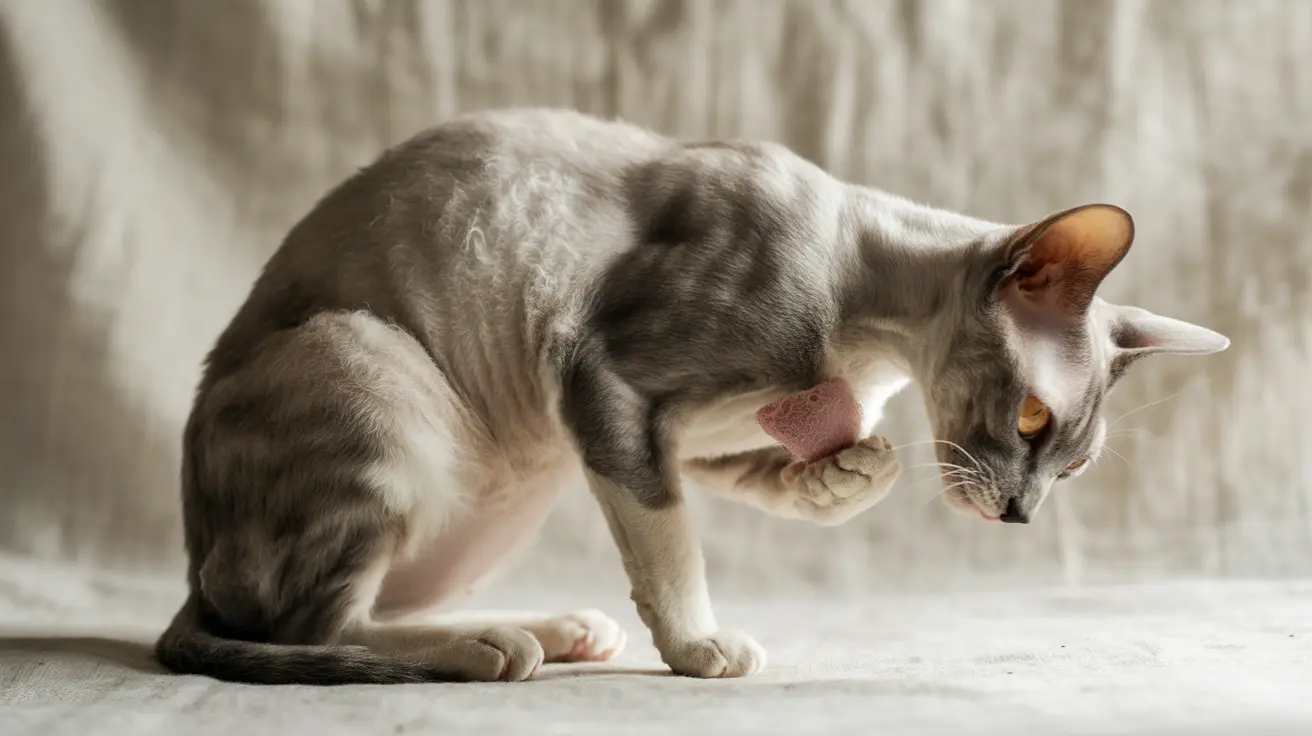
Have you ever noticed your cat pulling her fur while grooming and wondered why she does it? It can be worrying to see your furry friend tug at her coat, and you might be asking yourself if something is wrong.
Understanding why your cat pulls her fur is important—not just for her comfort but also for her health. You’ll discover the surprising reasons behind this behavior and what you can do to help your cat feel better. Keep reading to learn how to spot the signs and take action before it becomes a bigger problem.
Cat Grooming Habits
Cats are known for their fastidious grooming habits, often spending hours each day cleaning themselves. This behavior helps keep their fur clean, controls parasites, and regulates body temperature. Understanding your cat’s grooming routines can help you spot when something unusual, like fur pulling, might be a sign of a problem.
Normal Grooming Behavior
Your cat’s grooming is usually a calm, repetitive action where she uses her tongue to clean her fur. This keeps her coat smooth and free from dirt and loose hairs. Grooming also has a social and calming effect, helping cats feel secure and relaxed.
Most cats groom several times a day, focusing on areas they can easily reach. You might notice your cat licking her paws and then rubbing her face or neck with them—this is typical behavior. She might even groom other cats or people as a sign of affection or bonding.
When Grooming Becomes Excessive
It’s normal for cats to groom often, but when your cat starts pulling her fur or grooming so much that her skin looks raw or patchy, it’s a red flag. Excessive grooming can signal stress, allergies, skin infections, or even parasites like fleas.
Have you seen your cat licking or biting the same spot repeatedly? This can cause fur loss and even wounds. If your cat’s grooming seems out of control, it’s important to observe what might be causing her discomfort or anxiety.
Try to notice if there are new changes in her environment, diet, or routine that might stress her out. Sometimes, your vet may recommend treatments or behavior strategies to help reduce this behavior and keep your cat comfortable.
Reasons For Fur Pulling
Fur pulling in cats can be unsettling to watch. It often signals an underlying issue that needs attention. Understanding why your cat pulls her fur helps you address the root cause. Several factors can trigger this behavior, ranging from physical discomfort to emotional stress.
Skin Irritations And Allergies
Skin irritations make cats feel itchy and uncomfortable. Allergies to food, pollen, or chemicals cause redness and swelling. Cats try to relieve the discomfort by pulling their fur. Scratching and biting can lead to bald patches and sores.
Parasite Infestations
Parasites like fleas and mites cause intense itching. These tiny pests hide in the fur and skin. Cats scratch and pull fur to get rid of the irritation. Parasite infestations need prompt treatment to stop fur pulling.
Stress And Anxiety
Stress affects cats deeply, just like people. Changes in environment or routine can trigger anxiety. Fur pulling becomes a way to cope with nervous energy. This behavior often appears after moving homes or adding new pets.
Boredom And Lack Of Stimulation
Cats need play and mental activity daily. Without enough stimulation, they become restless and frustrated. Fur pulling may start as a habit to pass time. Providing toys and interaction reduces this problem.
Medical Conditions Affecting Skin
Some medical issues cause skin problems leading to fur pulling. Conditions like dermatitis or fungal infections irritate the skin. Thyroid problems and hormonal imbalances can also contribute. A vet checkup helps diagnose and treat these conditions.
Signs To Watch For
Is your cat pulling her fur out while grooming? It’s a behavior that can be concerning for any pet owner. Cats are meticulous groomers, but excessive fur pulling can indicate underlying issues. Recognizing the signs is the first step in helping your feline friend. Here are some key signs to watch for.
Visible Bald Patches
One of the most noticeable signs is the appearance of bald patches on your cat’s coat. These patches can vary in size and are often found in areas your cat can easily reach. If you notice these patches, it’s crucial to monitor them for changes or expansion.
Redness And Inflammation
Check for redness or inflammation on your cat’s skin. This could be a sign of irritation or an allergic reaction. Inflammation can also be a result of excessive licking or biting, indicating discomfort.
Behavioral Changes
Pay attention to any changes in your cat’s behavior. Is she more irritable or hiding more often? Behavioral changes can provide clues to her health and emotional state. If your cat is exhibiting unusual behaviors, it may be time to consult your vet.
Have you noticed any of these signs in your cat? Taking action early can prevent further issues and ensure your cat stays healthy and happy. Always trust your instincts as a pet owner, and remember, your cat’s well-being is in your hands.
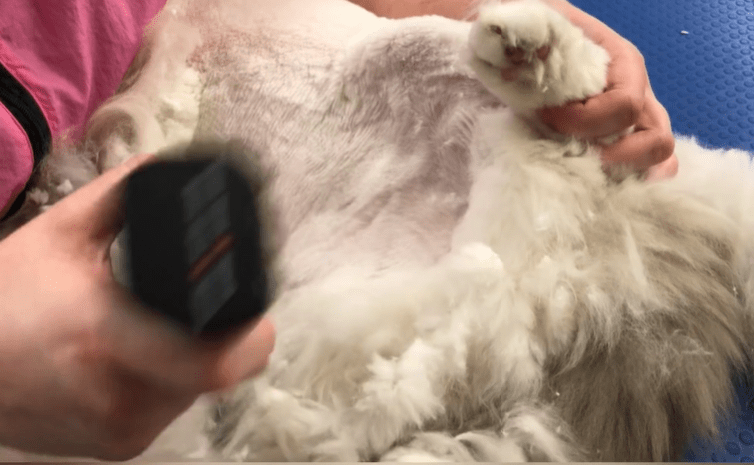
Credit: learncatgrooming.blog
How To Help Your Cat
Helping your cat stop pulling her fur during grooming involves understanding what’s causing this behavior and addressing it carefully. You want to create a supportive environment where your cat feels safe and comfortable. Let’s look at practical ways to help your furry friend feel better and stop this habit.
Improving Environment And Enrichment
Your cat’s environment plays a big role in her behavior. Make sure she has plenty of toys, scratching posts, and cozy spots to relax. Changing her surroundings regularly can keep her interested and mentally stimulated.
Try adding puzzle feeders or new toys to challenge her mind. A bored cat might pull her fur out of frustration. Have you noticed if she seems restless or inactive before pulling her fur?
Treating Underlying Health Issues
Sometimes fur pulling is a sign of pain or discomfort. Skin allergies, parasites, or infections can make your cat feel itchy or irritated. Check her skin for redness or sores regularly.
If you spot any wounds or hairless patches, it’s important to get treatment. Even small health problems can cause big discomfort. Have you observed if your cat licks or scratches certain areas more than others?
Managing Stress And Anxiety
Stress can trigger excessive grooming and fur pulling. Changes in routine, new pets, or loud noises might make your cat anxious. Keeping her routine consistent helps her feel secure.
Try using calming aids like pheromone diffusers or gentle music. Spending quiet time petting her can also reduce anxiety. What situations seem to upset your cat the most?
Consulting A Veterinarian
If you’ve tried improving her environment and managing stress without success, it’s time to see a vet. A professional can rule out medical causes and suggest treatments. They might recommend medication or special shampoos to soothe her skin.
Be honest about your cat’s behavior and any changes you’ve noticed. Your vet can guide you with the best plan tailored to your cat’s needs. Have you scheduled a check-up to explore all possible reasons behind her grooming habits?
Preventing Fur Pulling
Preventing your cat from pulling her fur during grooming requires a careful approach that balances care, attention, and environmental factors. Understanding the triggers behind this behavior helps you take meaningful steps to protect your cat’s coat and comfort.
Regular Grooming Routine
Keeping a consistent grooming schedule can reduce your cat’s urge to pull fur. Brushing your cat gently helps remove loose hair and prevents matting, which often causes discomfort and fur pulling.
Try to brush your cat at least a few times a week, adjusting the frequency based on her coat type. Notice how she reacts during grooming—does she seem stressed or relaxed? Your calm presence can make grooming a positive experience.
Parasite Prevention
Parasites like fleas and mites irritate your cat’s skin, leading to excessive scratching and fur pulling. Regular vet check-ups and using effective parasite preventatives are crucial to keep these pests away.
Have you ever seen your cat suddenly scratch more than usual? It’s a sign to check for parasites immediately. A flea comb can help you spot tiny pests before they multiply.
Providing Mental And Physical Stimulation
Boredom and stress can make cats pull their fur as a coping mechanism. Keeping your cat mentally and physically engaged reduces anxiety and destructive behaviors.
Offer toys, climbing spaces, and playtime to keep her active. Could your cat’s environment be missing some excitement? Small changes like puzzle feeders or new toys often make a big difference.

Credit: www.feliway.co.uk

Credit: nationalcatgroomers.com
Frequently Asked Questions
Why Does My Cat Pull Her Fur While Grooming?
Cats may pull fur due to stress, allergies, or skin irritation. It can also be a compulsive behavior or a sign of parasites. Observing your cat closely helps identify the cause. Consulting a vet ensures proper diagnosis and treatment.
Can Fur Pulling Indicate Health Problems In Cats?
Yes, fur pulling can signal health issues like dermatitis, flea infestations, or fungal infections. It may also stem from pain or allergies. Early veterinary checkups can prevent worsening and improve your cat’s comfort and well-being.
How Can I Stop My Cat From Pulling Her Fur?
To stop fur pulling, reduce stress and provide enrichment. Use flea prevention and treat allergies if present. Regular grooming and vet visits help identify and address underlying causes effectively.
Is Fur Pulling Common In Certain Cat Breeds?
Fur pulling can occur in any breed but may be more frequent in anxious or high-energy cats. Breed-specific tendencies vary, but environment and health play a larger role than breed alone.
Conclusion
Cats pulling their fur while grooming can signal a problem. It might be stress, allergies, or skin irritation. Watch your cat closely for changes in behavior or skin condition. A visit to the vet can help find the cause. Early care prevents worse issues.
Keep your cat comfortable and calm. Healthy skin means a happy cat. Understanding your cat’s grooming habits helps you care better. Stay patient and observant to keep your cat safe and healthy.

Leave a Reply